The bluefish is a fascinating fish from both the Mediterranean and the Atlantic that attracts anglers looking for a thrill. Originally found in the warm waters of the eastern Mediterranean, the bluefish has recently colonised our coasts, much to our delight. In this article, find out more about this unique fish, its lifestyle and the techniques used to catch it.
Our article in brief:
The bluefish is a fascinating fish from both the Mediterranean and the Atlantic that attracts anglers looking for a thrill. Here's what you need to know about the bluefish:
- A formidable predator : the bluefish is a fish with a streamlined body, an imposing head and razor-sharp teeth
- Size: This fish can grow to an impressive size (up to 1.3 m), weighing over 15 kg.
- A varied habitat : found in several seas and oceans, the bluefish favours coastal waters
- A hard-fighting sport fish : The bluefish is mainly fished with lures or livebait..
The bluefish: a fearsome predator
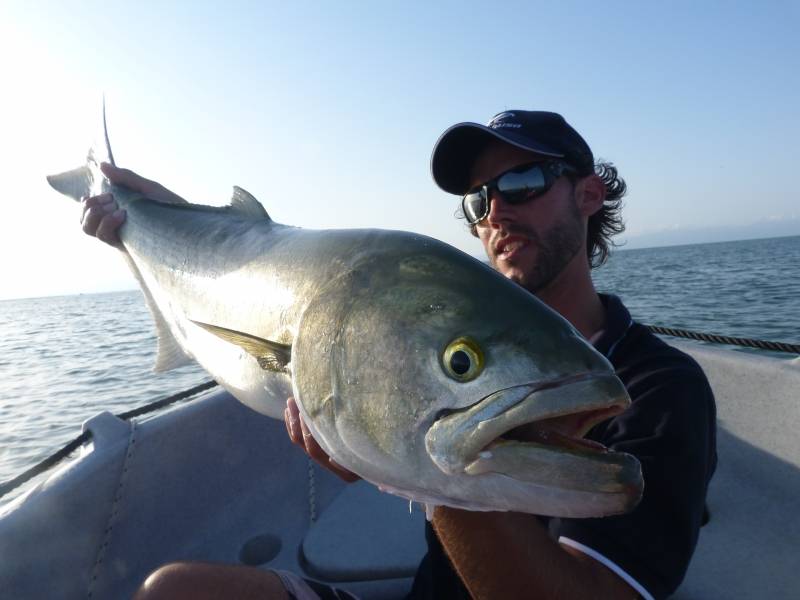
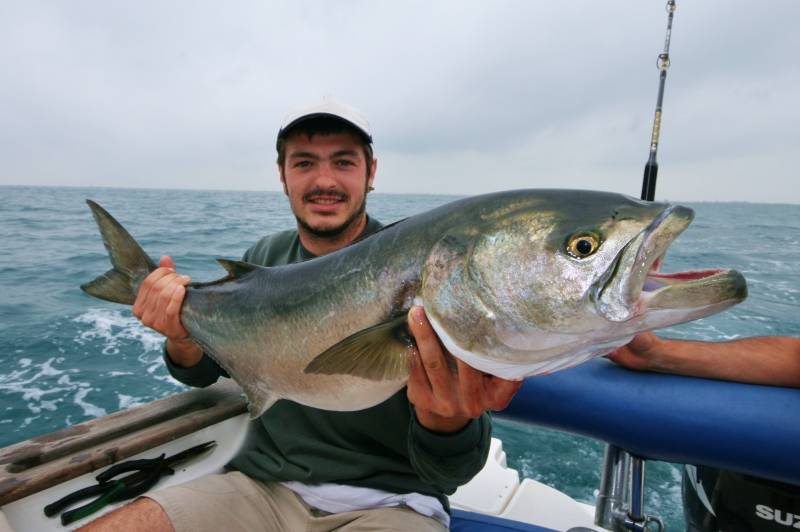
The bluefish “Pomatomus saltatrix ” is a predatory fish belonging to the Pomatomidae family. Also known as bluefish or or poisson-serre in French, it stands out for its streamlined body and large mouth. The bluefish is silver in colour with a grey-green back and white belly.
The most striking feature of the bluefish is its massive head with a large oblique mouth. Its prominent lower jaw and sharp, pointed teeth make it a formidable hunter. During our fishing expeditions, we were often impressed by the sharp teeth of this fish, which at times reminded us of a barracuda.
The bluefish can reach impressive sizes:
- Average size: 20 to 60 cm
- Maximum size: up to 1.3 m
- Maximum weight: approx. 14 kg
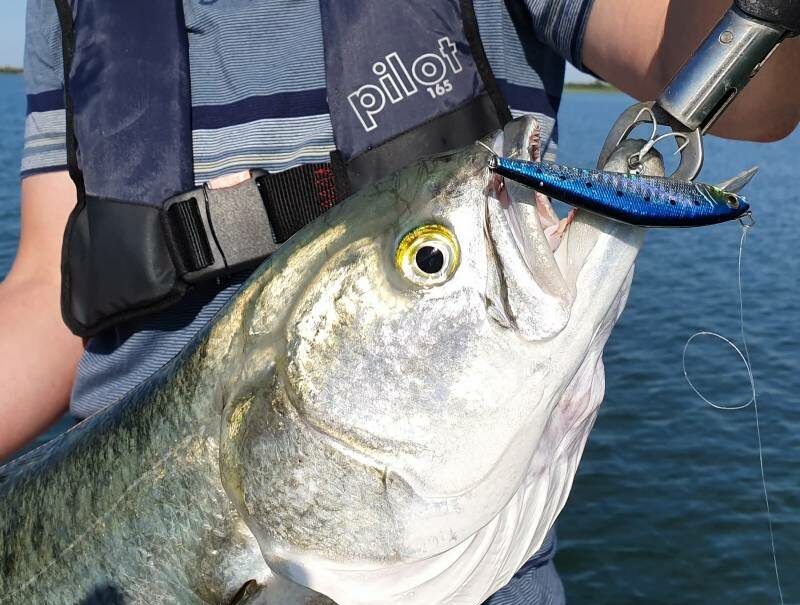
The bluefish generally hunts in groups on small shoals of fish. This creates a real underwater spectacle that we were lucky enough to observe on several occasions.
The bluefish reproduces in open water and its rapid growth makes it a resilient species. It reaches its sexual maturity at the age of 2. This means that populations can be renewed relatively quickly, provided that fishing pressure remains reasonable. The bluefish is considered a vulnerable species by the IUCN due to overfishing. As responsible fishermen, we encourage you to fish sustainably and to comply with local regulations on size and quotas.
Habitat and behaviour of the bluefish
The bluefish is a cosmopolitan fish found in many of the world's oceans and seas. Its geographical distribution is vast:
- Mediterranean
- Atlantic Ocean
- Indian Ocean
- Black Sea
This fish is particularly fond of the warm coastal waters of the Mediterranean and the Atlantic. This is where it finds an abundance of prey for its diet. It is frequently found in harbours, river mouths and on muddy or sandy bottoms..
The migratory behaviour of the bluefish is fascinating. These fish generally travel in large shoals. They migrate according to the seasons and temperature variations. We have found that the bluefish is more prevalent near the French coast during the warm summer months. This is the best time to target this fish.
The bluefish's diet consists mainly of other fish. Here is an overview of its favourite prey:
| Main prey | Secondary prey |
|---|---|
| Mullet | Small crustaceans |
| Mackerel | Squid |
| Sardines | Anchovies |
How to fish for bluefish?
Bluefish fishing is attracting more and more lure anglers, and with good reason. This fish is renowned for its powerful, aerial fighting style., putting the skills of even the most seasoned anglers to the test.
The two main techniques for targeting bluefish are:
- Lure fishing : lure fishing for bluefish is mainly done with surface lures such as poppers or stickbaits. When bluefish are active and schooling, they can launch spectacular attacks. We also recommend jerkbaits between 10 and 15cm, which perfectly imitate the fish the bluefish feeds on.
- Livebait fishing : using livebait such as sardines or small mackerel can be very productive.
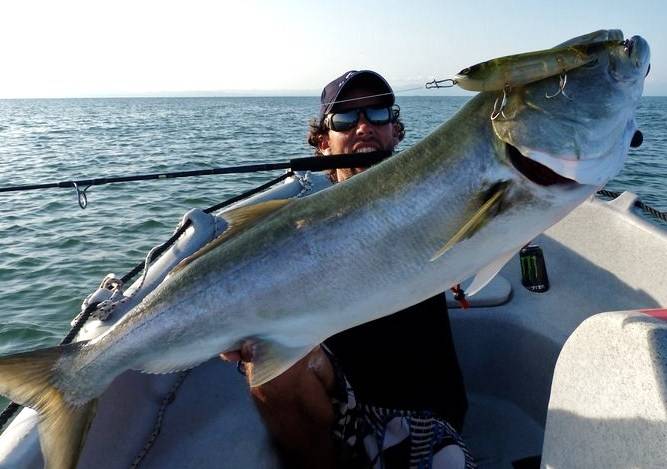
The ideal time to fish for bluefish is generally from September to November. During these months, we have seen an increase in the activity of these fish near the coast, providing excellent opportunities for fishermen.
The bluefish is a fish that never ceases to surprise us and richly deserves the growing interest it is attracting.