Key takeaways
- Polyethylene : virtually indestructible and maintenance-free, but heavy. Aluminium : light and easy to fit out, but noisy. Polyester : quiet and repairable, but vulnerable to knocks.
- A boat of 3.5 to 4.2 m covers most lure fishing on lakes and rivers for two anglers.
- The boating licence becomes compulsory above 4.5 kW (6 hp), whether the motor is petrol or electric.
- Before buying, check the rules of the water: many lakes ban petrol engines.
What lure angler has never gazed at the middle of the lake from the bank, thinking the best spots were out of reach? A fishing boat changes everything: it opens up the offshore drop-offs, plateaus and weed beds, and lets you follow the fish through the seasons. You still need to choose the right hull. Aluminium, polyester or polyethylene: each material has its strengths, its weaknesses and its budget. We wanted to give you every criterion you need to decide, from size to motor, including the licence, the trailer and safety.
Aluminium, polyester or polyethylene: the hull showdown
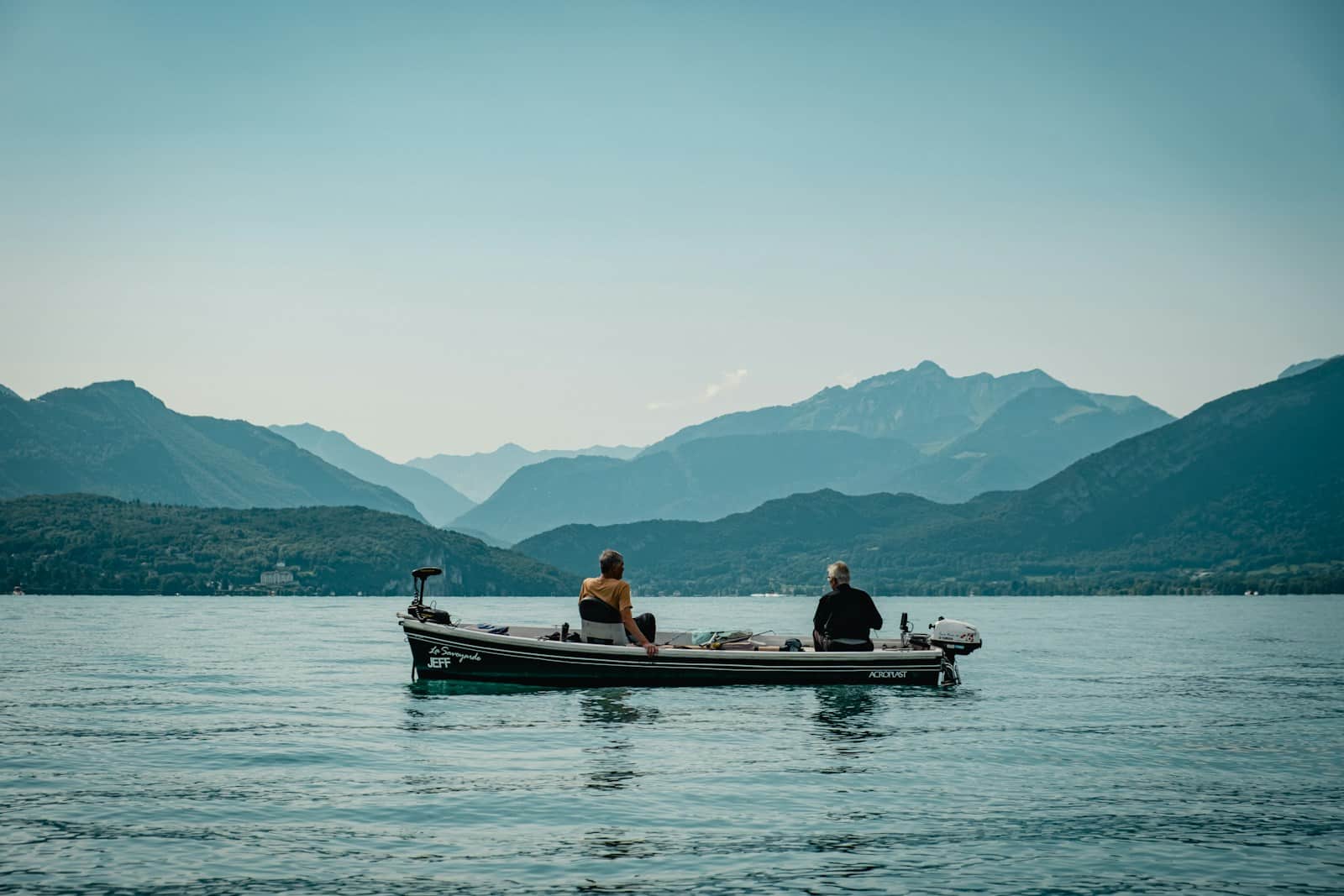
The hull material determines the weight to tow, the noise on board, the maintenance and the lifespan of the boat. There is no perfect hull: there is the one that suits your waters, the way you transport it and your budget.
Polyethylene, the "plastic" boat that takes everything
The plastic boatis almost always rotomoulded polyethylene, often double-walled. Its great strength is toughness: it shrugs off rocks, stumps, damaged slipways and outdoor storage without a murmur, because the material is coloured all the way through and fears neither corrosion nor osmosis. Maintenance comes down to a rinse, and the double hull provides good sound insulation. On the downside, polyethylene is heavy for its size and hard to repair: a cracked hull is difficult to weld, and drilling to fit a fishfinder mount requires suitable inserts. It is the hull for the angler who wants a tough, hassle-free boat.
Aluminium, light and made for fitting out
The aluminium boat is the benchmark for many predator anglers, and not by chance. For the same size, it is generally the lightest of the three, which makes towing easier and sometimes allows launching by hand from a bank without a slipway. Aluminium is easy to drill, rivet and screw: front deck, lockers, electric motor mount, fishfinder brackets, everything can be fitted. A welded or riveted hull of good thickness copes well with knocks, even if it picks up a few dents. Its weak point is noise: a dropped sinker, a heavy step or waves slapping the hull carry into the water, which can alert fish in shallow spots. The cure is a floor and a sound-deadening covering. At sea, watch out for corrosion and rinse with fresh water after every trip.
Polyester, quiet and repairable
A polyester hull (glass-fibre reinforced resin) is the quietest and the most pleasant to handle on the water: it absorbs the chop, sits well in the water and allows more refined hull shapes. It is easy to repair with resin and glass mat, and a well-kept gelcoat stays good-looking for a long time. On the other hand, it is more vulnerable to sharp impacts, such as a rock just below the surface or a hard grounding, and it needs regular maintenance: polishing the gelcoat, checking for chips, watching for osmosis on a boat kept afloat. It is also often heavier than aluminium for the same length. It is the hull for those who put comfort and silence first and who fish clean waters without too many rocks along the edges.
| Criteria | Polyethylene | Aluminium | Polyester |
|---|---|---|---|
| Weight (same size) | High | Low | Medium to high |
| Impact resistance | Excellent | Good (dents possible) | Medium |
| Noise on board | Low (double wall) | High without covering | Low |
| Maintenance | Next to none | Low (rinsing, rivets) | Regular (gelcoat) |
| Repair | Difficult | Possible (welding, rivets) | Easy (resin) |
| Fitting out | Limited | Very easy | Possible |
| New price 3 to 4.5 m (2026 ballpark) | €700 to €2,500 | €1,500 to €6,000 | €1,000 to €4,000 |
What size of boat for lure fishing?
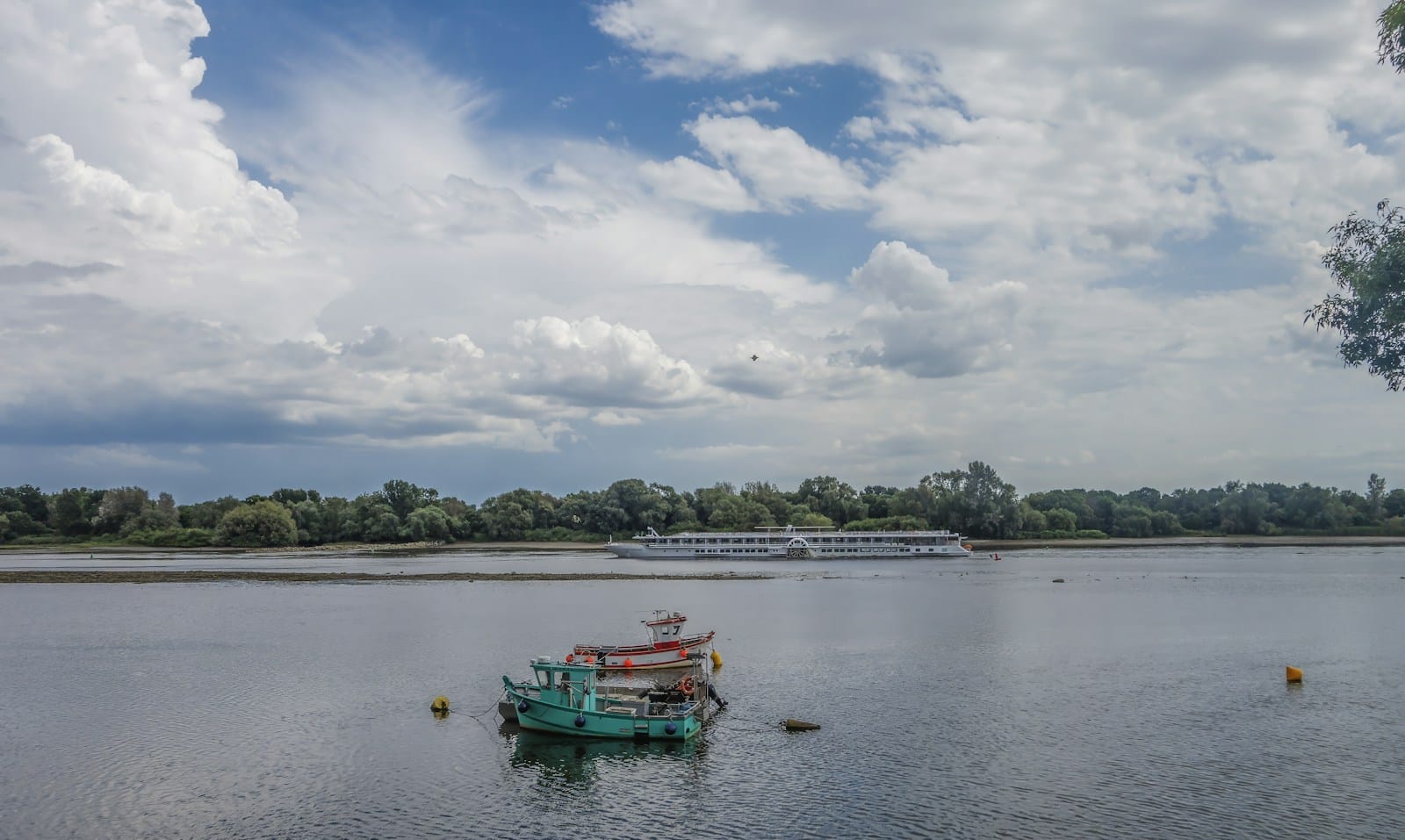
Length: from 3 to 4.5 metres depending on your waters
A boat of 3 m to 3.5 m suits the solo angler on ponds, small lakes and slow rivers: it handles easily, tows effortlessly and slips between submerged timber. For two anglers casting at the same time, aim for 3.8 m to 4.2 m, otherwise each of you ends up fishing under the other's feet. Above 4.5 m, you gain comfort on large reservoirs where the wind quickly whips up a serious chop, but the weight, the trailer and the space in the garage grow accordingly. Bear in mind that length also determines the number of people and the maximum power allowed by the manufacturer, shown on the hull plate.
Beam and bottom: the secret of stability
To fish standing up, which is the rule with lures, stability matters as much as length. A beam of 1.40 m to 1.70 m and a flat or shallow-V bottom provide a stable platform for casting, striking and landing a fish. A flat bottom does have one drawback, though: it slams in the chop and drifts quickly in the wind. A deep-V hull cuts through waves better and holds its course better, but it rolls more at rest. On small sheltered waters, the flat bottom is king. On big windy reservoirs, a moderate V is a good compromise. As for the question "open boat or fishing boat?", it boils down to this: an open boat is a simple, light, open hull, while a fishing boat adds a deck, console and lockers, with weight and budget climbing accordingly.
Electric or petrol motor, and the licence
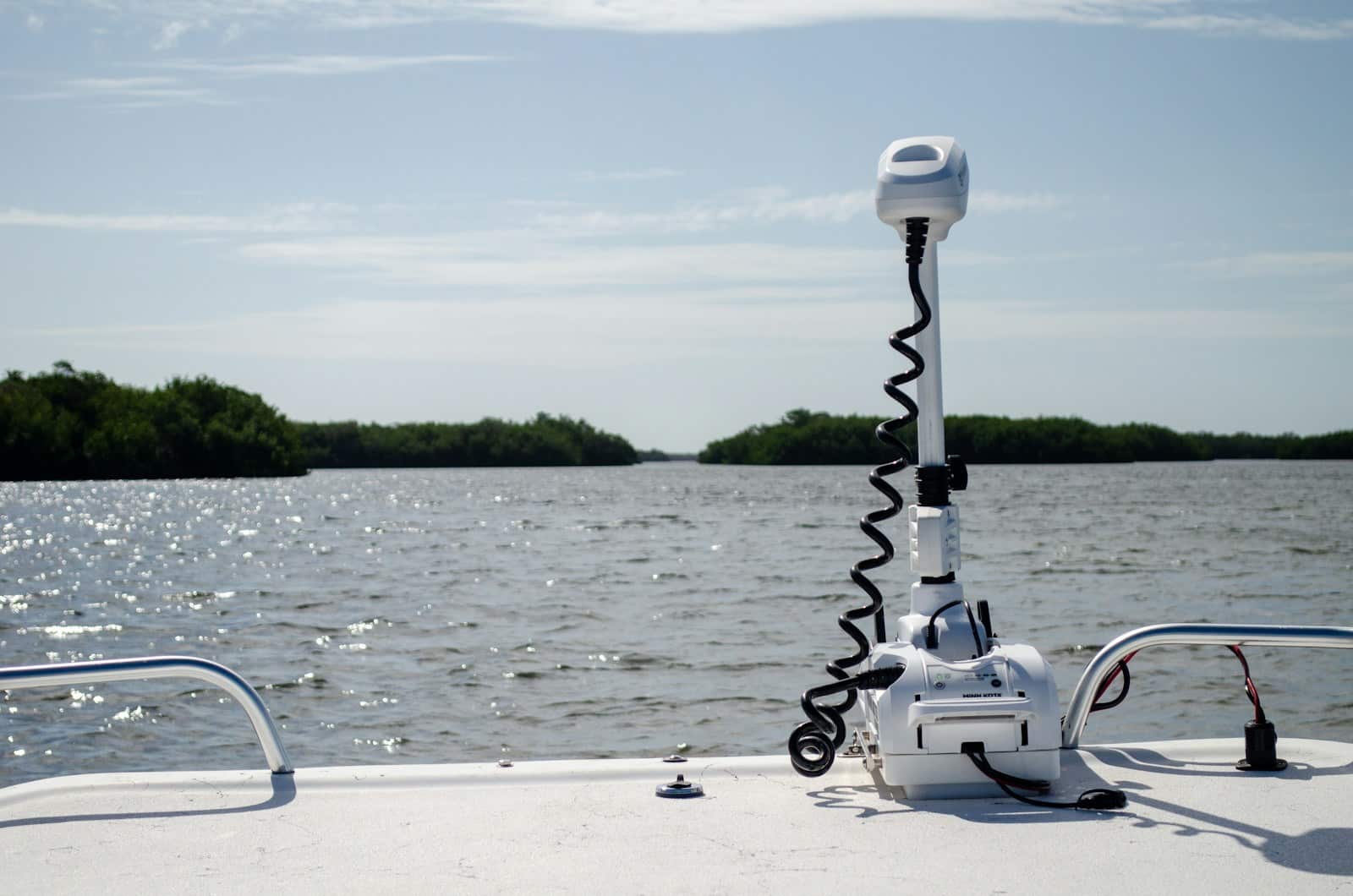
The electric motor, quiet and often the only one allowed
For lure fishing, the electric motor is almost essential. Being silent, it lets you follow a margin, position yourself on a drop-off or hold station into the wind without spooking the fish. Mounted at the stern, it serves as the main propulsion on small waters. Mounted at the bow and controlled by foot pedal or remote, it becomes the fishing tool par excellence, especially with a GPS anchor function. A thrust of 40 to 55 lb is enough for a 3 to 4 m boat, and you need more for a heavy hull or frequent wind. As for batteries, AGM is cheaper but heavy, lithium is lighter and lasts longer, but is considerably more expensive. In 2026, allow €200 to €600 for a simple stern-mounted electric motor and €1,500 to €3,500 for a bow-mount with GPS anchoring.
Petrol engines, for large waters and the sea
A small petrol outboard becomes useful as soon as distances grow: large reservoirs, big rivers, estuaries or the coast. It lets you reach a distant spot in a few minutes and get back quickly if the weather turns. Many anglers combine an outboard at the stern for moving around with an electric at the bow for fishing. Be careful, though: many lakes and ponds ban petrol engines, or even all motors, under specific by-laws issued by the prefect or by decision of the water's manager. So check the rules of the water you are targeting before investing in an outboard. In 2026, a new four-stroke outboard of 4 to 6 hp generally costs between €1,000 and €2,200.
The boating licence: from what power?
In France, the boating licence is compulsory to drive a boat whose engine power exceeds 4.5 kW, or 6 hp. The rule applies at sea and on inland waters alike and concerns propulsive power, not the energy source: a powerful electric motor is subject to it just like a petrol one. Below that, no licence is required, which covers most electric fishing motors and small outboards of 5 hp or less. On rivers and canals, you need the "inland waters" option for a boat under 20 m. On an enclosed lake, which the boat cannot leave under its own power, the coastal sea licence counts as the "inland waters" option, as stated on the page of the ministry responsible for the sea devoted to pleasure boating on fresh water (rules in force in 2026). Registration and navigation papers depend on length, power and where you navigate: check with the departmental directorate of territories (DDT) or the sea and coast delegation.
Important — The maximum permitted power is shown on the manufacturer's plate. Fitting a more powerful motor than it allows is dangerous and may leave you without insurance cover in the event of an accident.
On video: how to choose your boat for lure fishing (loupescadou16 channel).
Transporting and launching your boat
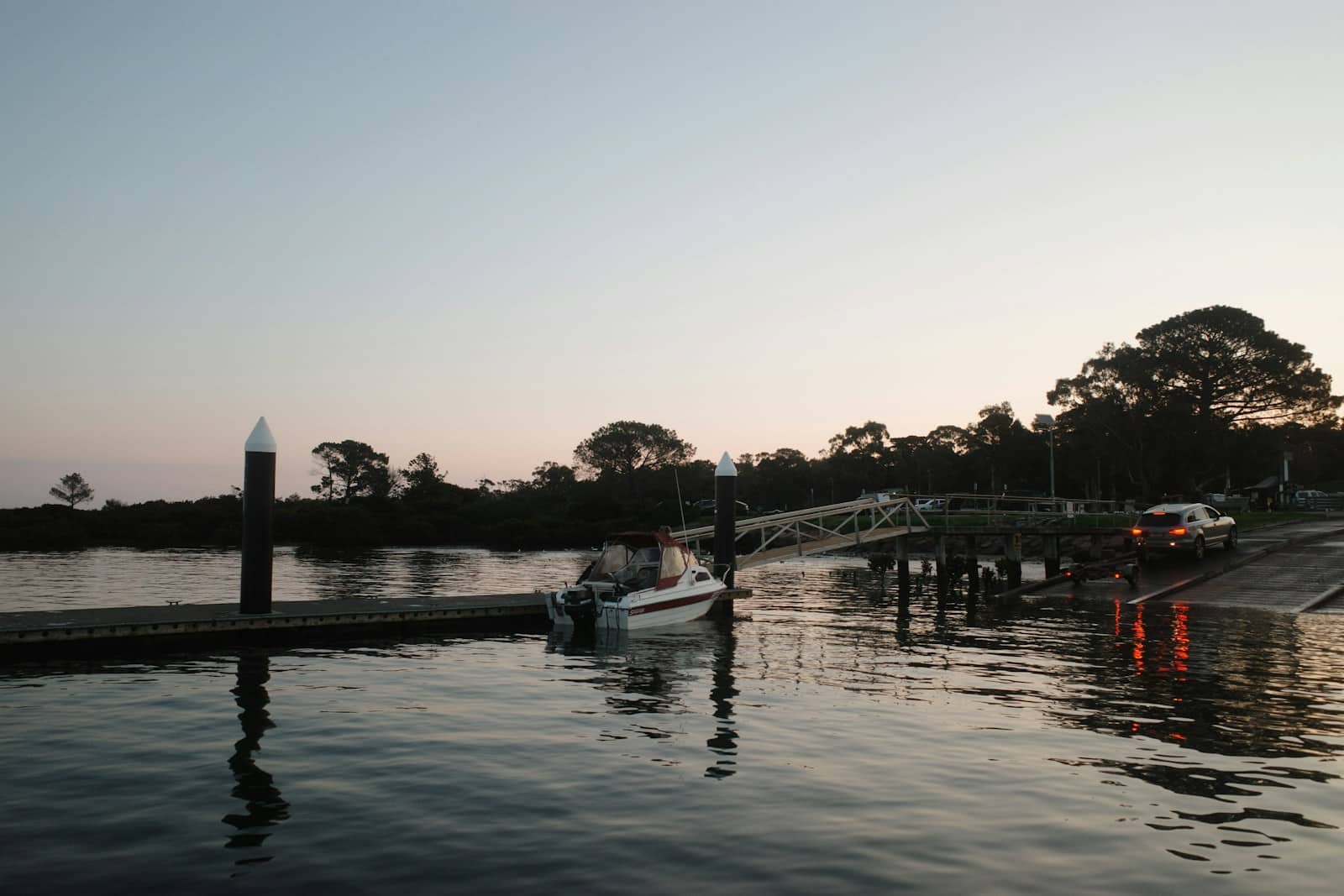
The trailer and the driving licence
Apart from small hulls carried on the roof, a boat travels on a trailer. With a category B licence, you can tow a trailer whose maximum authorised mass (MAM) does not exceed 750 kg, which covers the vast majority of fishing boats. Above that, the combined MAM of the car and trailer comes into play, with B96 training or a BE licence depending on the case. A trailer with a MAM over 500 kg must have its own registration document. Choose one suited to the length of the hull, with well-adjusted rollers or bunks and a winch. In 2026, allow €400 to €1,200 for a new boat trailer.
Access and launching
Before buying, look at where you will actually launch. Some waters have proper slipways, others offer only a gently sloping bank, and others still ban launching anywhere except at designated points. A light aluminium boat can be dragged by hand for a few metres; a polyethylene hull of the same size, much less so. Think about storage too: a boat kept outdoors should be covered and chocked, hull tilted to drain rainwater. If you are new to the water and still unsure, the float tube remains a lightweight alternative for discovering afloat fishing, as with float tube fishing on the Loire.
Safety and regulations on board
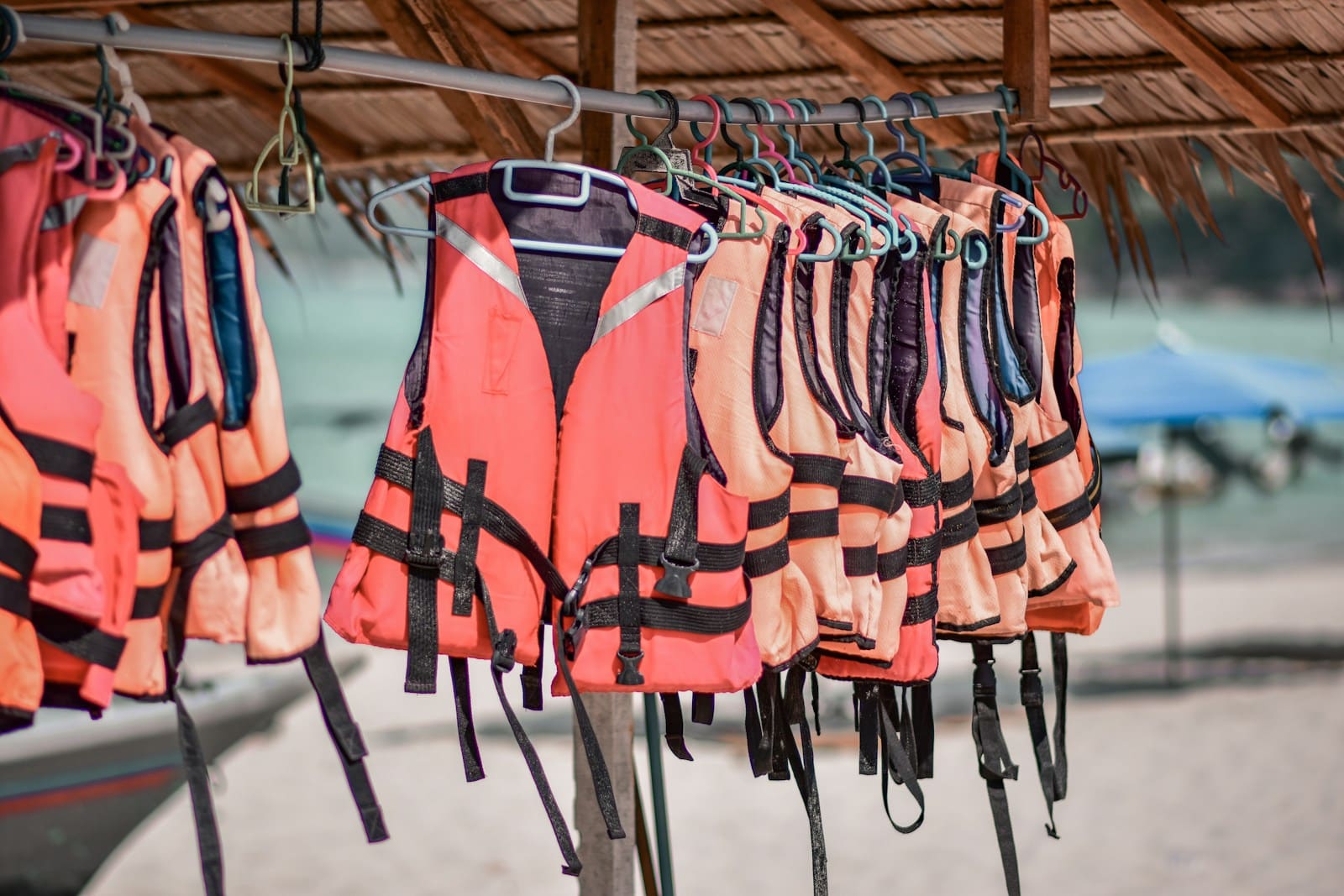
Compulsory safety equipment
At sea, the required equipment depends on the distance from a safe haven. For so-called "basic" navigation, up to 2 nautical miles from shelter, which matches the use of a small boat, the regulations (division 240) require in particular:
- a personal flotation device (life jacket) suited to each person on board;
- a waterproof light signalling device with at least 6 hours of autonomy;
- a means of fighting fire if the boat has an engine;
- a bailing device (bailer or pump) if the hull is not self-draining;
- a towing device and a suitable anchor line;
- a means of knowing tide times and tidal coefficients.
The up-to-date list and special cases are on the page of the ministry responsible for the sea devoted to safety equipment and fittings (updated in June 2026). On inland waters, the general police regulations and the specific rules of the water apply: check with the prefecture or the water's manager. Beyond the obligations, a life jacket is for wearing, not stowing: most falls overboard happen while fishing standing up, when casting or landing a fish.
Regulations for fishing from a boat
Navigating is one thing, fishing is another. In fresh water, you need a valid fishing permit, and boat fishing is not allowed everywhere: some stretches are reserved for bank fishing, others require specific authorisation for the craft, and fishing reserves apply on the water just as from the bank. Opening dates for pike and zander, legal sizes and the number of rods allowed vary by department and by category of watercourse. In 2026, as every year, the reference remains the departmental fishing federation and the AAPPMA (local angling association) that manages the water. At sea, recreational fishing has its own minimum sizes and compulsory marking of certain catches.
The best boat is not the most expensive: it is the one you can launch easily, on the waters where you really fish.
Fishing for predators from a boat
Fitting out your boat for lure fishing
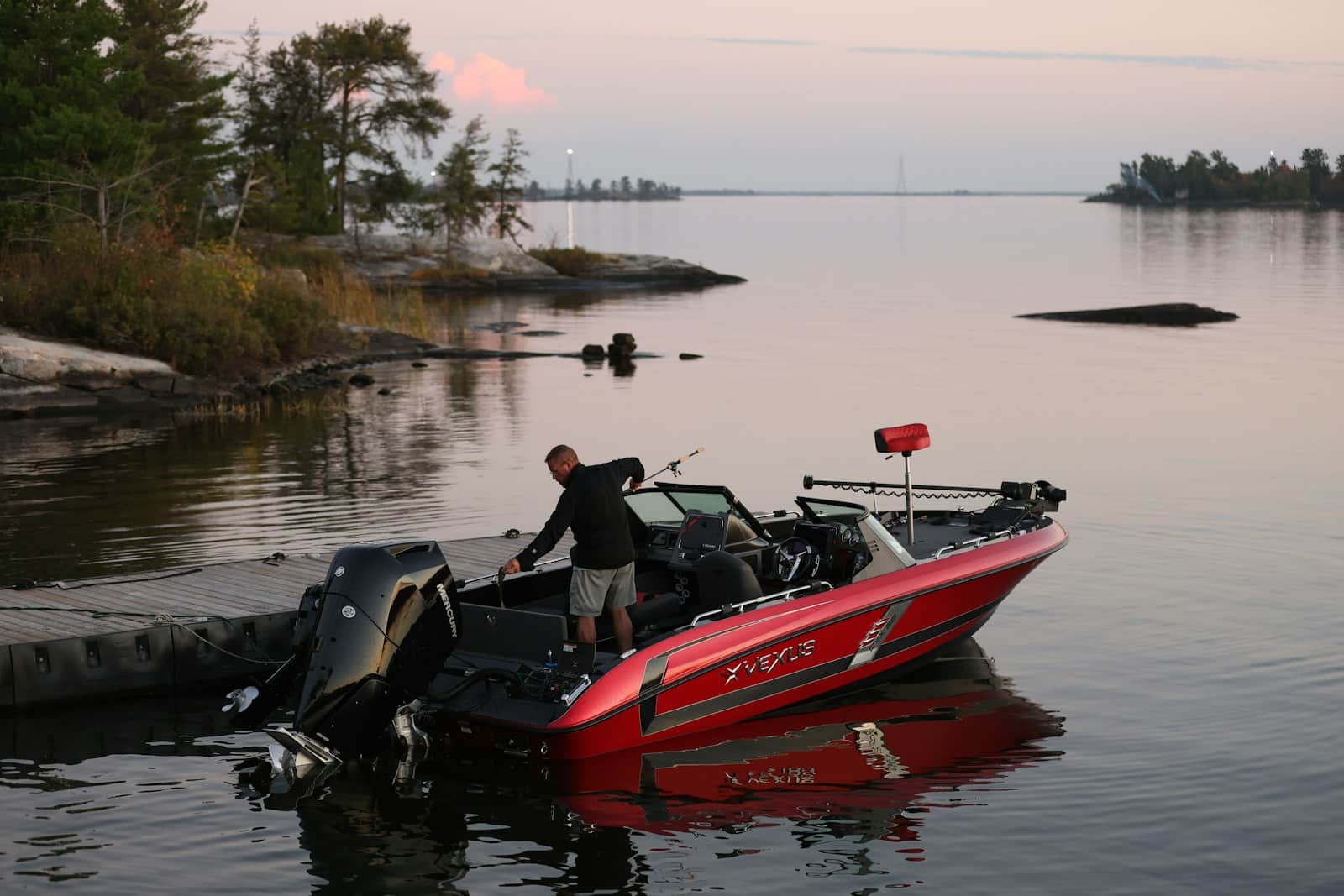
A lure fishing boat should be thought of as a casting platform. A flat, non-slip floor, laid at bench level, lets you fish standing up safely and muffles noise. At the bow, an electric motor mount and a fishfinder screen within view are the two pieces of kit that change your fishing the most: the fishfinder shows drop-offs, shoals of baitfish and steep slopes. Add rod holders, a waterproof locker for lure boxes and a large landing net with rubberised mesh, gentler on fish you release.
The techniques a boat makes possible
A boat opens up the whole range of predator fishing. It lets you work margins by facing them rather than casting along them, which keeps the lure longer in the hot zone. It gives access to vertical fishing and to the drop-shot rig for zander over holes and drop-offs, to hunting perch shoals with the fishfinder, and to casting and retrieving big lures along offshore weed beds, covered in our guide to pike fishing with lures. For perch, a mobile approach that follows surface feeding frenzies is deadly: we cover it in how to fish for perch. Finally, large reservoirs, like those featured in our article on predator fishing on the reservoirs of the Massif Central, are fished far better by boat than from the bank.
Buying a second-hand boat
The second-hand market is very active and lets you buy a fully equipped boat for the price of a new hull. The points to watch differ by material: cracks and warping on polyethylene; weeping rivets, welds and corrosion on aluminium; gelcoat chips, soft spots and osmosis on polyester. Ask for the papers for the hull, motor and trailer, and run the motor before signing. We will cover these checks in detail in a dedicated guide.
FAQ: fishing boats
Which fishing boat should a beginner choose?
To start out, a 3.5 to 4 m flat-bottomed boat in aluminium or polyethylene, fitted with an electric motor, is the most versatile choice. It needs no boating licence, can be towed on a category B driving licence and can be used on most lakes and slow rivers.
How much does a fishing boat cost?
In 2026, a new 3 to 4.5 m hull costs roughly €700 to €2,500 in polyethylene, €1,000 to €4,000 in polyester and €1,500 to €6,000 in aluminium. On top of that come the motor, battery, trailer and safety equipment.
Do you need a licence for a boat with an electric motor?
No, as long as the motor's power does not exceed 4.5 kW (6 hp), which is the case for common electric fishing motors. Above that threshold, a boating licence is compulsory, whether the motor is electric or petrol.
How do you stabilise a fishing boat?
Keep loads (battery, fuel tank, lockers) low and central, do not exceed the number of people shown on the plate and fish from a flat floor. A wide, flat-bottomed hull is naturally more stable at rest than a V hull.
Can you use a fishing boat at sea?
Yes, close to the shore and in calm seas, provided you carry the safety equipment for the basic zone (up to 2 nautical miles from shelter), keep an eye on the weather and tides, and rinse the hull and motor with fresh water after every trip.