
Key takeaways
- A sea fishing rod is chosen first according to the spot: spinning from the shore (2.40 to 2.90 m) or from a boat (1.80 to 2.30 m for jig, vertical and madai).
- The casting range should bracket the actual weight of your lures, not the heaviest one you take along once a year.
- At sea, stainless steel or titanium framed guides and a freshwater rinse after every trip matter as much as the carbon.
- The "do-it-all" rod doesn't really exist, but a 2.40 m 10-40 g spinning rod already covers a good share of coastal fishing.
Why do so many sea anglers take four or five rods out on a single trip? Because between a stickbait cast at dusk from a rocky point and a 120 g jig dropped onto a wreck in 40 m of water, the demands have almost nothing in common. Choosing your sea fishing rodmeans first of all knowing where and how you are going to fish. We wanted to give you a clear method, designed for lure fishing : which spot, which length, which power, which materials, and how to pair it with the right reel and the right braid. If you are just starting out, our general guide to choosing a fishing rod by action, power and length lays the foundations; here we apply them to salt water.
From the shore or a boat: start from your fishing
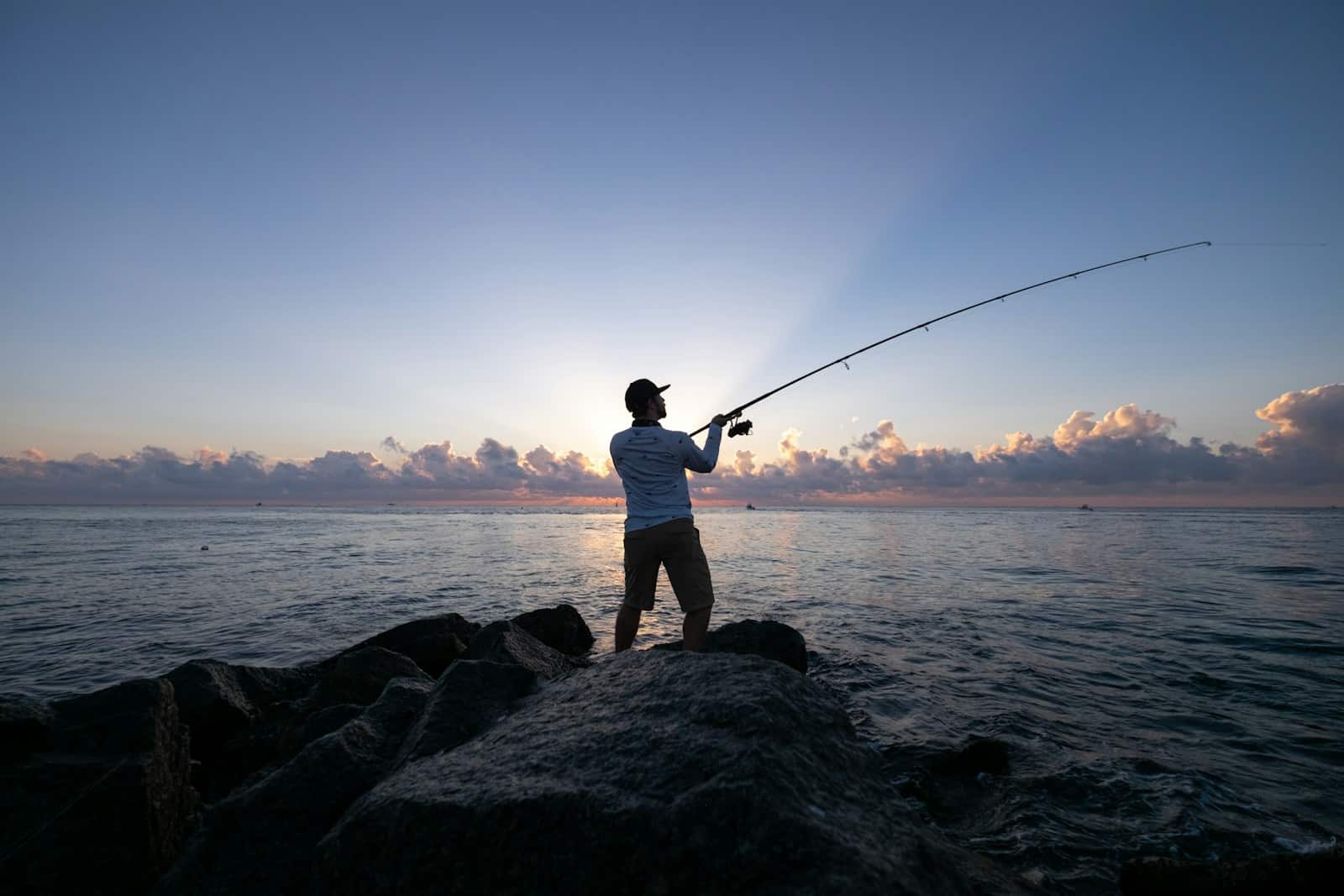
Before talking about carbon or guides, ask yourself just one question: where will you be casting from? From the shore, the rod has to cast a long way and cope with hours of repeated casting. From a boat, it mainly has to work lures vertically and absorb the surge of a fish under the hull.
Spinning from the shore: bass, surface and soft lures
From the shore, the number one target remains bass, fished on points, shingle beaches, breakwaters and estuaries. Stickbaits and poppers are cast on the surface at dawn or dusk, jerkbaits and minnows over rock banks, and soft lures rigged on jigheads to scrape along the breaks. A rod of 2.40 to 2.90 m for spinning (reel under the rod) gains distance, clears the first rocks and helps keep the line out of the backwash. 2.10 m rods remain pleasant in estuaries or from a kayak, where accuracy matters more than range. As for power, a casting range of 7-35 g or 10-40 g covers the vast majority of bass lures, from a 12 cm soft lure to a 25 g stickbait. For surface work, a fairly fast tip lets you "walk the dog" effortlessly; we describe these actions in our selection of surface lures for bass.
From a boat: jig, vertical and madai
From a boat, rods get noticeably shorter. For jigging (a metal jig worked with lifts and drops), a rod of 1.80 to 2.10 m is easy to handle without tiring your back and keeps the fish under control alongside the boat. Power is then expressed in jig grams: light jigging works lures of 40 to 120 g for pollack and bass near the bottom, while a beefier rod handles 150 to 250 g over deep wrecks. Slow jigging calls for softer, more parabolic rods that make the jig flutter on the drop. madai, or tenya (a jighead extended with a skirt and hooks, retrieved slowly near the bottom), calls for a 2.10 to 2.40 m rod with a very sensitive tip to read the subtle bites of sea bream and red porgy. Finally, vertical fishing with soft lures is done with a 1.90 to 2.10 m rod capable of handling a 30 to 80 g head depending on the current. For rigs, see our feature on jig fishing, its techniques and its tackle.
Spinning or casting at sea?
At sea, spinning dominates from the shore: it is more forgiving with crosswinds, light lures and full-power casts without bird's nests. Casting (reel on top of the rod) has its place on a boat, especially for slow jigging and vertical fishing, where your thumb finely controls the drop and winding under load is more positive. If you are torn between the two, our comparison casting or spinning explains the advantages of each setup.
On video: choosing a bass rod for the shore or a boat (TYNILLA : Comme un Rêve de Pêche)
Length, power, casting range and action
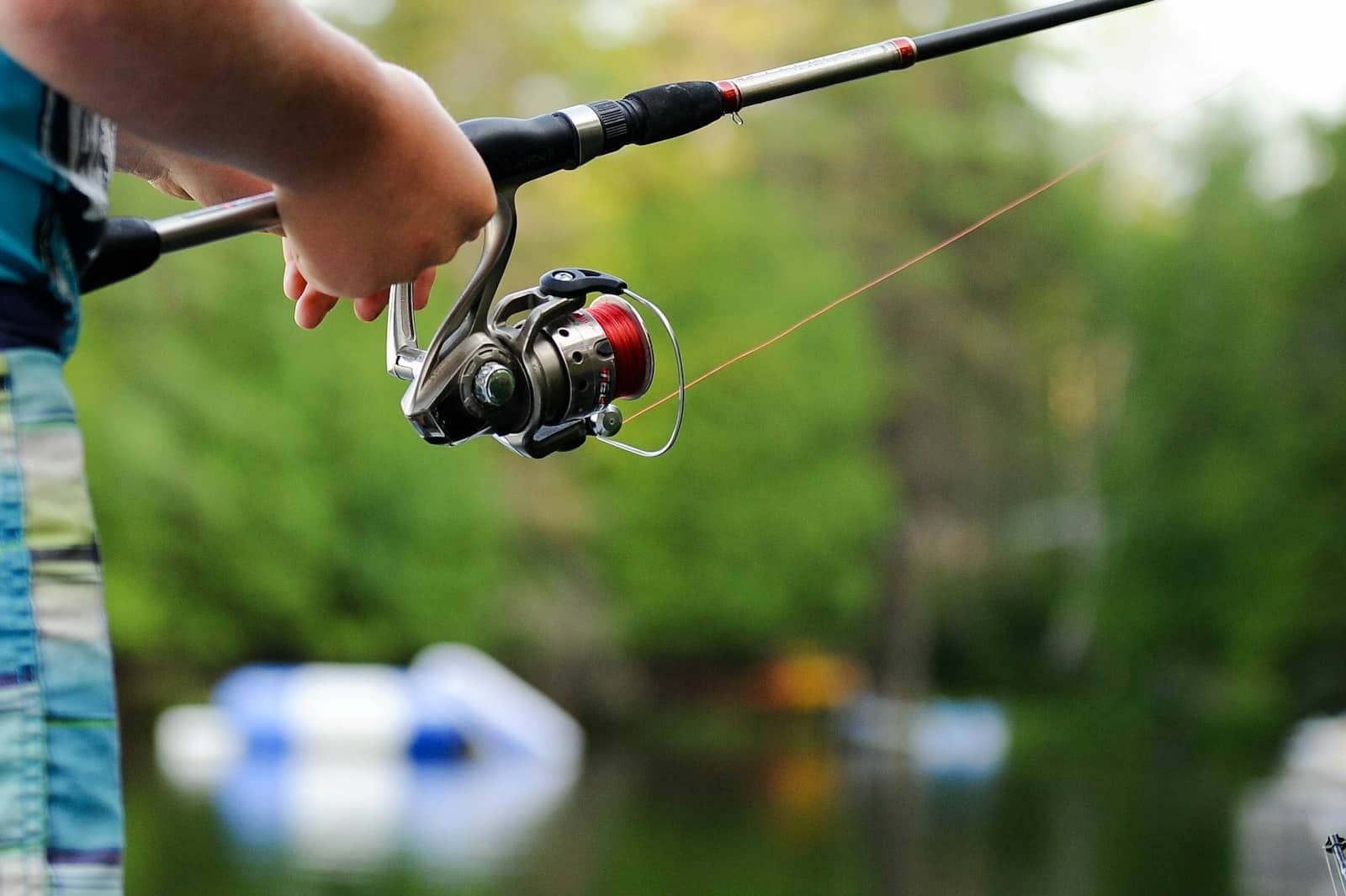
Once your fishing is defined, three figures printed on the rod's butt sort things out: the length, the casting range and, less often stated, the action.
Length: distance versus handling
A longer rod casts further and keeps the braid above obstacles better, but it feels heavier at arm's length and is less accurate under estuary branches or in a cluttered boat. A short rod is crisper, more accurate and gives more control over a fish near the hull. From the shore, think in terms of the spot: 2.40 m for estuaries and small coves, 2.70 m for points and beaches, 2.90 to 3 m for high breakwaters and wide expanses of sand.
Power and casting range
The casting range (for example 10-40 g) indicates the lure weight the rod was designed for. The classic mistake is to choose the rod for the heaviest lure in the box: you end up with a blank that no longer loads with a 15 g soft lure and transmits bites poorly. Aim for a range that puts your most-used lures in the middle. In practice, a rod still casts reasonably a little below its minimum, but going well over the maximum strains the blank and can break it on the cast. On a boat, the range is often expressed in jig grams, and sometimes as a recommended PE (the matching braid size).
Action: fast, semi-parabolic or parabolic
The action describes where the rod bends. A fast action (bending in the top third) transmits the jerky retrieves of jerkbaits and stickbaits well, and sets the hook quickly with soft lures. A semi-parabolic action casts light lures further and absorbs the head shakes of bass near the rocks, which reduces lost fish on treble hooks. Aparabolic action is reserved for slow jigging and madai, where the rod has to go with the lure and the fish rather than bully them. For mixed use from the shore, a fast to semi-parabolic action is the most common compromise.
| Lure fishing | Length | Casting range | Action | Suggested braid |
|---|---|---|---|---|
| Bass in estuaries, kayak | 2.10 – 2.40 m | 5-25 g / 7-28 g | Fast | PE 0.6 – 0.8 |
| Bass from the shore (surface, soft lures) | 2.40 – 2.90 m | 7-35 g / 10-40 g | Fast to semi-parabolic | PE 0.8 – 1.2 |
| Breakwaters, big lures, feeding frenzies | 2.70 – 3.00 m | 20-60 g | Fast | PE 1.2 – 1.5 |
| Vertical with soft lures | 1.90 – 2.10 m | 30-80 g | Fast | PE 0.8 – 1.2 |
| Madai / tenya | 2.10 – 2.40 m | 40-150 g | Parabolic, sensitive tip | PE 0.8 – 1 |
| Light jigging | 1.80 – 2.10 m | 40-120 g | Fast to semi-parabolic | PE 1.2 – 2 |
| Deep jigging, wrecks | 1.70 – 1.90 m | 150-250 g | Semi-parabolic | PE 2 – 3 |
Materials, guides and resistance to salt
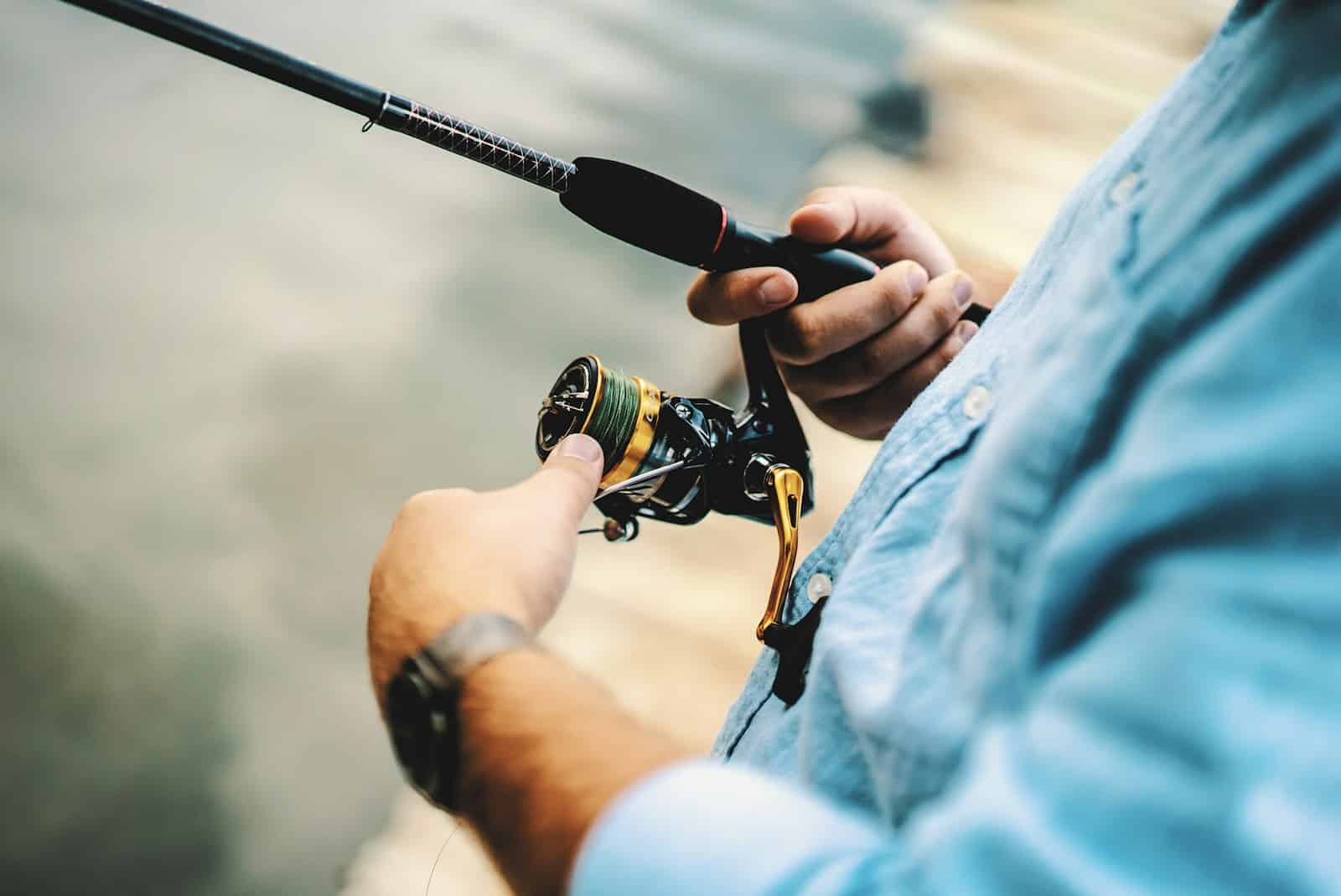
Salt forgives nothing: it eats away at metal, seizes reel seats and attacks whippings. A sea fishing rod should therefore also be judged on its components, not just its blank.
Carbon, composite and fibreglass
The Carbon dominates lure rods: it is light, crisp and transmits lure vibrations and bites well. The higher the modulus, the stiffer and lighter the rod, but also the more fragile it is to knocks (a weight hitting the blank, a rod caught in a car door). Composite blanks (carbon and fibreglass) are tougher and more forgiving, useful for heavy jigging or for a beginner who will lay the rod down on rocks. Pure fibreglass, heavy and slow, is now rarely seen except for trolling or on very cheap rods. For lure fishing at sea, a well-finished medium-modulus carbon remains the best balance of reliability and sensitivity.
Guides, reel seat and finish
Guides are the first weak point at sea. Look for stainless steel frames with anti-corrosion treatment, or even titanium frames at the top end, with hard ceramic inserts (SiC or equivalent) that withstand braid friction without scratching. Tilted guides (K-type) reduce braid tangles when casting in a crosswind, a real plus from the shore. Check the reel seat too: an untreated metal nut will eventually seize. Finally, well-varnished whippings and an EVA or dense composite cork handle stand up better to spray and days in the rain.
Rinse and maintain after every trip
Even the best sea rod ages quickly without maintenance. What matters happens when you get home, before putting your gear away:
- rinse rod and reel with lukewarm fresh water, as a fine spray, with no powerful jet that would push salt into the bearings;
- pay particular attention to the guides, the reel seat and the joints;
- let it air-dry, taken apart, before putting the rod back in its bag;
- regularly check the guide inserts with a cotton bud: a thread that catches signals a crack that will damage the braid.
Reel and braid: a balanced outfit
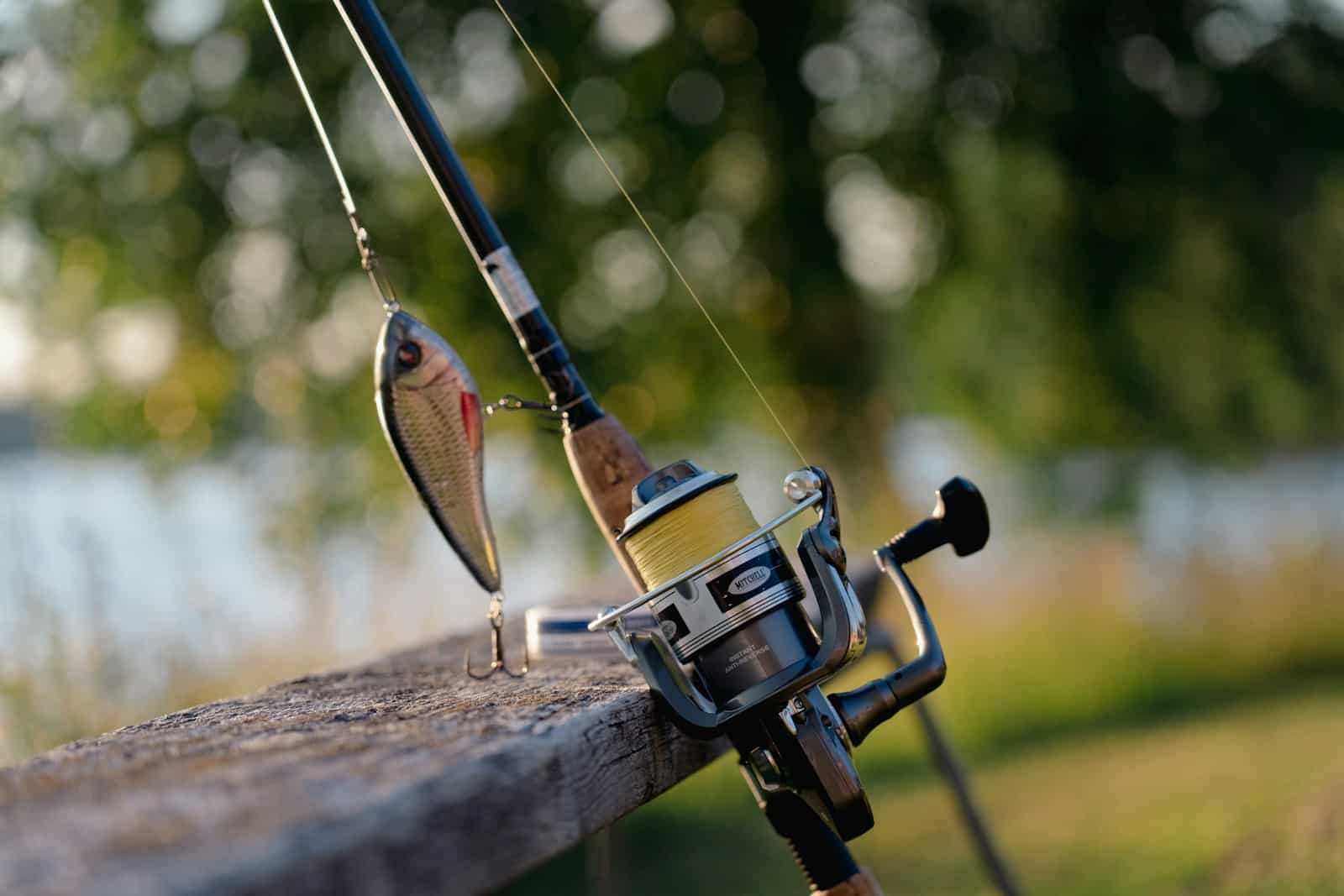
A rod is never judged on its own. A poorly balanced outfit tires the wrist, casts less far and transmits bites less well.
The right reel for the rod
From the shore, a 2.40 to 2.90 m rod is most often paired with a spinning reel in size 3000 to 4000 (depending on the manufacturer), with a long spool that helps distance. For light jigging, move up to size 4000 to 5000 for more capacity and drag power; for deep jigging, go to larger sizes or a baitcasting reel. The practical test is balance: with the reel fitted, the balance point should fall just in front of the reel seat, where your index finger rests. For the sea, choose a reel rated for salt water, with sealed bearings and a waterproof drag, and remember to rinse it like the rod.
Braid and leader
In sea lure fishing, braid is a must: with no stretch, it transmits every bite and flies off the spool on the cast. Its diameter is given in PE, a Japanese rating we explain in our article on the PE rating of a fishing braid. Allow PE 0.8 to 1.2 for bass from the shore, PE 1.2 to 2 for light jigging, more over wrecks. As braid stands up poorly to abrasion from rocks and teeth, it is extended with a 0.30 to 0.45 mm fluorocarbon or nylon leader depending on the spot, joined with a slim knot that passes easily through the guides. Finally, respect the PE recommended on the rod's butt: too strong a braid on a light rod means the blank breaks before the line.
A good rod badly matched fishes badly: it is the combination of rod, reel and braid that delivers distance, sensitivity and a safe fight.
Does the do-it-all rod exist? 2026 budgets
The realistic compromise
A single rod that could cast a 10 g soft lure from a beach and work a 200 g jig over a wreck does not exist. On the other hand, a 2.40 m 10-40 g spinning rod with a fast action, paired with a 3000 to 4000 reel and PE 1 braid, already covers a lot of coastal fishing: bass from the shore and in estuaries, mackerel frenzies, light vertical fishing and even a bit of light jigging from a boat in shallow water. It is the rod we recommend for getting started at sea. Then you add a second rod according to your main style: longer and more powerful for breakwaters, or short and dedicated to jigging for the boat. Multi-piece travel models are also handy for setting off with a single tube, at the cost of a little lost crispness. Surfcasting with bait, for its part, calls for rods of 4 m and more, designed for a completely different use.
What budget should you plan for in 2026?
Prices vary widely depending on length, carbon and components. Here are the ranges commonly seen in 2026 for a sea lure rod, reel not included:
- entry level : expect 40 to 90 €, often low-modulus carbon or composite, with guides that need watching in salt water;
- mid-range : from 100 to 250 €, the best value for regular fishing, with serious anti-corrosion components;
- high end : from 300 to 600 € and more, for very light, sensitive blanks, titanium guides and a careful finish.
Better a well-maintained mid-range rod than a poorly matched high-end model. And before setting off, take a few minutes to check the recreational sea fishing rules (minimum catch sizes, catch marking, quotas) in force in 2026, which change regularly, especially for bass: the current regulations can be checked with the maritime affairs office and the maritime prefecture for your coastline. As for lures, our selection of soft lures for bass will help you fill the box that goes with your new rod.
FAQ: sea fishing rods
Which rod for lure fishing from the shore at sea?
A 2.40 to 2.90 m spinning rod with a casting range of 7-35 g or 10-40 g suits most shore spots: rocky points, beaches, breakwaters and estuaries.
Which sea fishing rod for bass?
For bass on lures, a fast to semi-parabolic rod of 2.40 to 2.70 m, rated 10-40 g, lets you cast stickbaits, jerkbaits and soft lures while absorbing head shakes near the rocks.
What rod length for boat fishing at sea?
From a boat, shorter rods are used: 1.80 to 2.10 m for jigging and vertical fishing, 2.10 to 2.40 m for madai, which needs a longer, more sensitive tip.
Can you use a freshwater rod at sea?
Yes, occasionally, if its power suits the lures used. But its guides and reel seat are not always treated against corrosion: a thorough freshwater rinse after every trip is then essential.
How much does a good sea fishing rod cost in 2026?
In 2026, expect to pay generally 40 to 90 € at entry level, 100 to 250 € mid-range and 300 to 600 € or more at the high end, reel not included.
And you, which rod do you take for lure fishing at sea? Feel free to share your favourite setups with us in the comments.


