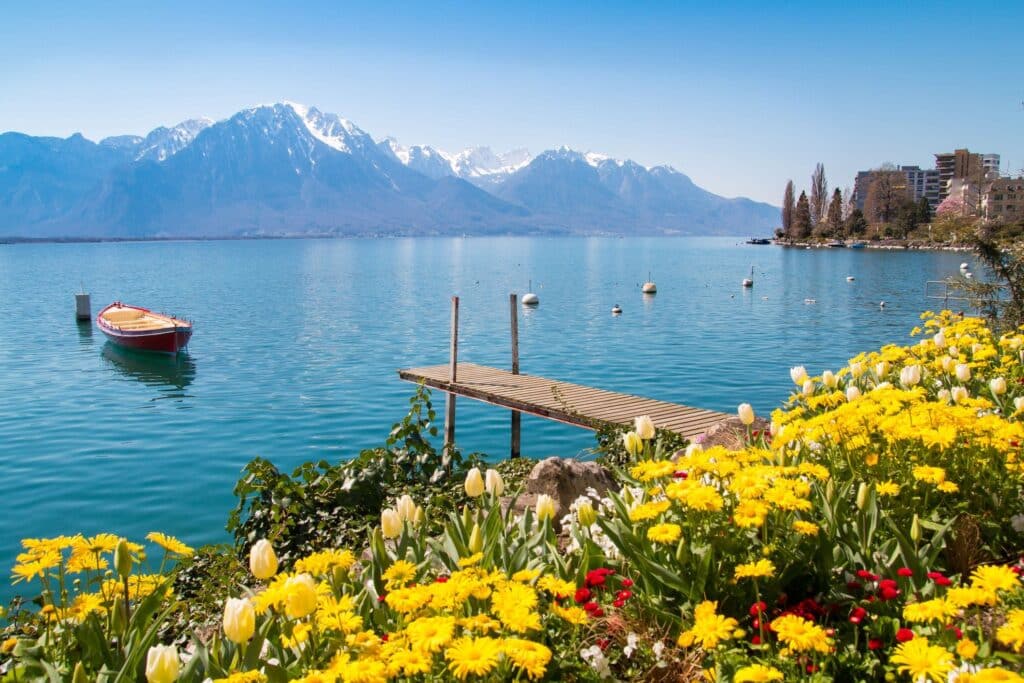
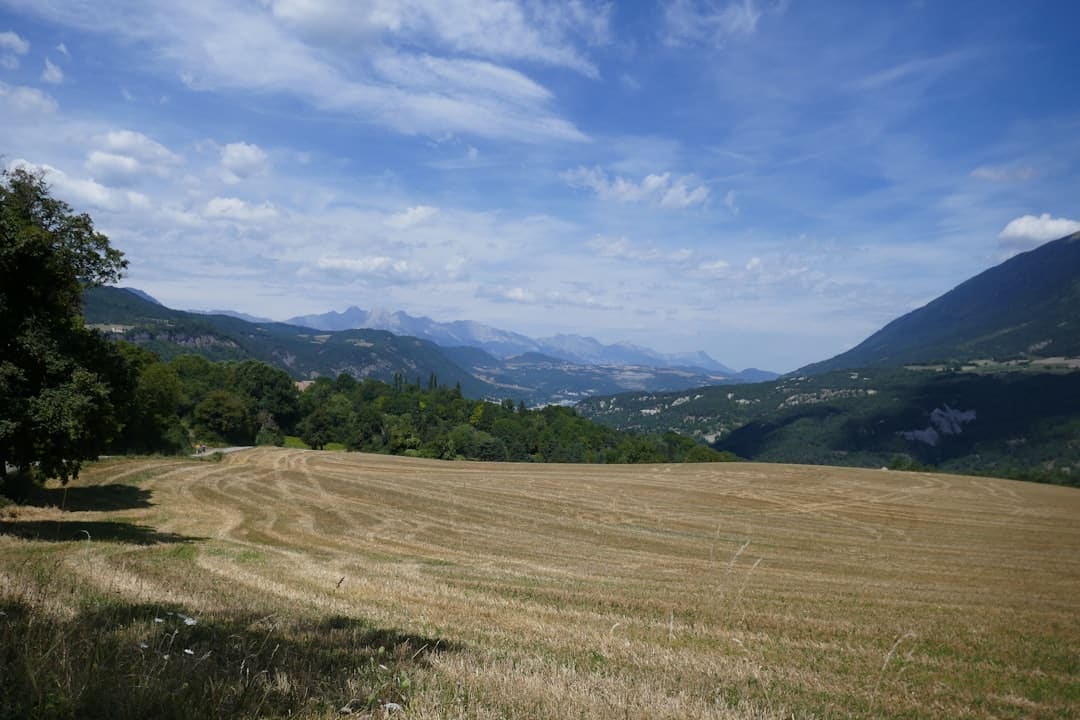
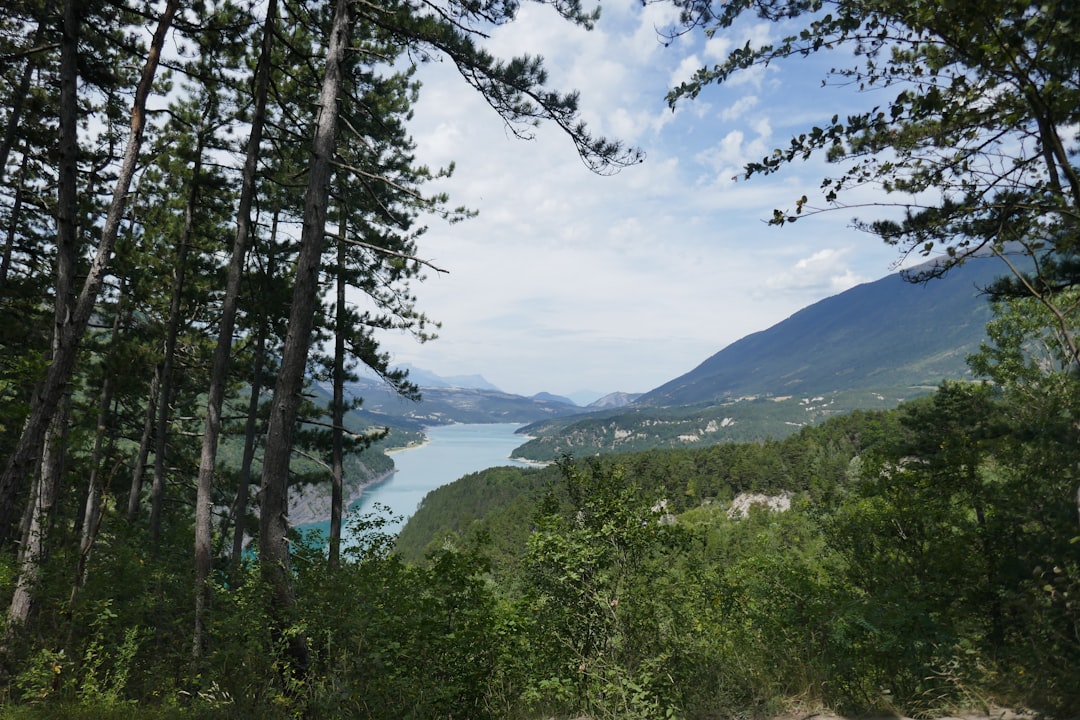
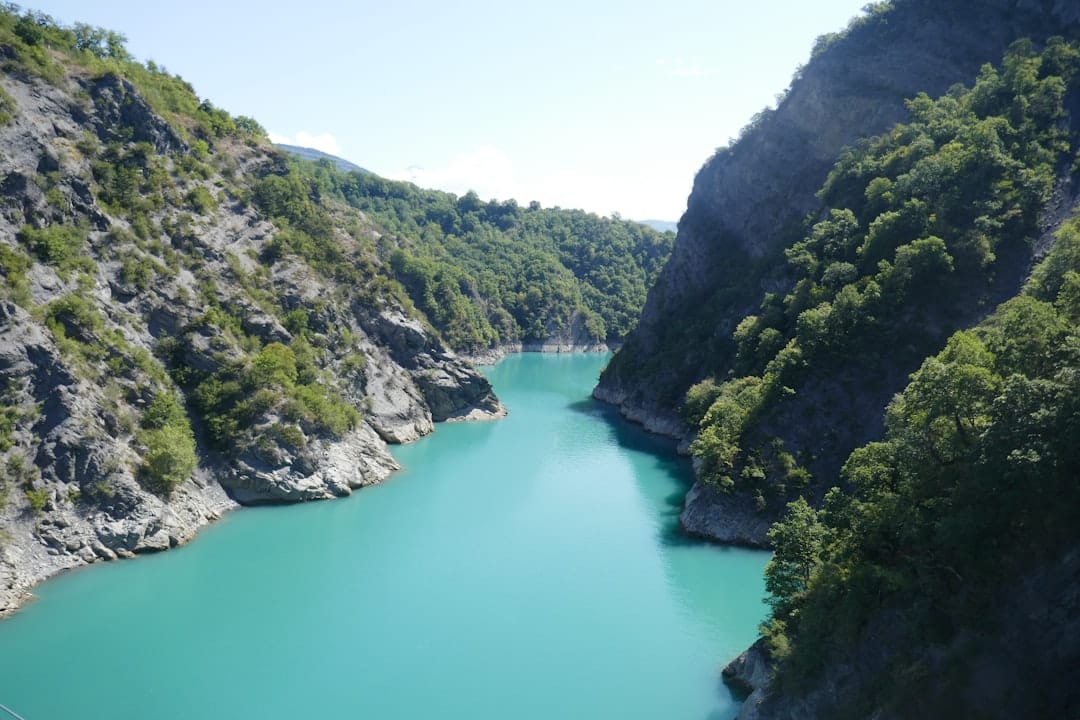
Nestled in the heart of Isère, some thirty kilometres south of Grenoble, Lake Monteynard is one of those waters that set lure anglers' hearts racing. With its turquoise water fed by the Drac and the Ebron, its plunging cliffs and its now-famous Himalayan footbridges, this reservoir offers an exceptional playground for chasing predators in a grand Alpine setting.
We've been lucky enough to fish this water several times, from the bank and in a float tube, and here we share everything you need to know: the history of the dam, the species present, the lure techniques that work, access, weather, accommodation and even a few walking ideas for scouting the best swims. Follow the guide!
History and features of Lake Monteynard
Lake Monteynard, officially called Lake Monteynard-Avignonet, is a man-made lake created by building a hydroelectric dam on the Drac, commissioned by EDF in 1962. Standing 135 metres high, the dam flooded part of the Drac and Ebron gorges to create a reservoir of about 10 km² stretching nearly 10 kilometres long. Lying at around 480 metres above sea level, the lake is more than 100 metres deep in places and holds about 275 million cubic metres of water. For us lure anglers, these features are essential: the reservoir is subject to sometimes significant drawdown linked to hydroelectric operations, which regularly changes the swims and forces you to adapt constantly. The steep banks, the old submerged gorges and the confluences of the Drac and the Ebron are all natural features where predators hold. It's a deep lake, clear most of the time, that calls for careful reading of the water and gear suited to fishing at great depth.
Which fish to target at Lake Monteynard?
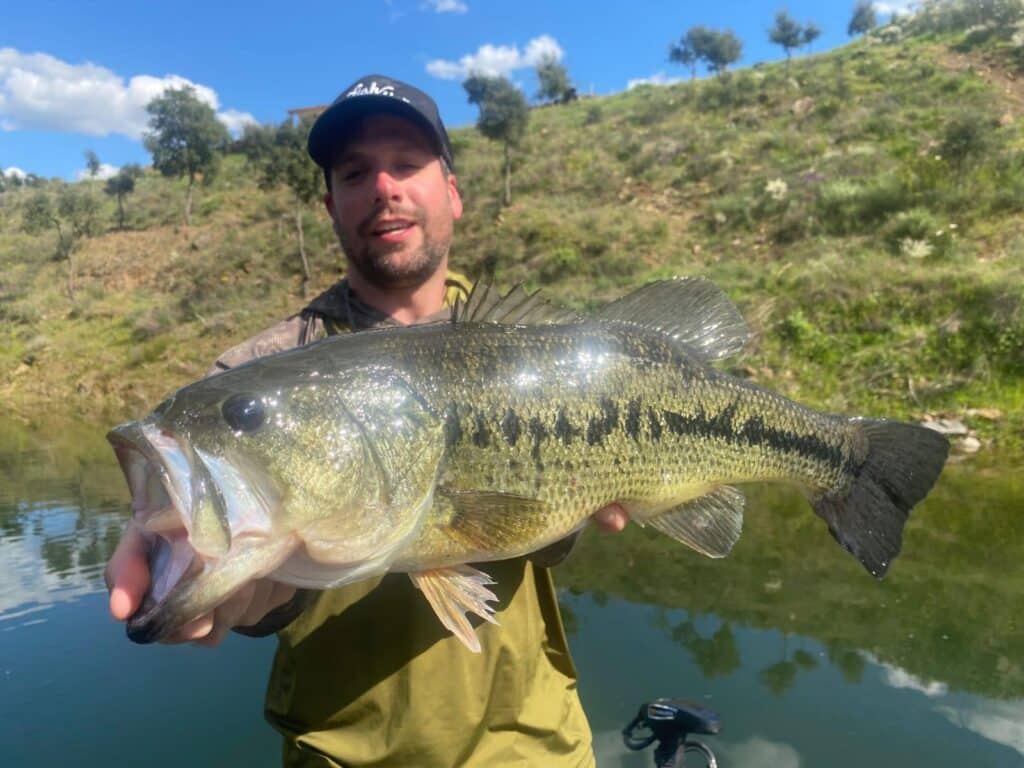
When it comes to predators, this water has plenty to offer. Pike are well established, with fine specimens hunting along the drop-offs and in the shallower margins, especially towards the upper ends of the lake. Zander are the star species here: the depth, the water sometimes coloured after Drac floods and the rugged bottom suit them perfectly. Perch are also abundant, often in active shoals around rocky structure and submerged trees. There are also lake trout, a legacy of the Drac's salmonid character, cruising open water in pursuit of baitfish shoals. As for bottom-dwelling and coarse fish, roach, bleak, chub, barbel and carp complete the picture and provide a substantial larder for the predators.
For zander, vertical jigging is without doubt the most effective technique: a 7 to 12 cm soft lure on a 10 to 20 g jighead, worked slowly over the drop-offs between 10 and 25 metres, works wonders from autumn to spring. The drop-shot is also deadly on finicky fish. For pike, we favour big soft shads, swimbaits and chatterbaits, searching along the margins in spring and early summer; for this kind of powerful fishing, a good dedicated pike casting rod makes all the difference. Perch respond very well to small soft lures on the drop-shot, crankbaits over rocky plateaus and vertical micro-jigs when they're sitting deep; feel free to check out our article on Megabass gear if you're looking for a sensitive rod for these finesse techniques. Finally, lake trout can be tempted with a hard jerkbait or a wobbling spoon early in the season, near cold-water inflows.
The site is home to interesting birdlife: great crested grebes, grey herons, cormorants and black kites regularly fly over the reservoir. Watch the cormorants and birds working the surface: they often give away shoals of baitfish, and therefore active predators below. The bankside vegetation, made up of pines, box and scrub that is submerged at high water, indicates pike and perch swims when the level rises in spring. The dead drowned trees in the upper arms are real fish magnets.
How to get to the lake
From Grenoble, allow about 40 minutes via the N85 (Route Napoléon) and then the departmental roads to the lakeside villages: Treffort, Savel, Mayres-Savel, Monteynard and Avignonet. The main access points are the Treffort watersports centre (Ebron beach) and Savel beach, both with car parks that are free or paying in high season. For launching a boat, the Treffort slipway is the most practical; be aware, however, that petrol-engined boating is regulated on the reservoir, so check before you go. Float tubes and kayaks are excellent options here, with easy launching from the Treffort and Savel beaches. By public transport, departmental coach lines link Grenoble to the villages of the Matheysin plateau, but a vehicle is strongly recommended to carry your gear and reach the different swims.
Map of the lake
Weather and fishing conditions
The climate is temperate mountain: cold winters and hot but often windy summers. The lake is in fact renowned for its regular thermal wind, which makes it a favourite with windsurfers and kitesurfers, a factor you absolutely must build into your fishing trips, especially in a float tube. The water drops to around 5 to 7°C in winter, rises to 12-15°C in spring and can exceed 22°C at the surface in summer, while the deep layers stay cool. For lures, the best windows are early in the morning before the thermal wind gets up, and on overcast days with stable or slightly falling pressure. A light breeze rippling the surface often triggers perch and pike feeding along the margins; conversely, foehn winds and big pressure swings markedly slow activity. In summer, go for deep vertical jigging for zander; in spring and autumn, margin fishing with soft lures and chatterbaits gives the best results. Take care over your rigging: a well-tied braid-to-reel knot and a reliable braid-to-fluorocarbon connection will save you plenty of disappointment with the big fish of this lake.
What to do at Lake Monteynard?
Lure fishing obviously tops our recommendations: zander on the vertical, pike on big soft lures, perch on the drop-shot – there's plenty on the menu. But the site is also a major tourist destination in Isère. Swimming is lifeguarded in summer at the Treffort and Savel beaches, and board-sports fans make the most of the thermal wind for windsurfing and kitesurfing. Paddleboards and kayaks let you explore the Drac and Ebron gorges, reachable only by water, a breathtaking sight. The famous Himalayan footbridges, suspended above the lake, draw thousands of visitors every year. Mountain bikers will also find fine routes on the Matheysin plateau and around the reservoir.
As for swims, several areas deserve your attention. From the bank, the rocky points near Savel and the margins accessible from Treffort let you cast onto fast drop-offs patrolled by perch and zander. From a boat or float tube, the confluences of the Ebron and the Drac, the upper arms with their drowned trees and the steep drop-offs below the footbridges are prime areas. A fish finder is almost essential on this deep water to locate baitfish and suspended fish: look for balls of bleak between 8 and 20 metres, the predators are never far away.
Hiking and scouting swims around the lake
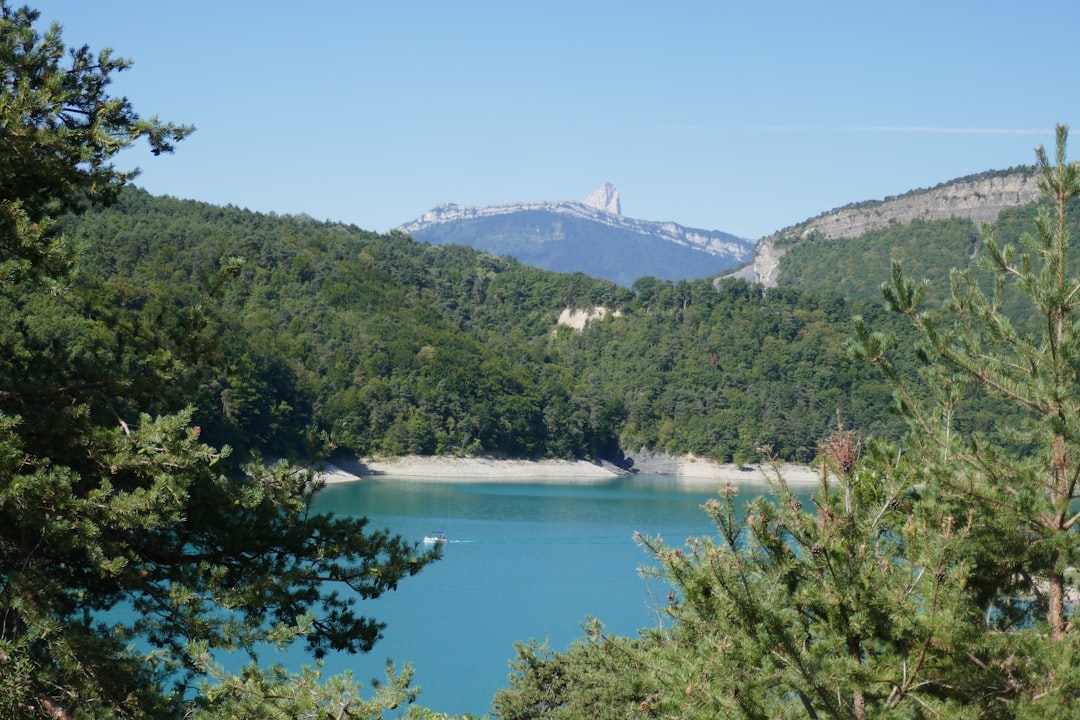
Walking around the reservoir is an excellent way to scout swims from above, especially at low water when submerged structure is revealed. The Himalayan footbridges loop (about 14 km, 4 to 5 hours, moderate) starting from the Les Mas car park in Treffort takes you across the Drac and the Ebron on two spectacular footbridges: make the most of it to photograph the drop-offs, points and drowned trees you'll fish afterwards. The trail from Savel to Mayres-Savel (about 6 km return, 2 hours, easy) follows the west bank and reveals several discreet bank access points, perfect for fishing zander with soft lures at dusk. Finally, the dam viewpoint on the Monteynard side (short loop of about 3 km, 1 hour, easy) offers a view down over the lower, deepest part of the lake: an ideal vantage point for understanding the topography before a vertical session.
Where to stay and eat?
To get around efficiently, nothing beats a campsite on Lake Monteynard right by the water. The Savel campsite and the Treffort leisure-centre campsite are the two most practical options for anglers: pitches close to the slipways, mobile homes and decent facilities. Note that night carp fishing is only allowed on certain stretches designated by the Isère angling federation, so check the current regulations before planning a night session. Gîtes and B&Bs are available in the villages of Treffort, Mayres-Savel and Monteynard and on the Matheysin plateau, often with somewhere to store your gear. As for food, you'll find snack bars and seasonal restaurants on the Treffort and Savel beaches, as well as good restaurants in La Mure, about fifteen minutes away, which also hosts a weekly market ideal for stocking up on local produce between sessions.
FAQ – your questions about Lake Monteynard
How do you fish for perch with soft lures?
On this water we recommend 5 to 8 cm soft lures (finesse baits, creatures or small shads) rigged on the drop-shot or on a light 3 to 7 g jighead. Work the rocky points, submerged trees and drop-offs between 3 and 12 metres with slow retrieves punctuated by pauses: the lake's perch respond very well to these finesse techniques, especially in late summer and autumn.
Are there zander in Lake Monteynard?
Yes, zander are one of the reservoir's flagship predators and some specimens exceed 80 cm. Vertical jigging with soft lures over 10 to 25 metre depths is the most productive technique, particularly from autumn to spring along the old Drac and Ebron gorges.
Is the lake suitable for a family fishing trip?
Absolutely: the Treffort and Savel beaches offer lifeguarded swimming in summer, paddleboard and kayak hire, snack bars and picnic areas, while the anglers work their lures along the nearby margins. Children can even try their hand at perch fishing with soft lures from the accessible areas, in a safe and magnificent setting.
Is the lake a good spot for carp fishing?
Carp are well established in the reservoir, with nice fish frequenting the upper arms and the shallower plateaus. Night fishing, however, is only allowed on the stretches designated by the Isère angling federation, and the significant drawdown means choosing your swims carefully: check the local regulations before your session.
Can you fish this lake in winter?
Yes, fishing for perch and coarse fish remains open all year, and winter is even an excellent time for vertical jigging for perch sitting deep. Be careful, however: pike and zander are protected by the specific predator closed season, so check the dates in force in the Isère prefectoral order before targeting these species.
When is the pike close season?
In France, the pike closed season generally runs from the last Sunday in January to the last Saturday in April inclusive, during which fishing for pike is prohibited, including with lures likely to catch it. As exact dates can vary according to prefectoral orders, check the Isère angling federation's regulations every year before planning your trip to the reservoir.