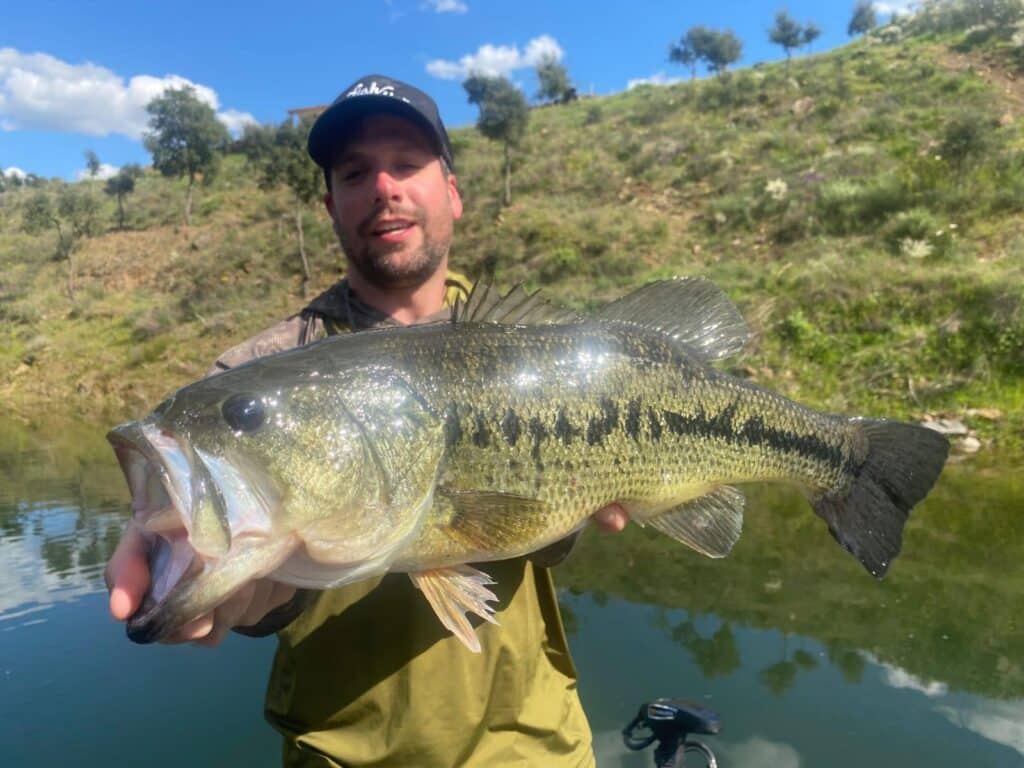
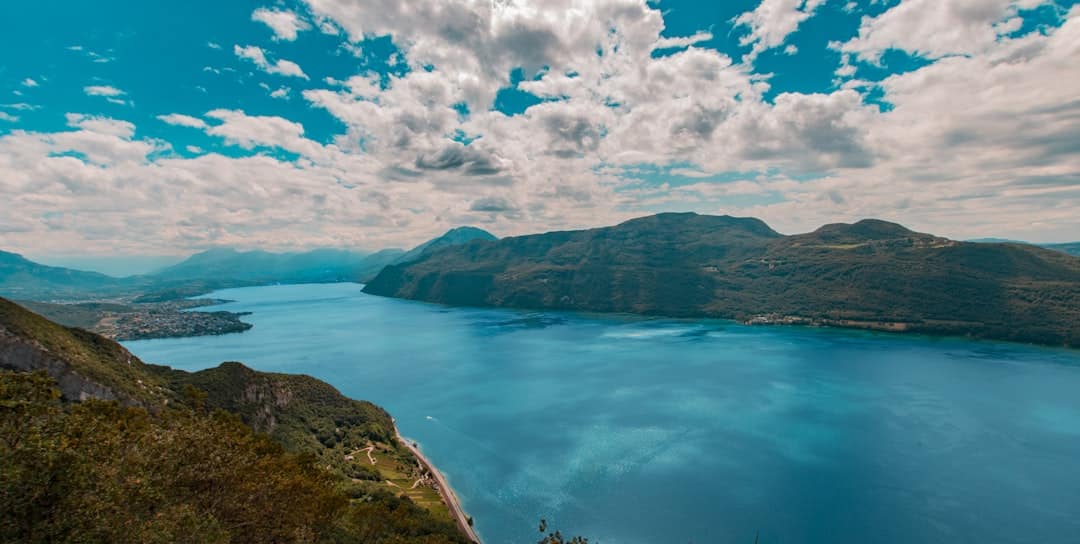
Nestled between the Épine and Bauges massifs, in Savoie, Lake Bourget is quite simply the largest natural lake of glacial origin lying entirely within France. For us lure anglers, this alpine giant is an exceptional playground: trophy pike, shoals of perch, Arctic char in the depths and even a few surprises in the form of wels catfish. Suffice to say that a session here never leaves you indifferent.
In this article, we take you to discover this legendary lake from the angle we love most: lure fishing. The history of the lake, the species present, the techniques to favour by season, access, weather, accommodation and even a Lac du Bourget campsite to plan your stay: we have gathered everything you need to know before setting up your spinning rod at the water’s edge.
History and features of Lake Bourget
Unlike many of the spots we feature on Rodmaps, Lake Bourget is not a reservoir: it formed around 19,000 years ago, when the Quaternary glaciers retreated. With a surface area of 44.5 km², a length of 18 km, a maximum depth of about 145 metres and a colossal volume of 3.6 billion m³, it is the largest natural lake located entirely in France. Sitting at 231 metres above sea level, it borders the towns of Aix-les-Bains and Le Bourget-du-Lac, and drains into the Rhône via the Canal de Savières. Immortalised by Lamartine in his poem “Le Lac”, this lake long supported generations of professional fishermen, notably thanks to the lavaret whitefish and the Arctic char. Today, water quality has improved markedly after the clean-up efforts of the 1970s and 1980s, and the predator population is all the better for it. For us, this means varied habitats: beines (littoral shelves), sheer drop-offs, Natura 2000 reed beds and dense weed beds, all structures our lures love to work.
Which fish can you catch at Lake Bourget?
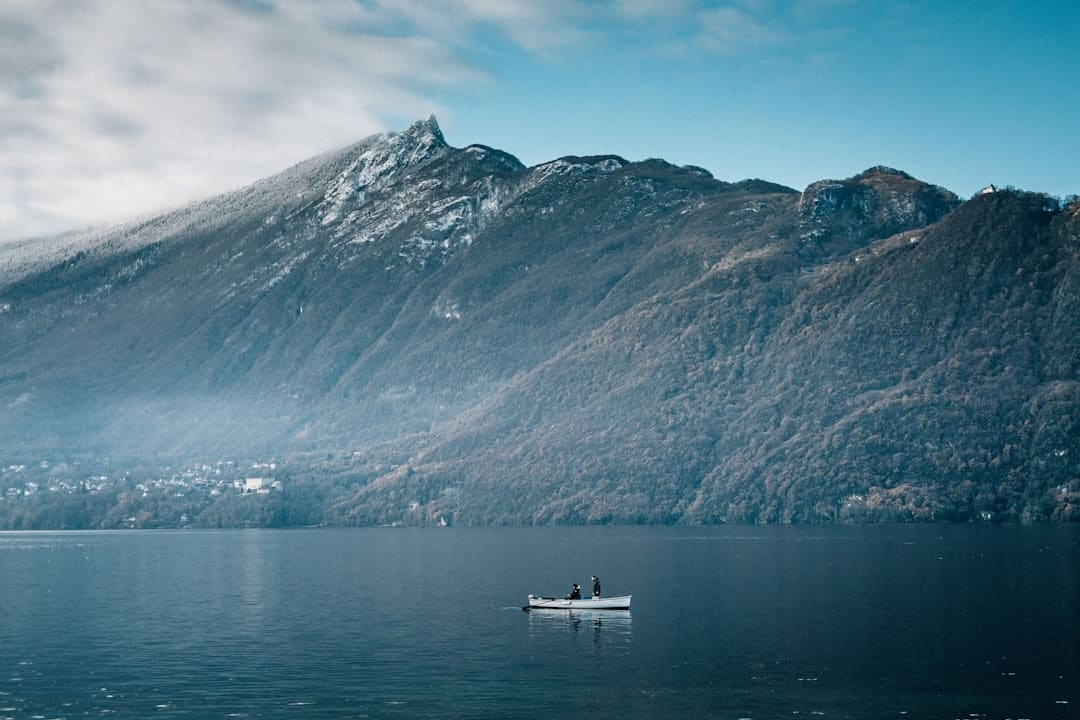
The fish population here is unusually rich. Among the predators, the pike is the undisputed star: specimens regularly exceeding a metre, or even 1.20 metres, are caught every year along the reed beds and drop-offs. Perch are everywhere, with superb stripeys hunting in shoals on the beines, and zander have colonised the deep areas, where they offer great vertical-jigging sessions. Wels catfish are now well established, with fish of more than two metres recorded. There are also Arctic char and lacustrine brown trout for salmonid enthusiasts, as well as the famous lavaret whitefish. As for coarse and bottom-dwelling species: roach, bream, tench, carp and burbot complete a larder that explains the impressive growth of the local predators.
For pike, we favour big soft lures shads of 15 to 25 cm on a steady retrieve along the drop-offs, as well as swimbaits and spinnerbaits along the reed beds in spring and autumn. Watch the dates: see our article on the predator fishing season opening before planning your session. For zander, vertical jigging with soft lures over areas of 15 to 35 metres is deadly from late autumn into winter, while a bottom-scraping steady retrieve works well early in the season. Perch are caught on the drop-shot, small crankbaits and spintails on the beines and around structure (pontoons, buoys, weed beds), especially in summer when feeding frenzies erupt at the surface. As for salmonids, slow trolling and casting wobbling spoons or finesse soft lures deep remain the safe bets.
The lake is also home to remarkable birdlife: great crested grebes, herons, goosanders and cormorants. Watching these fish-eating birds is an excellent indicator: where they dive, baitfish are present, and predators are rarely far away. Likewise, the vast reed beds in the south of the lake and the pondweed beds signal favourite pike hunting grounds: look for clean edges between vegetation and open water, they are motorways for attacks.
How to get to the lake
Access is very easy by car: the A41 motorway (Aix-les-Bains exit) and the N201 lead straight to the shores. Many free or paying car parks line the circuit of the lake, notably at Le Bourget-du-Lac, Aix-les-Bains (Grand Port and Petit Port), Brison-Saint-Innocent and Chindrieux. For boat anglers, several slipways are available: the Grand Port at Aix-les-Bains, the port of Le Bourget-du-Lac and Châtillon at Chindrieux. Float tubes and kayaks can easily be launched from the public beaches outside the summer season, while keeping an eye on regulated areas and boat traffic. By public transport, Aix-les-Bains-Le Revard SNCF station is a ten-minute walk from the shore, making it one of the most accessible large alpine lakes without a car: handy for a bank session with a light bag and a well-thought-out lure box.
Map of the lake
Weather and fishing conditions
The climate is semi-continental with a mountain influence: cold winters, hot summers and frequent storms between seasons. The water drops to around 5–7°C in winter, rises to 12–15°C in spring, reaches 22–25°C at the surface in summer, then gradually cools in autumn. For lure fishing, the best windows are in spring and autumn, when predators hunt actively on the beines. Beware of the wind: the “traverse” and the south wind can quickly whip up big waves, dangerous in a float tube. A light wind rippling the surface and stable or gently falling atmospheric pressure are our favourite conditions: perch and pike are then far more willing to bite. In high summer, favour the morning and evening bite windows, or go down after the fish with vertical jigging in the cooler water layers.
What to do at Lake Bourget?
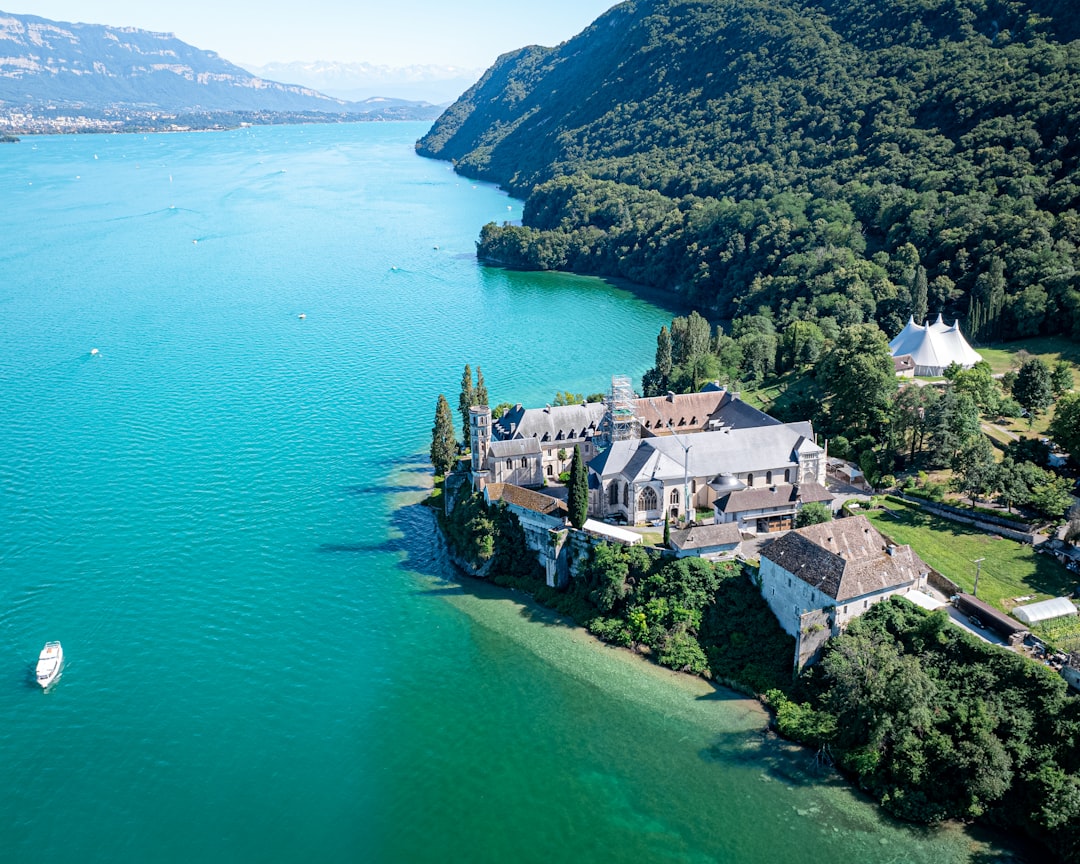
Lure fishing is obviously our number one activity here: from the bank, by boat, float tube or kayak, the possibilities are endless between reed beds, drop-offs and plateaus. But the site also has plenty to keep the whole family busy: swimming on the beaches at Aix-les-Bains, Le Bourget-du-Lac or Châtillon, paddleboarding and kayaking on the turquoise water, sailing, diving, and superb mountain bike and road cycling routes, including the cycle route along the east shore. The thermal baths of Aix-les-Bains and Hautecombe Abbey, reachable by boat, complete the picture for non-fishing days… if there are any.
When it comes to swims, several sectors deserve your attention. From the bank: the riprap at Brison-Saint-Innocent for perch on the drop-shot, the surroundings of the Canal de Savières in the north for pike and wels catfish, and the Grand Port pontoons for summer feeding frenzies. By boat, concentrate on the southern beine near the reed beds of Le Bourget-du-Lac, the drop-offs of the west shore below the Dent du Chat (zander by vertical jigging) and the drop-offs between 10 and 25 metres where the fish finder reveals bait balls. A golden rule here: find the lavaret and the roach, and you will find the predators.
Hiking and scouting swims around the lake
Walking around the lake is also an excellent way to spot swims that cannot be seen from the water. The shoreline path between Aix-les-Bains and Brison-Saint-Innocent (about 8 km return, 2h30, easy) follows the east shore and lets you observe riprap, submerged trees and weed bed edges where perch can be targeted. The climb to La Chambotte (6 km, 2 hours, moderate, about 400 m of ascent) offers an exceptional panorama: in clear water, you can easily make out the beines, the drop-offs and the changes in colour that betray changes in depth — take photos, they are worth any bathymetric chart. Finally, the Chautagne marsh loop in the north (10 km, 3 hours, easy) crosses the wetlands where pike come to spawn in spring: locating these spawning grounds will show you the fish’s movement routes early in the season.
Where to stay and eat?
For a fishing trip, a Lac du Bourget campsite is the ideal option: several sites border the shores directly, notably at Le Bourget-du-Lac, Brison-Saint-Innocent and Chindrieux, some with direct access to the water, handy for launching the float tube at dawn. Note, however, that night fishing for predators is not allowed here: plan your sessions around the morning and evening bite windows. For more comfort, gîtes and bed and breakfasts abound in the surrounding villages, and the hotels of Aix-les-Bains suit family stays. For food, don’t leave without tasting lavaret fillets or perch meunière in the restaurants of the Grand Port or Le Bourget-du-Lac. The markets of Aix-les-Bains (Wednesday and Saturday) and Chambéry are full of Savoyard produce: cheeses, charcuterie and Savoie wines, perfect for a picnic between two drifts.
FAQ – your questions about Lake Bourget
Can you use a boat or a float tube?
Yes, boating is allowed and several slipways are available at the Grand Port of Aix-les-Bains, Le Bourget-du-Lac and Chindrieux. Float tubes are also permitted, but we recommend the utmost caution in a south or traverse wind, which can quickly whip up big waves on this vast lake.
Is night fishing allowed on the lake?
No, night fishing for predators is not allowed on Lake Bourget: fishing is permitted from half an hour before sunrise to half an hour after sunset. So focus your lure sessions on the morning and evening bite windows, which are in any case the most productive slots for pike and perch.
What are the lake's fishing records?
The lake regularly produces pike of more than 1.20 metres, and specimens of over 15 kg have already been caught. Wels catfish of more than two metres have also been recorded in recent years, making it one of the most promising alpine lakes for trophy anglers using lures.
Is swimming allowed at Lake Bourget?
Yes, swimming is allowed and lifeguarded in summer on several beaches, notably at Aix-les-Bains, Le Bourget-du-Lac and Châtillon. The water quality, excellent since the clean-up operations, makes it one of the most pleasant large lakes for cooling off between two fishing sessions.
Are there zander in Lake Bourget?
Yes, zander are well established and their population has grown over recent decades, mainly in the deep areas and on the drop-offs of 15 to 35 metres. The best periods to target them run from autumn into winter, when the fish group near the bait balls visible on the fish finder.
Which technique works best for zander in lakes?
Vertical jigging with a soft lure on a 10 to 30 gram jighead is the go-to technique in the lake’s great depths, drifting slowly over the drop-offs. Early in the season or in warmer water, a bottom-scraping steady retrieve on the beines and a heavy drop-shot also give excellent results on this wary predator.