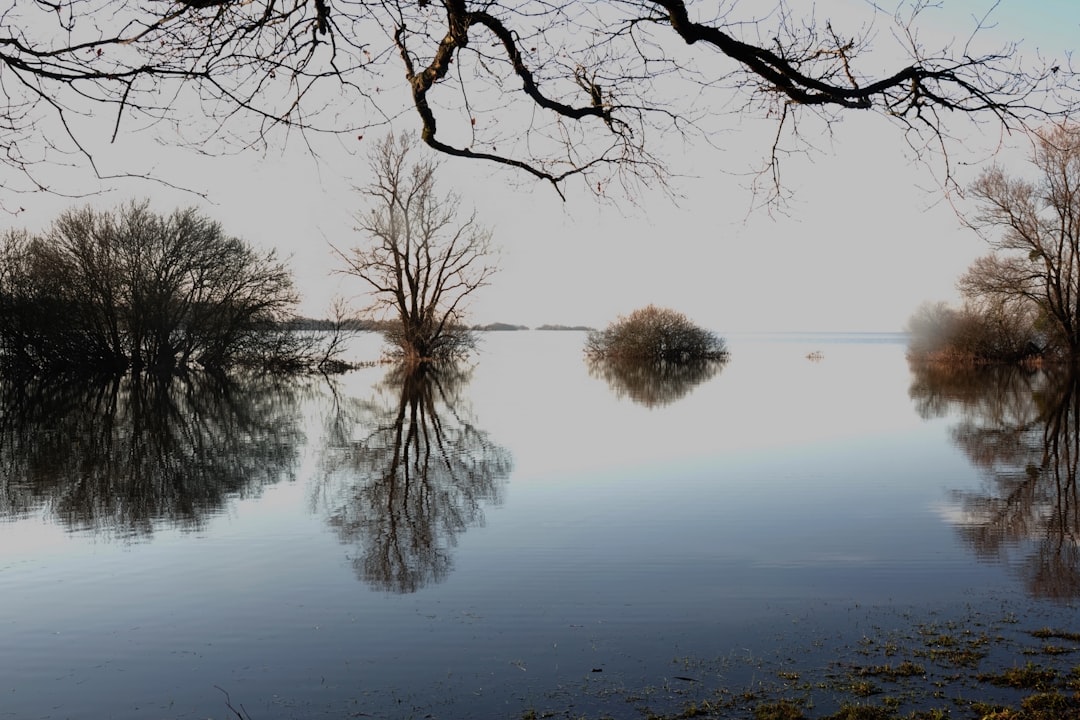
Some twenty kilometres south of Nantes, in Loire-Atlantique, lies one of the most mysterious bodies of water in France: Lake Grand Lieu. The largest natural lowland lake in the country in winter, this ecological gem, classified as a national nature reserve, fascinates birdwatchers and anglers alike. And for good reason: its shallow waters, carpeted with water lilies and fringed by vast reed beds, are home to a quite exceptional population of predators, headed by pike of dream-worthy proportions.
A word of warning, though: here you cannot fish just anywhere, or in just any way. The regulations are strict and access to the lake itself is tightly controlled. In this article, we explain the history of this extraordinary lake, the species that live in it, the lure techniques to favour on the authorised sectors and around the edges (the Acheneau, the canals, the Boulogne and the Ognon), along with all the practical advice you need to plan your session: access, weather, accommodation and finding the best swims.
History and features of Lake Grand Lieu
Unlike many French lakes, Lake Grand Lieu is not a reservoir: it is an entirely natural lake, the remnant of an ancient sea gulf formed several thousand years ago. What makes it special? Its surface area varies enormously with the seasons: around 3,500 hectares of open water in summer, but up to 6,300 hectares in winter when the floodplain meadows fill up, making it the largest natural lowland lake in France at that time of year. Lying just 2 metres above sea level, it is remarkably shallow: 1 to 2 metres on average in summer, rarely more than 4 metres in winter. Fed by the Ognon and the Boulogne, it drains into the Loire via the Acheneau. Classified as a national nature reserve since 1980, it was long owned by the perfumer Jean-Pierre Guerlain, who donated it to the State. As for fishing, the lake has historically been worked by professional fishermen based in the village of Passay, the last community of professional freshwater fishermen in the region, who catch eels, zander, pike and coarse fish using traditional methods. For us amateur lure anglers, the action happens on the authorised peripheral areas and the connected watercourses: and believe us, the fish passing through there are well worth the trip.
Which fish can you catch at Lake Grand Lieu?
The fish population of this lake is one of the richest in western France. Pike reign supreme: the shallow, warm, weed-choked waters make an ideal spawning habitat, and specimens over a metre long are not unusual in the professionals' catches. Zander are also well established, especially in the slightly deeper areas and in the Acheneau, as are perch, which hunt in shoals along the edges of the reed beds. The eel, the historic emblem of Passay, completes the line-up of predators, while the muddy bottom teems with coarse fish: bream, roach, rudd, carp and tench, an inexhaustible larder that explains the impressive growth of the local predators.
In terms of technique, on the sectors open to recreational fishing (the Acheneau, the Boulogne, the Ognon and the surrounding canals), we favour approaches suited to shallow water. For pike, the spinnerbait is a deadly weapon for working through weed beds without snagging, as are Texas-rigged soft lures and shallow-diving crankbaits fished just above the vegetation. Spring and autumn are the prime periods, with fish holding along the edges of the water lilies and at the confluences. For zander, we rely on soft lures retrieved slowly or fished on the drop-shot in the deeper holes of the Acheneau, ideally early in the morning or late in the day in coloured water. Perch respond very well to small 5 to 7 cm shads and micro-crankbaits worked along the posts and snaggy banks.
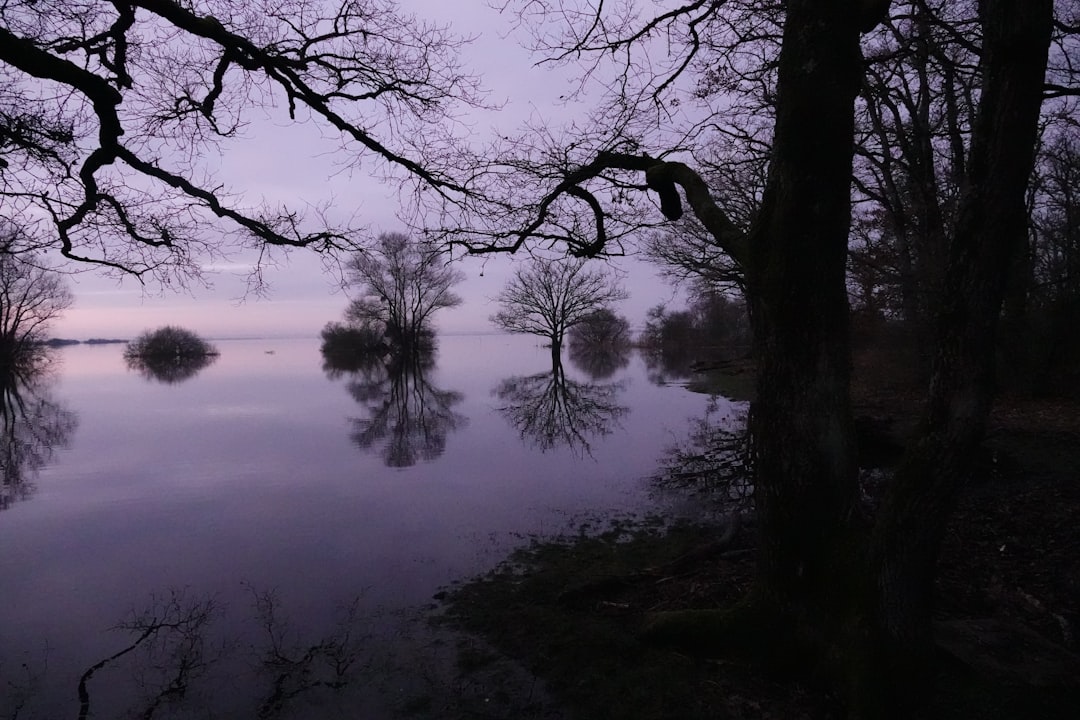
The birdlife here is a valuable ally for the observant angler. Grand-Lieu hosts the largest grey heron colony in Europe, as well as spoonbills, terns and thousands of ducks: when herons and grebes gather in one area, it means baitfish are plentiful there, and the predators are never far away. As for vegetation, the water-lily beds (up to 300 hectares of floating macrophytes!), the reed beds and the water primrose form natural margins: these edges between vegetation and open water are the number one spots for pike and should be fished systematically.
How to get to the lake
By car, allow around 25 minutes from Nantes via the D178 or the D65 to reach the lakeside towns: Saint-Philbert-de-Grand-Lieu, La Chevrolière (with its village of Passay), Bouaye and Saint-Aignan-Grandlieu. Free car parks are available at the Maison des Pêcheurs in Passay, at the observatory of the Lake Grand Lieu visitor centre (the Maison du Lac in Bouaye, an unmissable information and discovery centre) and at the port of Saint-Philbert. A key point to remember: recreational boating is prohibited on the lake itself, as it is a nature reserve. So no personal boat or float tube on the central body of water. On the other hand, the Acheneau, the Boulogne and the Ognon offer good bank fishing and, on some stretches, fishing from a small craft: check with the local AAPPMA and the Loire-Atlantique Fishing Federation before launching. By public transport, the Aléop bus line connects Nantes with Saint-Philbert-de-Grand-Lieu, and Bouaye station (TER Nantes–Pornic line) is a few kilometres from the shore.
Map of the lake
Weather and fishing conditions
The oceanic climate of the Nantes area brings mild winters and temperate summers, which considerably extends the fishing windows. The very shallow water reacts quickly: it drops to around 5 to 8 °C in winter, rises rapidly to 12-15 °C in spring (a period of intense post-spawning activity for pike) and can exceed 24 °C in high summer, when we focus on the morning and evening sessions. In our view, autumn remains THE prime season here: cooling water, predators actively feeding before winter, and rising levels. As for conditions, a moderate westerly wind rippling the surface and falling atmospheric pressure are signs of good activity: that is the time to bring out the vibrating lures and the crankbaits. In flat calm and under blue skies, switch to more discreet finesse approaches. Check the forecast below before planning your session.
What to do at Lake Grand Lieu?
Lure fishing is obviously our number one activity here, from the banks of the Acheneau, the Boulogne or the Ognon, where pike, zander and perch can be tempted all season long. But the site offers plenty of other options for a family day out: a visit to the Maison du Lac de Grand-Lieu in Bouaye and its elevated observatory (the Guerlain pavilion), the Maison des Pêcheurs in Passay and its museum devoted to traditional professional fishing, or the guided boat trips organised in August to discover the heart of the reserve. Swimming is prohibited on the lake, as are paddleboarding and kayaking on the central body of water, but canoeing is possible on the Boulogne from Saint-Philbert. Mountain bikers and cyclists can enjoy the waymarked routes around the lake and the cycle path linking the lakeside towns.
To find swims from the bank, concentrate on transition zones: the confluences of the Ognon and the Boulogne with the lake, the sluices and locks of the Acheneau (notably at the Bouaye bridge), accessible reed-bed edges and holes under bridges. On the stretches navigable by boat, even a basic echo sounder will let you locate the rare drop-offs and the shoals of coarse fish around which zander invariably gather. Take note of submerged trees and fishery posts: they are perch magnets.
Hiking and scouting swims around the lake
Walking around Grand-Lieu combines business with pleasure: you get some fresh air while scouting swims for your next session. The Sentier des Pêcheurs from Passay (about 5 km, 1h30, easy) runs alongside the lake and lets you observe the reed beds and the channels used by the professionals: memorise the channel mouths, they are predator motorways. The Boulogne circuit from Saint-Philbert-de-Grand-Lieu (about 8 km, 2 hours, easy) follows the river and reveals superb bank swims: undercut banks, dead trees and riffles, perfect for perch and pike on soft lures. Finally, the Bouaye loop via the Maison du Lac (about 10 km, 2h30-3h, moderate) offers elevated viewpoints over the water: with a pair of binoculars, look out for surface feeding and concentrations of fish-eating birds, infallible signs that baitfish are present.
Where to stay and eat?
To explore the area around the lake, the Camping de la Boulogne in Saint-Philbert-de-Grand-Lieu is our favourite base camp: located on the riverbank, it lets you fish on foot from dawn without taking the car (night fishing for carp is possible on some stretches in the area; check with the federation). Several rural gîtes and B&Bs are scattered around La Chevrolière, Bouaye and Saint-Aignan-Grandlieu, often run by hosts who know the local fishing spots well. At the table, do not leave without trying the lake's specialities: grilled eel and zander in beurre blanc, served in the restaurants of Passay and Saint-Philbert. The Saint-Philbert-de-Grand-Lieu market (Sunday morning) sells the produce of the lake's professional fishery, a unique opportunity to chat with those who know the water better than anyone and to pick up some valuable information on predator activity.
FAQ – your questions about Lake Grand Lieu
Which technique works best for zander in lakes?
At Grand-Lieu and on the Acheneau, zander are mainly caught on soft lures retrieved slowly or fished on the drop-shot, as close to the bottom as possible. Choose 8 to 12 cm shads in natural colours in clear water and bright colours (chartreuse, white) in coloured water, focusing on holes, confluences and the edges of coarse fish shoals, ideally during the first and last hours of daylight.
Can you fish for pike all year round at Lake Grand Lieu?
No, pike fishing is subject to a closed season to protect spawning, generally from late January to late April on the second-category waters in the area. As the lake itself is a nature reserve worked by professional fishermen, recreational fishing takes place on the surrounding watercourses: check the exact dates and regulations every year with the Loire-Atlantique Fishing Federation before your session.
Can you use a boat or a float tube?
On the central body of water, the answer is no: recreational boating, whether by boat or float tube, is prohibited because of its national nature reserve status. However, some stretches of the Acheneau and the Boulogne are accessible by small craft, which lets you fish the snaggy banks effectively; check with the local AAPPMA to find out which sectors are authorised.
Is swimming allowed at Lake Grand Lieu?
No, swimming is strictly prohibited across the whole lake, both to protect the nature reserve and for safety reasons, as the bottom is very muddy and the aquatic vegetation dense. To cool off in summer, you will need to head to the swimming pools in neighbouring towns or to the Atlantic coast, less than 40 minutes away by road.
Is bank fishing productive on this lake?
Yes, provided you target the right sectors: the banks of the Acheneau, the Boulogne and the Ognon give excellent results for pike, zander and perch, as these watercourses are directly connected to the formidable fish reservoir that is the lake. Confluences, sluices, undercut banks and vegetation edges are the most consistent swims, particularly in spring and autumn.
What are the lake's fishing records?
The professional fishermen of Passay regularly catch pike over a metre long and weighing several kilos, as well as very fine zander and remarkable eels, proof of the exceptional potential of this shallow environment so rich in baitfish. On the surrounding recreational stretches, metre-long pike and zander over 70 cm are reported every season, placing the area among the most interesting in Loire-Atlantique for lure fishing.