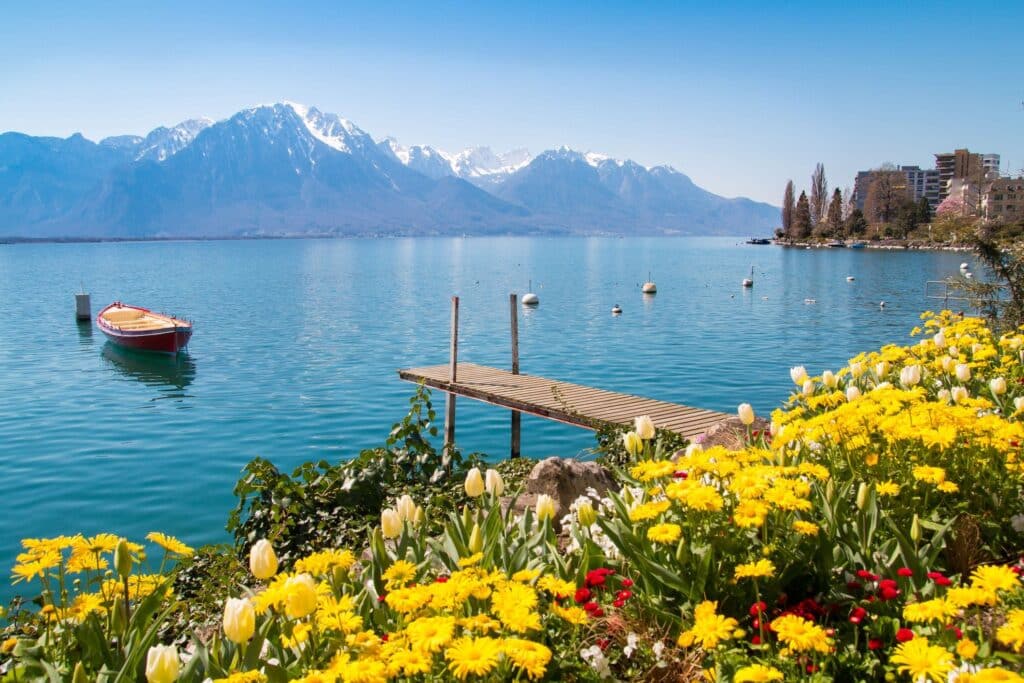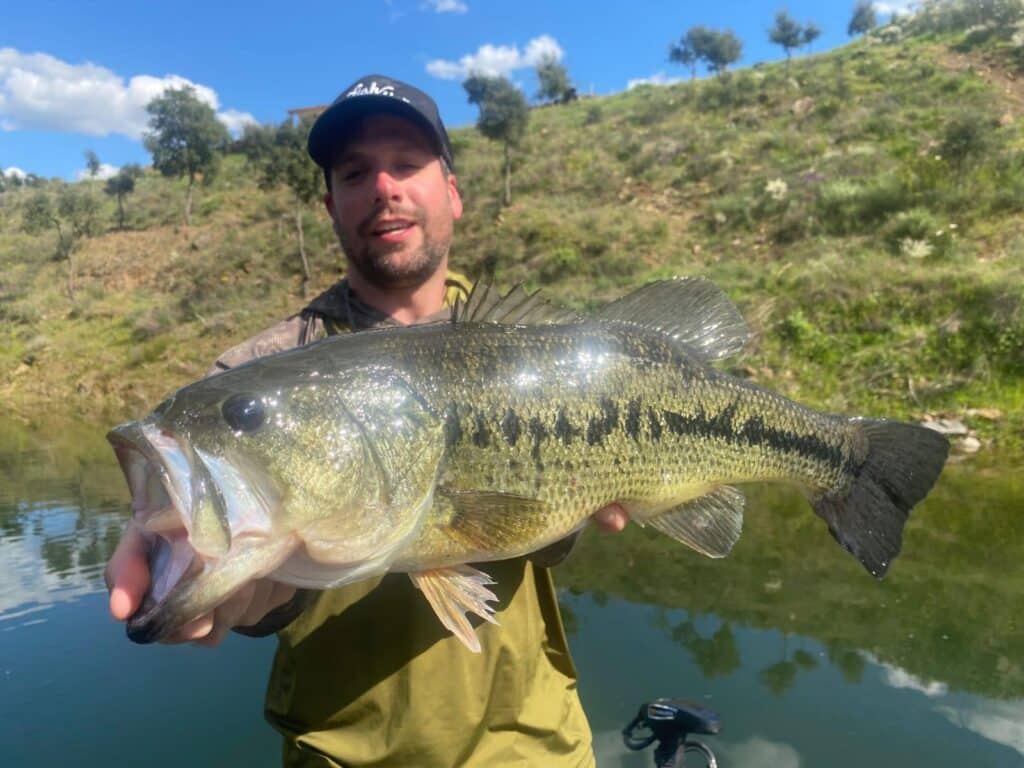
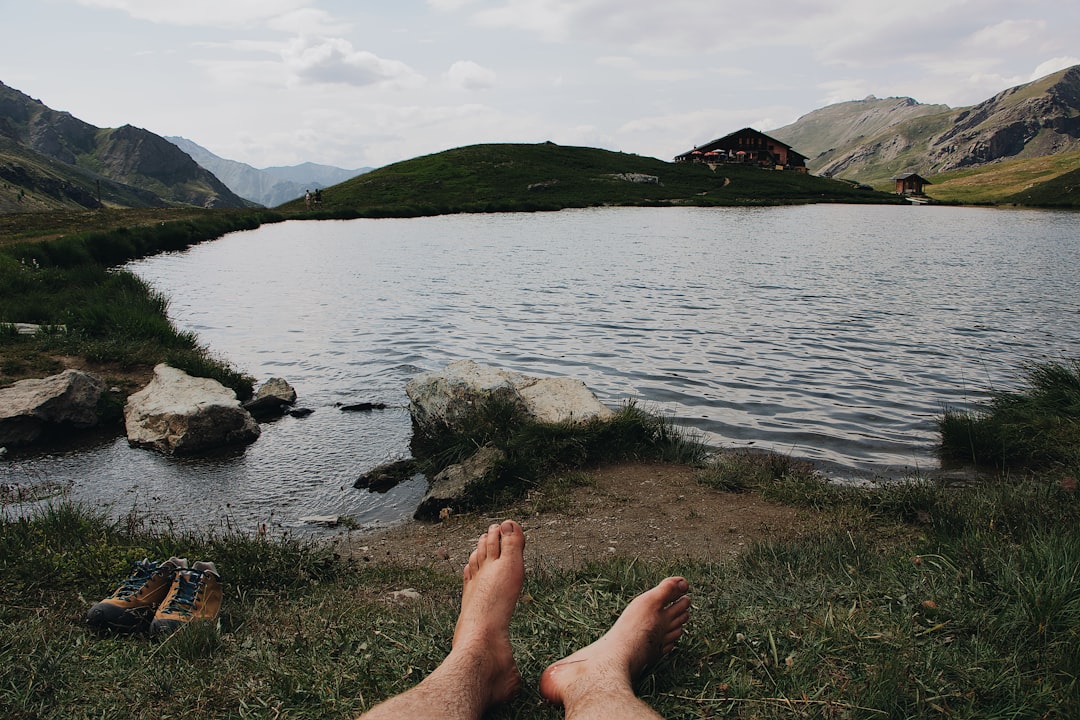
Nestled in the heart of the Haut-Doubs, a few kilometres from Pontarlier and the Swiss border, Lake Saint-Point is one of the largest natural lakes in France. Crossed by the Doubs and surrounded by the first foothills of the Jura mountains, this high-altitude lake offers an exceptional setting for lure fishing, with cool, deep water that holds a fine population of predators.
In this article, we take you to discover this destination we are particularly fond of: the history of the lake, the species present, suitable lure-fishing techniques, spots to search, access, weather, accommodation and even a Lake Saint-Point campsite to extend your sessions. Whether you are chasing pike on a straight retrieve, perch on the drop-shot or zander vertically, you will find all the information you need here to plan your next outing.
History and features of Lake Saint-Point
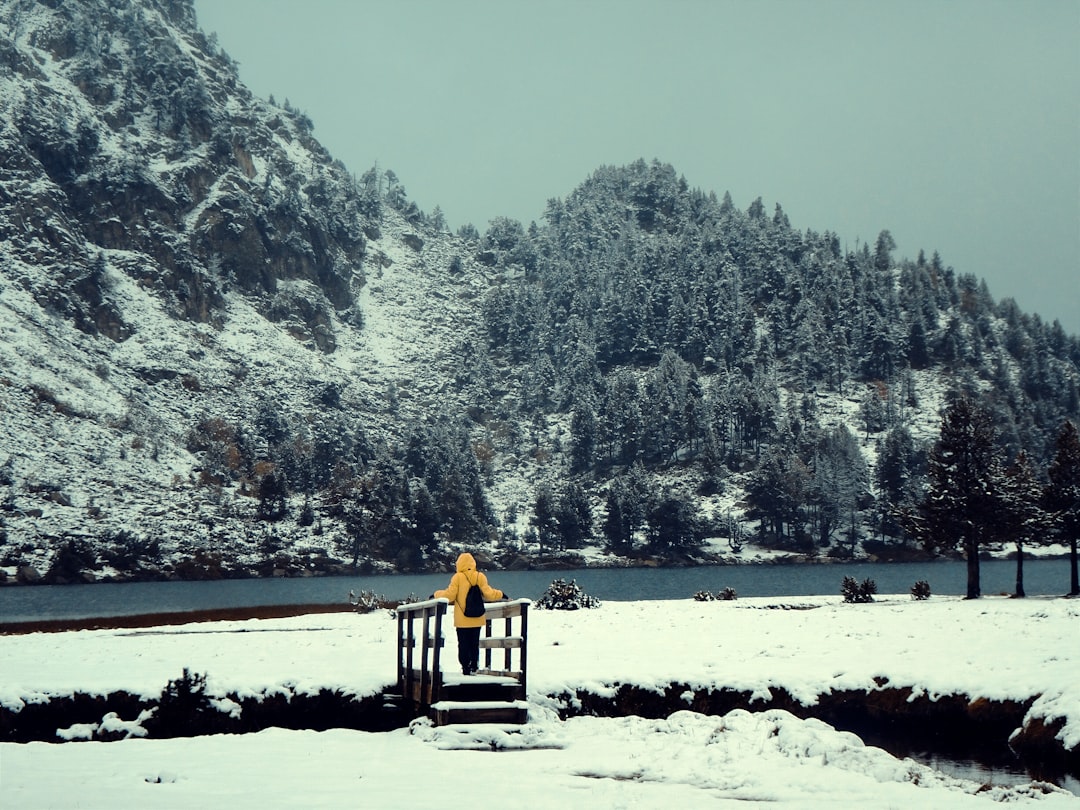
Unlike many of the waters we explore, Lake Saint-Point is not a reservoir but a natural lake of glacial origin, formed about 12,000 years ago when the Jura glaciers retreated. With its 398 hectares, it ranks among the largest natural lakes in France. Lying at 850 metres, it stretches about 7.2 kilometres long and 800 metres wide on average, and reaches a maximum depth of about 40 metres. The Doubs flows right through it, feeding the lake upstream from the small Lac de Remoray (a neighbouring nature reserve where fishing is prohibited) and flowing out downstream towards Oye-et-Pallet. This through-flow layout creates very interesting current areas for us lure anglers: the inflow and outflow of the Doubs concentrate baitfish and, as a result, predators. The water is cold for much of the year, typical of a high-altitude Jura lake, which strongly influences fish behaviour and our choice of presentations.
Which fish can you catch at Lake Saint-Point?
The fish population is typical of the large Jura lakes, with pike topping the bill: specimens over a metre are not rare here, thriving on a large biomass of silver fish and whitefish. The perch is everywhere, often in tight shoals, with nice stripy fish regularly over 35 cm. The zander is present in more modest numbers but offers some great surprises over the deep areas. The lake is also home to lake trout and whitefish (the famous local 'bondelle'), two emblematic salmonids of high-altitude lakes. As for bottom-dwelling fish and baitfish, there are roach, rudd, bream, tench and minnows, which make up the predators' larder. Catfish and black bass, however, are absent from these cold waters.
For pike, we favour big soft lures shad-type, 15 to 20 cm, over the drop-offs and weed bed edges in spring and autumn, as well as crankbaits and jerkbaits for fast searching along the reed beds. In summer, when the pike go down to the thermocline, a slow mid-water retrieve over the holes makes the difference. Remember to check the pike fishing season opening dates before planning your session. For perch, the drop-shot and small finesse soft lures on the rocky drop-offs are deadly, as are micro crankbaits along the margins once the fine weather arrives. Zander are mainly fished vertically over areas of 10 to 25 metres, or on a slow straight retrieve with a zander soft lure rigged on a jighead. Lake trout, for their part, are targeted with spoons or streamers early in the season, near the Doubs inflows.
Watching the wildlife and plant life helps us locate spots. Great crested grebes and goosanders diving repeatedly give away the presence of baitfish shoals: follow the birds and you will find perch and pike on the hunt. The reed beds on the north shores and the pondweed beds that develop in summer are favourite holding areas for pike, while bare, gently sloping bottoms tend to indicate transit areas. The water lilies in some coves offer fine ambush points to search with a topwater lure during the golden hours.
How to get to the lake
Access by car is very easy: from Pontarlier, allow about fifteen minutes on the D437, which runs along the east shore. From Besançon, allow about an hour via the N57. Several free car parks line the shores, notably at Saint-Point-Lac, Malbuisson, Oye-et-Pallet and Les Grangettes, which makes roaming bank fishing much easier. For boat anglers, launch points are available at Malbuisson and Saint-Point-Lac: note, however, that petrol engines are banned on this lake and only electric motors are allowed, making it an ideal playground for float tubes, fishing kayaks and electric boats. By public transport, Frasne TGV station is about twenty minutes away, with coach connections to Malbuisson in season.
Map of the lake
Weather and fishing conditions
The climate of the Haut-Doubs is harsh: winters are long and cold, with the lake regularly freezing over in part, and summers are relatively cool at altitude. The water rarely exceeds 20-22°C in midsummer and stays below 8°C from November to April, which shifts fish behaviour compared with lowland waters. In spring, predators gradually move back onto the margins as the water warms up: this is the prime time for soft lures on a straight retrieve. In summer, pike and zander go down to the thermocline, usually between 6 and 12 metres, and vertical jigging or deep straight retrieves become essential. Autumn is our favourite season here: the pike come back to hunt baitfish along the margins and big lures do serious damage. As for conditions, a moderate wind rippling the surface and stable or slightly falling pressure are the lure angler's best allies here; beware of the bise (north-east wind), which suddenly chills the water and shuts down activity.
What to do at Lake Saint-Point?
Lure fishing is of course our number one activity on this lake, and the ban on petrol engines guarantees rare peace and quiet for fishing from a float tube or electric boat. But the site is also a complete family destination: lifeguarded swimming in summer at the beaches of Saint-Point-Lac, Les Grangettes and Malbuisson, paddleboard, kayak and pedalo hire, sailing, and a superb network of mountain-bike trails and footpaths around the lake and towards the Mont d'Or massif. Plenty to keep the family busy while you search the margins with a soft lure.
As for spots, several areas deserve your attention. From the bank, the outflow and inflow of the Doubs (on the Oye-et-Pallet and Remoray sides) concentrate baitfish and perch feeding frenzies. The reed beds on the quieter west shore hold fine pike lying in ambush. By boat, search the drop-offs that plunge quickly towards the central holes: that is where vertical jigging for zander and deep straight retrieves for pike come into their own. A fish finder reveals fine breaks between 8 and 20 metres, notably off Les Grangettes and Chaudron.
Hiking and scouting swims around the lake
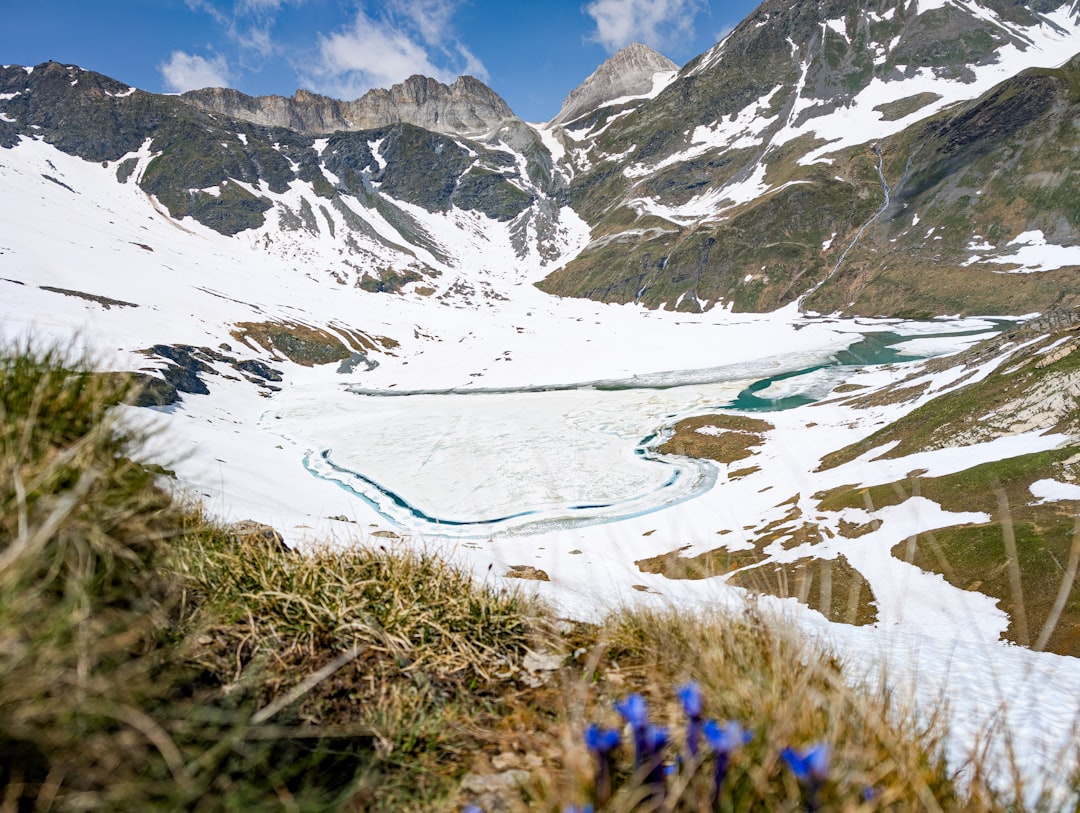
Hiking around the lake is also a chance to scout spots for your next sessions. The full lake circuit (about 12 km, 3 hours, easy) is a classic: this waterside path lets you observe the weed beds, the drop-offs visible in clear water and the feeding areas, notebook in hand. For a shorter outing, the loop from Saint-Point-Lac to Les Grangettes (5 km return, 1 hour 30, very easy) follows interesting margins with reed beds and cool-water inflows. Finally, the climb to the Belvédère du Mont (about 7 km, 2 hours 30, moderate) offers a bird's-eye view of the whole lake: in calm weather and clear water, you can clearly make out the shallows, flats and drop-offs from up high, free and remarkably effective aerial scouting before you launch the float tube.
Where to stay and eat?
To sleep as close as possible to the water, the Lake Saint-Point campsite at Saint-Point-Lac is our favourite option: pitches just a few metres from the shore, so you can be on the water at first light, the magic window for lures. Note, however, that night fishing is not allowed on this lake, so plan your sessions accordingly. Malbuisson has most of the hotels and gîtes, including several used to welcoming anglers, with storage for gear. For food, you will find good restaurants serving Haut-Doubs specialities: perch fillets, Comté fondue and Morteau sausage. The Pontarlier market (Thursday and Saturday mornings) is perfect for stocking up on local produce between outings, and the area's Comté dairies are well worth a visit on days when it is too windy to fish.
FAQ – your questions about Lake Saint-Point
Are there any regulated fishing areas?
Yes, the lake is classified as second-category water but is home to salmonids subject to specific regulations, notably for lake trout and whitefish. There are also fishing reserves at the inflow and outflow of the Doubs, and the neighbouring Lac de Remoray nature reserve is completely closed to fishing. Check the Doubs prefectoral order and the local AAPPMA regulations before your session, as well as the predator season opening dates for pike and zander.
Where can you find baitfish in the lake?
Shoals of roach and minnows gather near the Doubs inflows, along the reed beds and over the weed beds in summer. In open water, shoals of whitefish move along the thermocline and attract big pike: a fish finder is invaluable for locating them. Also watch out for active fish-eating birds, which often give away the position of the baitfish and therefore of hunting predators.
Are there wels catfish in the lake?
No, catfish are absent from this lake, whose cold high-altitude waters do not suit them. The predators to target here are pike, perch, zander and lake trout, which already offers a very full programme for the lure angler. If you are looking for catfish, head instead to the Doubs downstream or the Saône.
Which technique works best for zander in lakes?
Vertical jigging is the go-to technique here, as zander generally hold on the drop-offs and holes between 10 and 25 metres. A 9 to 12 cm finesse soft lure on a 10 to 20 g jighead, worked slowly just above the bottom, gives excellent results. In clear water with wary fish, a drop-shot finesse lure on the drop-offs can save a difficult session.
Which lure colours work best here?
As the lake's water is generally clear to slightly coloured, natural colours imitating roach, perch or whitefish (pearl white, silver, green back) are our safe bets. In overcast weather or murky water after rain, switch to more contrasting colours such as firetiger or chartreuse. At depth, dark colours and UV glitter often make the difference with zander.
Is bank fishing productive on this lake?
Yes, especially in spring and autumn when predators frequent the margins: the reed beds, the Doubs outflows and the sloping beaches are then very productive with soft lures and crankbaits. In summer, the fish go deeper and bank fishing becomes more technical, except in the first and last hours of the day. A light boat or a float tube remains a real plus for exploiting the offshore drop-offs all year round.