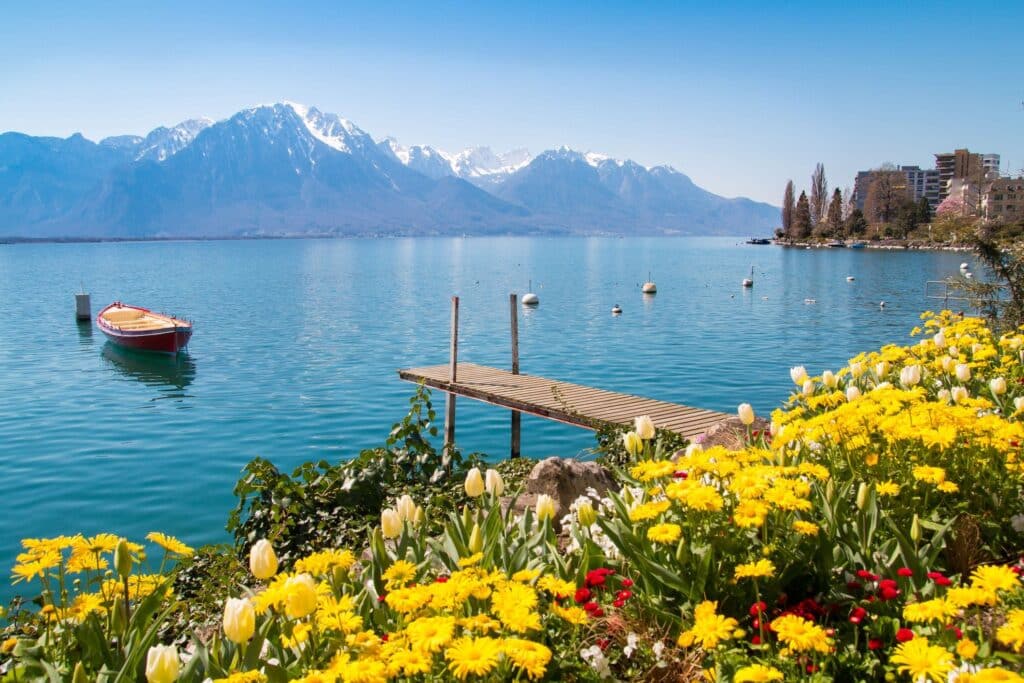
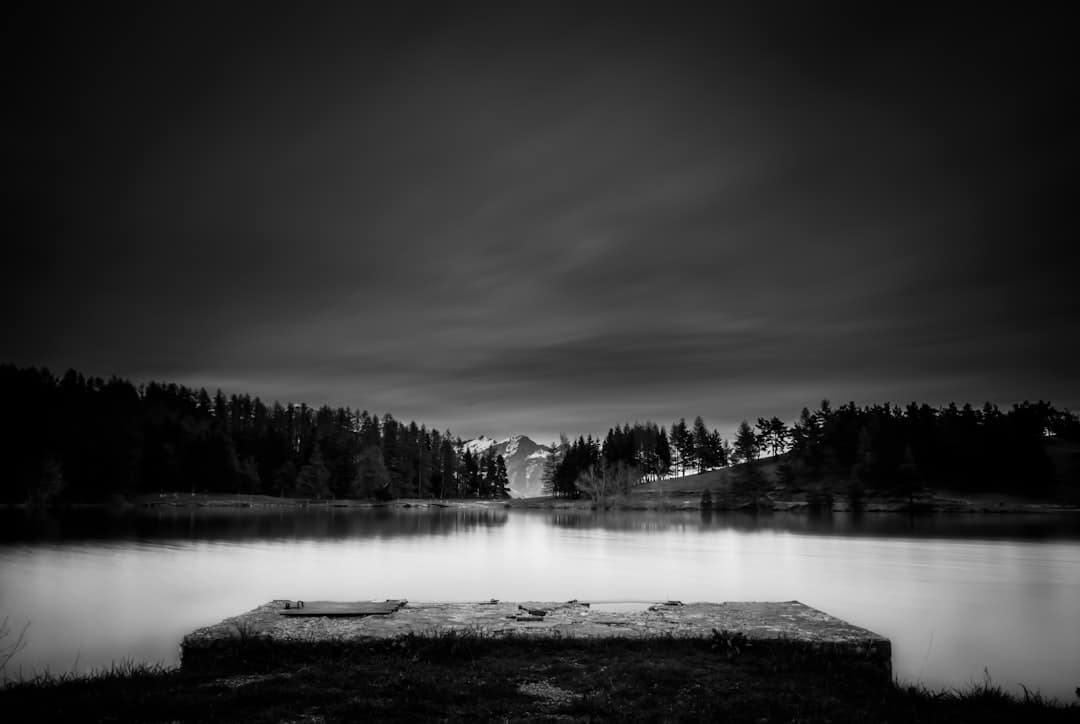
Nestled in the heart of inland Brittany, straddling the Côtes-d’Armor and the Morbihan, Lake Guerlédan is quite simply the largest lake in Brittany. For us lure anglers, this water is a must-visit destination: its deep water, flooded arms, submerged cliffs and old sunken structures make it an exceptional playground for chasing pike, zander and perch.
In this article, we share everything you need to know before heading off to fish Lake Guerlédan: its history, the species present, the techniques that work, access, the weather, and also where to stay, especially if you are looking for a campsite at Lake Guerlédan to extend your session. Follow the guide, rods in hand!
History and features of Lake Guerlédan
Lake Guerlédan is a man-made lake created by the construction of the Guerlédan hydroelectric dam on the Blavet, completed in 1930. With a surface area of 400 hectares, a length of 12 kilometres and a maximum depth of around 40 to 45 metres near the dam, it holds almost 51 million cubic metres of water at an altitude of around 120 metres. The flooding submerged part of the old Nantes–Brest canal, whose locks and lock-keepers’ houses still lie on the bottom. For us, these remains are a goldmine: they provide plenty of structures where predators like to hold. During the ten-yearly drawdowns (the last in 2015), the lake reveals a rugged landscape of flooded valleys, breaks and plateaux that every lure angler should study on bathymetric charts before their session.

Which fish to target at Lake Guerlédan?
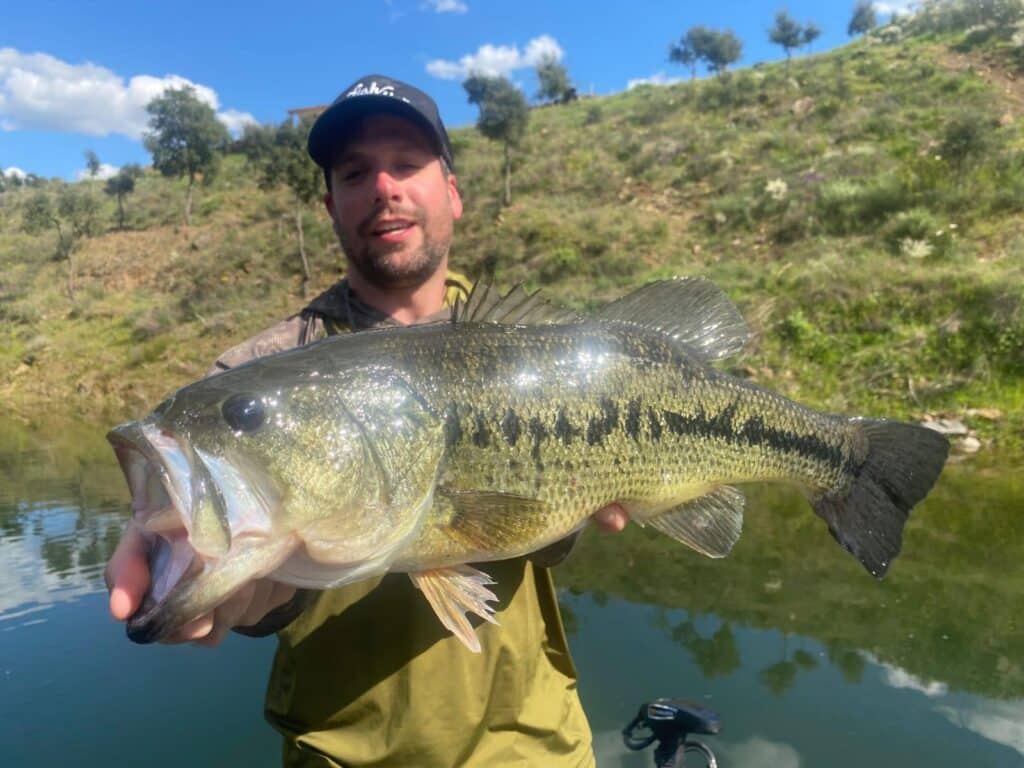
Guerlédan’s fish population is rich and varied, with a good density of predators. Pike are the kings of the lake, with specimens regularly exceeding a metre in the flooded arms and along the wooded drop-offs. Zander are well represented, taking advantage of the great depths and rocky bottoms, while perch are literally teeming, providing spectacular feeding frenzies in summer. You will also come across a few trout dropping down from the Blavet, as well as plenty of coarse fish: roach, bream, carp and tench, which make up the predators’ larder. Wels catfish remain occasional here, and black bass are not established.
As for techniques, we adapt our approach to each species. For pike, large 15 to 20 cm shad-type soft lures on a straight retrieve along the breaks work wonders in spring and autumn, as does the suspending jerkbait worked with twitches in the margins. Spinnerbaits and chatterbaits are deadly near submerged trees, and if you are new to this species, our guide to learn how to fish for pike will give you all the basics. For zander, vertical fishing with finesse soft lures over the 10 to 25 metre holes is the go-to technique, especially from October to February. Perch respond perfectly to the drop-shot on the drop-offs, to small crankbaits for fast searching and to topwater feeding frenzies in summer. A fish finder is almost essential on this water for locating baitfish shoals and changes in slope.
Observing nature is our best ally here. Great crested grebes, cormorants and herons concentrated in one area almost always betray the presence of baitfish, and therefore predators nearby. As for vegetation, the oak- and beech-lined margins with branches dipping into the water create first-rate pike lies, while the scarce weed beds at the tails of the lake shelter perch and jack pike. Also look out for gorse and ferns along the shore: they often signal gentle slopes suited to margin fishing with soft lures.
How to get to the lake
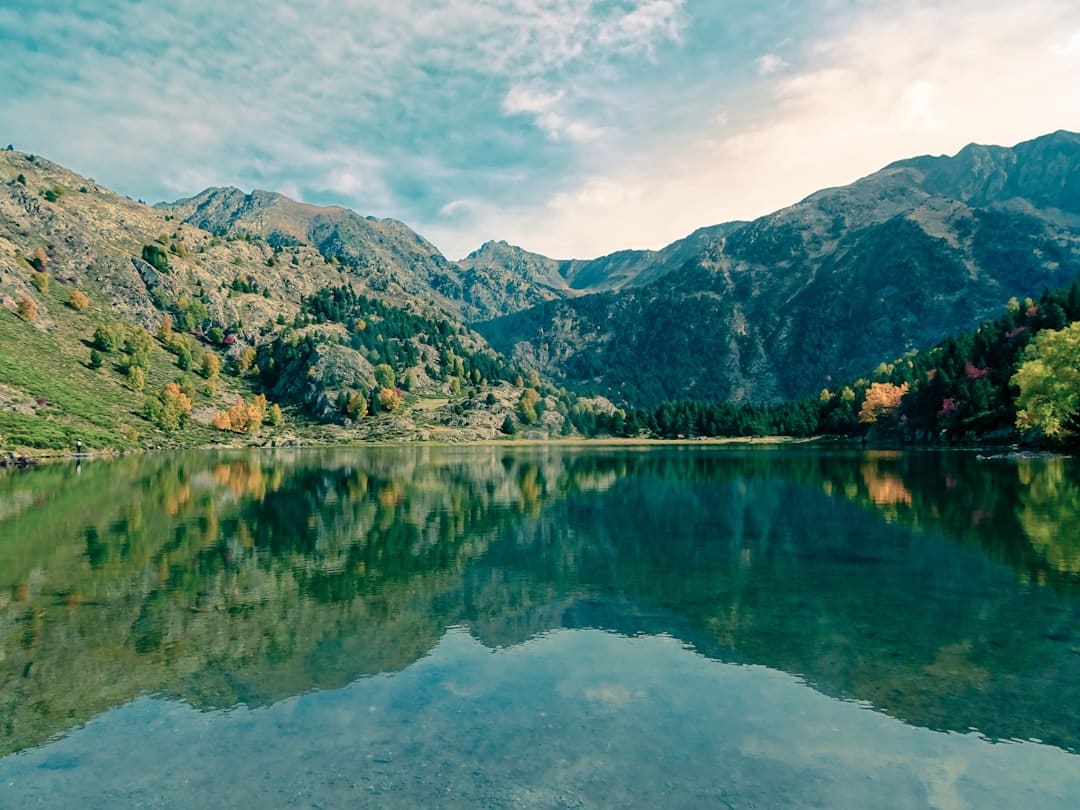
The lake is easily reached by car via the N164 (Rennes–Châteaulin road), with exits at Mûr-de-Bretagne (Guerlédan) on the north side and Saint-Aignan on the dam side. Several free car parks line the shores: the Beau Rivage beach at Caurel, the Anse de Sordan at Saint-Aignan, the lake roundabout at Mûr-de-Bretagne and the Abbaye de Bon-Repos to the west. For launching a rowing boat or boat, the Beau Rivage and Anse de Sordan slipways are the most convenient; note that petrol-engined boating is regulated by zone, so check before setting off. Float tubes and kayaks are excellent options here for reaching the flooded arms inaccessible from the bank. By public transport, you can rely on BreizhGo coach lines from Pontivy or Loudéac, but let’s be honest: the car remains by far the most practical solution for an angler laden with gear.
Map of the lake
Weather and fishing conditions
Brittany’s oceanic climate brings mild winters and temperate summers, which means you can fish almost all year round. The water ranges between 6 and 8 °C in winter, rises to around 12-15 °C in spring, reaches 20-23 °C at the surface in midsummer (with a marked thermocline given the depth) and gradually cools again in autumn, a magical period for pike. For lure fishing, we favour days with a moderate westerly wind that ripples the surface and oxygenates the margins: the predators are noticeably more active then. Stable or slightly falling atmospheric pressure, an overcast sky and light drizzle are among the best conditions on this water. On the other hand, beware of strong gusts, which make float tubing dangerous on such a long lake.
What to do at Lake Guerlédan?
Lure fishing is obviously our number one activity, but Lake Guerlédan is also a complete family destination. The lifeguarded Beau Rivage beach allows swimming in summer, and the water sports centres offer paddleboarding, kayaking, sailing and even cable waterskiing. Mountain bikers enjoy technical trails around the lake, and heritage lovers can visit the Abbaye de Bon-Repos or the Forges des Salles. It is the ideal place to combine fishing sessions at daybreak with family activities in the afternoon.
When it comes to scouting spots, several sectors deserve your attention. From the bank, the Anse de Sordan and its rocky points, the area around Bon-Repos at the tail of the lake and the wooded margins at Caurel offer fine casting windows for jerkbaits and soft lures. From a boat or float tube, concentrate on the flooded arms (Poulancre, Daoulas), the breaks of the old Blavet riverbed and the areas of submerged trees visible at low water: that is where the best pike hold, and where vertical fishing for zander really comes into its own in the adjacent holes.
Hiking and scouting swims around the lake
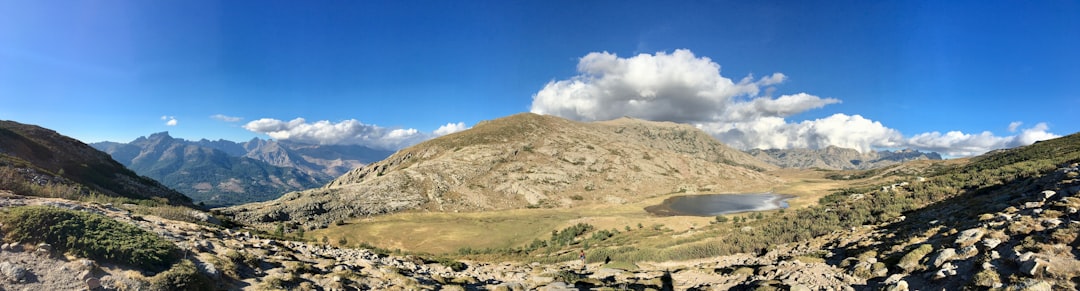
Walking around the lake is, in our view, the best way to scout your future spots. The full circuit of Lake Guerlédan is a loop of around 40 to 45 km (2 days of walking, moderate to demanding): ideal for building a mental map of every cove, point and inflow. More accessible, the Anse de Sordan loop (about 8 km, 2h30, easy) runs along rocky margins perfect for pike and lets you observe the perch’s summer hunting grounds. Finally, the circuit from Bon-Repos to the dam via the Daoulas gorges (about 12 km, 3h30, moderate) offers exceptional elevated viewpoints: in clear water, you can make out the drop-offs, the plateaux and sometimes even fish on the prowl. Take photos and note your observations; they will be worth their weight in gold on your next lure session.
Where to stay and eat?
To stay as close to the water as possible, camping at Lake Guerlédan is the option we recommend: the Beau Rivage campsite at Caurel and the Anse de Sordan campsite at Saint-Aignan put you on the banks within minutes at daybreak, the most productive time for lures. Note, however, that night fishing for predators is not allowed; only night carp fishing is possible in certain sectors defined by prefectoral order. For gîtes and B&Bs, Mûr-de-Bretagne, Saint-Aignan and Caurel offer a wide choice suited to anglers, with some hosts even willing to store boats and float tubes. For food, the restaurants and crêperies of Beau Rivage and the Anse de Sordan serve up treats with a view of the water, and the markets in Mûr-de-Bretagne and Pontivy let you stock up on Breton produce between sessions.
FAQ – your questions about Lake Guerlédan
How do you fish for perch with soft lures?
On Guerlédan, we fish for perch with 5 to 8 cm soft lures rigged on a drop-shot over the rocky drop-offs, or on a light jighead worked in a sawtooth pattern along the breaks. In summer, watch out for surface feeding: a small shad retrieved quickly through the bait ball triggers instant takes, and a small crankbait for searching the water also works very well.
Are there zander in Lake Guerlédan?
Yes, zander are well established in Lake Guerlédan and take advantage of the great depths and the sunken structures of the old canal. Vertical fishing with finesse soft lures over the 10 to 25 metre holes is the most effective technique, particularly from October until the predator close season.
Is night fishing allowed on the lake?
Night fishing for predators is not allowed: fishing is permitted from half an hour before sunrise to half an hour after sunset. Only night carp fishing is possible on certain stretches defined by prefectoral order; check with the local AAPPMAs before your session.
Is fly fishing possible on the lake?
Yes, fly fishing with streamers is perfectly possible, particularly from a float tube or boat along the wooded margins. Large streamers work well for pike in spring and autumn, while smaller patterns regularly catch perch and jack pike in the shallow coves.
Are there any regulated fishing areas?
Yes, the lake is classified as a second-category water and certain areas are restricted, notably around the dam, where fishing and boating are prohibited for safety reasons. As the lake straddles two departments, check the prefectoral orders for the Côtes-d’Armor and the Morbihan, as well as the reciprocal arrangements of your fishing licence, before wetting a lure.
Are black bass present in this water?
No, black bass are not established on this water, as Breton waters are generally too cool for them to breed sustainably. But don’t be disappointed: the densities of perch and pike more than make up for it, and bass-style techniques such as the drop-shot or the chatterbait cause havoc among the local percids and esocids.