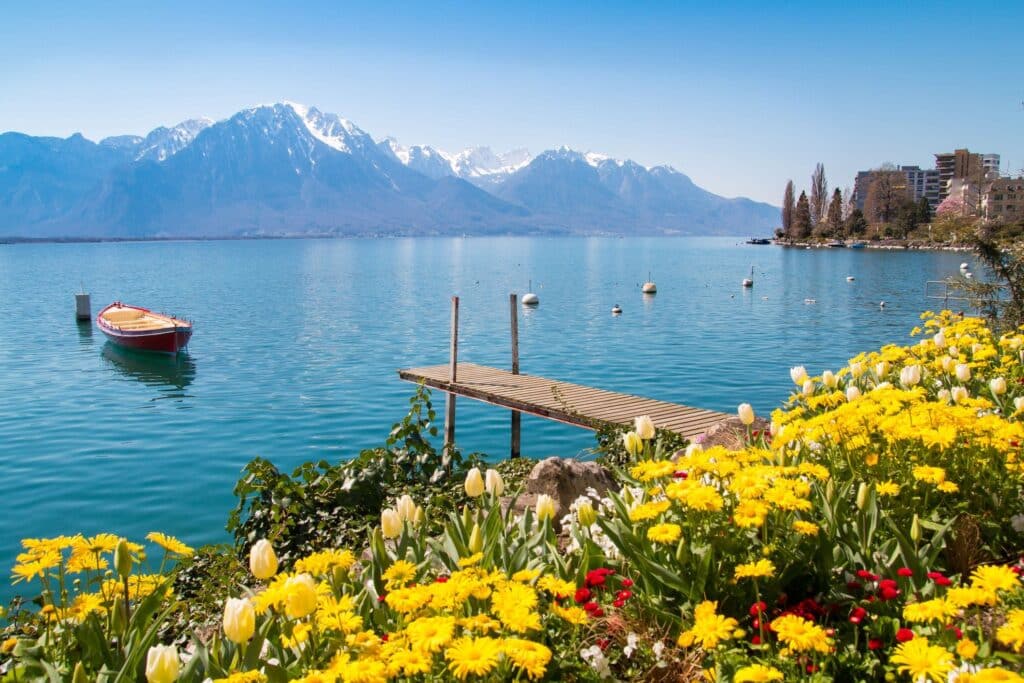
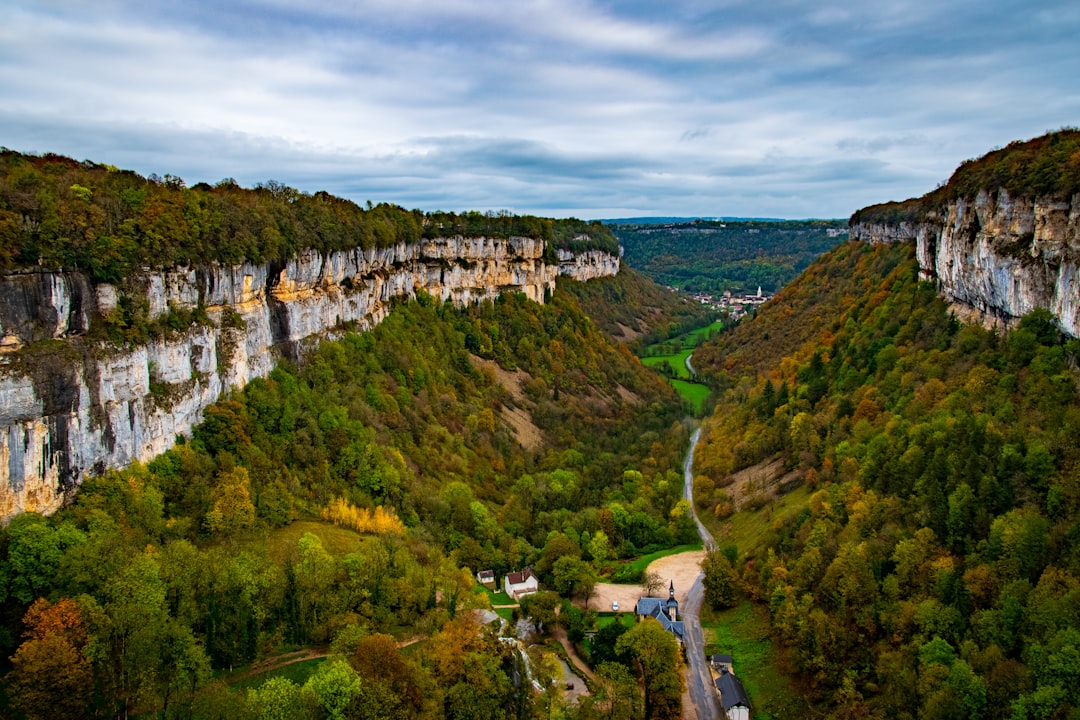
Perched more than 800 metres above sea level on the Lévézou plateau, right in the heart of Aveyron, Lake Pareloup is one of those destinations we recommend without hesitation to every lure angler. As the fifth-largest man-made lake in France, this 1,260-hectare giant offers an exceptional playground for chasing pike, zander and perch, with a rare variety of swims: rocky points, plateaus, weed beds, drowned timber and deep holes.
In this article we share everything you need to know before planning a trip there: the history of the dam, the species present and the techniques that work, access and slipways, the weather, the trails for scouting swims and, of course, the accommodation options, from camping at Lake Pareloup to gîtes, not forgetting the best places to eat on the Lévézou. Follow the guide, rod in hand.
History and features of Lake Pareloup
Lake Pareloup is a hydroelectric reservoir impounded by EDF in 1951 on the Vioulou. It is part of the vast Lévézou hydroelectric complex, which also includes the lakes of Pont-de-Salars, Bage and Villefranche-de-Panat, all linked by pipes and underground tunnels feeding the Pouget power station. The figures are impressive: around 1,260 hectares in area, 168 million cubic metres of water, more than 120 kilometres of indented shoreline and a maximum depth of about 37 metres at the dam. Lying at 805 metres above sea level, the lake has an almost mountain character: cool water, sometimes marked drawdown at the end of the season, and summer thermal stratification that directly dictates where the predators sit. For us lure anglers, this profile is a blessing: the diversity of submerged structure (old roads, low walls, drowned trees, steep drop-offs) creates an endless number of swims to explore, from the bank or by boat.
Which fish to target at Lake Pareloup?
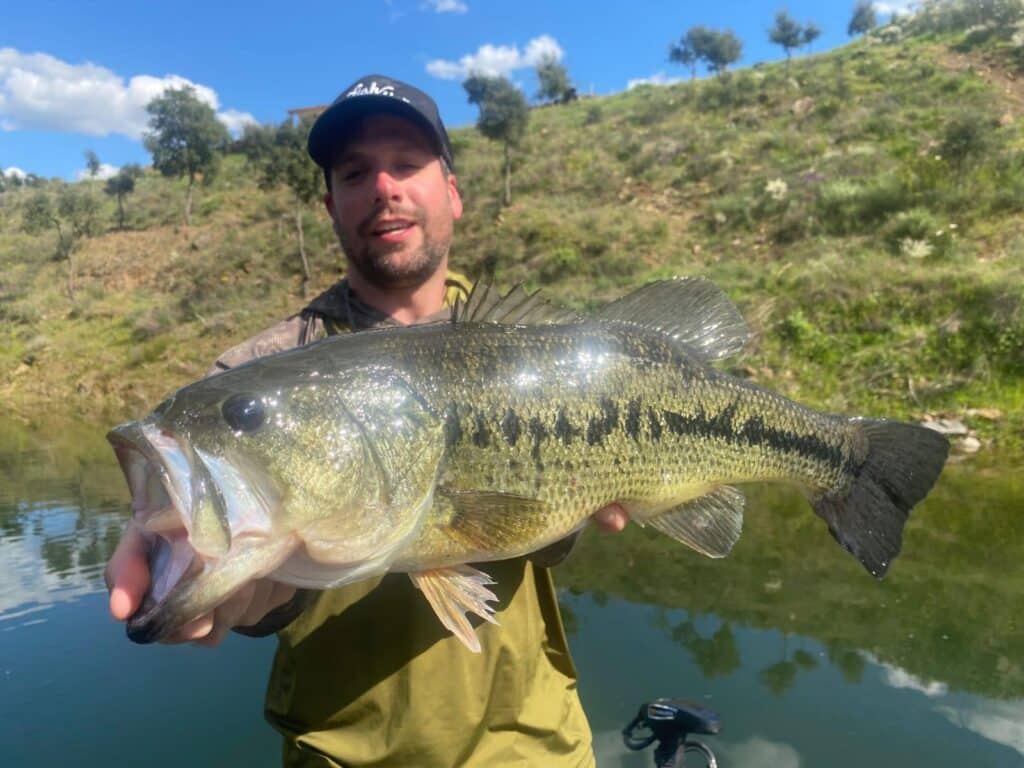
The fish stock is one of the richest in Occitanie. The pike is king here: fish over a metre are caught every year, thriving on the vast weed beds and the abundant baitfish (roach, bleak, small perch). Zander are also very well represented, with good densities on the drop-offs and plateaus between 5 and 15 metres. Perch are everywhere, from shoals of small hunters to big solitary stripeys over 40 cm. Black bass also turn up occasionally in some warm, shallow bays, though the population is nothing like that of southern lakes. As for coarse and bottom-dwelling fish, roach, bream, tench and carp complete the picture and sustain a generous food chain for the predators.
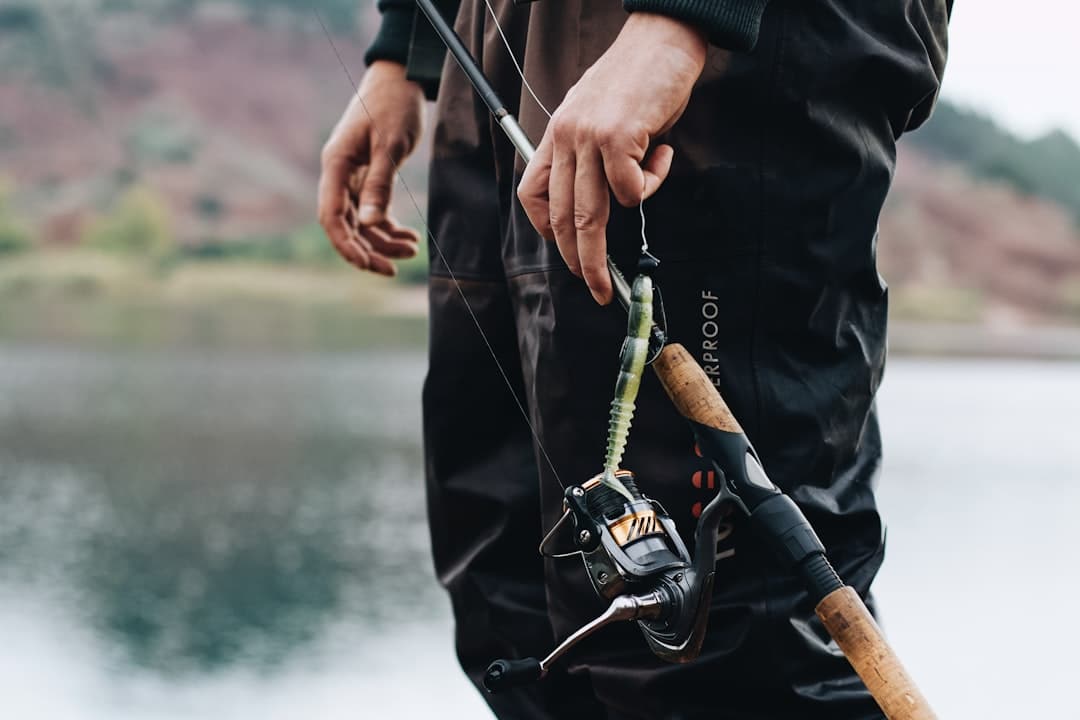
As for techniques, here is what works for us. For pike, a soft lure of 12 to 20 cm rigged straight or weightless in the weed beds works wonders in spring and autumn, while big crankbaits and spinnerbaits let you comb the margins quickly early in the season. For zander, vertical jigging with 8 to 12 cm finesse soft lures is deadly from June to November over the holes and breaks; the drop-shot takes over when the fish are finicky. Perch respond perfectly to small crankbaits, micro soft lures and metal jigs under the summer feeding frenzies. Key swims to remember: wind-swept rocky points, silty lake arms in spring, drowned timber and the old submerged road towards Salles-Curan.
Watching the wildlife around the lake is a real plus for the observant angler. Great crested grebes and cormorants often give away shoals of baitfish: where they dive persistently, predators are never far away. Herons and kites patrol the shallows rich in fry. As for vegetation, reed beds and pondweed beds signal prime hunting grounds for pike, while bare, steep banks without vegetation usually mean fast drop-offs suited to zander.
How to get to the lake
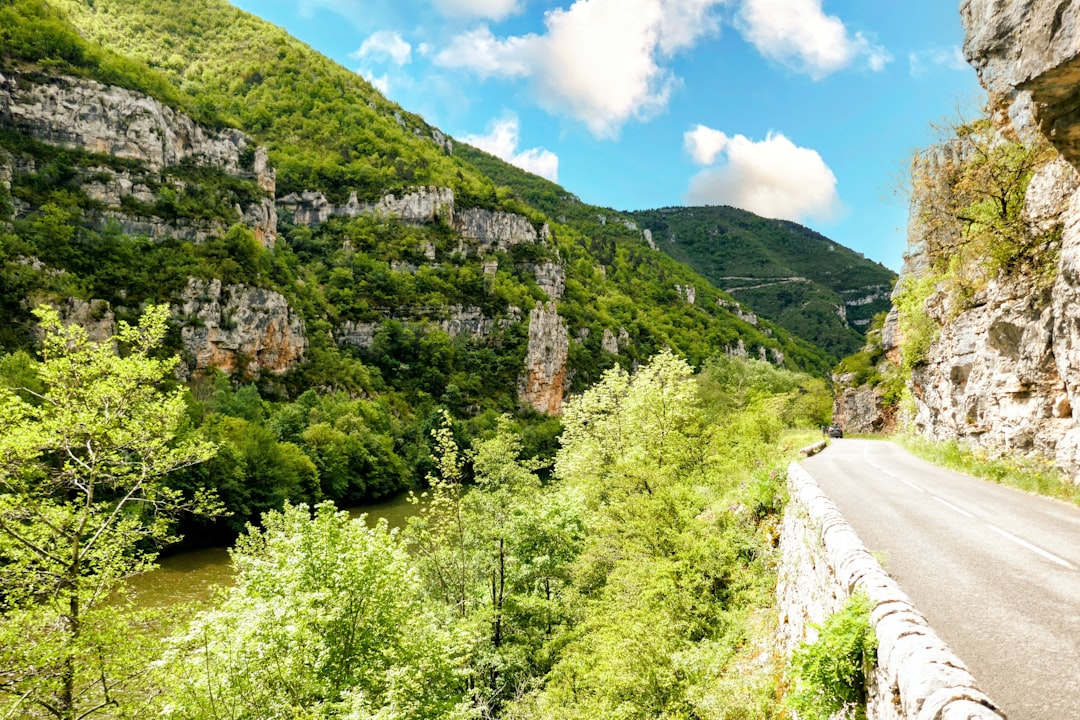
The lake lies some thirty kilometres south-east of Rodez and about 25 km from Millau, reached via the D911 then the D993 towards Salles-Curan, the main village on its shore. From Toulouse allow about 2 hours by road; from Montpellier, 1 hr 45 via the A75. Plenty of free car parks line the shore, notably at Les Vernhes, Salles-Curan beach, Arvieu and by the dam. For boat anglers, several slipways are available (Les Vernhes, the Salles-Curan watersports centre, Arvieu-Pareloup), usable with a standard trailer except during heavy drawdown. Float tubes and kayaks can be launched almost anywhere, a major asset for exploring bays you can't reach from the bank. By public transport, regional liO bus lines serve Salles-Curan from Rodez, but we honestly recommend the car to carry your gear and cover the 120 km of banks.
Map of the lake
Weather and fishing conditions
The Lévézou plateau has a mid-mountain climate: cold, windy winters and pleasant summers without excessive heatwaves thanks to the altitude. The water stays cool for much of the year: 5 to 8 °C in winter, 12 to 16 °C in spring, 20 to 23 °C at the surface in high summer, then a rapid drop from September. This coolness keeps predators active longer than in lowland waters. For lure fishing, our best sessions here come with a moderate south-westerly that pushes waves onto the points and switches the pike on, and with falling pressure ahead of a front. Beware of the violent gusts common on this large open water: in a float tube, stay close to sheltered banks. In summer, focus on early morning and evening sessions on the surface, and vertical jigging below the thermocline in the middle of the day for zander.
What to do at Lake Pareloup?
Lure fishing is obviously our number one activity, and the lake suits it all season long: hunting pike with big soft lures in spring, perch frenzies with poppers and small jigs in summer (on that subject, choosing between braid or nylon makes all the difference for surface fishing), vertical jigging for zander in autumn. But Pareloup is also a very popular family destination: five lifeguarded beaches in summer, swimming, paddleboarding, kayaking, sailing, water-skiing in certain areas and superb mountain-bike routes around the Lévézou. Enough to keep the whole family busy while you work the margins, or to plan a relaxing half-day between two sessions.
As for swims, make the most of these activities to scout. From the bank, concentrate on the rocky points between Les Vernhes and the dam, the drowned trees visible at low water, and the Arvieu and Vioulou arms, which hold plenty of fish in spring. From a boat or float tube, the fish finder reveals the old drowned landscape: roads, low walls and stream beds literally concentrate the zander. Note your waypoints during the autumn drawdowns: it's the best time to map the structure that will produce all the following year.
Hiking and scouting swims around the lake
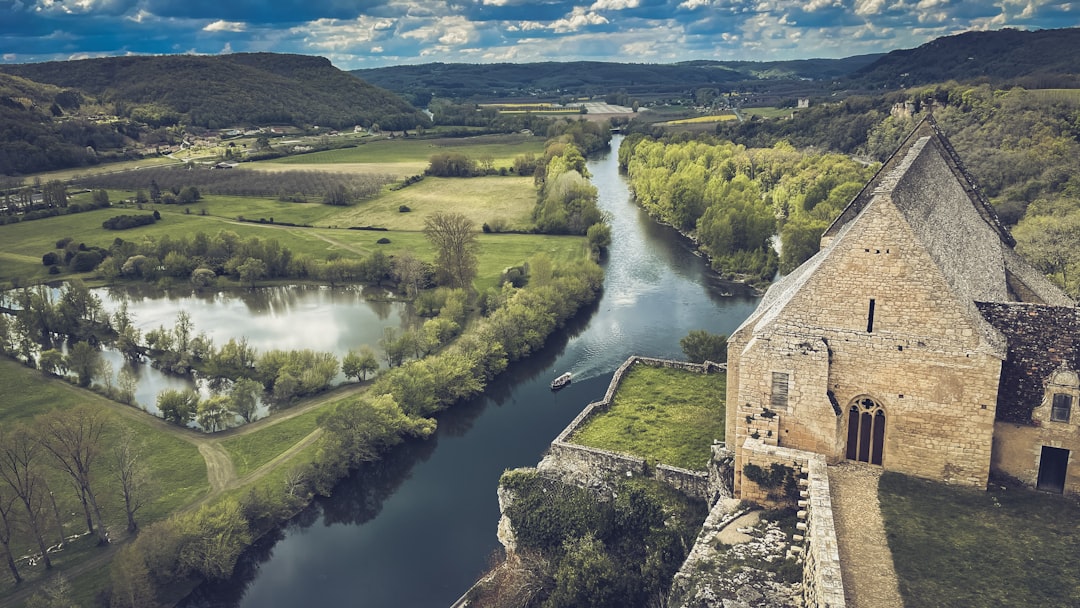
For us, walking around the lake is the best way to prepare your sessions. Three loops are worth the detour. The trail around the Salles-Curan peninsula (about 7 km, 2 hrs, easy) follows varied margins and lets you spot weed beds and drop-offs in clear water: perfect for finding pike swims reachable from the bank. The Les Vernhes loop (10 km, 2 hrs 30 to 3 hrs, easy to moderate) crosses several sheltered bays and windy points, ideal to mark for crankbait and spinnerbait sessions. Finally, the big Lévézou circuit on the Arvieu side (14 km, 4 hrs, moderate) offers high viewpoints over the lake arms: with polarised glasses you can clearly make out the plateaus and breaks where you'll set up your vertical drifts. Take a light ultralight rod: between two scouting stops, the margin perch never refuse a small soft lure cast on a ultralight reel that is well balanced.
Where to stay and eat?
Good news for anglers: accommodation is plentiful and well placed. For camping at Lake Pareloup, several sites sit right on the shore, notably around Salles-Curan, Les Vernhes and Arvieu, some with direct water access and a slipway close by – a real comfort for stringing together dawn sessions without crossing half the département. Check with the local AAPPMA on which areas allow night carp fishing if you plan to double up your sessions. For more comfort, rural gîtes and B&Bs on the Lévézou happily welcome anglers, sometimes with a gear room and a bait fridge. As for food, Salles-Curan and Arvieu have several restaurants where you can try aligot, farçous and Aveyron charcuterie, and the summer farmers' markets are packed with local produce to fill the cool box before a full day on the water.
FAQ – your questions about Lake Pareloup
Is swimming allowed at Lake Pareloup?
Yes, swimming is allowed and very popular in summer, with five equipped beaches, some lifeguarded in high season, notably at Salles-Curan and Les Vernhes. For anglers, we advise avoiding the swimming areas in the middle of summer days and favouring quiet spots early in the morning or in the evening, when predators come back to hunt along the margins.
What are the lake's fishing records?
Lake Pareloup regularly produces pike over a metre long, with reported captures beyond 1.20 m, as well as zander over 80 cm and very big perch exceeding 45 cm. Carp anglers also land fish over 20 kg, proof of how rich in food this high-altitude water is.
Which lure colours work best here?
As the water is generally clear to slightly coloured, natural colours imitating roach, perch and bleak give the best results in calm conditions. In strong wind, overcast skies or churned-up water, switch to more contrasting colours such as fire tiger, chartreuse or white, which are particularly effective for pike and for zander on the vertical.
Are black bass present in this water?
Black bass are reported occasionally in some shallow bays that warm up quickly, but the population remains marginal because of the altitude and the cool water, which do not favour spawning. This lake is above all a pike, zander and perch destination, and those are the three species we advise you to focus on.
Can you use a boat or a float tube?
Yes, boats, kayaks and float tubes are allowed on the lake, with several slipways at Les Vernhes, Salles-Curan and Arvieu. It's actually the best way to fish Pareloup effectively: vertical jigging for zander over the holes and working the drowned trees with soft lures are almost impossible from the bank.
What are the rules for boating?
Boating is governed by specific by-laws: petrol engines are subject to zone and speed restrictions, and some areas are reserved for swimming or water sports in season. Electric motors are permitted and more than enough for fishing; we recommend checking the rules posted at the slipways or contacting Salles-Curan town hall and the Aveyron angling federation before you go, as drawdown can also affect access to the slipways.