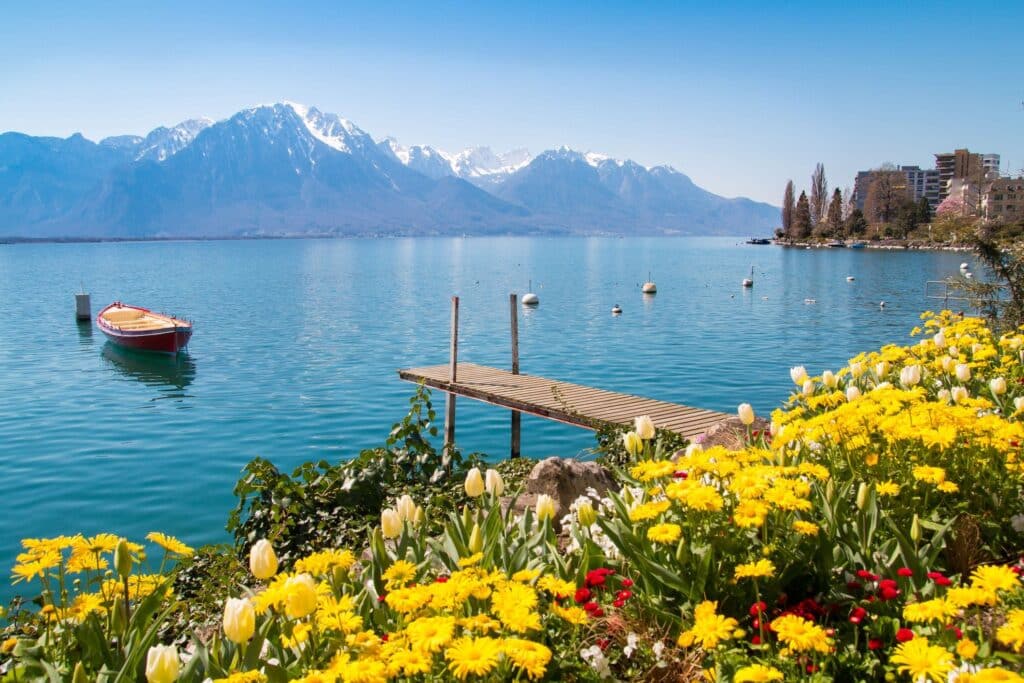
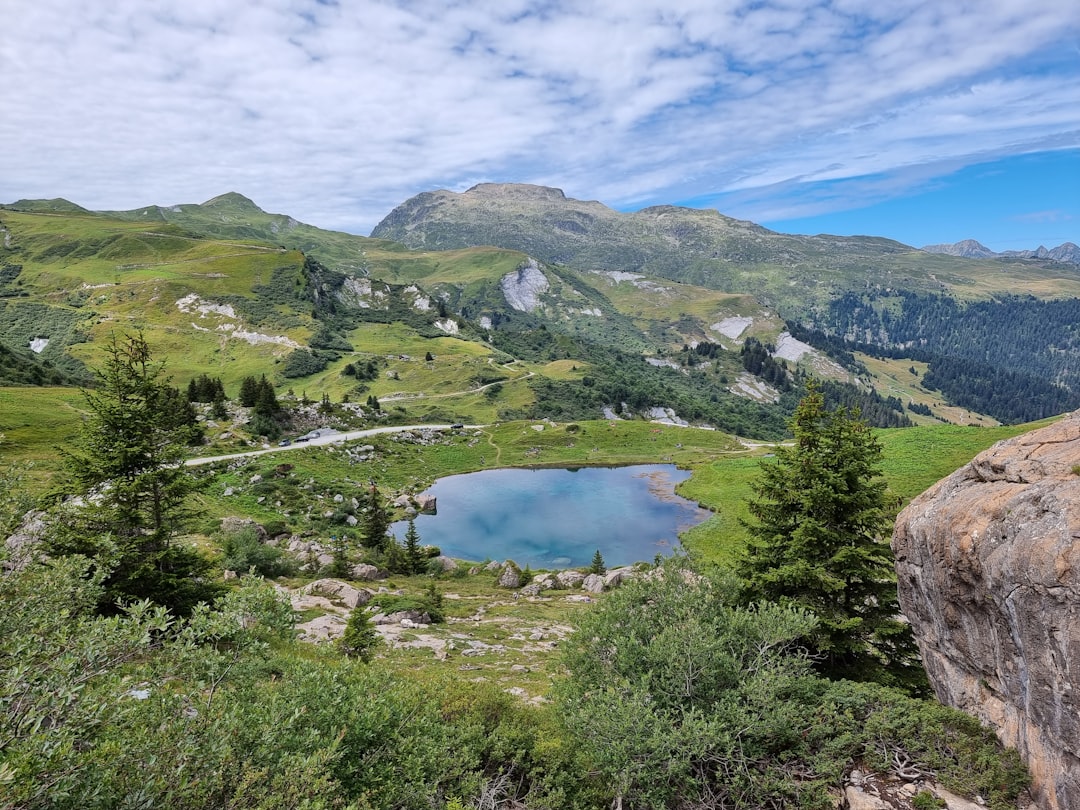
Nestled in the heart of the Mauges, in Maine-et-Loire, Lac de l'Ouest is one of those discreet waters we are particularly fond of at Rodmaps. Located near Vihiers, in the commune of Lys-Haut-Layon, this lake offers a varied playground for lure fishing: snag-filled margins, weedy flats, well-defined deep holes and a predator population that is well worth the trip.
In this article, we share everything you need to know before setting up your rods: the history and features of the lake, the species present and the techniques we favour to tempt them on lures, access, weather, other activities and our advice for scouting spots. Get your lure box ready, we're taking you there.
History and features of Lac de l'Ouest
Lac de l'Ouest is an artificial lake created in the second half of the 20th century, originally for water regulation and local tourism development. Covering around 15 hectares, it sits at a modest altitude of about a hundred metres, typical of the Anjou bocage. Its average depth is around 3 to 4 metres, with deep holes reaching 6 to 7 metres near the old dam wall. This topography, gently sloping at the shallow end and steeper towards the dam, creates a range of spots that is ideal for lure fishing: predators find shallow hunting grounds in spring and cooler hiding places in high summer. Over the decades the lake has become naturalised: reed beds, water lilies in the calm bays and a few submerged trees now make up spots that we fish systematically.

Which fish can you catch at Lac de l'Ouest?
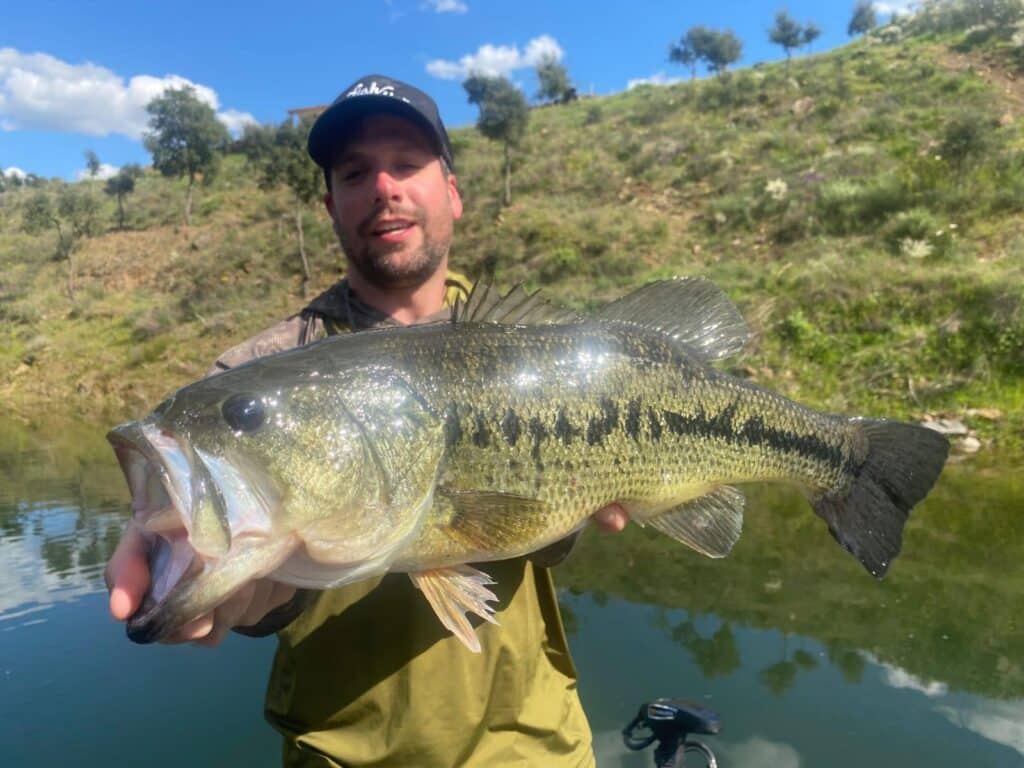
Lac de l'Ouest is home to a fine population of pike, with fish regularly topping the metre, and they are the number one target for lure anglers. The zander are also well established, especially in the deep areas near the dam wall, while the perch swarm along the snag-filled margins and offer almost guaranteed action all season long. A few black bass have been reported in the warm, weedy bays, though not as a dense population. As for bottom-dwelling fish, carp, bream, roach and tench complete the picture and provide a substantial larder for the predators.
For pike, we rely on big soft lures shads of 12 to 18 cm retrieved slowly along the weed beds in spring, and on swimbaits such as the Vatalion 115F from a float tube in autumn, when the pike hold on the drop-offs. Zander are fished here vertically or on the drop-shot over the 5 to 7 metre holes, ideally early in the morning or late in the day; a 7 to 10 cm finesse lure on a 7 to 14 g jighead works wonders. For perch, compact crankbaits and small spinnerbaits along the drowned trees produce memorable days, especially from June to October. Remember to check the pike season opening dates before targeting pike.
Watching the birdlife remains one of our best indicators on this lake: great crested grebes and herons always gather where the baitfish are concentrated, and gulls feeding at the surface give away perch activity. As for vegetation, the edges of the water-lily beds and the reed beds mark shallow areas rich in fry, while the submerged pondweed beds, visible in clear water, shelter pike lying in ambush. Spotting these clues before you cast is already half the job.
How to get to the lake
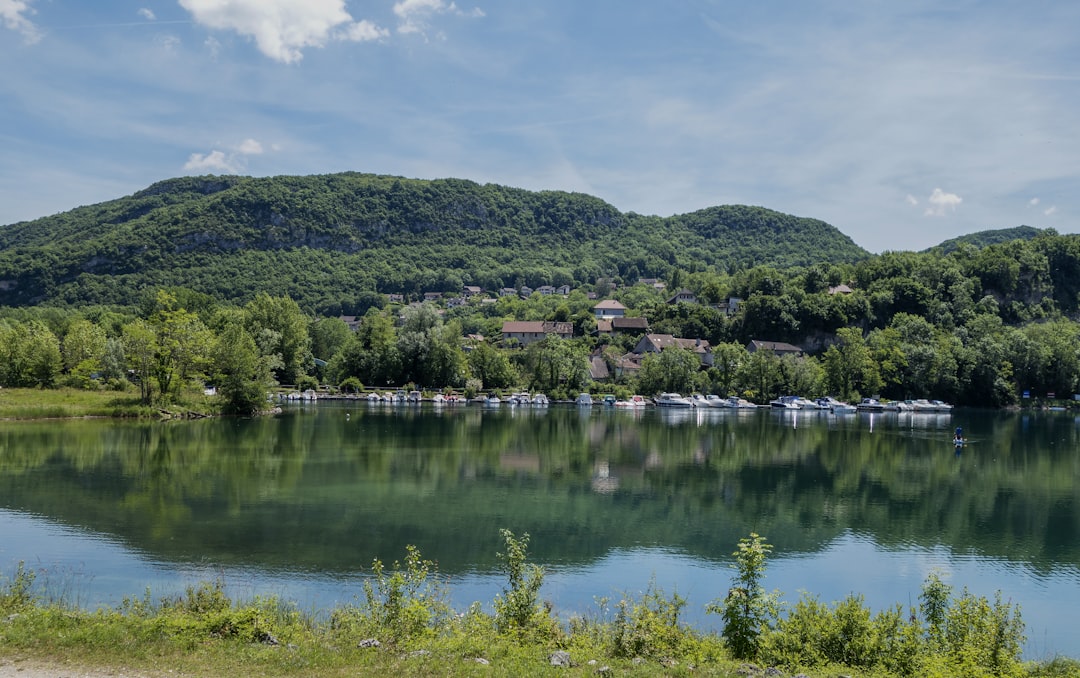
Access by car is easy from Vihiers, a few minutes from the town centre, via the D960. A free car park is located right next to the leisure centre, so you can unload your float tube and gear without a long walk. Petrol-engined boats are generally banned on this type of water; rowing boats, kayaks and float tubes remain the best options for fishing areas that cannot be reached from the bank — check with the local AAPPMA for launching arrangements. Public transport is limited: count on the Aléop coach network from Cholet or Saumur to Vihiers, then a short walk to the banks.
Map of the lake
Weather and fishing conditions
Anjou's oceanic climate brings mild winters and temperate summers, which means water at around 6 to 8 °C in January, 14 to 16 °C in spring and up to 24 °C in the surface layers in high summer. For lure fishing, our best sessions on this lake come with a moderate westerly wind, which oxygenates the exposed margins and pushes the baitfish — and therefore the predators — against the wind-battered banks. Stable or slightly falling air pressure, overcast skies and slightly coloured water make the winning combination for pike; conversely, summer sunshine sends us to the deep holes to fish vertically for zander early in the morning. When the going gets tough, an attractant on your soft lures can really make the difference with sluggish fish.
What to do at Lac de l'Ouest?
Lure fishing obviously tops our list of favourite activities here, but the site was designed as a family leisure centre. Swimming is possible in season in the designated, supervised area, paddleboarding and kayaking let you discover the lake from another angle, and a path welcomes walkers and mountain bikers all the way round the banks. Picnic areas and children's play areas round things off: enough to bring the whole family along while we hunt pike at first light.
From the bank, concentrate on the dam wall and its riprap, a real magnet for perch and zander, as well as on the points that run out into the lake and mark changes in depth. By boat or float tube, work the drowned trees on the north bank, the edges of the water-lily beds at the shallow end and the drop-off running along the old stream bed: that is where we have caught our best pike, working a shad just above the weed beds.
Hiking and scouting swims around the lake
A full lap of the lake is a loop of about 3 km, or 45 minutes of easy walking: it is our ritual before every first session, polarised glasses on, to spot weed beds, drowned timber and feeding areas. A second waymarked loop of about 7 km through the surrounding bocage links the lake to the sunken lanes nearby in 2 hours, with fine views over the shallow end — ideal for watching the morning feeding frenzies from higher ground. Finally, the sportier among you can tackle a mountain bike circuit of around fifteen kilometres around Vihiers, perfect for combining a day out in nature with scouting discreet access points to the least-fished banks, where the predators are the least educated.
Where to stay and eat?
To stay as close to the water as possible, the municipal campsite on the edge of the site is our favourite option: shady pitches, quick access to the banks for dawn sessions and reasonable prices — but check the night fishing rules with the AAPPMA, as it is not allowed everywhere. Several rural gîtes and B&Bs are scattered across the bocage around Lys-Haut-Layon, perfect for a group fishing weekend. For food, Vihiers has a few traditional restaurants and bakeries for a packed lunch, and the weekly market is a chance to fill the cool box with local produce before heading back to tease the perch along the margins.
FAQ – your questions about Lac de l'Ouest
How deep is the lake and where are the holes?
The average depth of Lac de l'Ouest is between 3 and 4 metres, with deep holes reaching 6 to 7 metres near the dam wall. These deep areas are where we look for zander with vertical jigging, while the gentler shallow end concentrates pike activity in spring.
Can you fish for pike all year round at Lac de l'Ouest?
No, pike have a specific closed season in 2nd category waters, usually from late January to late April, to protect spawning. Check the official opening dates and the Maine-et-Loire departmental regulations before every trip, as targeting pike during the closed season is prohibited, even catch and release.
Is night fishing allowed on the lake?
Night fishing is in principle only allowed for carp, and only on stretches specifically designated by prefectoral order. Lure fishing for predators is restricted to the period from half an hour before sunrise to half an hour after sunset, so check with the local AAPPMA to find out which areas are concerned.
Which technique works best for zander in lakes?
On this type of water, we favour vertical jigging and drop-shot with 7 to 10 cm finesse soft lures, presented slowly over the deep holes and drop-offs near the dam wall. The best feeding windows are at dawn and dusk, especially in overcast weather or slightly coloured water.
Is swimming allowed at Lac de l'Ouest?
Yes, swimming is possible during the summer season in the designated, supervised area of the leisure centre. Outside this area it is prohibited, which fortunately leaves most of the banks and spots quiet for lure anglers, even in high summer.
How do you reach the best fishing spots?
The leisure centre car park gives quick access to the dam wall and riprap, excellent for perch and zander from the bank. To reach the drowned trees on the north bank and the water-lily edges at the shallow end, a float tube or rowing boat remains the best option, while the path around the lake lets you scout spots on foot before getting on the water.