When it comes to fishing in a group, communication remains important for safety and efficiency. On a lake or a riverbank, it quickly becomes hard to make yourself heard without the right equipment. This is where the walkie-talkie comes into its own. This reliable tool provides a quick link between group members, even when everyone is spread far apart. Much more than a mere gadget, it brings real added value to every outing in the great outdoors.
Why choose a walkie-talkie for fishing?
During a fishing session, you often need to coordinate your movements and share the good spots. A walkie-talkie lets you stay in touch over several hundred metres, sometimes up to a few kilometres depending on the model. For those looking for optimum coverage, the Long Range Walkie-Talkie is an excellent option. Unlike a mobile phone, it does not depend on the mobile network. This avoids nasty surprises caused by a lack of signal in remote areas.
The range is therefore a major asset. Some devices reach impressive distances, ideal for groups spread out around a lake, such as the 10 km Walkie-Talkie. This reliability is reassuring, especially when you need to alert a fishing partner quickly or react to something unexpected.
Understanding how it works and its key features
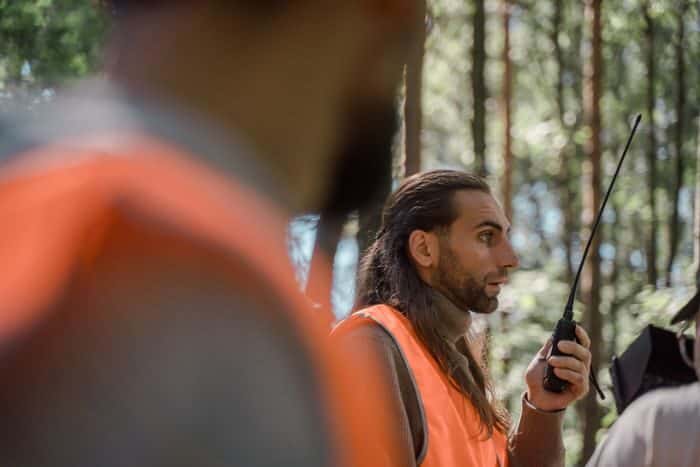
The operation of a walkie-talkie relies on VHF/UHF technology. VHF models are preferred in open spaces, while UHF gets through natural obstacles such as trees or rocks better. Choosing the right frequency is therefore crucial to get clear communication.
The technical features have a big influence on the choice. You need to consider ruggedness and battery life, but also the water protection rating (IP67, for example). For those who want exceptional range, the 20 km Long Range Walkie-Talkie is worth considering. This detail guarantees resistance to rain or brief immersion, which can save your kit if it accidentally falls into the water. Some models even float on the surface to avoid losses.
Technical features to consider
When choosing your model, you should check:
- The battery life long enough to last the whole day;
- The effective range as stated by the manufacturer;
- The presence of multiple channels to limit interference;
- Light weight and a good grip, for comfort.
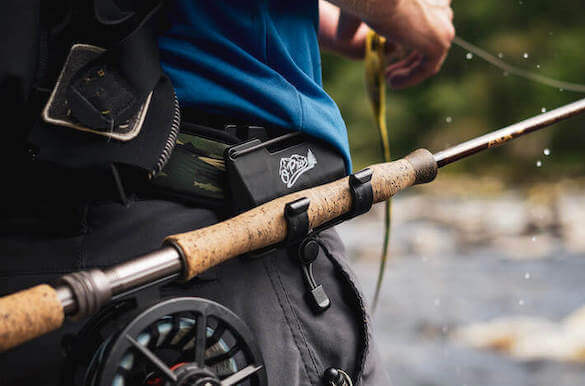
A hands-free option also makes it easier to use while handling the rod or the landing net, or steering a boat.
Communication and safety by the water
The walkie-talkie plays a key role in ensuring everyone's safety . It lets you raise the alarm instantly if there is an incident, or simply announce a nice catch. This cuts down on pointless trips along the bank and strengthens group organisation.
In an emergency, if no mobile network is available, this means of communication remains the most effective solution. It can make all the difference in raising the alarm quickly in the event of a medical problem or an accident on the water.
How to choose a walkie-talkie suited to your needs?
To choose the right walkie-talkie, it is important to analyse your own needs and the context of use. The size of the fishing area, how often you go out and the number of people involved directly influence the choice of the ideal model. For occasional use, a basic device is enough. For regular use, it is better to invest in a rugged model with plenty of features.
Compare the main selection criteria carefully: battery life, range, sturdiness, resistance to moisture and ease of use. Also favour solid after-sales service, especially if the device regularly comes along on long or demanding adventures. What are the extra benefits for fishing?
Some specific functions add extra comfort by the water. Automatic channel scanning saves you wasting time searching for a free frequency. Options such as a built-in torch or an audible alarm can prove invaluable in unexpected situations.
Handy accessories sometimes come with the walkie-talkie : belt clips, waterproof lanyards or earpieces, making the whole set-up more practical. These little details make every fishing trip more enjoyable without weighing down your overall kit.