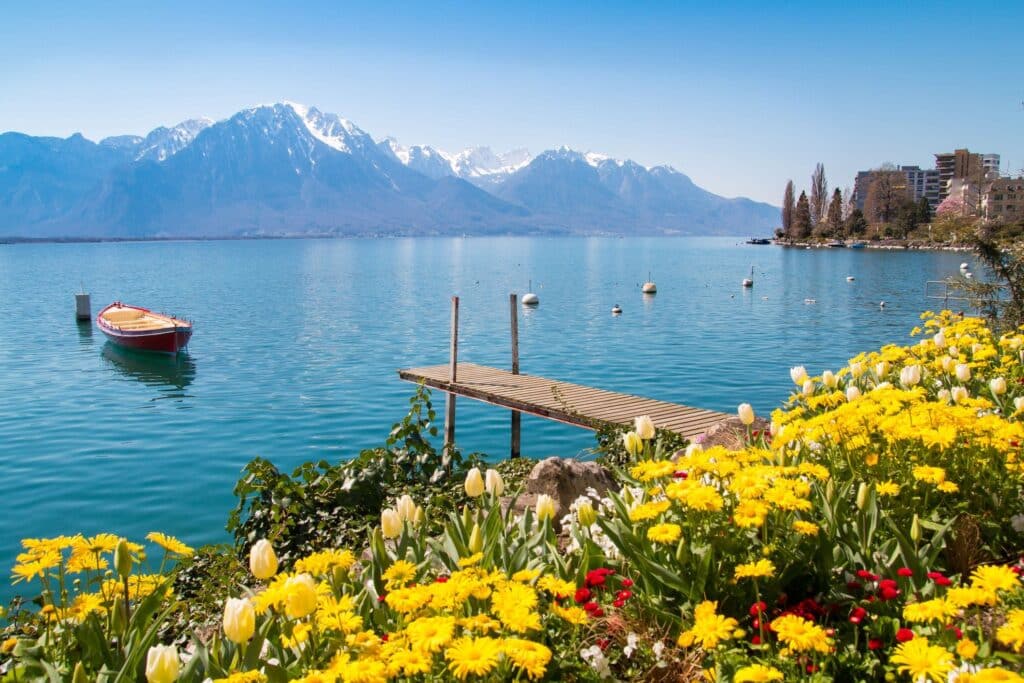
Nestled in Provence, a few kilometres from Aix-en-Provence and on the edge of the Durance, Lake Peyrolles is a water we are particularly fond of for lure fishing. This former gravel pit, redeveloped as a leisure centre, offers clear water, varied margins and a fine population of predators that make it an ideal playground for spinning anglers, from the bank as well as from a float tube.
In this article, we share everything you need to know before coming to wet your lures here: the history and features of the lake, the species present and the techniques to favour, access, weather, spots to look for and even a few good places to sleep and eat nearby. Get your spinning rod ready, we’re taking you to Provence!
History and features of Lake Peyrolles
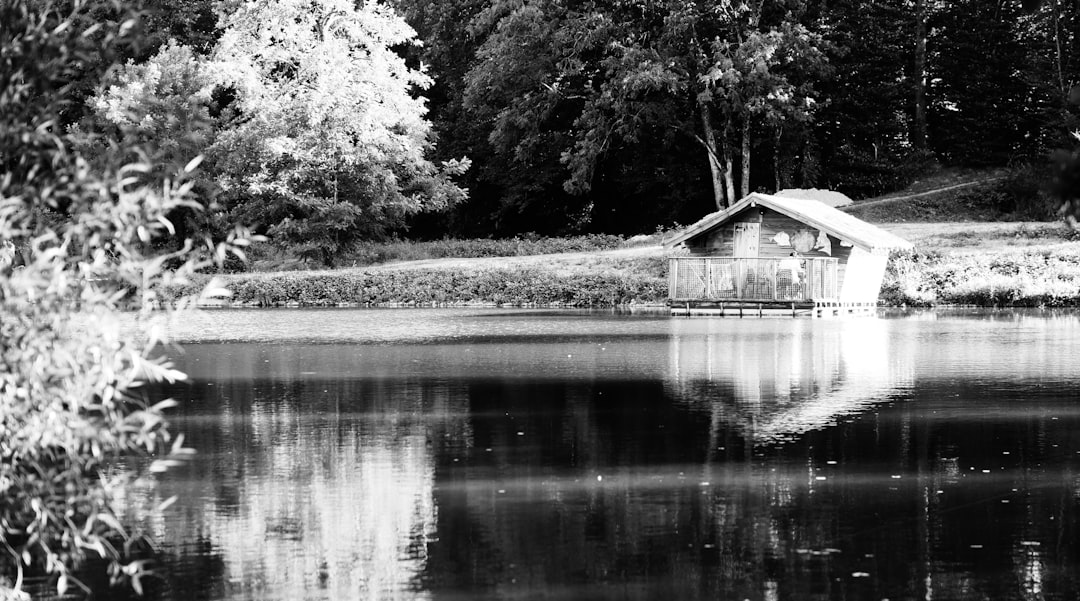
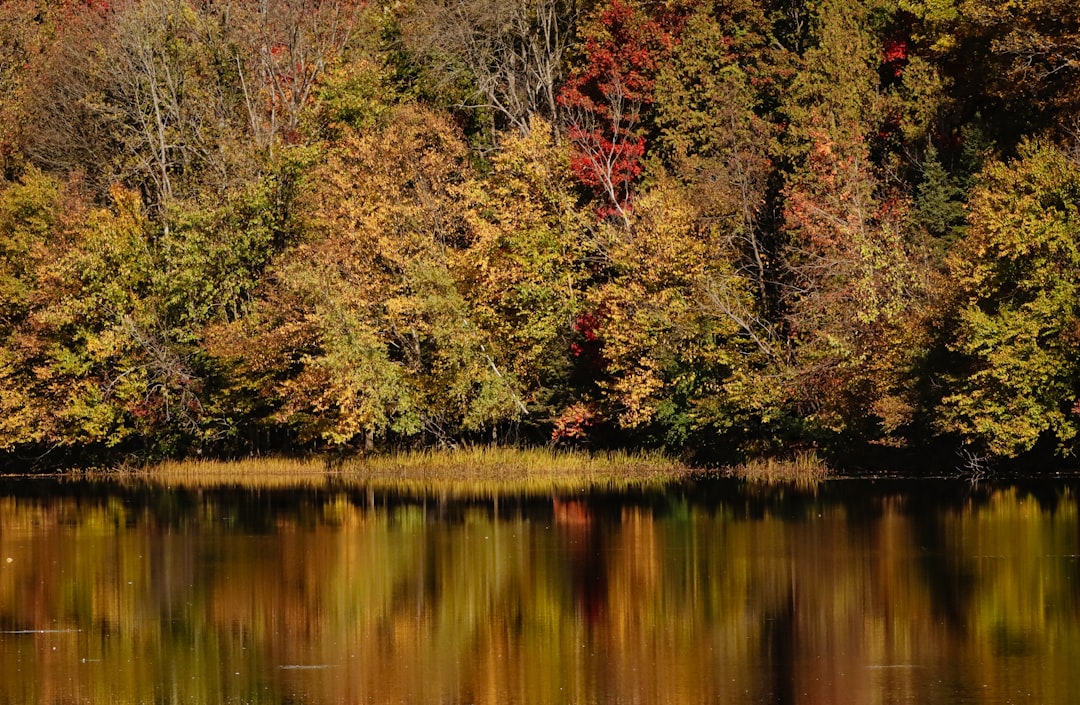
Lake Peyrolles is not a natural lake: it is a former gravel pit, dug in the 1970s when aggregates were extracted from the Durance valley, then redeveloped as a leisure lake by the commune of Peyrolles-en-Provence. Lying at around 250 metres above sea level, the main basin covers some twenty hectares, with depths of 2 to 3 metres along the margins that can reach 8 to 10 metres in the old extraction pits. It is precisely this topography inherited from the quarrying – sharp drop-offs, plateaus, irregular pits – that makes it such an interesting spot for lure fishing: predators find hunting grounds and hiding places in abundance. The water, fed by the Durance water table, stays clear for much of the year, which strongly shapes our approach: finesse, stealth and natural colours are often the order of the day.
Which fish can you catch at Lake Peyrolles?
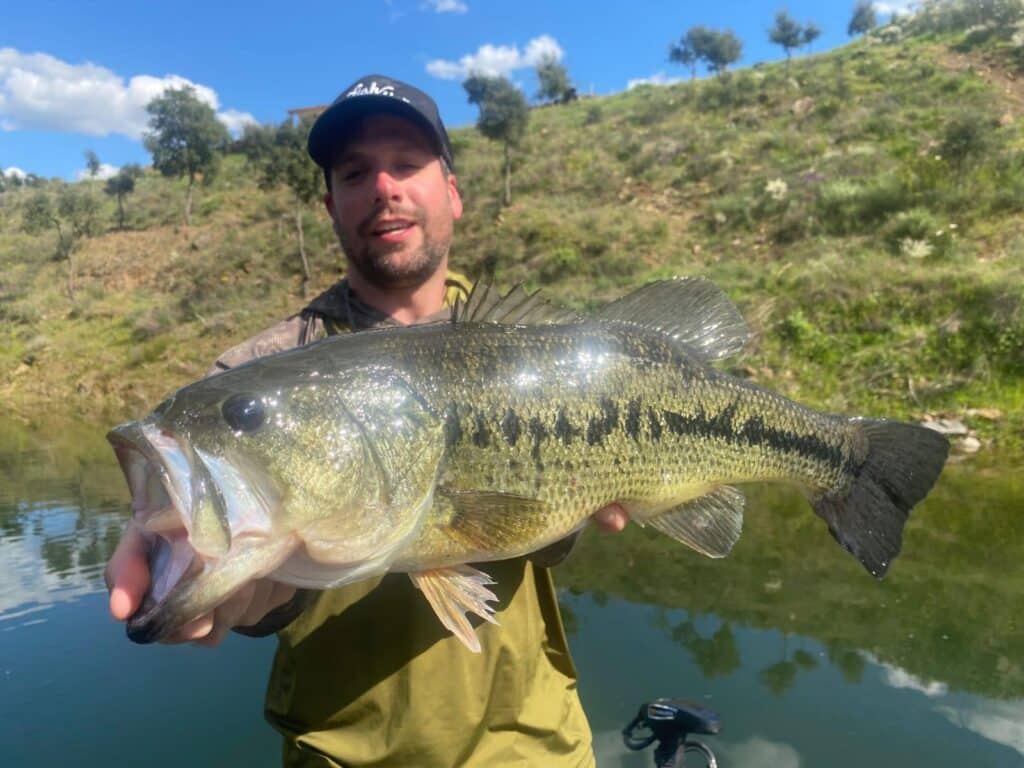
When it comes to predators, the lake has enough to keep us busy all season. Pike are well established, with some fine specimens patrolling the weed beds and drop-offs. Zander make the most of the deep pits and gravelly bottoms typical of former gravel pits. Perch are the most abundant species: regular feeding frenzies liven up the margins from spring onwards, and some of these stripy fish exceed 40 cm. Black bass have also adapted well to the warm Provençal water and hold near sunken wood and water lilies. As for bottom-dwelling fish, there are fine common and mirror carp, tench, bream and a large population of roach and bleak that forms the predators’ larder.
For pike, we favour big 12 to 15 cm shad soft lures and spinnerbaits along the weed beds in spring and autumn; if you are a beginner, our guide to learn how to fish for pike will give you all the basics. Zander are mainly caught by vertical jigging or a slow straight retrieve over the pits, with 10 cm shads weighted between 7 and 14 g, which are particularly effective early and late in the day; check the 2026 fishing season opening dates before targeting this fish, which is subject to a closed season. For perch, the drop shot and small crankbaits work wonders on the drop-offs, while black bass respond well to topwater lures early on summer mornings. Remember also to check the predator season opening dates so that you fish legally.
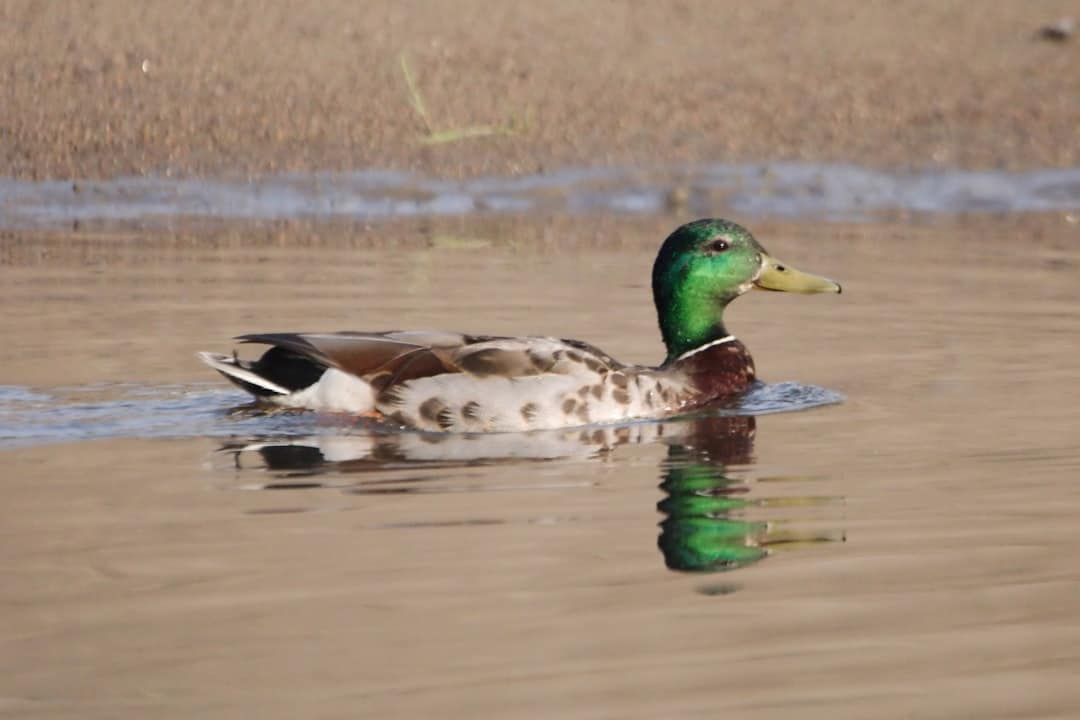
Observing the wildlife and plants helps us enormously in locating the fish. Grey herons and great cormorants, which are numerous on the site, indicate areas rich in forage fish: where they fish, predators are never far away. Reed fringes and beds of pondweed and water milfoil signal top-class pike and black bass spots, while the water lilies in sheltered coves are spots to search with a frog or a weightless soft lure as soon as the weather warms up.
How to get to the lake
Access is very easy by car: the lake lies alongside the D561, on the edge of Peyrolles-en-Provence, about 25 minutes from Aix-en-Provence via the A51 (Peyrolles/Jouques exit). A large free car park is laid out right next to the leisure centre, making it easy to unload your gear. Launching boats with petrol engines is prohibited, but float tubes and boats with oars or an electric motor are tolerated outside the lifeguarded swimming area: check with the local AAPPMA for the exact arrangements depending on the season. By public transport, regional bus lines link Aix-en-Provence to Peyrolles, with a stop in the village about fifteen minutes’ walk from the banks. The lake is easy to walk around, which makes roving bank fishing very pleasant.
Map of the lake
Weather and fishing conditions
The region’s Mediterranean climate strongly shapes our sessions. The water rarely drops below 6-8 °C in winter, which keeps zander and perch reasonably active when fished slowly over the pits. In spring, the rapid rise in temperature (12 to 18 °C between March and May) triggers great windows of activity for pike and black bass. In summer, the surface water can exceed 25 °C: we then fish early in the morning and late in the evening, or deep in the middle of the day. Enemy number one here is the mistral: when it blows hard, float tube fishing becomes tricky, but a moderate wind rippling the surface is, on the contrary, a precious ally in clear water, as it makes predators less wary. The passage of fronts with falling atmospheric pressure often brings memorable evening sessions.
What to do at Lake Peyrolles?
For us, the main activity is of course lure fishing, which can be enjoyed almost all year round from the bank or a float tube. But the site is also a genuine family leisure centre: lifeguarded swimming in summer on the purpose-built beach, paddleboard and kayak hire in high season, shady picnic areas and paths around the lake. Mountain bikers will enjoy the tracks of the nearby Durance valley. In summer, sharing the water with swimmers means we fish the leisure areas early in the morning or in the evening, and move to the wilder banks during the day.
As for spots, several deserve your attention. From the bank, the drop-offs opposite the beach are accessible and productive for zander and perch on the drop shot or with soft lures. The points jutting into the lake let you cover large areas with a crankbait. From a boat or float tube, the central pits left by the extraction are the zander spots par excellence: an echo sounder radically changes the game when it comes to locating them. Finally, the reed margins and sunken trees in the northern sector should be combed methodically with a spinnerbait for pike.
Hiking and scouting swims around the lake
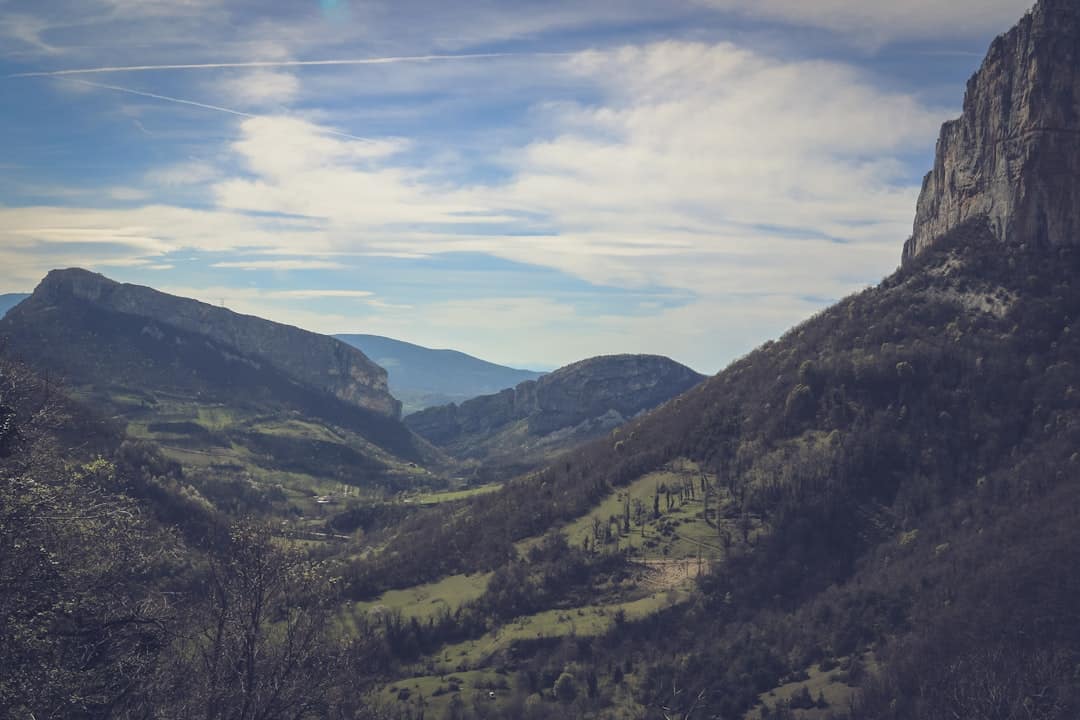
Walking around the lake is the best way to scout spots before fishing. The full circuit of the lake, an easy loop of about 3 km (45 minutes to 1 hour), lets you observe the weed beds, inflows and drop-offs visible in clear water: we recommend doing it with polarised glasses, ideally in late morning when the sun is high. A second loop of about 7 km (2 hours, easy) links the lake to the village of Peyrolles and the banks of the Durance: an opportunity to scout the confluence areas where forage fish abound. Finally, for the most motivated, the trail towards the Concors massif offers a 10 to 12 km loop (3 hours, moderate) with fine high viewpoints over the lake, perfect for photographing the topography of the shallows and planning your float tube drifts.
Where to stay and eat?
There are several options for anglers wanting to stay nearby. Campsites are located around Peyrolles and Jouques, handy for back-to-back morning sessions; note, however, that night fishing is only allowed if a night carp stretch has been officially designated on the lake, which should be checked with the Bouches-du-Rhône angling federation. Rural gîtes and B&Bs in the heart of the village or in the countryside around Aix offer welcome comfort after a day of casting. For food, the village of Peyrolles-en-Provence has several restaurants serving Provençal cuisine, and the weekly market is perfect for stocking up on local produce – olives, goat’s cheese and fruit from the Durance – before heading back to the water.
FAQ – your questions about Lake Peyrolles
Is the lake a good spot for carp fishing?
Yes, the former gravel pit holds fine common and mirror carp, some of which exceed 15 kg. The deep pits and reed margins are the most productive areas, and even as lure anglers we regularly meet carp anglers who are pleased with their sessions here.
Do you need a fishing licence to fish at Lake Peyrolles?
Yes, a valid fishing licence issued by an AAPPMA affiliated to the Bouches-du-Rhône federation is compulsory to fish this lake. You can buy it online at cartedepeche.fr or from local outlets in the village, and the inter-federation licence is accepted thanks to reciprocity.
Is a fish finder useful on this water?
Absolutely, it is even a major asset on a former gravel pit with such irregular contours. A fish finder lets you locate pits, drop-offs and bait balls, which is crucial for vertical jigging for zander and for finding where perch are hunting.
Is night fishing allowed on the lake?
Night fishing is only allowed on night carp stretches officially designated by prefectoral order, and only for carp with immediate release. Check the current status of the lake with the Bouches-du-Rhône angling federation or the local AAPPMA before planning a night session.
Are there zander in Lake Peyrolles?
Yes, zander are well established here and make the most of the gravelly bottoms and deep pits left by aggregate extraction. The best periods are autumn and winter, with vertical jigging or a slow straight retrieve with soft lures, preferably in low light.
Are there any regulated fishing areas?
Yes, fishing is banned in the lifeguarded swimming area during the summer, and some banks may be temporarily closed to protect wildlife or for work on the leisure centre. Signs are in place on site, and we recommend checking the departmental regulations before each session to find out the open seasons for each species and the legal minimum sizes.