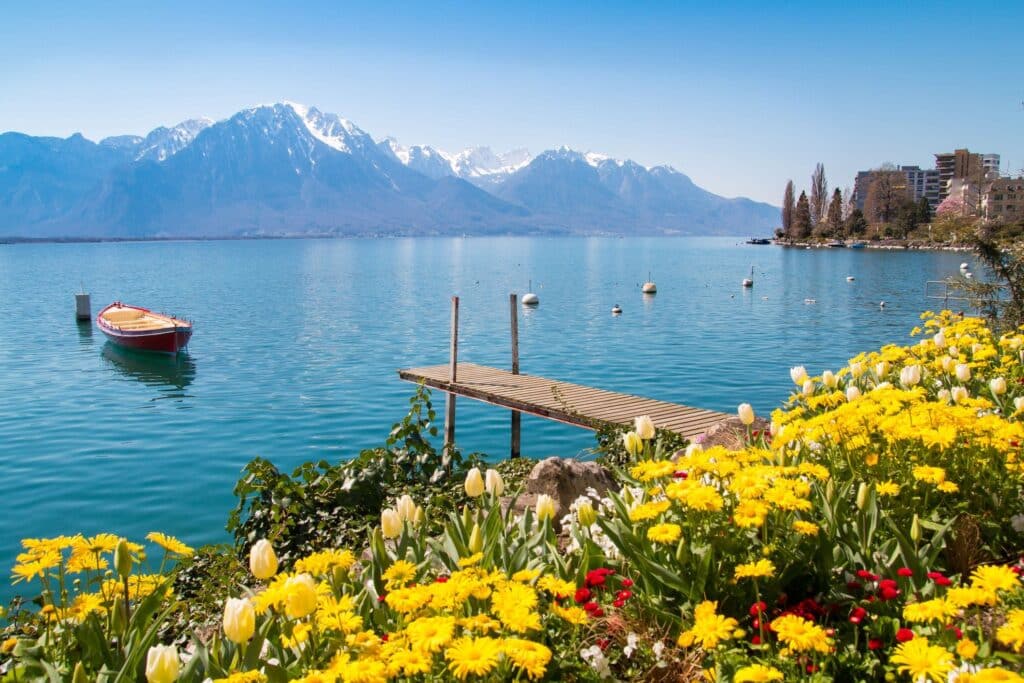
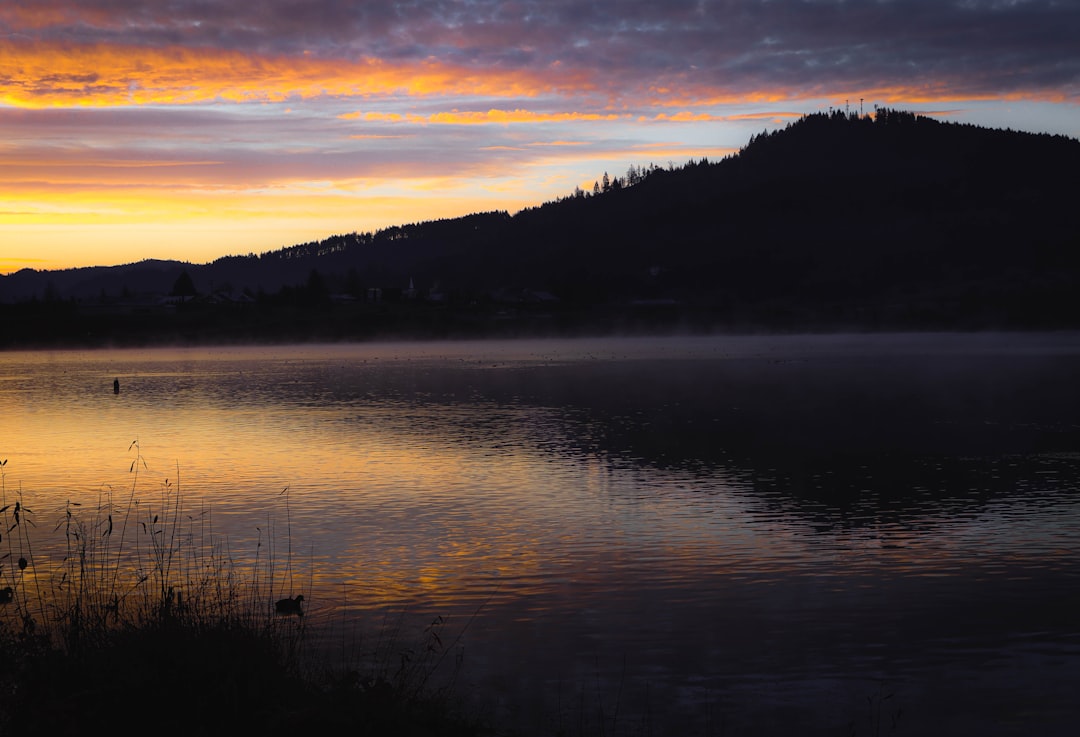
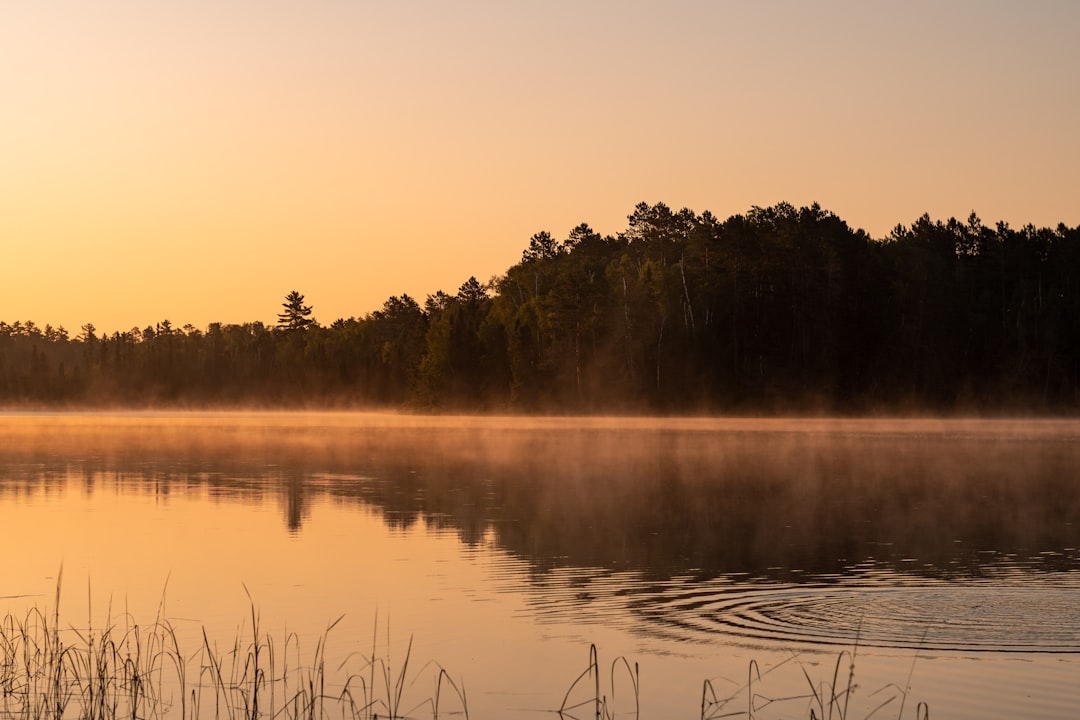
Nestled in the Drôme des Collines, a few minutes from Saint-Donat-sur-l’Herbasse, Lake Champos is a water we are always happy to visit whenever we are looking for an accessible, friendly predator session. Surrounded by wooded hills and orchards, this small leisure lake hides beneath its peaceful surface a fish population that is far more interesting than it first appears.
In this article, we share everything you need to know to fish successfully with lures here: the species present, the techniques that work, the spots to search, as well as practical information on access, weather, accommodation and other activities. Whether you fish from the bank, a float tube or a boat, you will find everything you need here to prepare your next trip properly.
History and features of Lake Champos
Lake Champos is a man-made lake created in the 1970s in the valley of the Champos stream, at around 300 metres above sea level. Originally designed for irrigation and water regulation, it was soon turned into a leisure centre run by the département, becoming the ‘Domaine du Lac de Champos’. Covering around 12 hectares, with depths ranging from 2 to 7 metres depending on the area, it offers a fine variety of features for the lure angler: shallow zones at the tail of the lake, more pronounced drop-offs towards the dam wall, and vegetated margins ideal for ambushing predators. Water-level variation remains moderate, which keeps the hotspots stable from one season to the next — a real advantage for those of us who like to build on our scouting.
Which fish can you catch at Lake Champos?
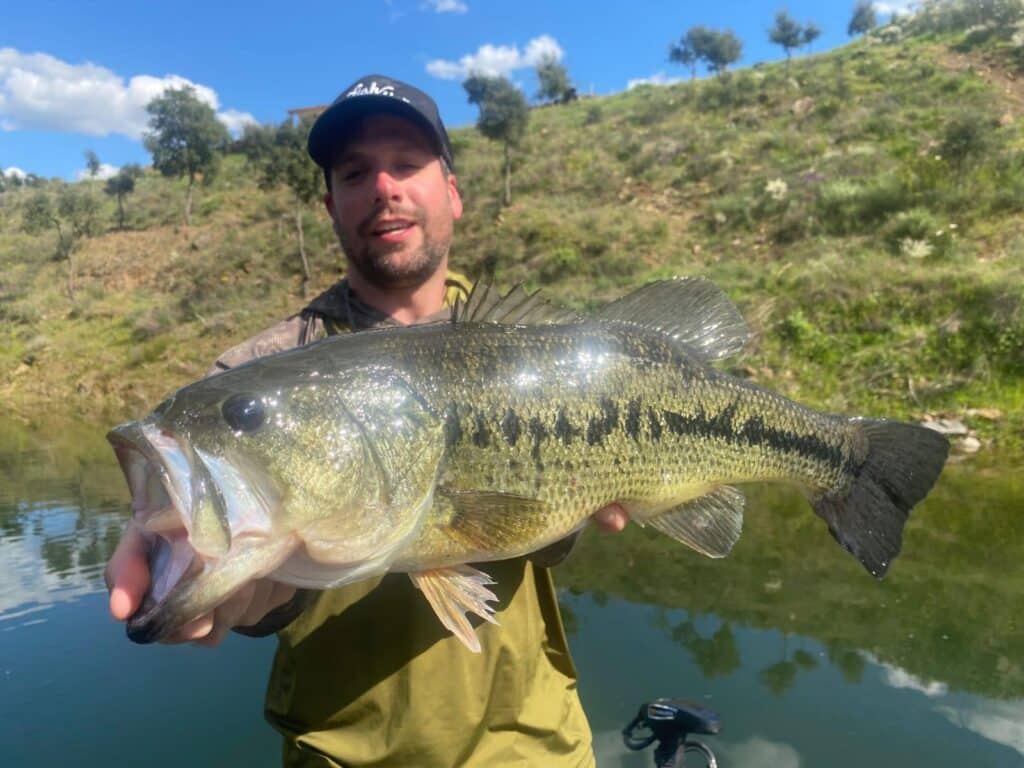
The fish population is typical of the category 2 waters in the region. Among predators, pike is the flagship species: fish of 60 to 80 cm are regularly caught, with a few metre-plus fish reported in good years. Perch are plentiful, often in spectacular feeding frenzies at the end of summer, and a few zander frequent the deep areas near the dam wall. Black bass are also mentioned by local anglers, especially in the snag-filled margins. As for bottom-dwelling and coarse fish, there are carp, tench, roach, rudd and bream, which form a generous larder for the predators.
For pike, we get our best results in spring and autumn by combing the margins with 10 to 15 cm shad-type soft lures, spinnerbaits in the weed beds and a chatterbait when the water colours up — a deadly combo fished on a dedicated pike casting rod. If you are a beginner, the crankbait remains a safe bet for covering ground: we explain this approach in detail in our guide on how to fish for pike as a beginner. For perch, small soft lures on a drop shot and micro crankbaits on the drop-offs work wonders, while zander are sought with vertical jigging or a slow straight retrieve near the bottom, early in the morning or late in the day. Black bass, meanwhile, will respond to Texas rigs cast into submerged branches and under overhanging trees in summer.
Also watch the life around the water: great crested grebes and herons that always stand in the same places give away the presence of forage fish. The reed fringes and pondweed beds that develop in the shallows are all pike and black bass spots to note in your logbook. A cloud of fry spraying at the surface? The perch are never far away, and that is the moment to cast.
How to get to the lake
Access is very easy by car: from Romans-sur-Isère, allow about fifteen minutes on the D53 towards Saint-Donat-sur-l’Herbasse, then follow the signs for ‘Domaine du Lac de Champos’. A large free car park is located at the entrance to the leisure centre, a few dozen metres from the water — handy when you are carrying a float tube and all your gear. Light craft can easily be launched from the gently sloping banks on the beach side, outside the lifeguarded swimming area in summer. Petrol engines are banned; opt for an electric motor or oars. By public transport, bus lines serve Saint-Donat from Romans and Tain-l’Hermitage, but you will still have about 2 km to cover to the lake.
Map of the lake
Weather and fishing conditions
The climate of the Drôme des Collines is semi-continental with Mediterranean influences: hot summers, and cold but rarely harsh winters. The lake water drops to around 5-7 °C in midwinter, rises to 12-15 °C in spring — the magic period for pike along the margins — and exceeds 24 °C in summer, when you need to fish early in the morning or target the deeper layers. For lure fishing, we favour days with a moderate westerly wind that ripples the surface and makes predators less inhibited, as well as periods of falling atmospheric pressure ahead of a rain front: that is often when the perch frenzies explode and the pike come out of the weed. Watch out for the mistral, which can blow hard and make float tube fishing difficult.
What to do at Lake Champos?
Lure fishing is of course our number one activity on this water, which can be fished almost all year round from the bank or from light craft. But the site is also a genuine family leisure centre: lifeguarded swimming in July and August, pedalo and paddleboard hire, a mini-golf course, play areas and mountain bike trails in the surrounding hills. It is the ideal place to combine a morning fishing trip with a family day out — while your family enjoys the beach, you can quietly search the most remote areas.
As for spots, several areas deserve your attention. The dam wall area holds the greatest depths: it is the zone for zander and big perch, ideal for vertical jigging or drop shotting with a One Up Shad mounted at the front. The tail of the lake, shallow and weedy, is pike territory in spring and black bass territory in summer. The wooded margins on the shore opposite the beach, with their fallen trees and shade, are best searched delicately with weightless soft lures. Finally, look for the inflows of the Champos stream: forage fish gather there after rain, and the predators follow.
Hiking and scouting swims around the lake
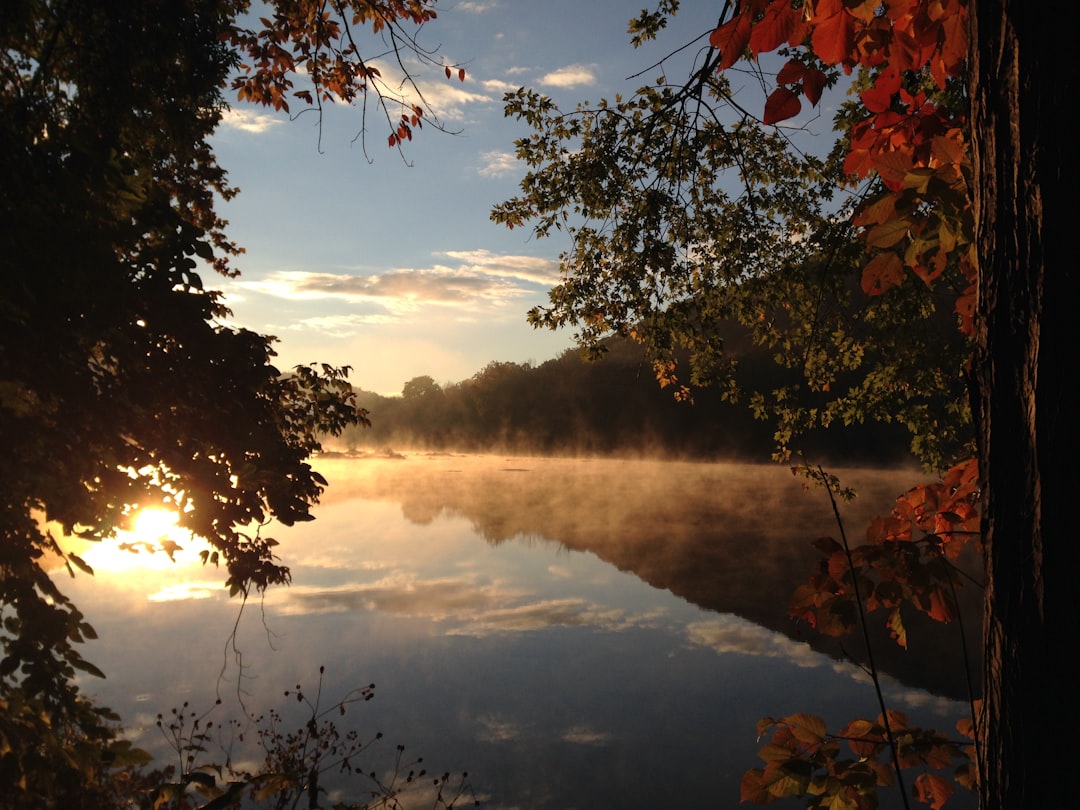
The circuit of the lake is the first must-do loop: about 2.5 km, a 45-minute easy walk, perfect for a full scouting session with polarised glasses. Use it to note the weed beds, sunken wood and changes in water colour that reveal drop-offs. A second loop, the Herbasse hills trail (about 7 km, 2 hours, moderate), climbs higher and offers bird’s-eye views of the lake: it is our favourite way to visually map the shallows and the darker, deeper areas. Finally, a longer loop towards Saint-Donat (10 km, 3 hours) follows the stream that feeds the lake and helps you understand how the forage fish move. Every hike is a scouting session in disguise: photograph the spots, note the coordinates, and come back with rod in hand.
Where to stay and eat?
The Domaine du Lac de Champos has its own campsite with pitches, chalets and bungalows by the water — a real luxury for anglers who want to be at the bank at dawn, when predators are most active. Note, however, that night fishing is not allowed on the lake; check with the local AAPPMA for the latest regulations. Nearby, Saint-Donat-sur-l’Herbasse offers several rural gîtes and quiet B&Bs in the hills. For food, the leisure centre snack bar is open in season, and the village has a few good restaurants serving Drôme cuisine. Don’t miss the Saint-Donat market on Monday mornings: ravioles, picodon cheeses and fruit from the nearby orchards make an excellent bankside snack between casts.
FAQ – your questions about Lake Champos
Can you fish this lake in winter?
Yes, fishing is still possible in winter, subject to the specific closed seasons for pike and zander, generally from late January to late April. It is an excellent time for perch on the drop shot in the deep areas, with slow retrieves and small lures. Always check the local AAPPMA regulations before your session.
Which lure colours work best here?
As the water is usually slightly coloured, we get our best results with natural colours (roach, perch, ayu) in clear weather, and more contrasting shades such as firetiger or chartreuse after rain. For zander near the bottom, white and fluorescent orange remain safe bets in low light.
Can you use a boat or a float tube?
Light non-motorised craft and float tubes are generally tolerated outside the swimming area and outside the summer high season, but the rules can change from year to year. Check with the leisure centre and the AAPPMA before launching, and opt for an electric motor if you take a boat.
What are the best spots on Lake Champos?
The three key areas are the dam wall for zander and big perch in deep water, the weedy tail of the lake for pike in spring, and the wooded margins with submerged trees for black bass in summer. The inflows of the Champos stream also concentrate forage fish after rain, attracting all the lake’s predators.
Is a fish finder useful on this water?
On a water of this size, a portable fish finder is not essential but saves valuable time in locating drop-offs, sunken wood and bait balls, especially for vertical jigging for zander. Even an entry-level model mounted on a float tube will transform how you read the lake and your success rate.
Where can you find baitfish in the lake?
Roach and rudd gather in the shallow areas near the weed beds in spring, then move to the drop-offs and deeper areas in summer and winter. Watch fish-eating birds such as grebes and herons: the places where they regularly stand almost always indicate shoals of forage fish, and therefore predators hunting nearby.