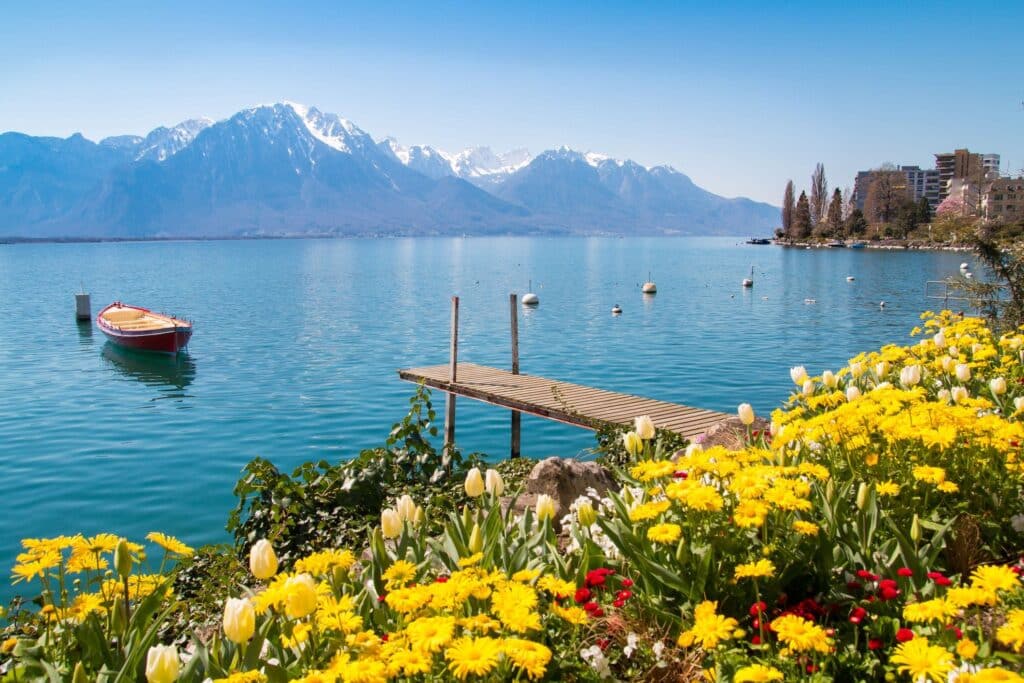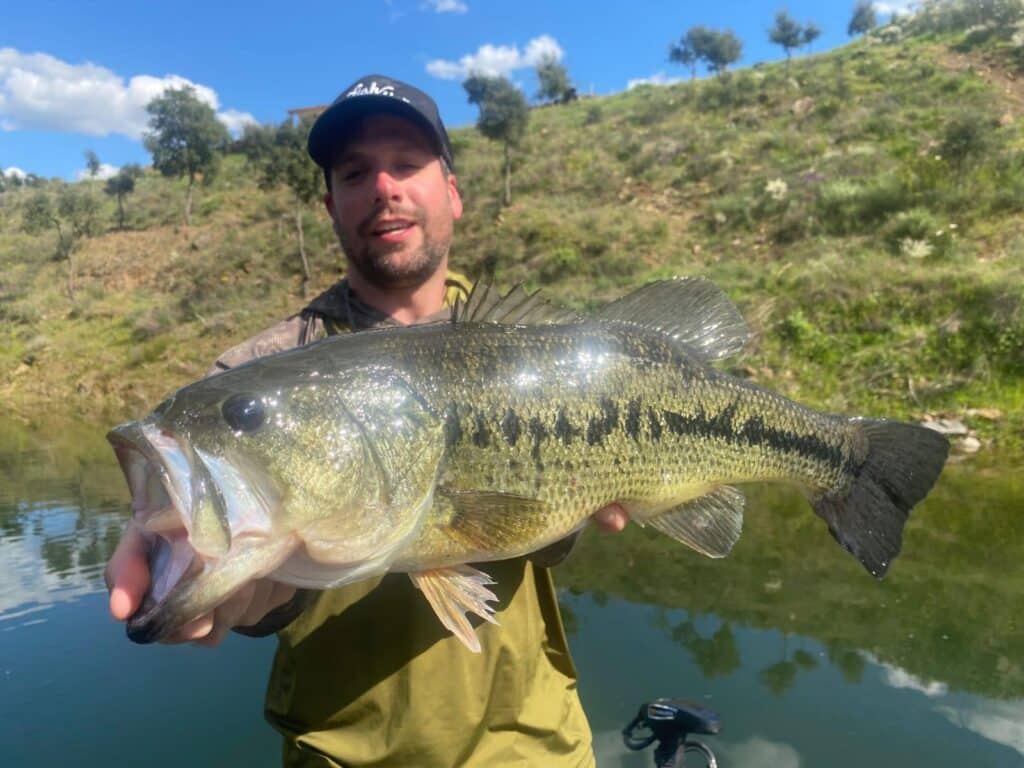
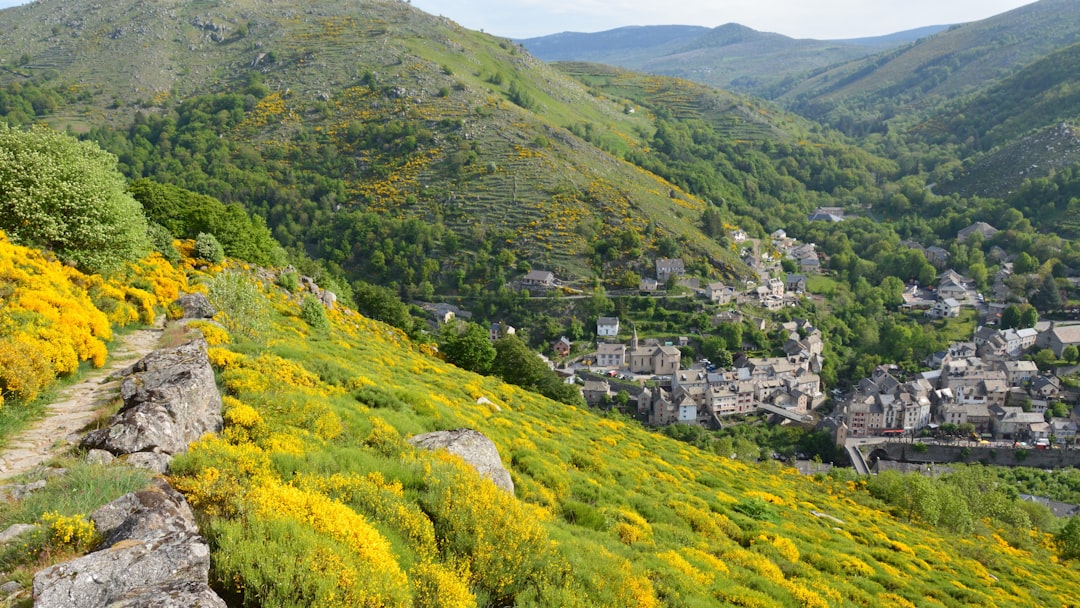
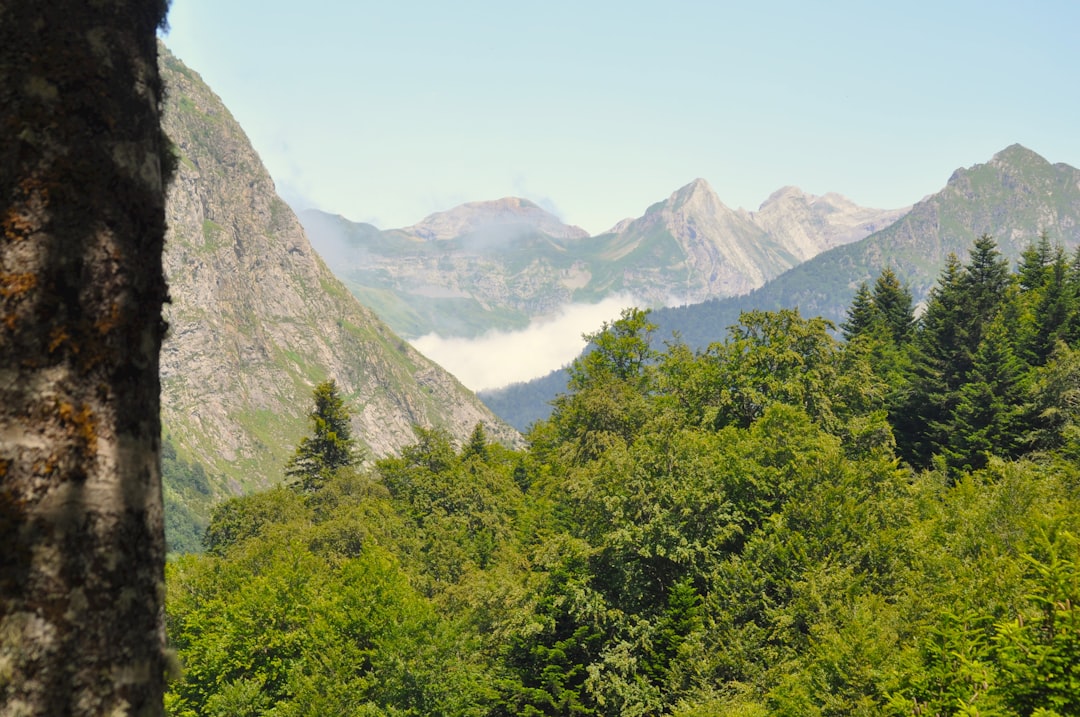
Perched more than 1,200 metres up on the Devès plateau, in Haute-Loire, Lake Bouchet is one of the natural jewels of the Auvergne. This almost perfectly circular crater lake, nestled in the heart of a conifer forest, intrigues geologists as much as anglers. And at Rodmaps, we naturally explored it rod in hand, in search of its salmonids and perch.
In this article, we share everything you need to know to plan a successful lure fishing session on this exceptional lake: the site's history and features, the species present, the techniques that work, access, weather, accommodation and even the best places to eat after a day by the water. Follow the guide!
History and features of Lake Bouchet
Unlike many of the lakes we feature on the blog, Lake Bouchet is not a reservoir: it is a maar lake, in other words a volcanic explosion crater that filled with water around 800,000 years ago. Its almost perfectly round shape makes it a geological curiosity unique in France. In figures, the lake covers about 43 hectares, sits at an altitude of 1,205 metres and reaches a maximum depth of around 28 metres. No river feeds it or flows out of it: it is fed solely by rainfall and underground springs, which gives it remarkably pure water and a clarity that changes everything in our lure approach. On site, this clarity calls for stealth: a fine leader, natural lures and subtle retrieves are a must. The site is listed and protected, which guarantees an unspoilt setting but also means strictly respecting the local regulations.
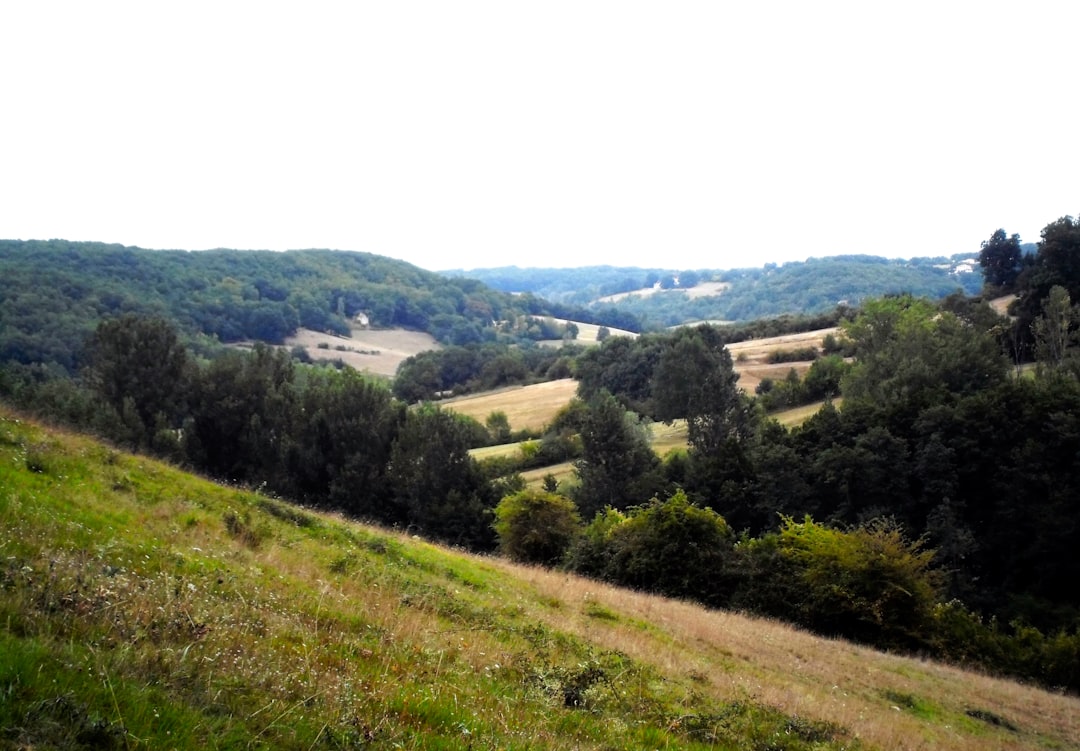
What fish can you catch at Lake Bouchet?
Here, we are first and foremost on a salmonid lake. The water is regularly stocked with rainbow trout and is also home to brown trout, as well as brook trout depending on the stockings. As for predators in the classic sense, perch take pride of place: they are well established and provide great lure sessions, especially in late summer when feeding frenzies become more frequent. On the other hand, don't go looking for pike, zander, catfish or black bass: these species are not part of this crater lake's fish stock. On the bottom, there are a few cyprinids (roach, tench), which make up the larder for the perch and the big trout.
For trout, we favour an ultralight approach: small 4 to 6 cm hard lures, wobbling spoons and micro soft lures on 2 to 5 g jigheads. A fine, sensitive outfit is essential, and we refer you to our selection of the best ultralight trout reels to get properly equipped. The spintail is also a deadly weapon on this deep lake: its density lets you work the drop-offs where trout hold in high summer, when the surface water warms up. For perch, drop shot and small finesse soft lures work wonders along the drop-offs, while a small crankbait triggers active fish at dawn. The best periods: the spring opening, then September-October when the water cools. Remember to check the 2026 fishing season opening dates by species before planning your trip.
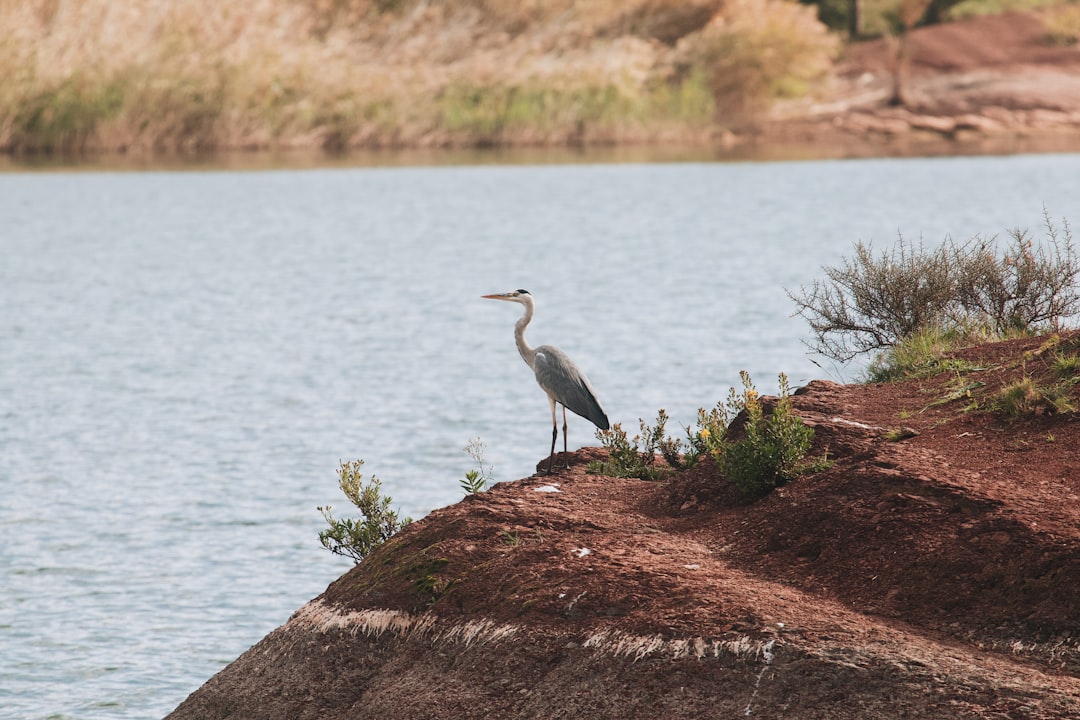
The lake's vegetation belt is discreet but very telling: the few weed beds and reed beds along the edge mark the shallows where perch come to hunt in the morning. The great crested grebes and diving ducks that frequent the lake are also valuable indicators: where they dive persistently, there are baitfish, and therefore predators lying in ambush. The fir forest surrounding the crater also casts shade that is very interesting in the middle of the day.
How to get to the lake
The lake is in the commune of Cayres, about 25 km south-west of Le Puy-en-Velay. By car, it is easily reached via the D31 and then the lake road, signposted from Cayres and Le Bouchet-Saint-Nicolas. A large car park, paying in season, is laid out a few hundred metres from the shore: allow 5 to 10 minutes' walk with your gear, which argues for a light fishing bag and a minimalist set-up. Petrol-engined boats are banned on this listed site; float tubes and light craft are subject to local regulations, which we advise you to check with the AAPPMA before loading the boat. There is no direct public transport: your own vehicle remains the only realistic option for an early-morning fishing session, the most productive time slot on this clear water.
Map of the lake
Weather and fishing conditions
At 1,205 metres, the climate is mountainous: harsh winters with frequent frosts (the lake can partially freeze), cool springs and pleasant summers when the surface water rarely exceeds 20°C. This coolness is a blessing for salmonids, which stay active for much of the season. For lure fishing, we look for overcast days with a light wind rippling the surface: on water this clear, blazing sunshine is our worst enemy. Falling atmospheric pressure ahead of a weather front often triggers great windows of activity. Checking the Lake Bouchet weather before setting off is therefore an essential reflex, especially as conditions change quickly at altitude: we've left the widget below to help you plan your session.
What to do at Lake Bouchet?
Lure fishing remains the main activity on site for us, but the site appeals well beyond anglers. In summer, you can swim at the equipped beach, and paddleboarding and kayaking let you enjoy this crystal-clear water. Mountain bikers are well catered for too, with the many tracks of the Devès plateau radiating around the crater. For us, these gentle water sports have a hidden benefit: a kayak or paddleboard outing is the ideal opportunity to map the lake, or even to take along a portable fish finder to locate the drop-offs, as we do during our predator fishing sessions in Holland.
From the bank, focus on the break in slope: the lake drops off quickly, and the drop-off between the shoreline shelf and the central basin is THE spot for trout and perch. Areas where the forest casts its shadow on the water early and late in the day, the few submerged boulders and the weed bed edges near the beach (outside the swimming area in season) complete the list of spots to work methodically, fan-casting with lures running at different depths.
Hiking and scouting swims around the lake
The lake circuit is an easy, flat loop of about 2.5 km, done in 45 minutes: it's our arrival ritual to read the water, spot perch feeding frenzies and note the shaded areas before setting up the ultralight spinning rod. For a higher vantage point, the crater rim trail (about 4 km, 1 hr 30, easy to moderate) offers bird's-eye views over the lake: in calm weather, you can clearly make out the variations in colour that give away the shallows and drop-offs, a scouting session with polarised glasses that beats any fish finder. Finally, seasoned walkers can carry on along the GR du Devès towards Le Bouchet-Saint-Nicolas (8 to 10 km return, 3 hr, moderate), a lovely way to discover the volcanic plateau between two evening sessions.
Where to stay and eat?
To sleep as close to the banks as possible, the lake campsite, a few minutes' walk from the shore, is our favourite option: ideal for being on the water at dawn, when trout and perch are most willing to bite. Gîtes and B&Bs are also available in Cayres, Le Bouchet-Saint-Nicolas and the surrounding villages for those who prefer more comfort. As for food, the Lake Bouchet restaurant, located right on the site, serves well-deserved local cuisine after a day of scouting — Puy green lentils naturally take pride of place. If you're looking for a restaurant at Lake Bouchet outside the summer season, check the opening hours, and otherwise fall back on the inns of Cayres or Costaros. The Saturday-morning market in Le Puy-en-Velay, with its local produce, perfectly rounds off a fishing trip.
FAQ – your questions about Lake Bouchet
Do you need a fishing licence to fish at Lake Bouchet?
Yes, fishing here requires a valid fishing licence, as the lake is managed locally with specific regulations. Day permits are available on site and from local outlets: check with the local AAPPMA or the Haute-Loire fishing federation before you come, particularly to find out the quotas and legal sizes in force.
Are there wels catfish in the lake?
No, catfish are completely absent from this crater lake. Its cold high-altitude water and lack of connection to any river network make their introduction impossible, which is all the better for the salmonid population that has made the site's reputation.
Are black bass present in this water?
No, black bass are not present here: the water is too cold at 1,205 metres for them to breed and thrive. Lure fishing enthusiasts will happily fall back on perch and trout, which offer great ultralight sessions.
Can you fish this lake in winter?
Fishing here follows the regulations for salmonid waters, with a winter close season for trout between autumn and spring. The lake can also partially freeze in midwinter, which makes fishing difficult anyway: the best periods remain the spring opening and the late season in September-October.
Is swimming allowed at Lake Bouchet?
Yes, swimming is allowed in summer at the site's equipped beach. For anglers, this simply means avoiding that area in the middle of the day during the summer season and favouring the morning and evening sessions, which are far more productive on this clear water anyway.
Are there zander at Lake Bouchet?
No, zander are absent from this lake, which is first and foremost a salmonid lake populated by rainbow trout, brown trout and perch. If you're looking for zander in the region, head instead for the large reservoirs of the Loire and Allier, such as Grangent or Villerest.