Nestled in the heart of the Jura, Lake Vouglans is quite simply the third-largest reservoir in France. With its turquoise waters winding for more than 35 kilometres between limestone cliffs, this lake has over the years become a must-visit destination for us lure anglers. Trophy pike, open-water zander, perch in tight shoals: here, every outing can hold its share of surprises.
In this article, we share everything you need to know before casting your lures on Vouglans: the history of the dam, the species present and the techniques that work, access for boats and float tubes, the weather, accommodation (including lakeside camping options) and our answers to the most frequently asked questions. Get your rods ready, we're taking you there!
History and features of Lake Vouglans
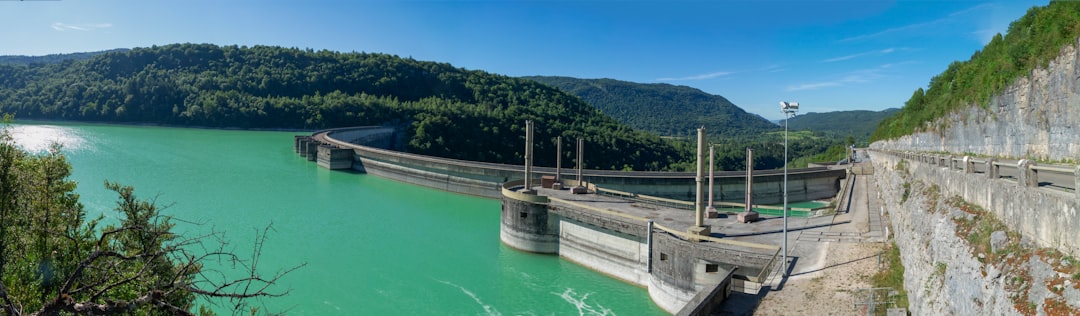
Lake Vouglans was born in 1968 when the hydroelectric dam built on the river Ain was filled. This 130-metre-high arch dam flooded the valley, including the former Vaucluse charterhouse, whose ruins still lie beneath the water. Managed by EDF, the dam is mainly used for hydroelectric power, which explains the sometimes significant drawdown we have to factor into our fishing approach. In figures, the lake covers around 1,600 hectares, stretches 35 kilometres and holds a colossal 605 million cubic metres of water. Depth reaches almost 100 metres at the foot of the dam, at an average altitude of 429 metres. These features make it a true mountain lake with deep, clear water: a demanding but fascinating playground for lure fishing, where a fish finder quickly becomes an indispensable ally for locating baitfish shoals and drop-offs.
What fish can you catch at Lake Vouglans?
Vouglans is above all renowned for its predators. Pike grow to remarkable sizes here, with specimens regularly exceeding a metre, thanks to plentiful roach, bleak and whitefish. Zander are the other stars of the show: populations are dense and the fish often roam open water or the plateaus between 8 and 25 metres. Perch are everywhere, sometimes in impressive shoals that hunt at the surface in the warmer months. There are also lake trout and whitefish, which add a salmonid dimension to this water. As for bottom-dwellers and coarse fish, roach, bream, tench and a few fine carp complete the picture.
For pike, we favour big soft lures on a slow straight retrieve along the drop-offs, as well as swimbaits and deep-diving crankbaits on the plateaus in spring and autumn. Zander here are mostly fished vertically as soon as the water cools, with 10 to 12 cm shads, but drop shot with a finesse lure works wonders when the fish are finicky, provided you use a good fluorocarbon in these crystal-clear waters. For perch, alternate small soft lures on jigheads, crankbaits along the cliffs and casts into the summer feeding frenzies. Mind the dates: remember to check the pike season opening before planning your trip, as the lake is classified as second category.
Watching nature remains an excellent angler's reflex. Great crested grebes and cormorants diving persistently often give away the presence of baitfish shoals, and therefore of predators lying in ambush just below. Bankside vegetation, scarcer on this lake with its steep banks, deserves attention: the few weed beds and trees submerged at high water are prime spots for pike and perch.
How to get to the lake
The lake is about 25 minutes from Lons-le-Saunier and 1 hr 15 from Lyon via the A404 and then the departmental roads. Access is concentrated in three main areas: Bellecin beach on the west bank, the Pont de la Pyle in the centre and the Surchauffant area in the south, all with free car parks. For launching boats, the slipways at Bellecin, Surchauffant and La Mercantine are the most practical — essential on a lake this size, where fishing from a boat considerably widens your options. Float tubes are allowed and easy to launch from the beaches, but be careful: the wind can pick up quickly and the distances are considerable. With public transport virtually non-existent on site, a car is essential to get between the different spots.
Map of the lake
Weather and fishing conditions
The Jura climate is pronounced: cold winters with water dropping to around 5-6°C, hot summers when the surface can exceed 24°C with a well-established thermocline at around 8-12 metres. Spring and autumn offer the best windows for lures, when predators move up onto the margins and plateaus. For our part, we love overcast days with a light westerly wind rippling the surface: Vouglans' clear water makes fish wary in bright sunshine. Stable or slightly falling atmospheric pressure often triggers activity, while a blast of north-easterly bise after a cold front can shut everything down. In summer, target the first hours of daylight for perch feeding frenzies, then fish deep below the thermocline for the rest of the day.
What to do at Lake Vouglans?
Lure fishing is obviously our number-one activity on this lake, whether from the bank, in a float tube or by boat. But Vouglans is also a complete family destination: three equipped beaches with lifeguards in summer (Bellecin, La Mercantine, Surchauffant), paddleboard, kayak and pedalo hire, a water sports centre offering sailing and water skiing, and superb mountain bike trails on the heights. Plenty to keep the family busy while we work the drop-offs at dawn, before joining them for an afternoon swim.
When it comes to spots, several areas are worth a visit. The Pont de la Pyle creates a narrowing where the drawdown current concentrates baitfish: a deadly spot for perch and zander. The rocky points plunging into the lake are pike motorways, as are the shallow bays of La Mercantine in spring. By boat, use your fish finder to locate submerged plateaus between 10 and 20 metres: that's where zander hold for much of the year. From the bank, the riprap near the dam and the steep banks accessible on foot offer good windows when dragging lures along the bottom or slow-rolling for zander from the season opening.
Hiking and scouting swims around the lake
Hiking around the lake is also a chance to spot swims that are otherwise inaccessible. The Belvédère du Regardoir trail (4 km loop, 1 hr 30, easy) offers an exceptional bird's-eye view: in clear water you can make out the shallows, the submerged points and sometimes even shoals of coarse fish. The Surchauffant peninsula loop (7 km, 2 hr 30, moderate) runs past secluded coves perfect for pike from the bank at dawn. Finally, the circuit via the Pont de la Pyle and the Bellecin banks (12 km, 4 hr, moderate) lets you identify the riprap areas and drowned trees exposed when the water level is low — note their GPS positions, they become golden spots when the level rises again! Remember to bring polarised glasses: they turn every walk into a real scouting session.
Where to stay and eat?
To make the most of the morning and evening bites, nothing beats camping at Lake Vouglans. The Surchauffant and La Mercantine campsites are right on the lakeshore, so you can launch your float tube in minutes — note, however, that night fishing for predators is not allowed; check with the local AAPPMA about night carp fishing on the dedicated stretches. For more comfort, plenty of rural gîtes are available in the surrounding villages such as Orgelet, Maisod or Pont-de-Poitte. As for food, you'll find restaurants with lake views at Surchauffant and Bellecin, ideal for debriefing the session, as well as excellent Jura restaurants in Orgelet and Clairvaux-les-Lacs. Don't leave without stopping at the Lons-le-Saunier market (Thursday and Saturday mornings) to stock up on Comté and Morteau sausage: the official fuel of the Jura angler.
FAQ – your questions about Lake Vouglans
How do you fish for perch with soft lures?
On Vouglans, we fish for perch with small 5 to 8 cm shads and finesse lures on 3 to 10 g jigheads depending on the depth. Work the rocky points and jagged riprap, and don't hesitate to switch to drop shot when the fish follow without biting, especially in the clear water of late summer. Look out for surface feeding frenzies early in the morning: a small soft lure cast into the shoal almost always gets a take.
Can you use a boat or a float tube?
Yes, boating is allowed on the lake and several slipways are available at Bellecin, Surchauffant and La Mercantine. Float tubes are also permitted and very handy for working the coves, but stay alert to the wind, which can pick up quickly on this large lake. Check the restricted areas near the dam and the lifeguarded beaches in summer.
Are black bass present in this water?
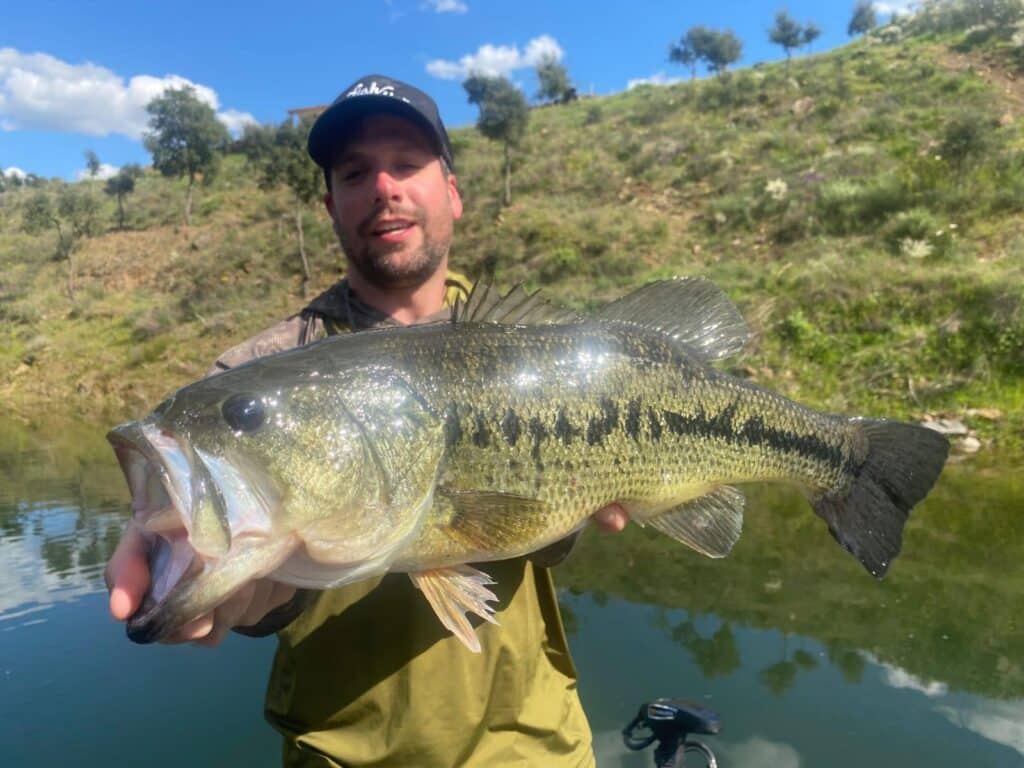
Black bass is not an emblematic species at Vouglans, whose deep, cool mountain-lake waters do not suit it. A few occasional catches are sometimes reported, but pike, zander and perch are the main targets here. If you're after bass, head instead for warmer, shallower waters in the region.
Is the lake suitable for a family fishing trip?
Absolutely, it's even one of the destination's great assets. The equipped beaches, paddleboard and kayak hire and lakeside campsites keep the whole family busy during your fishing sessions. Children can also easily learn to fish for perch with soft lures from the pontoons and accessible banks near Bellecin and Surchauffant.
Is catch and release practised on the lake?
Catch and release is not compulsory across the whole lake, but it is widely practised by lure anglers, particularly on big pike and trophy zander, which are valuable for breeding. We strongly encourage careful release: a fine-mesh landing net, unhooking pliers and quick handling out of the water. In all cases, respect the legal sizes and quotas in force in the Jura.
Is the lake a good spot for carp fishing?
Yes, Vouglans is home to some very fine common and mirror carp, with specimens over 15 kilos. Night carp fishing stretches are marked out in certain areas; check with the Jura fishing federation to find out which zones are authorised. The drawdown and depth call for a good reading of the water, but the shallow bays in spring offer superb sessions.