Nestled between the Marne and the Haute-Marne, right in the heart of the Champagne humide, the name Lake Der is quite simply the largest artificial lake in mainland France. With its 4,800 hectares of water, this giant attracts thousands of lure anglers every year who come to chase pike, zander, perch and catfish. At Rodmaps, we have spent many sessions here, from the bank and by boat, and we can tell you: this lake fully deserves its reputation as a predator paradise.
In this article, we share everything you need to know before planning a session here: the history of the lake, the species present and the lure techniques that work, access, weather, but also where to sleep, where to eat and how to find the best spots. Get your rods ready, we're taking you there!
History and features of Lake Der
Lake Der, officially called Lac du Der-Chantecoq, is an artificial reservoir that was filled in 1974. Its original purpose had nothing to do with fishing: it was created to regulate the flow of the Marne and protect Paris from floods, by storing water in winter and releasing it in summer. Its name comes from the Celtic "dervos", meaning oak, in reference to the forests that once covered the region. Three villages were swallowed up during its construction, and the bell tower of Champaubert-aux-Bois still rises from the water, now the emblem of the lake… and a predator spot we know well!
In figures, the Der is impressive: a surface area of 4,800 hectares, 77 kilometres of banks, a capacity of 350 million cubic metres and a maximum depth of around 18 metres at its highest level. The lake sits at an altitude of about 140 metres. A crucial point for us lure anglers: the drawdown is very large. The level rises from November to June, then drops sharply in summer and autumn. This variation completely changes the look of the spots from one season to the next, and that's what makes fishing here as exciting as it is technical. The old roads, hedges, stumps and foundations of the submerged villages make an exceptional playground for zander and pike.
What fish can you catch at Lake Der?
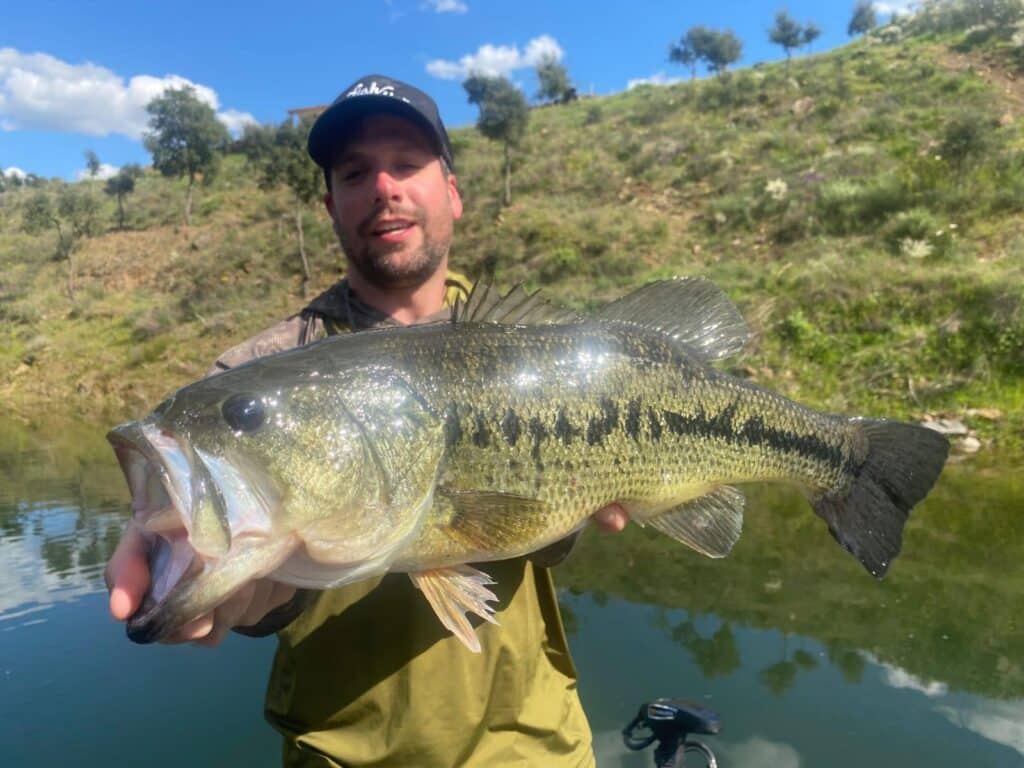
The Der is first and foremost a predator lake, and what a lake! Pike grow to remarkable sizes here, with metre-plus fish caught every year and the potential for very big specimens over 1.20 m. Zander are the other stars of the show: the population is dense and fish of 70 to 90 cm are not rare. Perch are everywhere, with fine stripeys of over 40 cm hunting the fry shoals. Catfish have colonised the lake for several years now and offer brutal fights, with some fish exceeding 2 metres. On the other hand, there are no established black bass here. As for coarse fish and bottom species, there is an enormous biomass: bream, roach, bleak, carp (including very big commons and mirrors) and tench, which make up the predators' larder.
For pike, we favour big soft lures 15 to 25 cm shads on a slow straight retrieve along the drop-offs, swimbaits over the plateaus early in the season, and the spinnerbait in the flooded timber, where it goes everywhere without snagging. Don't forget to check the pike season opening dates before planning your session. For zander, vertical jigging with 10-12 cm finesse soft lures is king from a boat, especially from October to December over the deep holes and old roads: sound between 6 and 14 metres and follow the baitfish shoals. From the bank, a straight retrieve scraping the bottom with a paddle-tail lead works wonders at dawn and dusk. Here again, see our guide to the 2026 predator fishing season opening to fish within the rules. Perch, for their part, respond perfectly to the drop shot on the dam's riprap and to the micro jig, deadly when the fish are sulking. A shallow-diving crankbait remains our joker for quickly working the margins in summer. For catfish, big weighted shads and vertical fishing over the deep holes make the difference.
The Der is also world-famous for its common cranes: more than 300,000 birds stop off here every autumn, a magnificent spectacle between casts. For us, the birdlife is above all a valuable indicator: great crested grebes and cormorants diving give away the shoals of coarse fish, and therefore the predators lying in ambush just below. As for vegetation, the weed beds that grow along the margins in spring, the drowned trees and the reed beds of the Larzicourt and Champaubert peninsulas are all pike spots to work methodically with an unweighted soft lure or a spinnerbait.
How to get to the lake
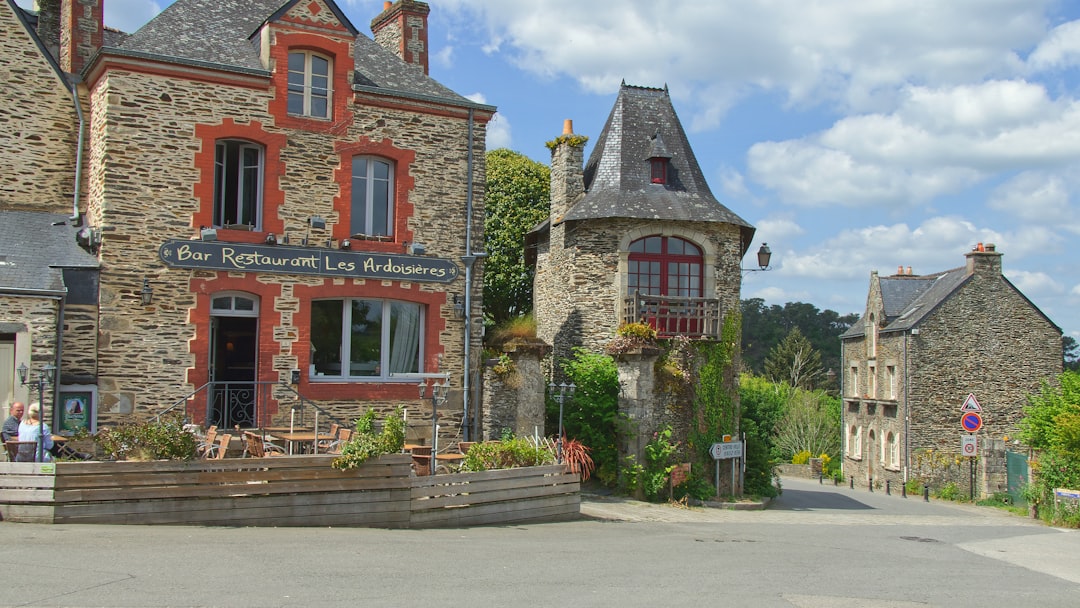
The lake is easy to reach by car: it is about 2 hr 30 from Paris via the A4 and then the N4 (Vitry-le-François exit), 1 hr 15 from Troyes and 1 hr from Saint-Dizier. Numerous free car parks line the 77 km of banks, notably at Giffaumont-Champaubert (the lake's "capital"), Sainte-Marie-du-Lac-Nuisement, Larzicourt and Éclaron. For boat anglers, several slipways are available (Giffaumont, Nuisement, Nemours, Chantecoq), with harbours that can berth your boat for the season. Note: boating is regulated by zone and the water level determines whether the slipways can be used at the end of the season, so check on site before launching. Float tubes and kayaks are allowed in certain areas and offer discreet access to flooded timber that can't be reached from the bank. By public transport, take a train to Saint-Dizier or Vitry-le-François, then a taxi or seasonal shuttle: a car is clearly the most practical option with all your gear.
Map of the lake
Weather and fishing conditions
The Champagne climate is a modified oceanic type: cold, windy winters and hot, stormy summers. The water temperature drops to around 4-6°C in midwinter, rises to 12-15°C in spring, exceeds 24°C in summer and settles at around 10-14°C in autumn, the best period for vertical jigging for zander. Before every session, be sure to check the Lake Der weather: on such a vast, open expanse, the wind can whip up a dangerous chop for boats and float tubes. For lure fishing, our favourite conditions are an overcast sky with a moderate westerly wind oxygenating the wind-blown margins, where perch and pike come to hunt. Stable or slightly falling atmospheric pressure ahead of a weather front often triggers explosive windows of activity. In bright sunshine and high pressure, go deeper in the water column and slow down your retrieves: finesse drop shot and slow vertical jigging often save the day.
What to do at Lake Der?
Lure fishing is obviously our number-one activity here, and there's plenty to do: 4,800 hectares to work from the bank, by boat, kayak or float tube, with four major predator species to target. But the Der is also a complete family destination: six lifeguarded beaches for swimming in summer (Giffaumont, Larzicourt, Nuisement…), paddleboard and kayak hire at the water sports centres, a 38 km cycle route around the lake, mountain bike trails and crane watching at the Maison de l'Oiseau et du Poisson. Plenty to keep the family busy while you comb the water with a crankbait!
When it comes to spots, here are our favourite landmarks: the main dam and its riprap for perch on micro jigs and drop shot, the flooded timber of Champaubert and the Nemours peninsula for pike on spinnerbaits and Texas-rigged soft lures, the area around the Champaubert bell tower and the old submerged roads for vertical zander fishing, and the deep holes of the central channel for catfish. During low water (late summer, autumn), take the opportunity to photograph and GPS-mark the exposed structures: stumps, foundations, drop-offs. This scouting is worth its weight in gold when the lake is full.
Hiking and scouting swims around the lake
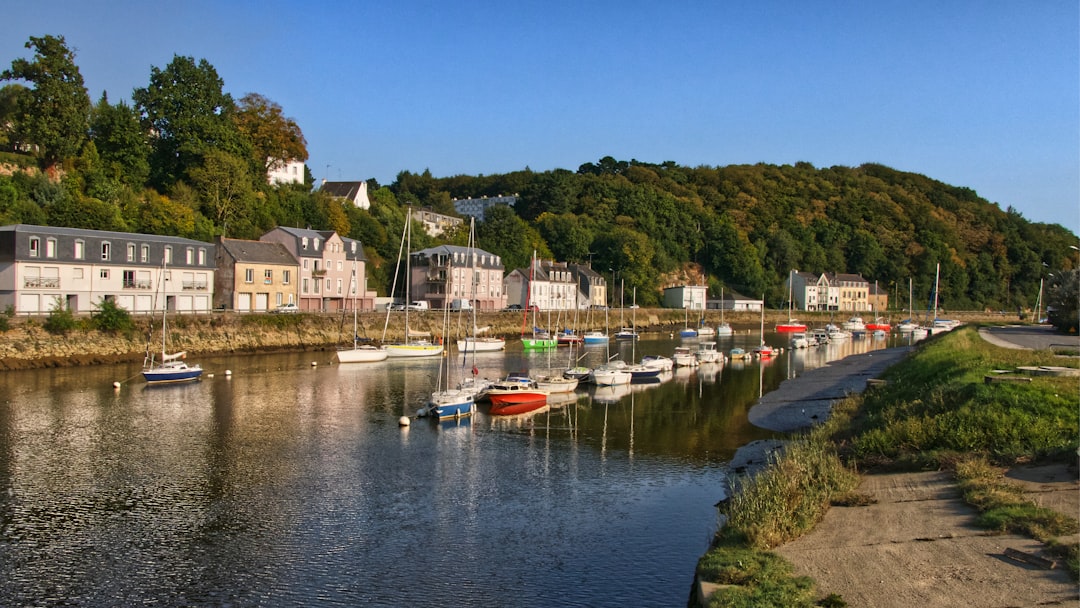
The full lap of the lake along the cycle route is 38 km, doable on foot in two days or by mountain bike in half a day: in our view, it's the best way to map all the banks, slopes and inflows. For a shorter outing, the Champaubert peninsula loop (about 6 km, 1 hr 30, easy) runs alongside the flooded timber and lets you spot casting windows between the trees, ideal for pike. The Grand Der trail on the Sainte-Marie-du-Lac-Nuisement side (about 8 km, 2 hr, easy) offers fine views over the shallow bays where predators hunt in spring. Finally, the walk along the dam between Giffaumont and Éclaron (10 km one way, flat) takes you past all the perch-holding riprap: note the areas where feeding frenzies erupt on the surface, and you'll know where to come back rod in hand with a small crankbait or a finesse shad.
Where to stay and eat?
For accommodation, you're spoilt for choice. Camping at Lake Der is the solution we recommend to anglers: the Presqu'île de Champaubert campsite and the Nuisement campsite are right by the water, perfect for being on your spots at dawn, and night carp fishing is allowed on dedicated sections of the lake for those who want to double up their sessions. There are also many gîtes and B&Bs in the Der's typical half-timbered villages (Giffaumont, Châtillon-sur-Broué, Outines), often equipped to take boats and gear. If you're looking for a restaurant at Lake Der, Giffaumont harbour has several places with water views, ideal for debriefing the session over a regional dish; you'll also find brasseries in Éclaron and Montier-en-Der. The markets in Montier-en-Der (Fridays) and Saint-Dizier let you stock up on Champagne produce before heading back out after the zander.
FAQ – your questions about Lake Der
Is the lake a good spot for carp fishing?
Yes, the Der is one of the most renowned carp destinations in France, with fish regularly exceeding 20 kg. Night fishing sections are specifically marked out, and the density of fish combined with the vast shallow areas makes it an exceptional playground for carp anglers, as well as for lure anglers who sometimes come across these giants in the margins.
Is bank fishing productive on this lake?
Absolutely, and it's one of the Der's great assets: with 77 km of accessible banks, the dam, the riprap and the flooded timber offer excellent spots from the shore. Perch on drop shot and micro jigs, zander on soft lures dragged along the bottom at dawn and pike on spinnerbaits along the margins can all be fished very well without a boat, especially at high water when predators hug the banks.
Is fly fishing possible on the lake?
Yes, streamer fishing works very well on the Der, especially for pike in the shallow areas and flooded timber in spring and autumn. An 8 to 10 weight line with big 15 to 20 cm streamers can take very fine fish, and hunting perch can also be tempted by smaller streamers along the dam.
Is catch and release practised on the lake?
Catch and release is not compulsory across the whole lake, but it is very widely practised by the lure fishing community, particularly on big pike and good zander. At Rodmaps, we strongly encourage releasing breeding specimens to preserve this exceptional fish stock, while respecting the legal sizes and quotas in force for any fish kept.
Are there wels catfish in the lake?
Yes, catfish have been well established in the Der for several years and some specimens exceed 2 metres. They can be fished effectively with lures, notably vertically with big shads over the deep holes and the central channel, or on a straight retrieve with vibrating soft lures in the evening near shoals of coarse fish.
Can you fish this lake in winter?
Yes, fishing remains possible in winter for species whose season is open, such as perch, in compliance with the regulations: pike and zander are protected by the specific predator close season from late January to late April. December and January actually offer excellent vertical zander fishing before the close season, provided you keep a close eye on the weather, as the winter wind can make boating tricky on this huge expanse of water.