Nestled between the Aude and the Hérault, a stone's throw from the Canal du Midi and the village of Homps, Lake Jouarres is a lake we visit regularly during our sessions in the Minervois. Surrounded by vineyards and swept by the sea wind or the tramontane, this artificial lake offers a varied playground for lure fishing, with a fine population of predators that deserves serious attention.
In this article, we share everything you need to know before setting up your rod at the water's edge: the history of the site, the species present and the techniques to fool them, access, weather, the spots to look out for and even where to sleep so you can fish morning after morning. Whether you're a fan of soft lures, jerkbaits or vertical jigging from a float tube, this lake has enough to keep you busy all year round.
History and features of Lake Jouarres
Lake Jouarres is an artificial lake created in the 1970s, straddling the communes of Homps and Azille (Aude) and Olonzac (Hérault). Its original purpose was agricultural: to provide a water reserve for irrigating the Minervois vineyards, fed by the nearby Canal du Midi. Over time, the site has become a must-visit leisure centre in the area and, above all, a locally renowned fishing spot. In figures, the lake covers about 45 hectares, at a modest altitude of around sixty metres, with average depths of 3 to 6 metres and a few deeper holes towards the dam. This relatively shallow profile, combined with a hot Mediterranean climate, makes it water that warms up quickly in spring: a detail that changes everything when fishing for predators at the season opening, as activity starts earlier here than on many inland lakes.
What fish can you catch at Lake Jouarres?
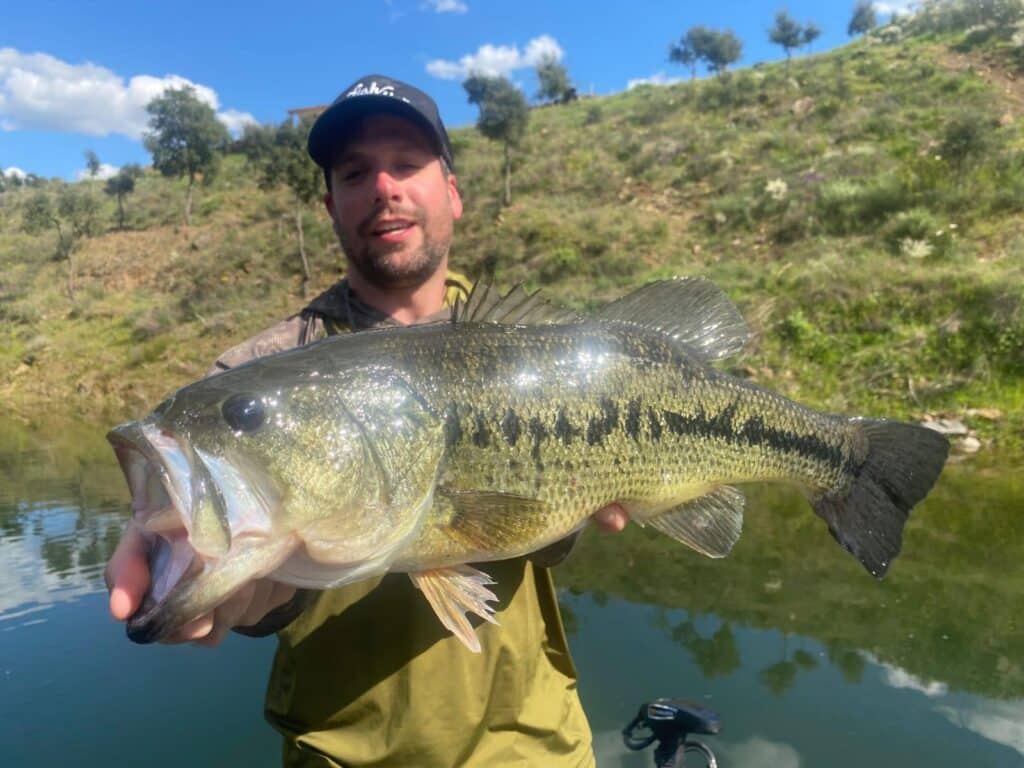
The fish population is typical of Mediterranean lakes fed by the canal: there are pike, zander, very fine perch and a black bass population that has become well established thanks to the hot summers and weedy margins. Catfish are also present, with fish moving in from the Canal du Midi, though without reaching the sizes of the big rivers, like the ones we chase during our catfish fishing on the Rhône. As for baitfish and bottom species, roach, bream, bleak, carp and tench complete the picture and provide a substantial larder for the predators.
In terms of techniques, we adapt our approach to the season. In spring, pike are fished along the margins with chatterbaits and spinnerbaits, perfect lures for combing the emerging weed beds: if you're a beginner, our guide to learn how to fish for pike will give you the basics. Zander, for their part, are mostly caught on soft lures along the drop-offs and at the foot of the dam, dragged along the bottom or fished vertically from a float tube. For perch, drop shot and small crankbaits work wonders around submerged structures, while black bass respond well to unweighted soft lures cast into the snaggy margins in summer. For these powerful chatterbait retrieves, a dedicated pike casting rod clearly makes the difference in comfort and hook-setting.
Observing the wildlife and plants is also an excellent way to locate spots. Grey herons, egrets and great crested grebes fishing actively give away the presence of shoals of small fry, and therefore of predators nearby. The reed beds and marginal weed beds, particularly well developed on the north bank, are natural nurseries: these are areas to work first thing in the morning, when pike and perch come to hunt by sight in very shallow water.
How to get to the lake
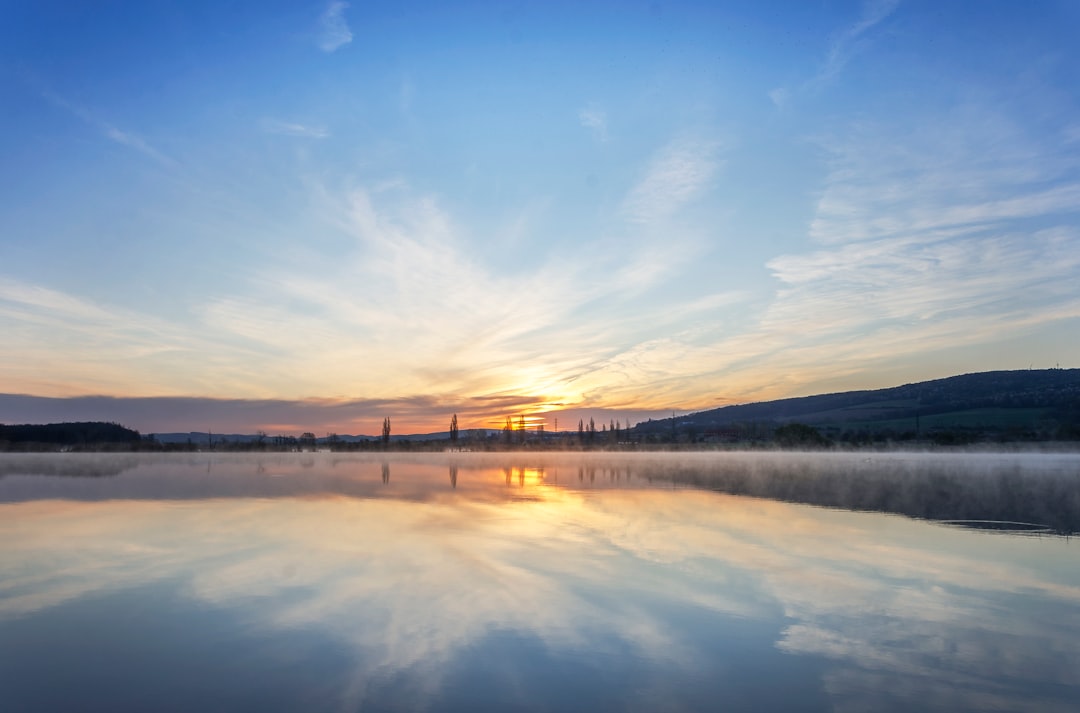
Access by car is very easy: the lake is a few minutes from Homps and Olonzac, about 30 minutes from Carcassonne and 40 minutes from Narbonne via the A61 motorway (Lézignan-Corbières exit) or the D610. Several free car parks are available, notably near the leisure centre and the beach, making it easy to launch a float tube or kayak. Petrol-engined boats are banned, but rowing boats, electric motors and float tubes are perfectly suited to this medium-sized lake. By public transport, it's more complicated: the nearest station is Lézignan-Corbières, and you'll then need a taxi or a bike to reach the banks.
Map of the lake
Weather and fishing conditions
The climate here is distinctly Mediterranean: hot, dry summers, mild winters and an almost constant wind that alternates between the tramontane and the marin sea wind. The water goes from around 8-10°C in midwinter to over 25°C in midsummer, with a rapid rise from April onwards. For lure fishing, we favour days with a moderate wind that ripples the surface and makes predators less wary: a wind-blown bank concentrates the baitfish and therefore the predators. Passing fronts with falling atmospheric pressure often trigger great windows of pike activity, while zander are more willing to bite under overcast skies or early and late in the day. In summer, be sure to target dawn and dusk, as daytime activity becomes very low in the heat.
What to do at Lake Jouarres?
Lure fishing is obviously our number-one activity here, and the diversity of species lets you vary the fun through the seasons: pike and zander in cool water, black bass and perch as soon as the weather warms up. But the site is also a real leisure centre: lifeguarded swimming in summer at the equipped beach, paddleboarding, kayaking, pedalos, and lovely mountain bike routes through the Minervois vineyards and along the Canal du Midi. For families, it's the ideal place to combine a morning fishing session with a relaxing afternoon.
When scouting for spots, several areas stand out. The dam area offers the greatest depths and the sharpest drop-offs: it's the zander area par excellence, to be worked by dragging soft lures or fished vertically. The weedy margins of the north bank and the points jutting into the lake are spots for pike and black bass. If you fish from a boat or float tube, a well-used fish finder will save you precious time locating baitballs and changes in the bottom, especially in winter when the fish gather in the deep areas.
Hiking and scouting swims around the lake
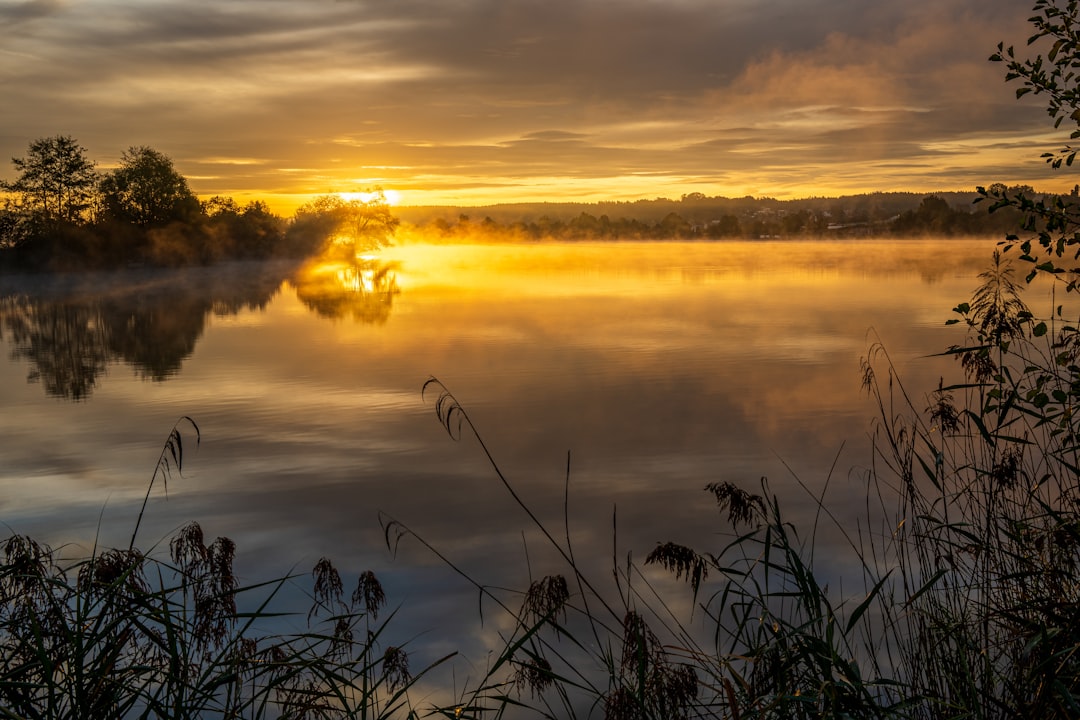
There's nothing like a walk to mentally map the spots before a session. The full lake circuit, an easy loop of about 5 km (1 hr 15 to 1 hr 30 on foot), lets you observe all the margins, inflows and weed beds: do it when the water is clear, with polarised glasses, to spot submerged structures. A second option is to link the lake to the Canal du Midi via Homps, a loop of about 8 km (2 hr, easy) that runs along canal reaches where catfish and zander pass through, interesting for understanding the movement of fish between the canal and the lake. Finally, the sportier can opt for a 15 to 20 km mountain bike loop through the vineyards towards Azille and Olonzac, with elevated viewpoints that perfectly reveal the shallows and variations in water colour, valuable clues for your next drifts.
Where to stay and eat?
To sleep as close to the water as possible, the campsite on the lakeshore is the ideal option: you can literally start fishing at daybreak five minutes from your tent, which is invaluable for making the most of those famous dawn activity windows. Check the local regulations, however, before considering night fishing, which is generally only allowed for carp on specific stretches. The area is also full of gîtes and B&Bs in the wine villages of Homps, Olonzac and Azille. As for food, the port of Homps on the Canal du Midi has several pleasant restaurants with terraces, and the Tuesday-morning market in Olonzac is perfect for stocking up on local produce between sessions. Not forgetting the Minervois wine cellars, to take home a liquid souvenir, in moderation of course.
FAQ – your questions about Lake Jouarres
Where can you find baitfish in the lake?
Shoals of roach and bleak gather along the weedy margins of the north bank in spring and summer, as well as on the wind-blown bank, which collects the plankton. In winter, the baitfish move down to the deep areas near the dam: watch the fishing birds and use a fish finder to locate them quickly, the predators are never far away.
Can you use a boat or a float tube?
Yes, float tubes and non-motorised boats or those fitted with an electric motor are generally allowed, as petrol engines are banned on this leisure lake. Check the regulations in force with the local AAPPMA and avoid the lifeguarded swimming area in the summer season.
What are the best spots at Lake Jouarres?
The dam area, with its deep holes and drop-offs, is the go-to area for zander on soft lures or vertical jigging. The weed beds and reed beds of the north bank and the points jutting into the lake are the best spots for pike, black bass and perch, especially early in the morning and late in the day.
How do you fish for perch with soft lures?
Go for small 5 to 8 cm soft lures rigged on a drop shot or a light jighead, worked around submerged structures and drop-offs. Natural colours work in clear water, while bright colours bring out active perch when the water is coloured; don't hesitate to persist on a spot, as perch hunt in packs and bites often come in runs.
Are there zander at Lake Jouarres?
Yes, zander are well established, notably thanks to exchanges with the Canal du Midi, which feeds the lake. They are mainly targeted in the deep areas near the dam and on the drop-offs, with soft lures dragged along the bottom or fished vertically, the best periods being autumn and winter under overcast skies.
Are there any regulated fishing areas?
As on any public water, a valid fishing licence is compulsory and the lifeguarded swimming area is closed to fishing in the summer season. The opening dates for pike and zander, quotas and legal sizes apply: check with the local AAPPMA or the Aude fishing federation for any reserves and the up-to-date regulations before your session.