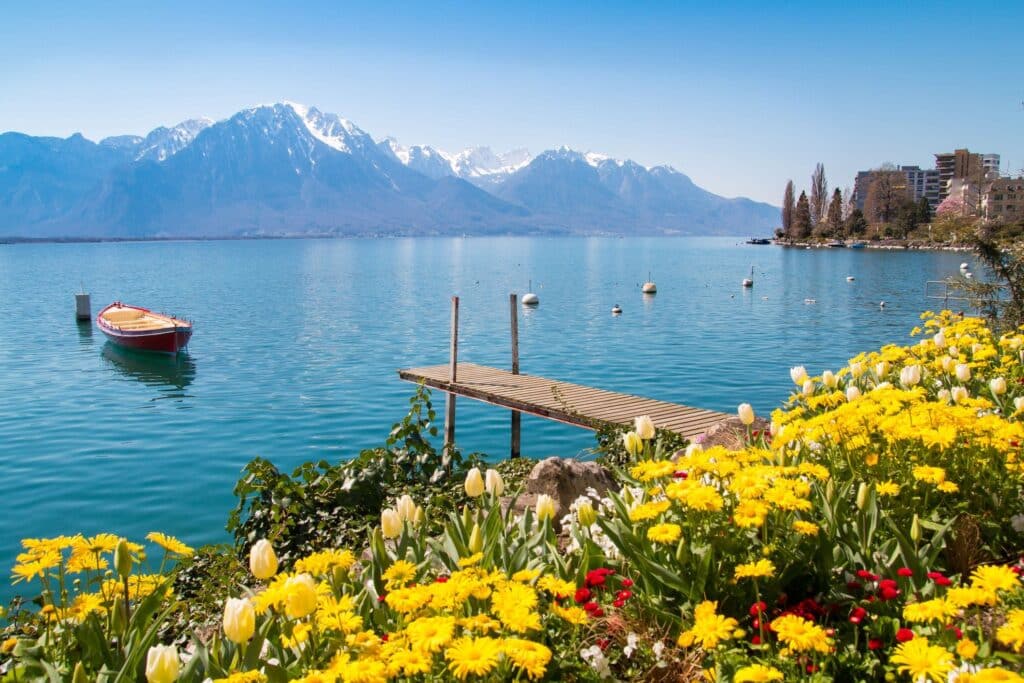
Nestled in the heart of the Écrins National Park, more than 1,500 metres above the Vénéon valley, Lake Lauvitel is one of the jewels of the Oisans. Reachable only on foot from the hamlet of La Danchère, near Bourg-d'Oisans in the Isère department, this high-altitude lake attracts hikers and photographers every year. But what many people don't know is that it is also a top destination for us lure anglers, with wild salmonids living in exceptionally pure water.
In this article, we take you to discover this legendary lake from the angle we are passionate about: lure fishing. The history of the site, the species present, techniques suited to brown trout and Arctic char, access, weather, Lake Lauvitel hiking to scout the best spots… We share everything you need to know before packing your rucksack and slipping a few lure boxes inside.
History and features of Lake Lauvitel
Unlike many alpine lakes held back by hydroelectric dams, Lake Lauvitel is an entirely natural lake. It formed several thousand years ago following a gigantic rockfall that blocked the valley, creating a natural dam behind which meltwater built up. The result is spectacular: with a surface area of about 35 hectares at its high level, an altitude of 1,530 metres and a maximum depth of around 65 metres, it is the deepest lake in the Écrins National Park. A fascinating feature for us anglers: its level varies by several metres over the seasons, because the water seeps through the scree dam and re-emerges further down. This fluctuation changes the fishing spots from one visit to the next. Note also that part of the western shore borders the Lauvitel integral reserve, created in 1995 and the first of its kind in France: a scientific sanctuary strictly closed to the public, which must be fully respected.
Which fish can you catch at Lake Lauvitel?
Let's be clear from the outset: there are no pike, zander or black bass here. This is a high-altitude lake classified as first-category water, and salmonids reign supreme. The population consists mainly of wild brown trout, Arctic char that exploit the lake's great depths, and a few brook trout from past stockings. The brown trout occupy the margins and the inflow areas, while the more mysterious char move along the deep drop-offs, making them a fascinating technical challenge on lures. For exact dates and the regulations governing trout fishing in first-category waters, always check the prefectoral orders before heading up.
As for techniques, we favour ultralight gear: a 1.80 m to 2.10 m rod rated 1-5 g or 2-8 g, paired with an ultralight reel suited to trout fishing spooled with fine braid. Small spoons of 2.5 to 5 g are deadly for searching at long range and getting down through the water column, especially for char at the beginning and end of the season. Sinking minnow-type hard lures of 4 to 5 cm excel along the scree, and a small crankbait, one of the best trout lures, is ideal for scraping the rocky margins when the brown trout are hunting invertebrates. In midsummer, when the fish go deeper, a micro soft lure on a 2 to 5 g jighead, worked in a sawtooth pattern down the drop-offs, becomes our main weapon. The best windows: June after the opening and the thaw, then September when the water cools.
The site is home to remarkable biodiversity that can tell us a lot about the lake's activity: golden eagles, chamois and ibex frequent the surrounding slopes, and swallows or wagtails picking insects off the surface often give away a hatch, a sign that the trout are about to rise. As for vegetation, the areas where alders and dwarf willows overhang the water create shade and drop terrestrial food: these are spots to search first, as are the inflows of meltwater streams that oxygenate the water.
How to get to the lake
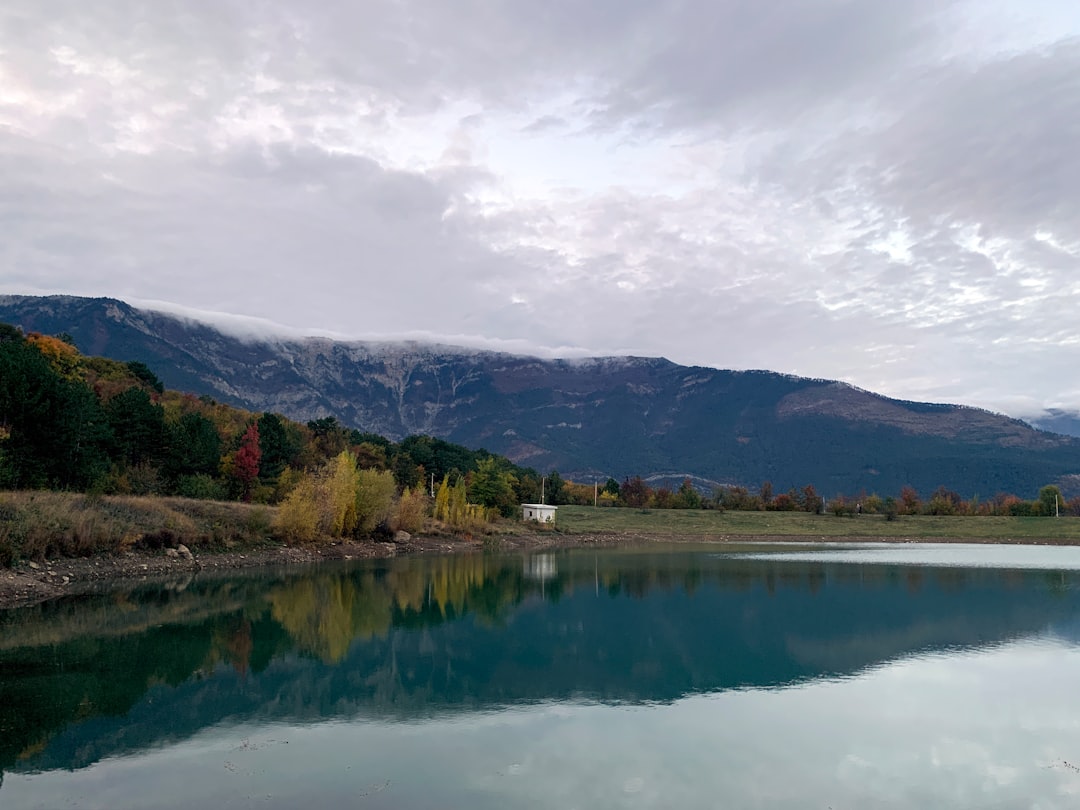
Access has to be earned, and that is what preserves the quality of the fishing. By car, head to Bourg-d'Oisans on the D1091 (the road from Grenoble to Les Deux Alpes), then follow signs for Venosc and the hamlet of La Danchère, where the free car park at the start of the trail is located (around 1,050 m altitude). From there, allow 1 hour 30 to 2 hours on foot and about 500 metres of ascent to reach the lake, via the classic path or the La Selle variant. The direct consequence for us: no boats of any kind, and float tubes are out of the question, as the site lies in the core of a national park where navigation is prohibited. Fishing is therefore done exclusively from the bank, with light, compact gear in your rucksack. By public transport, bus lines link Grenoble to Bourg-d'Oisans and then Venosc in season; you will then have a short walk to La Danchère.
Map of the lake
Weather and fishing conditions
The climate is typically alpine: the lake stays frozen or partly iced over until spring, and the surface water rarely exceeds 14 to 16 °C in the height of summer. In June, the very cold meltwater (6 to 10 °C) concentrates the fish in the sunniest areas; this is the time to fish slowly and persistently. In July and August, the brown trout are active early in the morning and in the evening, while the char retreat to the depths. September often offers the best conditions, with fish moving back onto the margins before the close of the season. For lures, we look for a light wind that ripples the surface and masks our approach, along with stable or slightly falling atmospheric pressure, often a sign of activity. Beware of mountain thunderstorms, frequent and violent in summer afternoons: always check the forecast before heading up.
What to do at Lake Lauvitel?
Lure fishing is of course our number one activity here: chasing a wild brown trout in such a setting is an experience few destinations in France can offer. For the rest, bear in mind that the site lies in the core of a national park: swimming is strongly discouraged and the water is icy, paddleboards and kayaks are banned like all other craft, and mountain bikes are not allowed on the trails in the park core. On the other hand, hiking to Lake Lauvitel, watching the wildlife (chamois, ibex, eagles) and photography round off a day's fishing perfectly. It is a place to be savoured in peace and quiet, rod in hand.
From the bank, several types of spot deserve your attention. The scree dam area, to the north, offers submerged boulders and steep drop-offs ideal for a soft lure on a slow straight retrieve. The stream inflows at the head of the valley concentrate brown trout looking for food and oxygen, especially in summer. Finally, the rocky points that plunge into the lake let you reach the deep layers where the char cruise: a heavy spoon cast long and allowed to sink often makes the difference there. Make sure you identify the boundaries of the integral reserve, marked on the ground, where all entry is prohibited.
Hiking and scouting swims around the lake
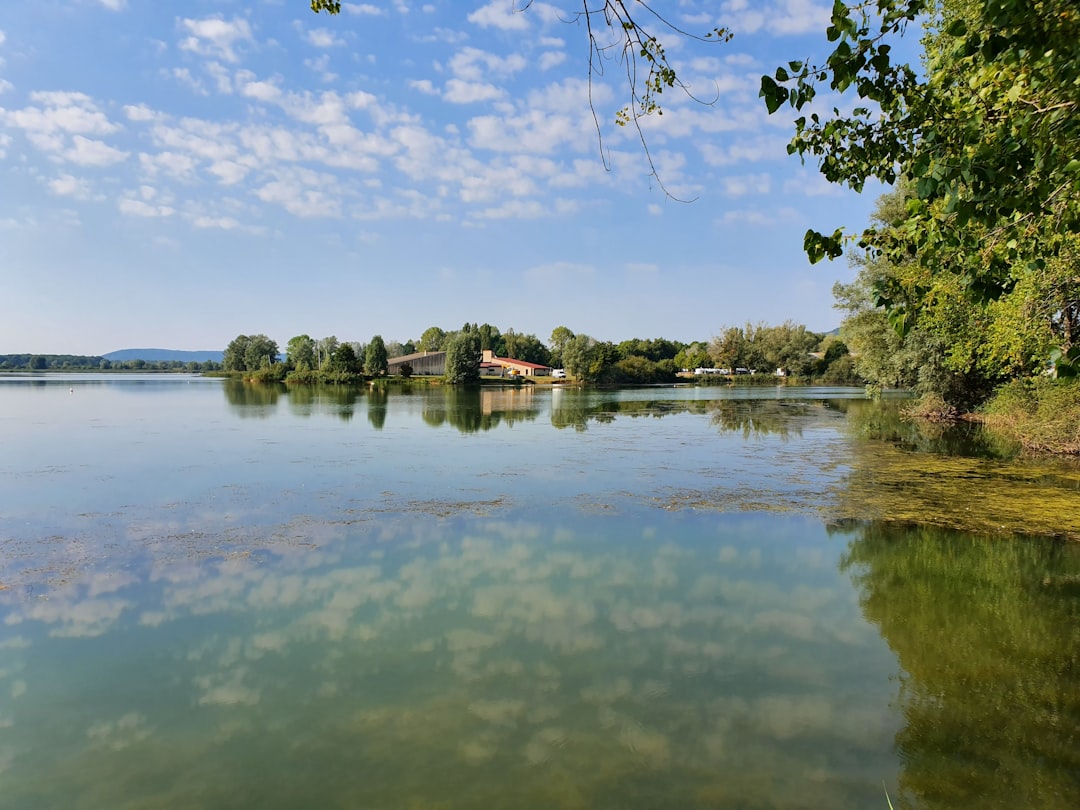
Three routes seem essential to us for combining walking and scouting. The classic climb from La Danchère (about 7 km return, 500 m of ascent, 3 hours to 3 hours 30, moderate difficulty) brings you straight out onto the natural dam: make the most of the end of the climb to look down on the lake and pick out the shallows and the shoals of fish visible in clear water. The loop via La Selle and the classic path (about 8 km, 4 hours, moderate) lets you walk along different sections and identify the active inflows depending on the season. Finally, for the fittest, a partial out-and-back climb towards the Col du Vallon offers an exceptional aerial view of Lake Lauvitel: it was from up there that we spotted our best drop-offs, where the colour of the water switches abruptly from turquoise to deep blue. A tip: take polarised sunglasses with you, they turn every break into a scouting session.
Where to stay and eat?
No camping on the lakeshore, as this is the core of the national park: only regulated bivouacking is tolerated (a light tent pitched from sunset to sunrise, generally from 7 pm to 9 am, more than an hour's walk from the access points), which lets you be at the water's edge at dawn, the golden window for lures. Remember that night fishing is prohibited in first-category waters. For more comfort, the Vénéon valley and Bourg-d'Oisans offer numerous campsites, gîtes and B&Bs, particularly around Venosc and La Danchère. For food, the inns of Venosc serve hearty mountain cuisine, perfect after a day of walking and fishing, and the Bourg-d'Oisans market (Saturday morning) lets you stock up on local produce before heading up: Oisans cheeses, charcuterie and country bread fit perfectly in a rucksack.
FAQ – your questions about Lake Lauvitel
Is a fish finder useful on this water?
As all craft are banned in the core of the national park, a conventional fish finder cannot be used at Lake Lauvitel. A castable sonar thrown from the bank could technically provide information on the bathymetry, but we recommend visual observation with polarised sunglasses instead, as the water is remarkably clear. If the subject interests you for other destinations, a fish finder is one of the finest gifts you can give an angler.
How deep is the lake and where are the holes?
The lake is about 65 metres deep, making it the deepest in the Écrins National Park. The deepest areas lie towards the centre and along the rocky points that drop away steeply, while the natural scree dam to the north offers steep drop-offs that are very interesting for fishing for Arctic char with soft lures or spoons.
Can you fish for pike all year round at Lake Lauvitel?
No, and for a simple reason: pike are absent from this high-altitude lake classified as first-category water, which is home exclusively to salmonids. Here, it is brown trout and Arctic char that await you, and they can only be fished during the first-category open season, generally from March to September. To chase Esox, head down instead to the lakes of the Romanche valley.
Which technique works best for zander in lakes?
Zander are not present in Lake Lauvitel, which is a high-altitude salmonid habitat. Generally speaking, in deep lakes zander are fished vertically with a finesse soft lure or on a drop-shot along the drop-offs, techniques we detail in our dedicated guides. Here, transpose this slow, close-to-the-bottom approach to tempt Arctic char, which respond very well to subtle presentations at depth.
Is swimming allowed at Lake Lauvitel?
Swimming is not formally supervised, but it is strongly discouraged: the water stays icy even in summer, the lake is very deep and the site lies in the core of a national park where the tranquillity of the area must be preserved. For us anglers, that is rather good news, as the margins stay quiet and the fish are little disturbed, even at the height of the tourist season.
Is night fishing allowed on the lake?
No, night fishing is prohibited on this lake, as on all first-category waters: fishing is only allowed from half an hour before sunrise to half an hour after sunset. Regulated bivouacking does, however, let you sleep nearby and be at the water's edge at first light, the best window for tempting a fine brown trout along the margins.