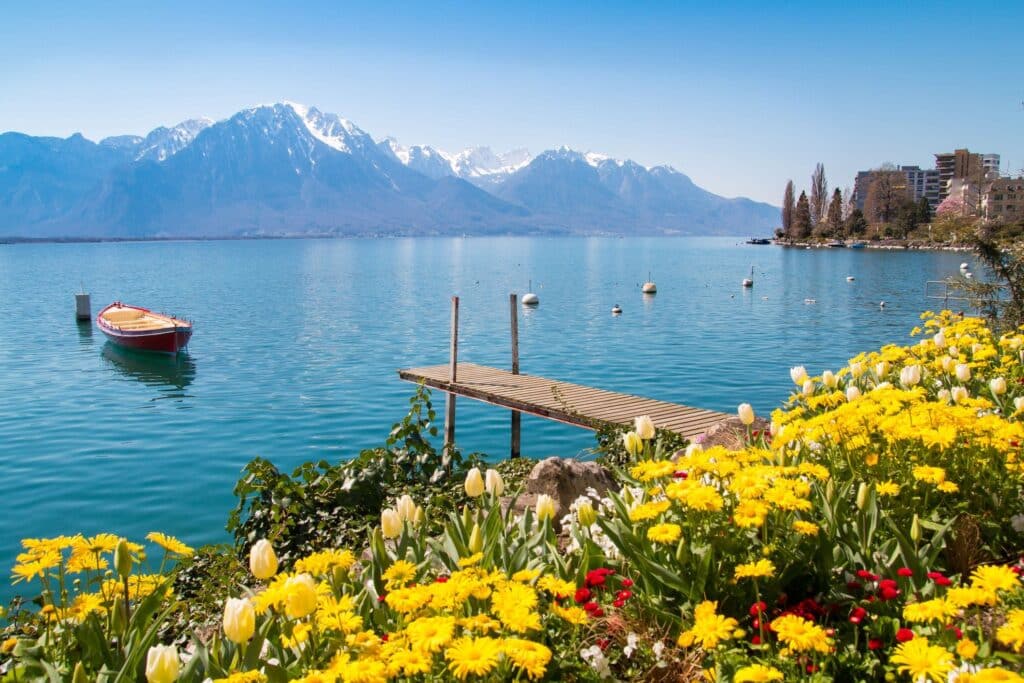
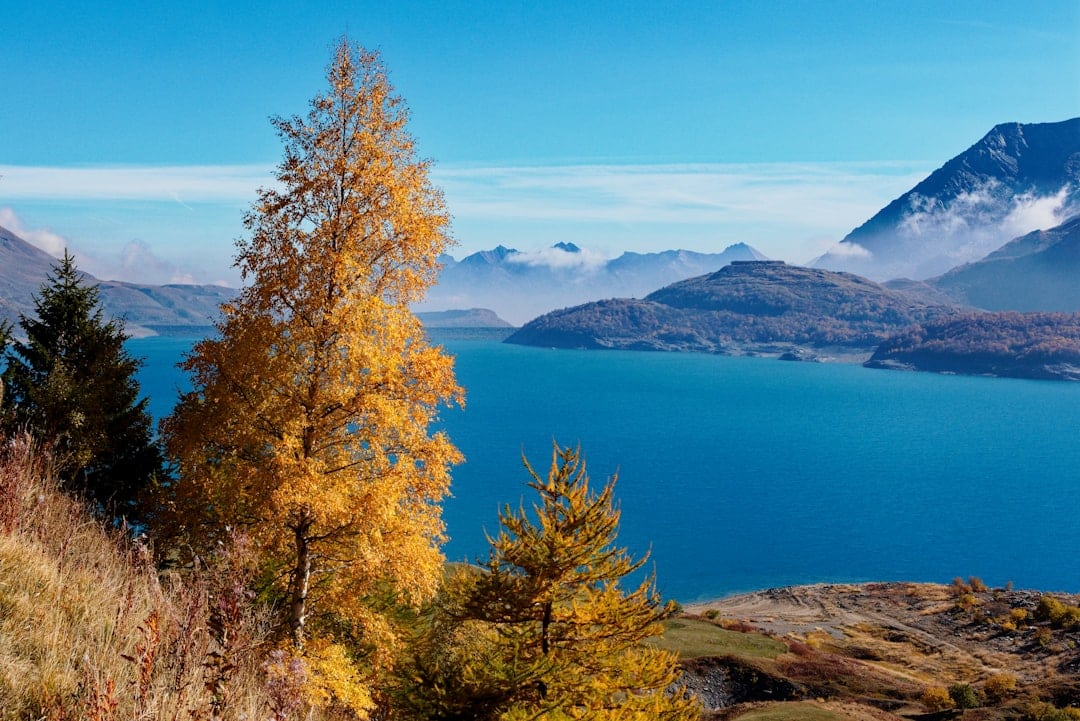
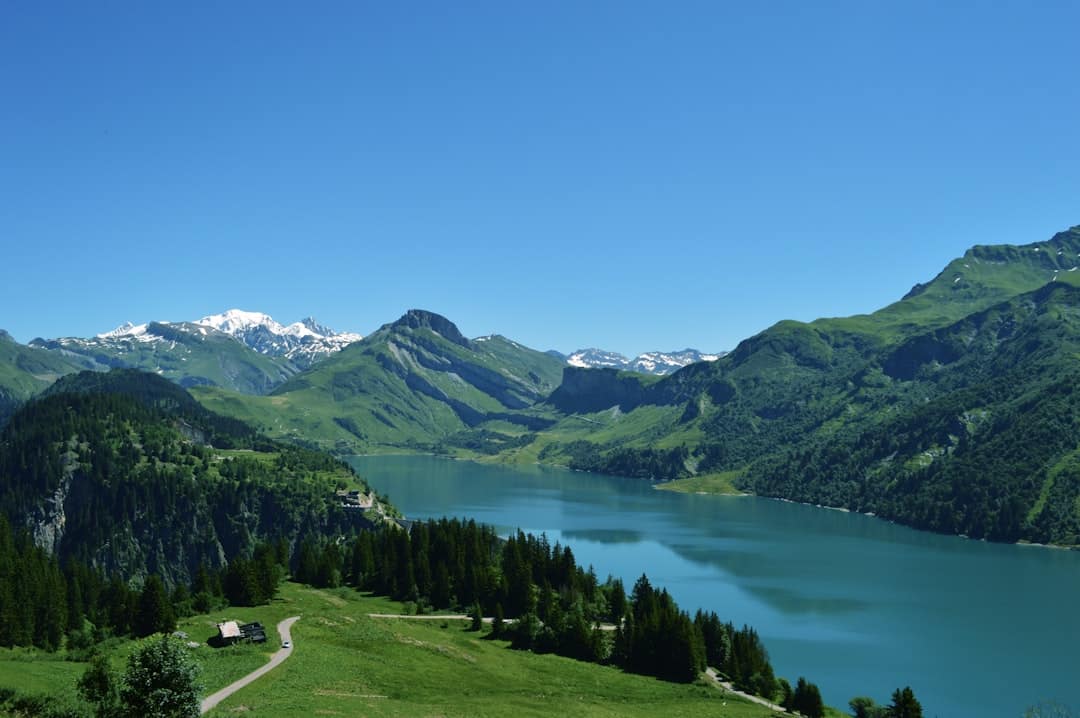
Nestled in the heart of the Lorraine Regional Nature Park, between the Meuse and Meurthe-et-Moselle departments, Lake Madine is one of the largest lakes in the Grand Est region and a destination we are particularly fond of for lure fishing. With its 1,100 hectares of water, its islands, its weed beds and its varied bottoms, this Lorraine reservoir offers an exceptional playground for chasing pike, zander and perch, whether from the bank, by boat or in a float tube.
In this article, we share everything we know about this lake: its history, the species present and the techniques that work, access, the weather, the spots to scout, but also where to sleep and eat to organise a complete fishing trip. Follow the guide, lures in your pocket!
History and features of Lake Madine
Despite what its natural appearance might suggest, Lake Madine is a man-made lake. Work on it began at the end of the 1960s, with gradual filling completed in the 1970s. Its primary purpose is to supply drinking water to the Metz conurbation, but it quickly became a major tourism and fishing hotspot in Lorraine. In figures, the lake covers about 1,100 hectares at an altitude of around 230 metres, with an average depth of 5 to 6 metres and holes reaching 12 to 15 metres in places, particularly near the dam. It holds close to 35 million cubic metres of water. For us lure anglers, this layout is ideal: vast shallow flats colonised by weed beds, sharp drop-offs, sunken timber and islands (including the famous Île Verte) that concentrate predators all year round. It is this varied profile that makes Lake Madine, as the locals sometimes call it, one of the finest pike destinations in eastern France.
Which fish can you catch at Lake Madine?
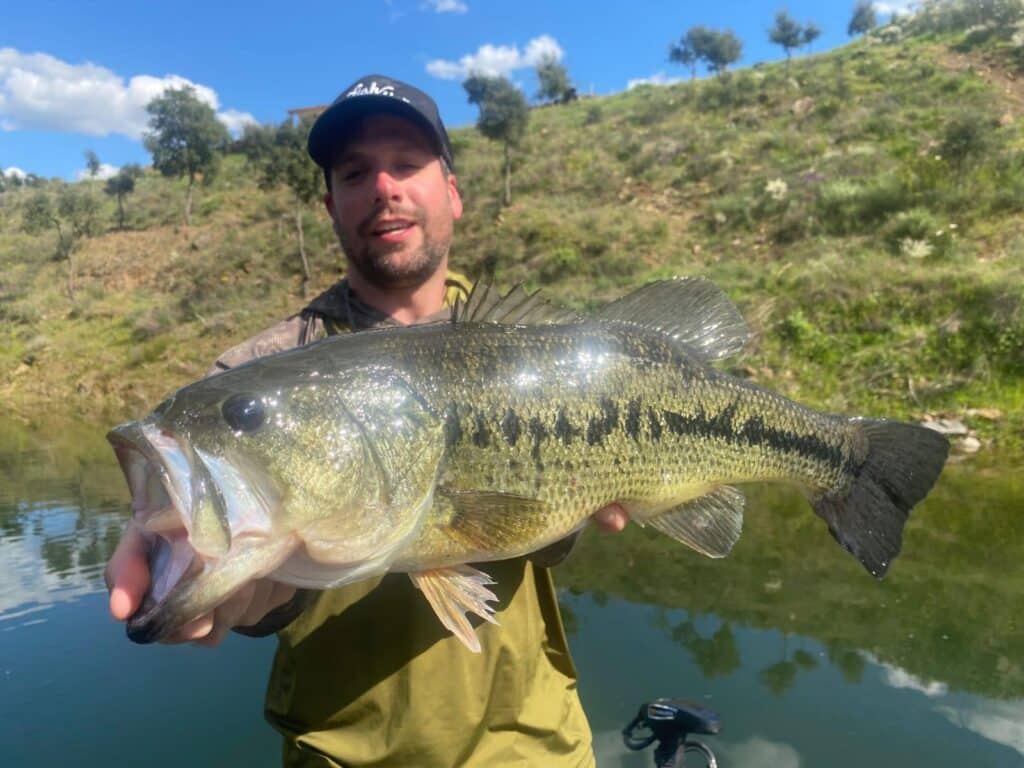
The fish population is rich and the density of predators remarkable. The pike is the undisputed star here: the average size is good and fish over a metre are caught every season in the weed beds and along the drop-offs. The zander is also very well represented, with fine populations over hard bottoms and on the flats between 4 and 8 metres. The perch is abundant, often hunting along the margins and around structure, with nice specimens over 40 cm. The catfish is present and spreading, offering powerful fights to well-equipped anglers. As for silver fish and bottom-dwelling species, there are plenty of roach, bream, rudd, tench and carp: a larder that explains the fine growth of the predators here.
For pike, we favour big soft lures of 15 to 25 cm, Texas-rigged in the weed beds in spring and summer, spinnerbaits to comb snag-ridden areas, and swimbaits such as the Megabass Vatalion 115F along the margins in autumn, the best season here. Be sure to respect the predator fishing season opening dates before planning your session. For zander, vertical jigging with a 10-12 cm shad over the holes and drop-offs works wonders as soon as the water cools, while a bottom-scraping straight retrieve and the drop-shot take over in summer, early in the morning. Perch respond very well to small crankbaits, finesse drop-shot rigs over baitfish shoals and blade baits in winter. For catfish, a big weighted shad worked near the bottom, possibly boosted with a predator attractant, regularly produces results.
The lake is also a major bird reserve: great crested grebes, ospreys and herons frequent the banks. Watch them! A diving osprey or gulls plunging into the surface often give away a shoal of baitfish, and therefore active predators. As for vegetation, the vast beds of pondweed and water milfoil indicate oxygen-rich areas full of fry: these are priority spots for pike, while the reed beds along the margins shelter perch in spring.
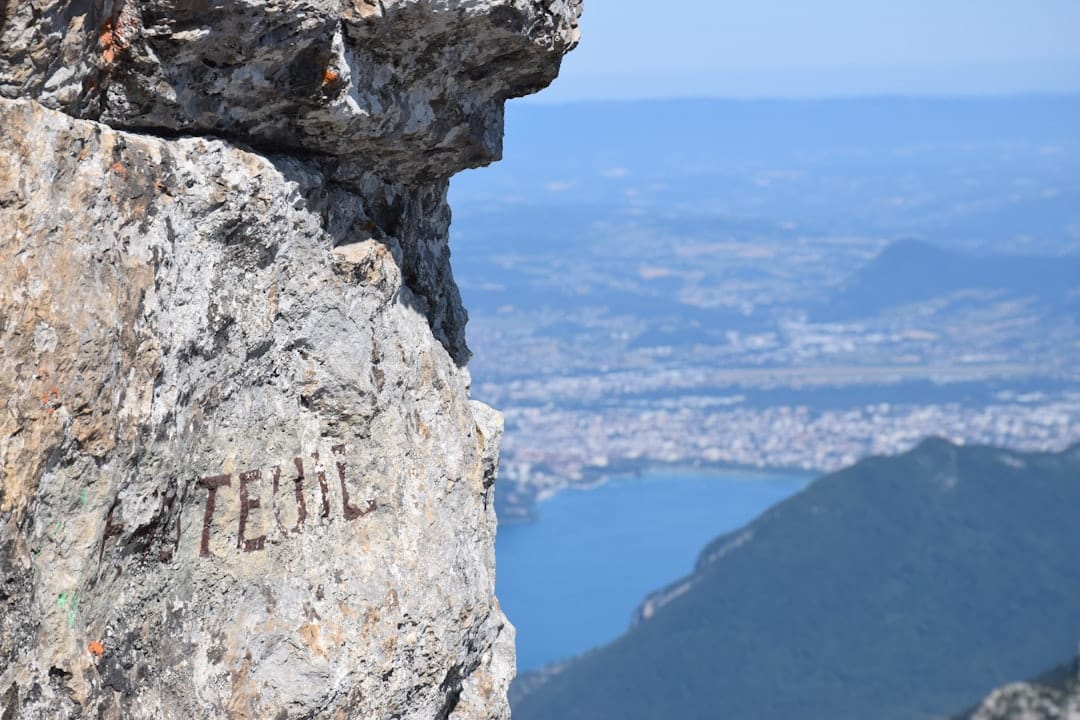
How to get to the lake
The lake is about 35 minutes from Metz and 45 minutes from Nancy by car, via the A4 (Fresnes-en-Woëvre exit) or the D904. The two main entry points are Heudicourt-sous-les-Côtes and Nonsard-Lamarche, each with large free car parks right next to the water, handy for unloading your gear. Slipways are available for boats (petrol engines banned, electric motors allowed: be sure to check the regulations in force on site). Float tubes are allowed in the areas open to navigation, and in our view they are one of the best ways to approach the weed beds and islands quietly. By public transport, access is limited: the nearest station is Commercy, after which you will need a taxi or a bike to reach the banks.
Map of the lake
Weather and fishing conditions
The Lorraine climate is semi-continental: cold winters with water dropping below 5°C (and sometimes partial freezing), mild springs when the water quickly warms back up to 12-15°C over the shallows, hot summers with surface temperatures above 22°C, and cool autumns that trigger the famous late-season feeding frenzies. Before every outing, check the Lake Madine weather : on this large, open lake, the wind can whip up a serious chop and make float-tube navigation tricky. For lures, our favourite conditions are a moderate wind that ripples the surface and oxygenates the exposed margins (predators position themselves there to hunt), overcast skies and stable or slightly falling atmospheric pressure. Avoid the days after a deep depression and the high-pressure heatwaves of July, when you will have to fish deep and early in the morning.
What to do at Lake Madine?
Lure fishing is of course our number one activity here, and the variety of possible approaches (bank, boat, float tube, vertical jigging, power fishing in the weed beds) means you could spend weeks here without getting bored. But the site is also a complete leisure centre: lifeguarded swimming in summer on the beaches at Nonsard and Heudicourt, paddleboard, kayak, pedalo and sailing boat hire, golf, a treetop adventure course and a superb network of cycle paths. It is the perfect place to combine fishing sessions with a family holiday.
As for spots, several areas deserve your full attention. From the bank, search the rocky points and the edges of the weed beds that you can reach from the path around the lake: a weightless soft lure or a spinnerbait regularly triggers pike strikes there. By boat or in a float tube with a noisy topwater lure at first light, target the areas around the islands, the sunken timber and the drop-offs between 3 and 7 metres. The dam area and its deep holes are the favourite spots for vertical zander fishing from autumn onwards.
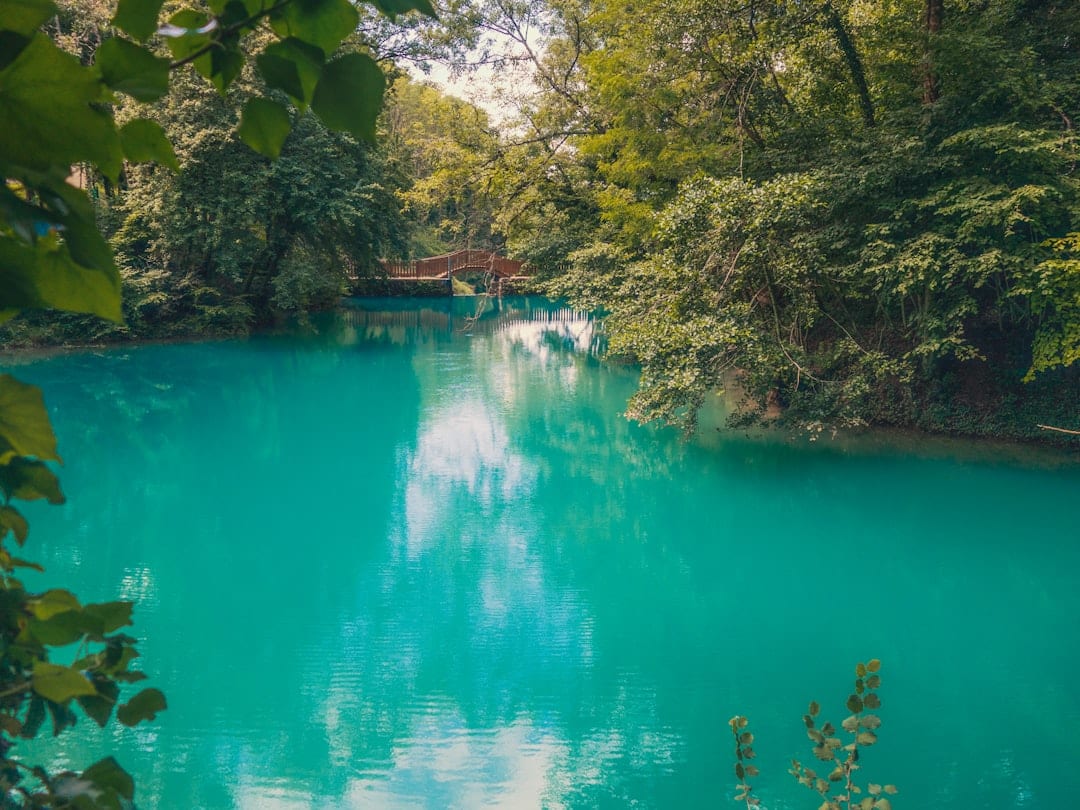
Hiking and scouting swims around the lake
Walking around the lake is the best way to scout spots before wetting a lure. The full lake circuit, about 24 km on waymarked footpaths and cycle paths, takes 5 to 6 hours on foot (or 2 hours by mountain bike, easy): it is the ideal route for mentally mapping the points, the bays sheltered from the wind and the weed beds visible in clear water. For a shorter outing, the Nonsard loop (about 7 km, 1 hour 45, very easy) follows shallow margins that are excellent for pike in spring. Finally, the path from Heudicourt to the peninsula (about 5 km return, 1 hour 15, easy) offers fine views over the drop-offs and submerged trees, golden spots for zander. Our advice: do this scouting in winter when the water level is low, and you will discover the sunken structures that hold fish all year round.
Where to stay and eat?
For a fishing trip, the Nonsard-Lamarche campsite, right on the water's edge, is our favourite option: pitches close to the slipways, perfect for chaining morning and evening sessions (night fishing remains subject to local regulations, so check with the AAPPMA). If you are looking for more comfort, the Lac de Madine hotel in Heudicourt-sous-les-Côtes offers rooms, a swimming pool and good food, a stone's throw from the banks. Rural gîtes are also available in the surrounding villages, such as Montsec and Buxières-sous-les-Côtes. As for food, you will easily find a Lake Madine restaurant at both leisure centres in season, and we recommend a visit to the local markets in Saint-Mihiel or Vigneulles-lès-Hattonchâtel to taste the Lorraine mirabelle plum, perfect for recharging your batteries between two battles with a pike.
FAQ – your questions about Lake Madine
Are there any regulated fishing areas?
Yes, Lake Madine has a bird reserve where fishing and navigation are strictly prohibited, located in the south-eastern part of the lake. The swimming areas are also off-limits in summer, and fishing requires a valid fishing licence with the appropriate stamp: check with the local AAPPMA or the Meuse fishing federation before your visit.
Where can you find baitfish in the lake?
Shoals of roach and fry gather in spring and summer in the weed beds of the shallow bays and along the reed beds, where predators come to hunt them. In autumn and winter, the baitfish move to deeper areas near the dam and the drop-offs: follow them with a fish finder or watch the fish-eating birds, which always give away their position.
How do you reach the best fishing spots?
The best bank spots are along the path around the lake, especially the points and weed bed edges between Nonsard and Heudicourt, accessible on foot or by mountain bike. For the most productive spots, such as the areas around the islands, the sunken timber and the holes, a boat is essential: a boat with an electric motor or a float tube, launched from the Nonsard or Heudicourt slipways.
Is the lake suitable for a family fishing trip?
Absolutely, it is even one of the most family-friendly destinations we know: while you hunt pike, the rest of the family enjoys the lifeguarded beaches, paddleboarding, the cycle paths or the treetop course. The high density of perch also makes it easy to introduce children to lure fishing with a small drop-shot rig or a spinner from the jetties.
Is a fish finder useful on this water?
Yes, it is even a major asset on a 1,100-hectare lake with varied bottoms: a fish finder lets you locate the drop-offs, the sunken timber and above all the baitfish shoals that concentrate zander and perch. Without one, focus on visible structure (weed beds, points, islands) and surface clues such as feeding frenzies or bird activity.
Which technique works best for zander in lakes?
Vertical jigging with a 10 to 12 cm soft lure is the go-to technique for zander as soon as the water cools, concentrating on the holes and drop-offs between 6 and 12 metres. In summer and spring, a bottom-scraping straight retrieve and the drop-shot fished early in the morning or in the evening give the best results, with natural colours in clear water and brighter shades in coloured water.