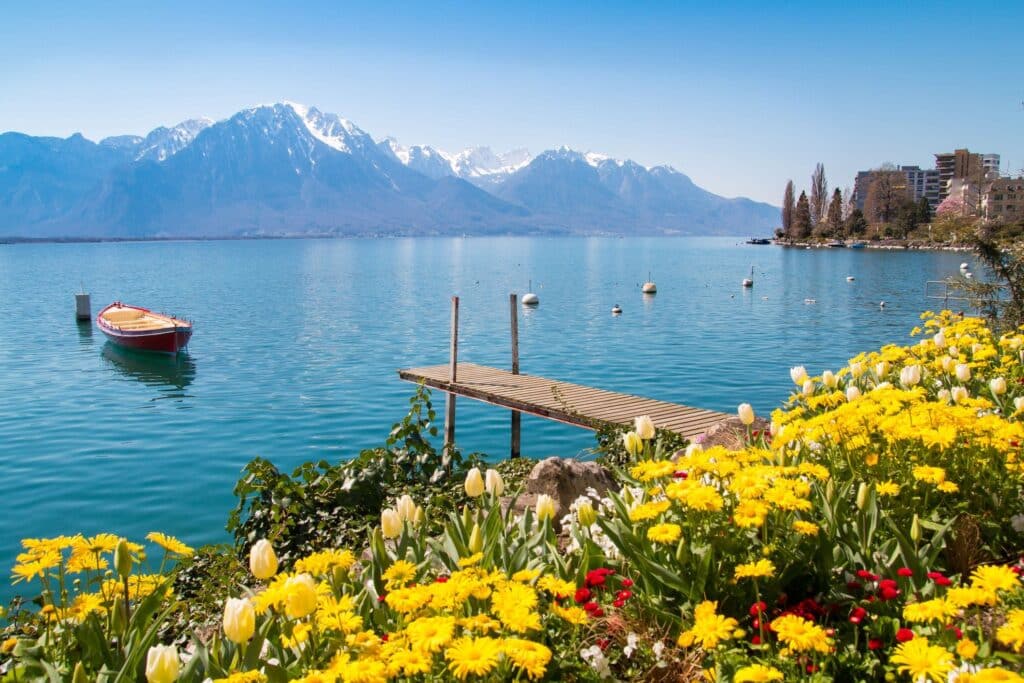
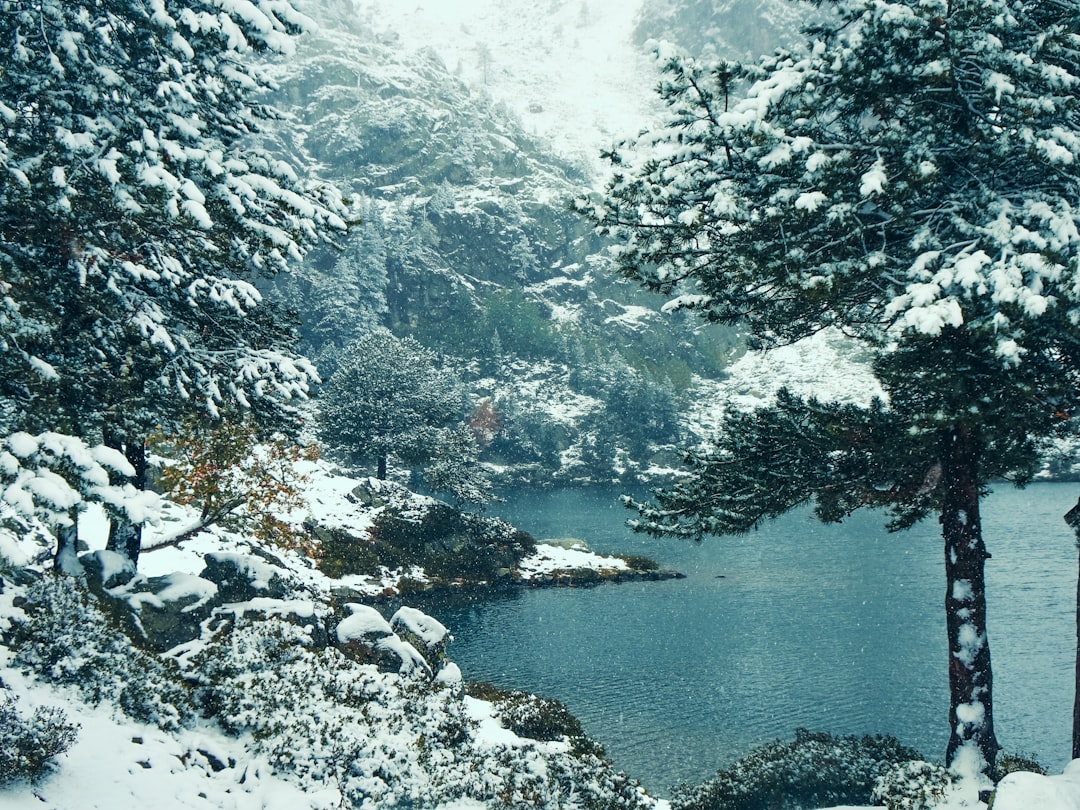
Perched at over 2,000 metres in the Ossau valley, right in the heart of the Béarn Pyrenees, Lake Montagnon is one of those high-altitude lakes that every salmonid lure angler dreams about. We were lucky enough to hike up with rods strapped to our packs, and we may as well tell you straight away: the effort of the approach walk is richly rewarded by the beauty of the site and the fighting spirit of its wild trout.
In this article, we share everything you need to know before heading off to fish this Pyrenean gem: the history and features of the lake, the species present and the lure techniques that work, access, weather, walks for scouting swims and our tips for sleeping and eating in the valley. Get your UL rod ready, we are taking you up into the mountains!
History and features of Lake Montagnon
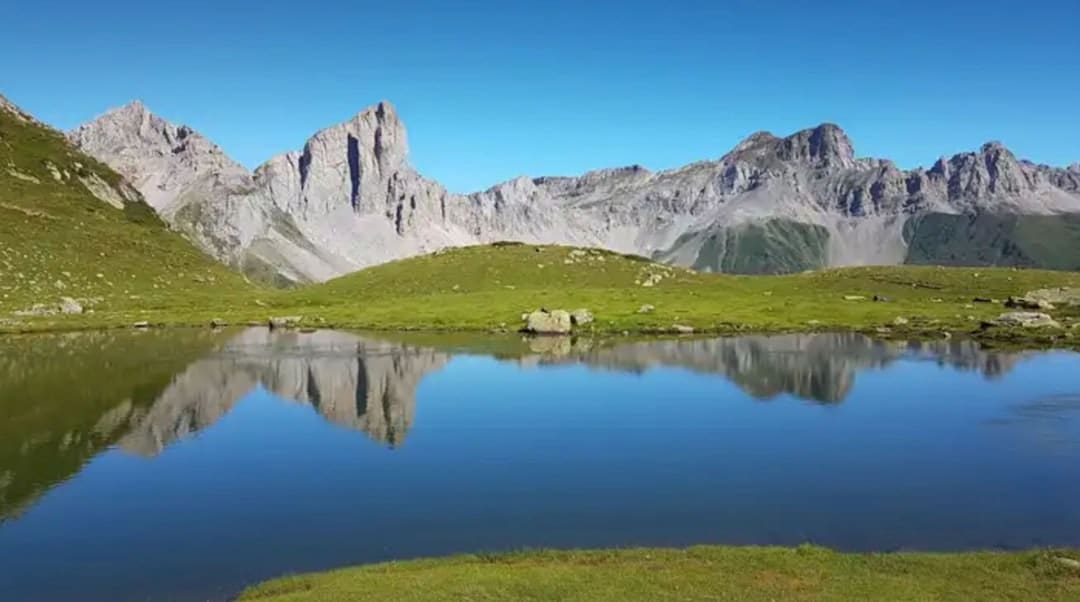
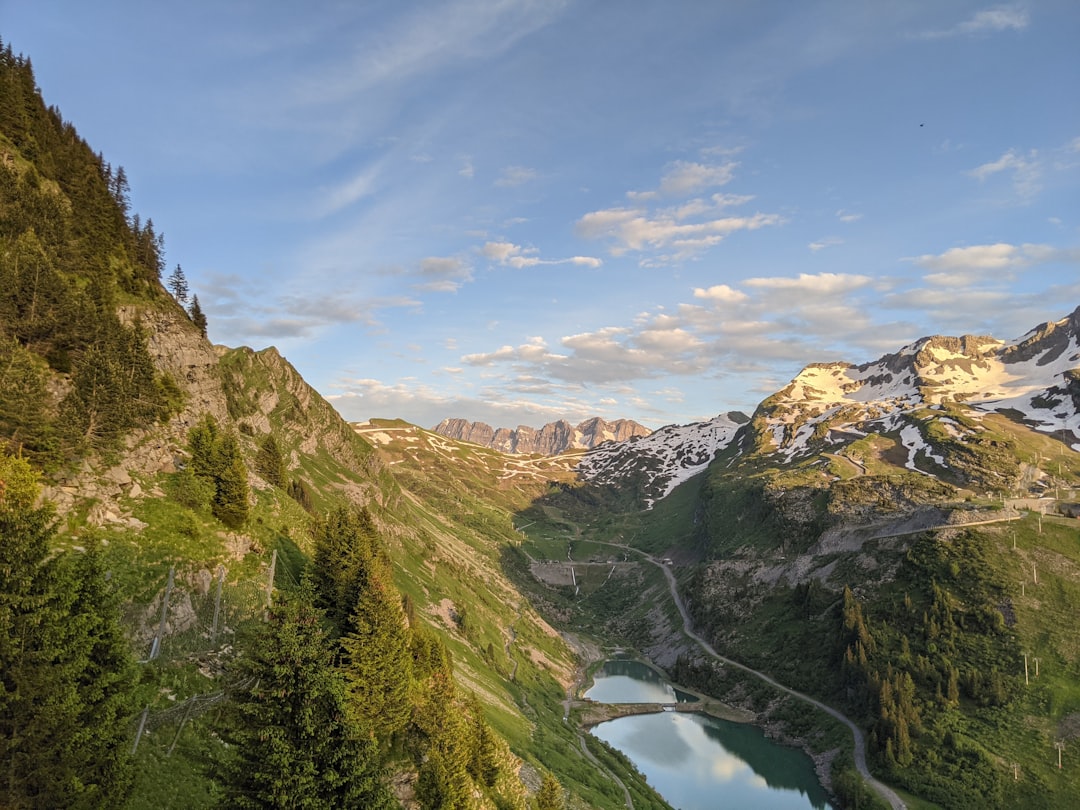
Unlike the large reservoirs we are used to fishing by boat, Lake Montagnon is a natural lake of glacial origin. Tucked into a rocky cirque at the foot of the Pic du Montagnon d’Iseye (2,308 m), it was formed several thousand years ago when the Pyrenean glaciers retreated. The lake sits at around 2,003 metres, in the commune of Aydius, in the Pyrénées-Atlantiques (64). It is modest in size, about 3 hectares, with an estimated depth of around ten metres in its main hole. Its crystal-clear water, fed by snowmelt and a few springs, stays cold all year round: a perfect habitat for salmonids, but one that demands a fine, stealthy approach from the lure angler. Lake Montagnon is regularly stocked by the Pyrénées-Atlantiques angling federation, which guarantees a worthwhile trout population despite the harsh environment.
Which fish can you catch at Lake Montagnon?
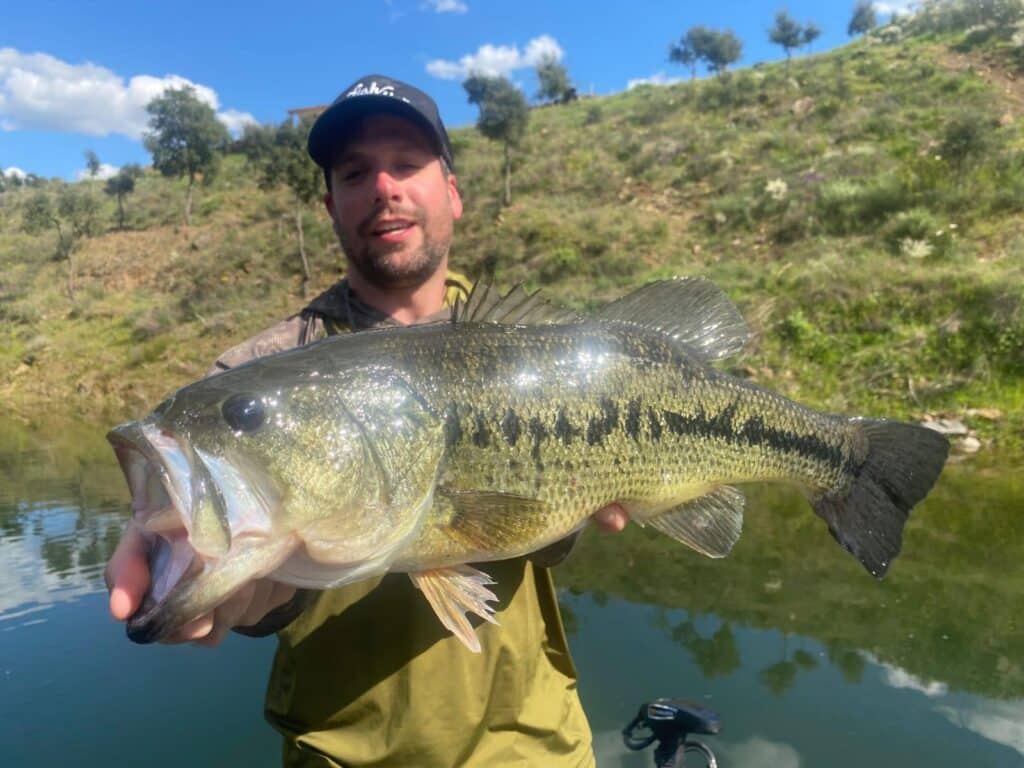
Let’s be clear: no pike, no zander and no black bass here. At this altitude, the population is made up exclusively of salmonids. The wild brown trout is the queen of the lake, joined in some years by stocked rainbow trout and sometimes brook trout, a magnificent species we love to target in high mountain lakes. A few minnows serve as forage and explain why small baitfish imitations work so well here. If you are looking for a predator lake with pike, zander and perch in the South, we suggest you take a look at the fish species of Lac du Salagou, much better suited to float-tube fishing.
In terms of technique, we favour ultralight tackle: a UL or L rod of 1.80 m to 2.10 m, fine braid and a 0.16 mm fluorocarbon leader. Wobbling spoons of 2.5 to 5 g are deadly for combing the drop-offs, while small 50 mm sinking hard lures let you reach brown trout holding deep. A small crankbait or trout lure worked on a slow steady retrieve along the scree often makes the difference early in the season, when the water is still icy. In high summer, the trout rise to feed at the surface at daybreak: that is the time to bring out micro soft plastics on finesse rigs or even a streamer behind a bubble float. The best period runs from June (snowmelt) to the end of September, and don’t forget to check the trout fishing season opening dates before planning your climb.
The site is also home to fine mountain wildlife: griffon vultures and bearded vultures soaring above the cirque, marmots whistling in the boulder fields, izards on the ridges. As for vegetation, look closely at the banks: places where short grass gives way to fallen blocks often mark underwater drop-offs, and the meltwater inflows, lined with bright green moss, concentrate trout looking for oxygen and food. These are the first swims we fish on every session.
How to get to the lake
Access has to be earned: no road goes up to the lake. The classic starting point is the village of Aydius, in the Aspe valley, reached by car from Bedous (15 minutes) and then Oloron-Sainte-Marie. A free car park is available in the village or at the start of the trail, at the place known as la Bergerie. Then allow 2h30 to 3 hours of walking and around 1,000 metres of ascent to reach the shore. Forget the boat: only an ultralight float tube or a small packraft could possibly be carried up, but honestly, bank fishing is more than enough given the size of the lake. There is no public transport to the trailhead: a car is essential, with car-sharing possible from Oloron.
Map of the lake
Weather and fishing conditions
At 2,000 metres, the climate is typically alpine: the lake stays frozen and inaccessible from November to May depending on snow cover. The water rarely exceeds 14–15°C in the height of summer, which keeps the trout active all day, unlike lowland lakes. Our best lure sessions come under a hazy sky with a light breeze rippling the surface: the ripple breaks up visibility and makes the brown trout far less wary in this translucent water. In bright sunshine with flat water, favour dawn and dusk, and cast further. Beware of mountain storms, frequent and violent on summer afternoons: always check the forecast before going up and head back down at the first threatening cumulus clouds.
What to do at Lake Montagnon?
For us, lure fishing is obviously the number one activity on this lake: a trout session in a setting like this is unforgettable. Swimming is possible for the bravest (the water is icy even in August!), and some walkers carry up a light inflatable paddleboard, even though the effort of carrying it is considerable. Kayaking and mountain biking, on the other hand, are best kept for the valley: the access trails are too steep and technical for bikes. Bivouacking is tolerated at altitude (from nightfall to daybreak), which lets you fish the famous evening and morning bite windows, the two most productive slots here.
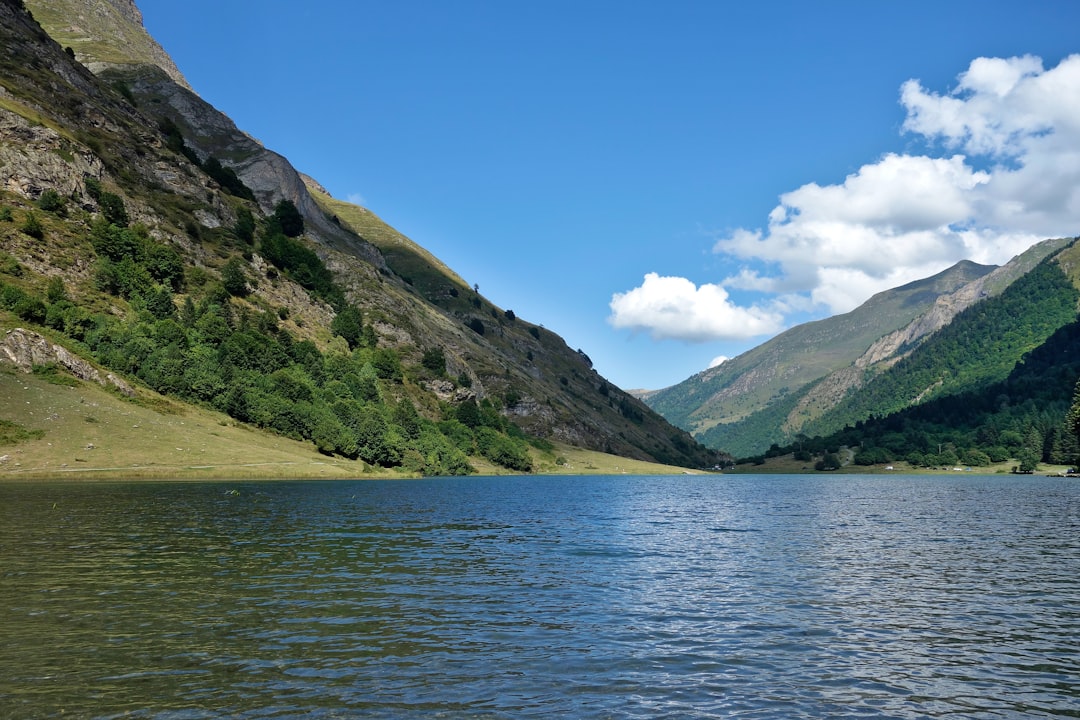
From the bank, we advise you to look for three types of swim: the rocky drop-off on the north shore, where the scree plunges quickly and holds the best brown trout; the meltwater inflows at the back of the cirque, real food conveyor belts; and the outflow area, shallower but often visited by fish hunting at daybreak. Walk all the way round the lake (30 minutes on foot) before setting up your rod: with such clear water, observing from higher ground will save you precious time.
Hiking and scouting swims around the lake
Three routes strike us as unmissable for combining walking and fishing. The classic climb from Aydius (about 12 km return, 1,000 m of ascent, 5h30, moderate to demanding) is the royal road: the trail offers several plunging views over the lake on the final switchbacks, perfect for spotting drop-offs and cruising trout before you even reach the shore. For the fitter among you, the loop via the Pic du Montagnon d’Iseye (add 2 hours and 300 m of ascent, difficult) lets you see the whole topography of the lake from the summit: shallows, central hole, drop-offs, everything can be read with the naked eye in this limpid water. Finally, the walk around the lake itself (1.5 km, 30 minutes, easy) is our pre-session ritual: lure already tied on, we fish swim after swim while moving slowly, well back from the bank so as not to spook the fish.
Where to stay and eat?
In the Aspe valley, you will find several campsites in Bedous, Accous and Lescun, perfect as a base camp before the early-morning climb. Bivouacking by the lake remains anglers’ favourite option: pitch your tent after 7 pm and you will be in position for the morning bite, the hottest slot of the day for lures. For gîtes, Aydius and Bedous offer several welcoming bed and breakfasts and walkers’ gîtes, run by hosts who know the mountains well. To eat, the inns of Bedous and Accous serve hearty Béarn cooking (garbure, summer-pasture ewe’s milk cheese), and the Bedous market, on Thursday mornings, is ideal for filling your pack with local provisions before the ascent.
FAQ – your questions about Lake Montagnon
Can you fish for trout there?
Yes, trout is the flagship species of Lake Montagnon: wild brown trout, stocked rainbows and sometimes brook trout live in its cold, crystal-clear water. Small wobbling spoons, micro hard lures and 5 cm finesse soft lures give excellent results, especially at daybreak and when the surface is rippled.
Are there zander in Lake Montagnon?
No, there are no zander in this high-altitude lake: at 2,000 metres, the water is too cold for anything but salmonids. If you want to target zander with soft lures or by vertical jigging, head for the gaves and the large lowland reservoirs of the Béarn, after first checking the predator fishing season opening dates.
Are there any regulated fishing areas?
The lake is classified as a first-category water: fishing is subject to the trout opening dates and the salmonid regulations of the Pyrénées-Atlantiques department (minimum size, daily bag limit, limited number of rods). Check the annual prefectoral order and the website of the 64 angling federation before your session, as the rules can change from one season to the next.
Is the lake a good spot for carp fishing?
No, carp are absent from this high-altitude lake, whose cold water does not allow them to thrive. Carp anglers will find what they are looking for in the lowland lakes and rivers of the region, while up here it is the exclusive paradise of the trout angler using lures or the fly.
Is night fishing allowed on the lake?
No, as on all first-category waters, fishing is only allowed from half an hour before sunrise to half an hour after sunset. Bivouacking, however, is tolerated by the lake, which lets you be in action from first light, the best slot for tempting brown trout on lures.
Do you need a fishing licence to fish at Lake Montagnon?
Yes, a valid fishing licence from the Pyrénées-Atlantiques federation (or an inter-federation licence with reciprocity) is compulsory to fish this lake. It can be bought online at cartedepeche.fr or from outlets in the Aspe valley, and we advise you to get it before going up, as there is obviously no sales point at the lakeside.