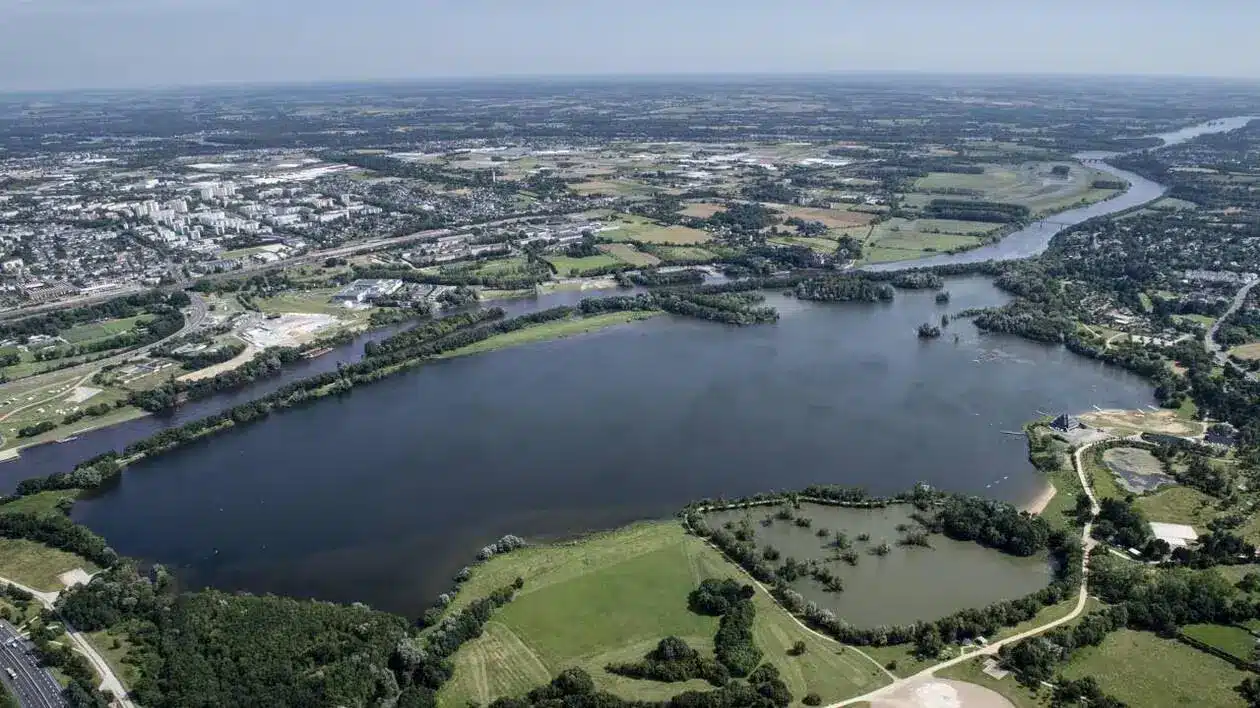
On the doorstep of Angers, in Maine-et-Loire, Lake Maine is a water we visit regularly, spinning rod in hand and a well-stocked lure box. Born from sand extraction in the alluvial plain of the Maine, this vast urban lake of more than 100 hectares has over the decades become an essential spot for predator anglers in western France. Pike, zander, perch and even a few wels catfish find refuge here in water rich in baitfish.
In this article, we share everything you need to know to make your lure-fishing session here a success: the history of the site, the species present and the techniques that work, access, weather, swims to scout from the bank or by float tube, not forgetting accommodation options with the well-known Lac de Maine campsite. Follow the guide, we are taking you to one of our favourite playgrounds in Anjou.
History and features of Lake Maine
Lake Maine is not a natural lake: it is a former gravel pit created by the extraction of sand and gravel in the 1960s and 1970s, used in particular to build the neighbouring district. Once extraction ended, the site was developed into a leisure park at the heart of a parkland of more than 200 hectares, just a few minutes from Angers city centre. The lake covers around 110 hectares, at an altitude of barely 20 metres, in the floodplain of the Maine, the river that gave it its name. Average depth is around 3 to 4 metres, with holes reaching 6 to 8 metres in places, a direct legacy of aggregate extraction. This irregular topography, made of drop-offs, shallows and plateaus, is a blessing for us lure anglers: every break in the slope is a potential swim. An important point: when the Maine floods, the lake can connect with the river, which regularly renews the fish stock and explains the high density of predators here.
Which fish can you catch at Lake Maine?
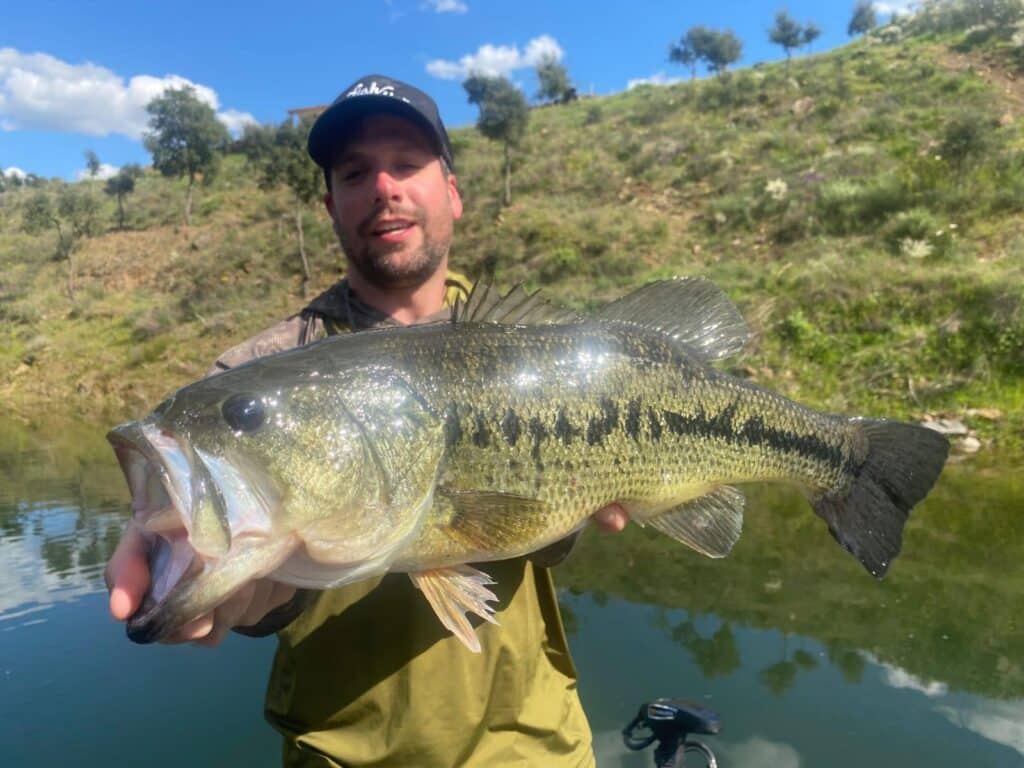
When it comes to predators, this Angevin lake has serious credentials. Pike are the star species here: metre-plus fish are not rare, taking advantage of the marginal weed beds and the abundance of roach and bleak. Zander are also well established, faithful to the holes and drop-offs left by the old gravel pit, with fine specimens caught every winter. Perch are literally everywhere, spectacular surface feeding frenzies break out from late summer, and a few wels catfish, which came up from the Maine during floods, complete the picture. As for bottom-dwelling and coarse fish, there are carp, bream, tench, roach and rudd, which make up an ideal larder for the predators and explain their fine growth.
For pike, we favour big shad-style soft lures of 12 to 18 cm on a slow steady retrieve along the weed beds in spring and autumn, as well as spinnerbaits to comb snaggy areas. If you are new to this species, our guide on how to fish for pike will give you all the basics. Zander are targeted by vertical jigging over the holes in winter, with a soft lure in a finesse version on a 7 to 14 g jighead, or on the drop-shot when the fish are finicky. For perch, small crankbaits, spintails and 5 to 8 cm soft lures on the drop-shot work wonders around structure and under feeding frenzies. As for wels catfish, a big shad retrieved slowly near the bottom, at the end of a summer’s day, can trigger a memorable take.

The site is also a remarkable bird reserve: grey herons, great cormorants, great crested grebes and terns frequent the banks. Watch them carefully, because a cormorant diving repeatedly or terns plunging at the surface often give away the presence of baitfish, and therefore of predators lying in wait. As for vegetation, the reed belts, water lilies and pondweed beds that develop in the shallow bays are all pike swims to work methodically, while bare, stony margins point more to perch and zander areas.
How to get to the lake
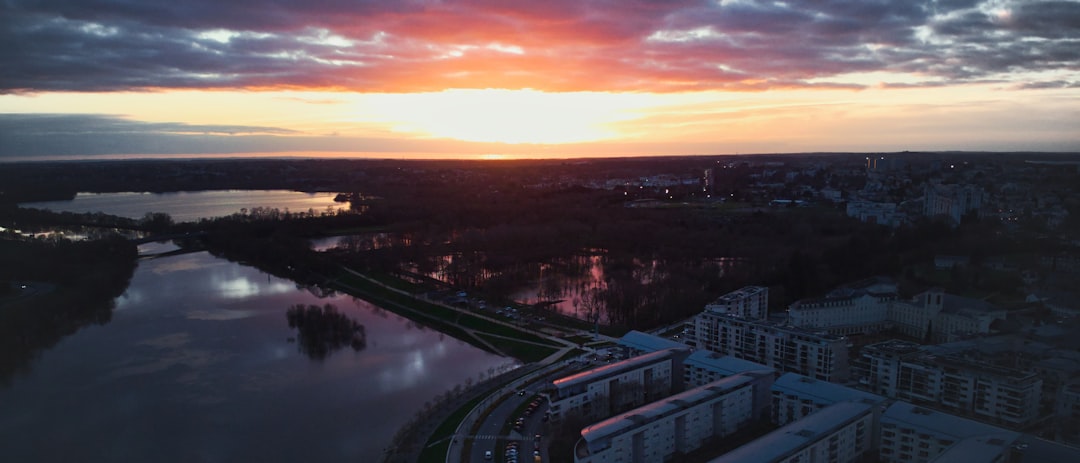
Access is a real strong point of this spot: located to the west of Angers, the lake can be reached in under 10 minutes from the city centre via the Avenue du Lac de Maine. Several free car parks are spread around the park, notably near the watersports centre and the campsite, which lets you fish different areas without walking miles with all your gear. Petrol-engined craft are banned, but float tubes and rowing boats or boats with an electric motor are excellent options for reaching the central holes, while respecting the areas reserved for the leisure park’s watersports. For those coming without a car, the Irigo bus network serves the Lac de Maine district from Angers Saint-Laud station, and a cycle path links the city centre directly to the shore: handy for a quick after-work perch session with just a spinning rod and a box of spintails in your rucksack.
Map of the lake
Weather and fishing conditions
Anjou’s oceanic climate is fairly mild: gentle winters, warm but rarely scorching summers, and well-spread rainfall. The lake water rarely drops below 5–6°C in the depths of winter, which keeps the zander active over the holes, and climbs to 22–25°C in summer, when we fish early in the morning or late in the evening to make the most of perch feeding frenzies. Spring and autumn, with water between 12 and 18°C, are the prime seasons for pike on lures. As for conditions, we love days with a moderate westerly wind that creates a chop pushing baitfish onto the exposed banks: that is where you should cast. Falling atmospheric pressure ahead of a front often triggers a feeding spree, while a clear blue anticyclonic sky calls for slower presentations, or even fishing with a suspending lure with long pauses to convince wary fish.
What to do at Lake Maine?
Lure fishing is obviously our number one activity here, and the variety of techniques you can use — steady retrieves from the bank, vertical jigging from a boat, drop-shot on the drop-offs, power fishing with crankbaits along the embankments — means you will never get bored. But the site is also a complete leisure park: lifeguarded swimming in summer on the beach area, paddleboard, kayak and catamaran hire at the watersports centre, mountain bike and running routes in the park, and even a golf course nearby. It is the ideal place to combine a fishing session in the morning with a family day in the afternoon, making it one of the most versatile destinations in the Angers area.
From the bank, concentrate on the rocky points, the edges of reed beds and the areas where the drop-off comes within casting range: a soft lure in a 10 cm shad pattern, worked in a sawtooth retrieve along these breaks often makes the difference. By boat or float tube, a fish finder is a game changer for locating the old extraction holes and suspended shoals of baitfish; if you are not yet equipped, take a look at our selection of gift ideas for anglers which includes several affordable fish finders. The areas closed to boats on the swimming side and in the bird reserve are clearly marked: respect them, there is no shortage of fish elsewhere.

Hiking and scouting swims around the lake
The full circuit of the lake is a loop of about 6 km, flat and accessible to all, which takes 1h30: it is our favourite reconnaissance before a session, polarised glasses on, to spot weed beds, submerged trees and the start of drop-offs visible in clear water. A second 3 km loop, on the bird reserve side to the south, takes 45 minutes and lets you observe the cormorants’ hunting areas, an excellent indicator of where the baitfish are. Finally, for the most motivated, a large 10 km loop links the park to the banks of the Maine via the towpaths: allow 2h30, easy, and take the opportunity to note the junction areas between the river and the lake, strategic sectors after floods when predators reposition themselves. Mark your spots on a GPS app, you will save precious time on your next trips.
Where to stay and eat?
To sleep as close as possible to the water, the Lac de Maine campsite is the obvious choice: this four-star site located right in the park offers pitches, mobile homes and chalets, with access to the banks in a few minutes on foot — perfect for being on the water at dawn, when the pike are most willing to bite. Note, however, that night fishing for predators is not allowed here; only certain night carp stretches exist in the department, so check with the Maine-et-Loire angling federation. For more comfort, several hotels and gîtes can be found in the Lac de Maine district and in central Angers, less than 10 minutes away by car. For food, the leisure park has a snack outlet in season, and Angers city centre is full of good restaurants where you can taste Angevin specialities with a glass of Anjou wine. Don’t miss the covered market and the La Fayette district market on Saturday mornings to stock up on local produce before a full day by the water.
FAQ – your questions about Lake Maine
How do you reach the best fishing spots?
The best swims are on the drop-offs left by the old gravel pit, along the reed beds and near the junction with the Maine. From the bank, the car parks around the park let you quickly reach the points and the edges of weed beds, while a float tube or a boat with an electric motor gives access to the central holes, ideally with a fish finder to locate structure.
How do you fish for perch with soft lures?
For perch, we use 5 to 8 cm soft lures on a light 3 to 7 g jighead, worked with short lifts near structure, or on the drop-shot when the fish are hugging the bottom. From late summer into autumn, watch for surface feeding frenzies and cast a small shad or a spintail right into the action for almost guaranteed takes.
Is bank fishing productive on this lake?
Yes, bank fishing is very productive because the drop-offs and weed beds often come within casting range, especially along the west banks and near the reed beds. With an average depth of 3 to 4 metres, a simple shad on a steady retrieve or a crankbait combs the area effectively, and both perch and pike are regularly caught a few metres from the bank.
Is the lake suitable for a family fishing trip?
It is even one of the most family-friendly spots we know: flat, safe banks, lifeguarded swimming in summer, paddleboard and kayak hire, playgrounds and a four-star campsite on site. While you hunt predators, the rest of the family enjoys the leisure park, and children can easily learn perch fishing from the accessible banks.
Can you fish for pike all year round at Lake Maine?
No, the lake is classified as a second-category water and pike have a specific closed season, generally from the end of January to the end of April, to protect spawning. Check the exact dates in our article on the fishing season opening and the Maine-et-Loire prefectoral order, and switch to perch or wels catfish during the closed season.
Are there any regulated fishing areas?
Yes, some areas are prohibited or restricted: the swimming beach in summer, the lanes reserved for the watersports centre and the bird reserve sector to the south of the lake. A valid fishing licence with the reciprocity stamp is compulsory, and we advise you to check the rules of the Maine-et-Loire angling federation before your visit, as the markings may change.