
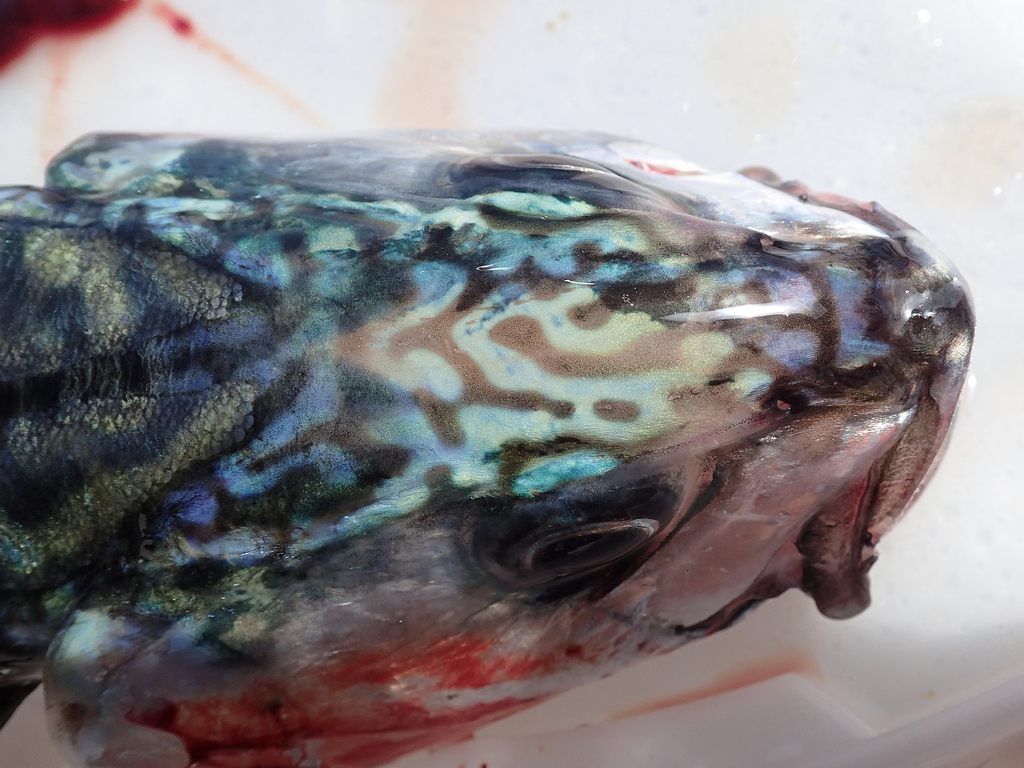
A silver spindle striped with midnight blue, streaking along the surface in pursuit of a shoal of sand eels: the common mackerel is one of the most familiar pelagic fish of our Atlantic and Channel coasts. This small shoaling predator (Scomber scombrus), also called Atlantic mackerel or “lisette” in French when young, delights sea anglers from the first warm days, when its huge shoals come to hunt within reach of boats and sometimes the shore.
In this species guide, we review everything you need to know about this fish: its anatomy, habitat and migrations, its diet, breeding cycle, the regulations governing recreational fishing for it and, of course, our favourite techniques and lures for targeting it. Everything you need to understand the species better before heading out in search of it.
Our article in brief
- The mackerel (Scomber scombrus) is a small shoaling pelagic fish of the north-east Atlantic, recognisable by its blue-green back striped with black bands and its streamlined body.
- It commonly measures 30 to 40 cm and weighs 250 to 500 g, with the largest exceptionally exceeding 50 cm.
- It moves in tight shoals and hunts zooplankton as well as small fish; it is mainly caught on feather rigs, small lures and light trolling.
- Recreational sea fishing for it is open but regulated: minimum size, catch marking and any quotas depend on the maritime regulations in force.
- An abundant species but under fishing pressure, mackerel deserves a measured approach: keep what you will eat and release the rest.
Mackerel anatomy and identification
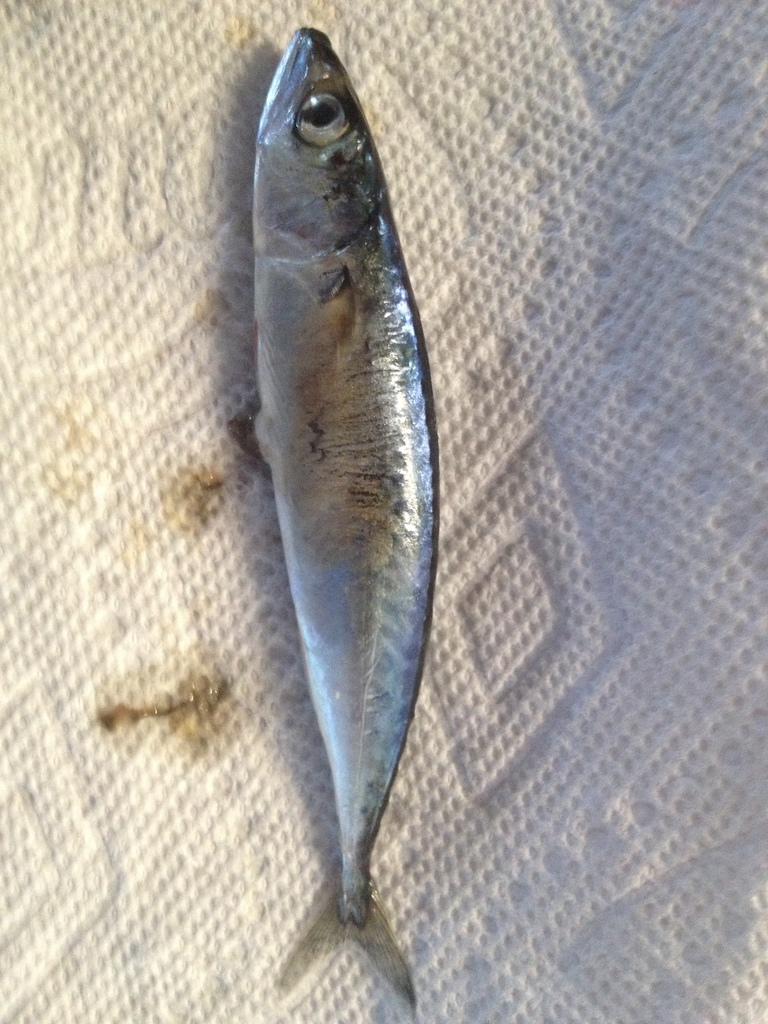
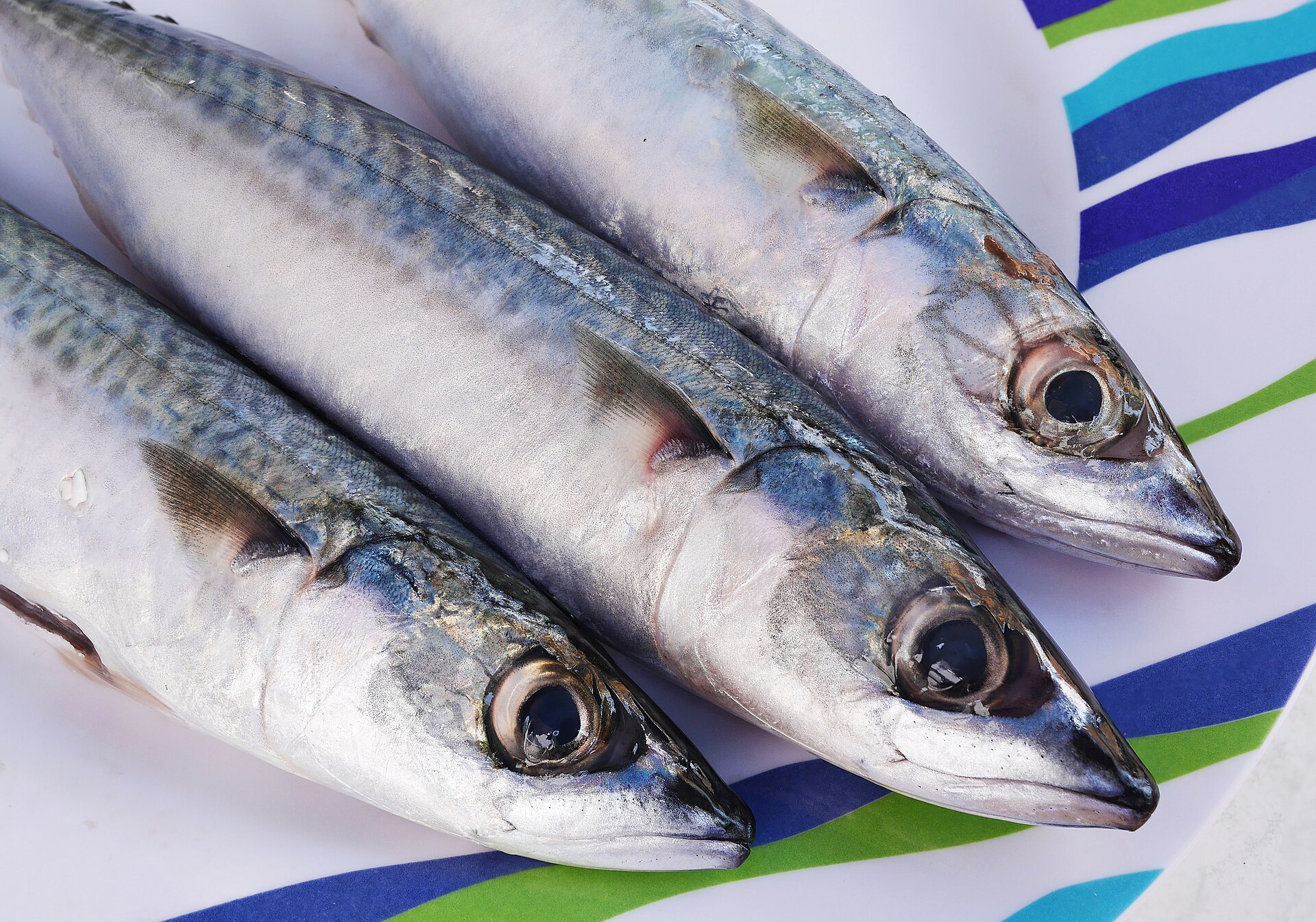
The mackerel has an elongated, perfectly streamlined body, a hydrodynamic spindle built for fast, sustained swimming. Its metallic blue-green back is crossed by wavy, almost vertical black bands, while its flanks and belly turn pearly silver. This striped pattern, unique among our inshore sea fish, makes it identifiable at a glance and clearly distinguishes it from the horse mackerel and the chub mackerel.
A born swimmer, with no swim bladder
The mackerel has two well-separated dorsal fins and, a characteristic feature of the Scombridae, a series of small separate fins, the finlets, lined up between the dorsal and tail fins and between the anal and tail fins. Its deeply forked, crescent-shaped tail is the mark of a fast fish. Another peculiarity: it has no swim bladder, which forces it to swim constantly to avoid sinking, but also lets it change depth abruptly without difficulty.
Size and lifespan
An adult mackerel commonly measures between 30 and 40 cm and weighs 250 to 500 g. Large specimens sometimes exceed 50 cm and approach a kilo, with records reaching much higher weights in exceptional conditions. Here are the species’ biometric benchmarks:
| Features | Reference point |
|---|---|
| Medium size | 30 to 40 cm |
| Maximum size | about 60 cm |
| Average weight | 250 to 500 g |
| Maximum weight | over 2 kg |
| Longevity | up to 17-20 years |
| Sexual maturity | 2 to 3 years (about 30 cm) |
Where do mackerel live?
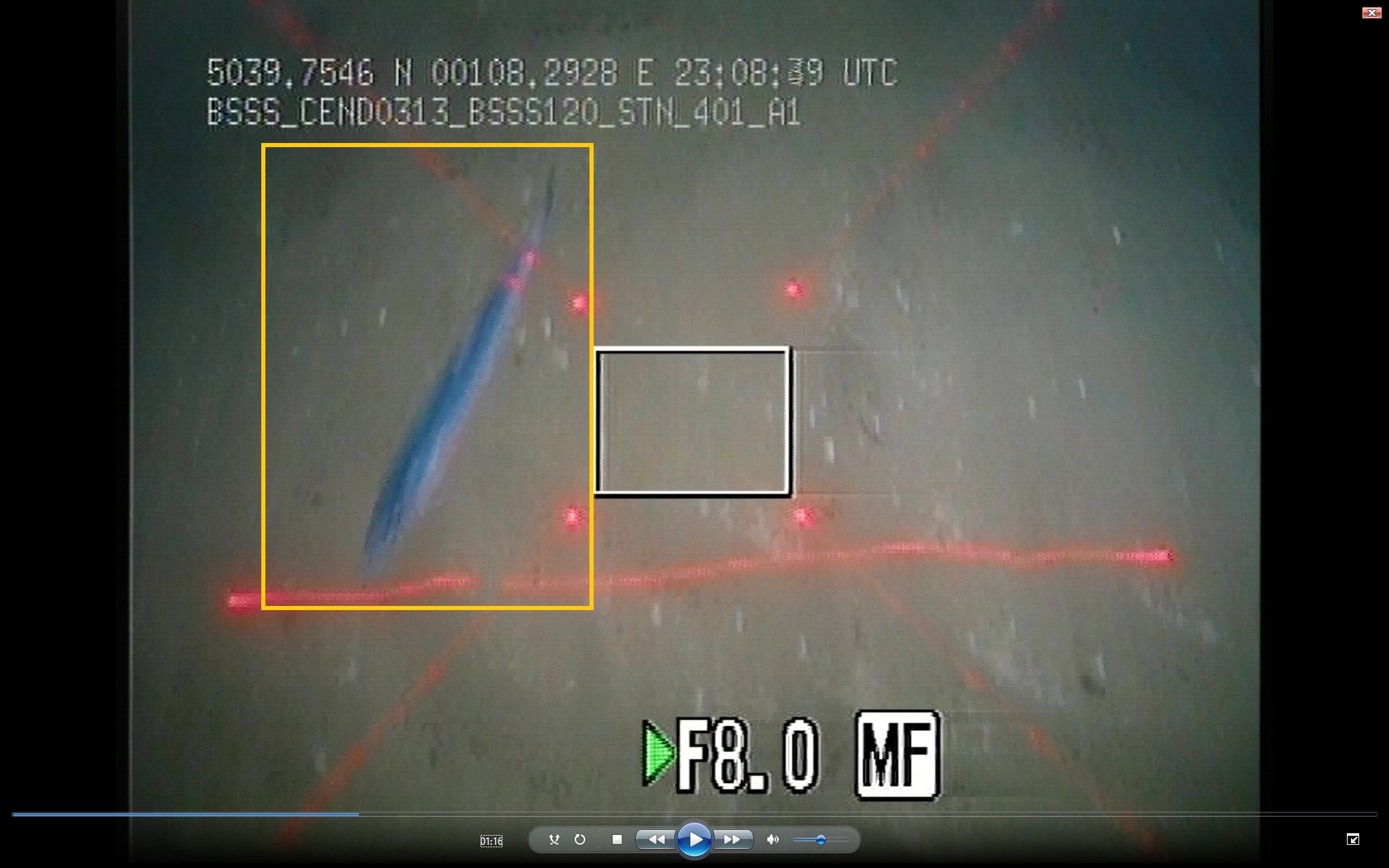
The mackerel is a strictly pelagic species: it lives in open water, well off the bottom, and gathers in shoals that are sometimes huge, numbering thousands of fish of uniform size. It is a shoaling fish par excellence, whose schooling behaviour is both protection against predators and a formidably efficient collective hunting machine against clouds of plankton and small fish.
Its range covers the entire north-east Atlantic, from Norway and Iceland to the coast of Morocco, including the English Channel, the North Sea and part of the Mediterranean. Mackerel make major seasonal migrations: they overwinter in deep water on the edge of the continental shelf, where they slow down. In spring, as the water warms, the shoals rise towards the surface and move closer to the coast to feed and spawn — this is when they become accessible to recreational anglers, from the shore as well as by boat.
What do mackerel eat?
The mackerel is an opportunistic predator with a very flexible diet, able to adapt to whatever the water column offers. Its diet changes with the season and the abundance of prey:
- Zooplankton : copepods and small crustaceans, filtered through its gill rakers when plankton is dense.
- Small fish : sand eels, sprats, young herring and assorted fry, actively hunted at the surface during the summer.
- Larvae and eggs : fish and crustacean larvae, rounding out the menu as seasonal hatches occur.
Its hunting technique is spectacular: when a shoal of mackerel finds a shoal of baitfish, it drives it to the surface in a boiling “feeding frenzy”, where the panicked prey leap out of the water under repeated attacks. These summer frenzies, often given away by diving seabirds, are the ideal moment to cast lures. Mackerel hunt mainly by sight, which explains their marked activity in good light and during tidal movements.
Mackerel life cycle and breeding
Mackerel spawn from spring to early summer, depending on latitude and water temperature. The shoals gather in open water and the females release their pelagic eggs, which float freely in the water column where they are fertilised. The larvae drift with the currents and join the zooplankton, on which they feed before gradually switching to a fish diet.
| Parameter | Data |
|---|---|
| Spawning period | March to June depending on area |
| Type of spawning | floating pelagic eggs |
| Number of eggs | 200,000 to 450,000 per female |
| Spawning area | coastal and offshore waters, in open water |
| Sexual maturity | 2 to 3 years |
Mackerel fishing regulations
Recreational sea fishing for mackerel is open and requires no licence in France, but it is still governed by maritime regulations. Catches are intended solely for the angler and their family: selling them is strictly prohibited. A minimum size applies — around 20 cm depending on the ICES area — and any fish kept must undergo compulsory marking (removal of the lower part of the tail fin) to show that it comes from recreational fishing.
Season, quotas and good practice in 2026
In practice, the mackerel season runs from spring to autumn, with a clear peak in summer and a revival in early autumn, when the shoals are closest to the coast. Catch limits (daily bag limits per angler) may apply depending on the coast and the period, notably to take account of the state of the stocks. These rules — size, marking, any quotas — can be amended by bylaw and change regularly. We urge you to always check the regulations in force with the direction interrégionale de la mer (DIRM) and the maritime prefecture for your area before fishing.
How to catch mackerel?
Mackerel fishing is known to be simple and generous when the shoals are in, but it gains a lot from a methodical approach. The golden rule: locate the activity — surface frenzies, diving birds, marks on the fish finder — then present a shiny, lively lure in the layer where the shoal is swimming. Here is how we organise our approach depending on the technique and the time of day:
| Technical | Rig / lures | Best time |
|---|---|---|
| Feather rig (string of feathers) | 4 to 6 white or shiny feathers under 7 cm + 30 to 100 g lead | all day, active shoals at depth |
| Cast and retrieve | silver wobbling spoon 5 to 20 g, small metal jig, casting jig | surface frenzies, summer |
| Light train | small hard lures, feathers, spoons | early morning, searching by boat |
As for tackle, a casting rod or light spinning rod of 10 to 40 g is more than enough and makes the fight with this small pelagic far livelier than a heavy feather-rig rod. A reel loaded with fine braid finished with a leader made of fluorocarbon provides stealth and feel. We target areas of current, rocky points, piers and the edges of any frenzies we spot, varying the retrieve speed until we find the trigger rhythm of the day.
To see these techniques in action, here is a video on lure fishing for mackerel from a boat, with rigging explanations:
Our selection of mackerel lures
Mackerel are not fussy: anything that flashes, darts and imitates a small silver fish stands a chance. Beyond the indispensable feather rig, we like to target them with lures for the sport. Here are the families that work, and our guides to go further:
- Small metal lures and search jigs: everything about casting jigs
- To fish surface frenzies: surface lure fishing
- Our selections for sea fishing, transferable to mackerel: 10 essential lures for bass and the best soft lures for sea fishing
- Small silver hard lures such as the Duo Spearhead Ryuki, wobbling spoons and light jigs remain safe bets on active shoals
Records and anecdotes about mackerel
The IGFA-ratified all-tackle world record for the Atlantic mackerel stands at around 1.6 kg (3 lb 8 oz), a fish caught in 2015 at L’Ampolla, in Spain — a figure to be treated with caution, as large mackerel often escape the ratification process. Across the Channel, older national records mention specimens over 2.5 kg caught from the shore. In France, there is no single official body ratifying recreational sea fishing catches, so “records” remain largely a matter of anecdote. Another curiosity: lacking a swim bladder, the mackerel never stops swimming, even to sleep — a whole life on the move, at the speed of the currents.
Ecological role and conservation of mackerel
The mackerel holds a pivotal place in the marine food chain. A predator of zooplankton and small fish, it is itself a key prey for tuna, bass, dolphins, seals and many seabirds. Its shoals are therefore an essential link connecting plankton to the large predators, and their abundance determines the health of the whole coastal ecosystem.
Although prolific, the mackerel remains subject to heavy commercial fishing pressure, and the state of its stocks is closely monitored by scientists at European level. As responsible recreational anglers, we have a role to play: keep only what we will eat, carefully return the surplus from sometimes all-too-easy fishing, and respect sizes and quotas. That is the price of the mackerel’s summer frenzies continuing to enliven our coasts.
Mackerel FAQ
How big can mackerel grow?
An adult mackerel commonly measures 30 to 40 cm and weighs 250 to 500 g. Large specimens sometimes exceed 50 cm and can approach, or even exceed, 2 kg in exceptional conditions.
Which lures and techniques should you use for mackerel?
The feather rig (string of feathers) remains the top technique for searching for shoals. For more sport, casting and retrieving small silver wobbling spoons, metal jigs or casting jigs is very effective on surface frenzies, as is light trolling early in the morning.
When do mackerel breed?
Spawning takes place from spring to early summer, usually from March to June depending on latitude and water temperature. The females release pelagic eggs into open water, which float freely in the water column.
Is there a legal size for mackerel in recreational fishing?
Yes, a minimum catch size applies (around 20 cm depending on the area), and any fish kept must be marked by removing part of the tail fin. Daily bag limits may also apply: always check the maritime regulations in force on your coast.
When is the best season for mackerel fishing?
The season runs from spring to autumn, with a very clear peak in summer, when the shoals hunt close to the coast, and a revival in early autumn. Tidal movements and hours of good light are the most favourable.
How should you keep mackerel after catching it?
Mackerel is an oily fish whose flesh deteriorates quickly. To preserve its quality, bleed it quickly and then place it straight into a cool box with ice. Eaten very fresh, within hours of being caught, it is at its very best.


