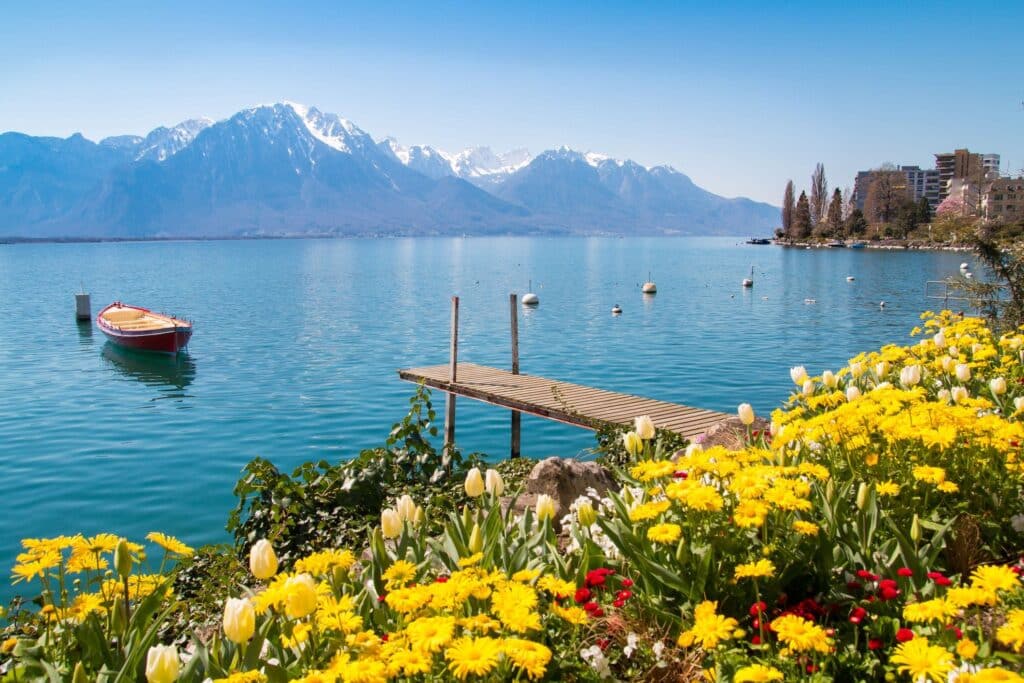
Nestled in the heart of the Hérault, about ten kilometres from Clermont-l'Hérault and 50 kilometres from Montpellier, Lake Salagou is one of the most iconic stretches of water in the south of France. With its red ruffe soils contrasting with the deep blue of the water, this almost Martian landscape draws thousands of visitors every year. But for us lure anglers, it is above all a top-tier predator destination, renowned for its pike, zander, perch and black bass.
In this article, we share everything you need to know to plan your session on this water: its history, the species present, the lure techniques that work here, access, weather, the swims to look out for, and even where to stay if you decide to extend your trip. Follow the guide!
History and features of Lake Salagou
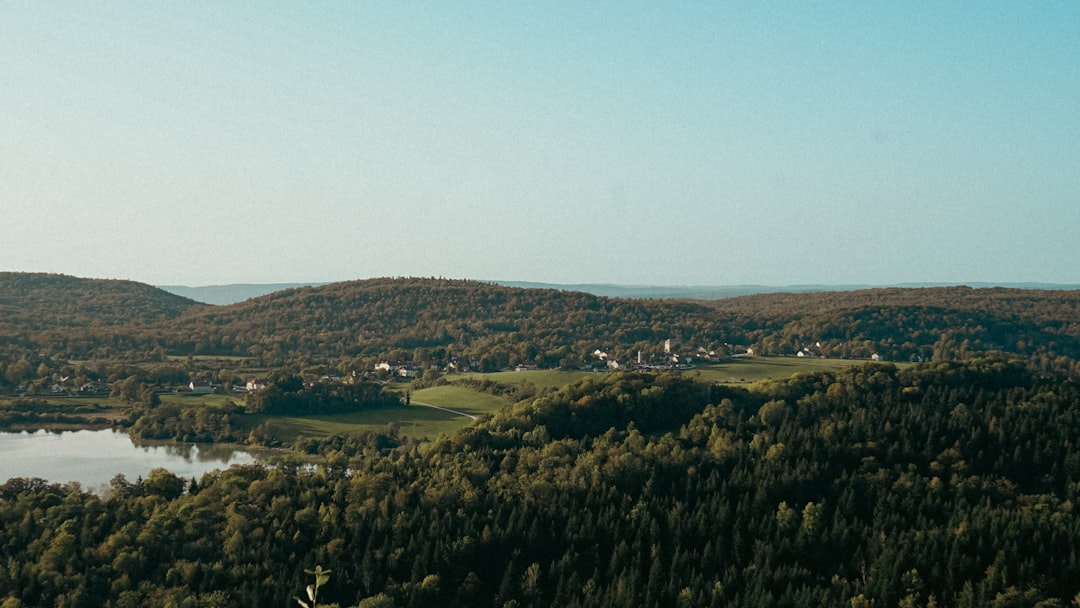
Despite its wild appearance, Lake Salagou is a man-made lake. It was created by building a dam on the Salagou river, completed in 1969, with a twofold purpose: to control flooding on the Hérault and to provide a water reserve for farm irrigation, at a time when vineyard land was being converted. Filling took several years, swallowing up the hamlet of Celles along the way, part of which still stands on the north shore. In figures, the lake covers around 750 hectares at an altitude of 139 metres, holding about 102 million cubic metres of water. Average depth is around 20 metres, with holes reaching 40 to 50 metres near the dam. This varied topography, alternating shallow flats, sharp drop-offs and deep areas, makes it an exceptional playground for lure fishing, from the bank or from a boat.
Which fish can you catch at Lake Salagou?
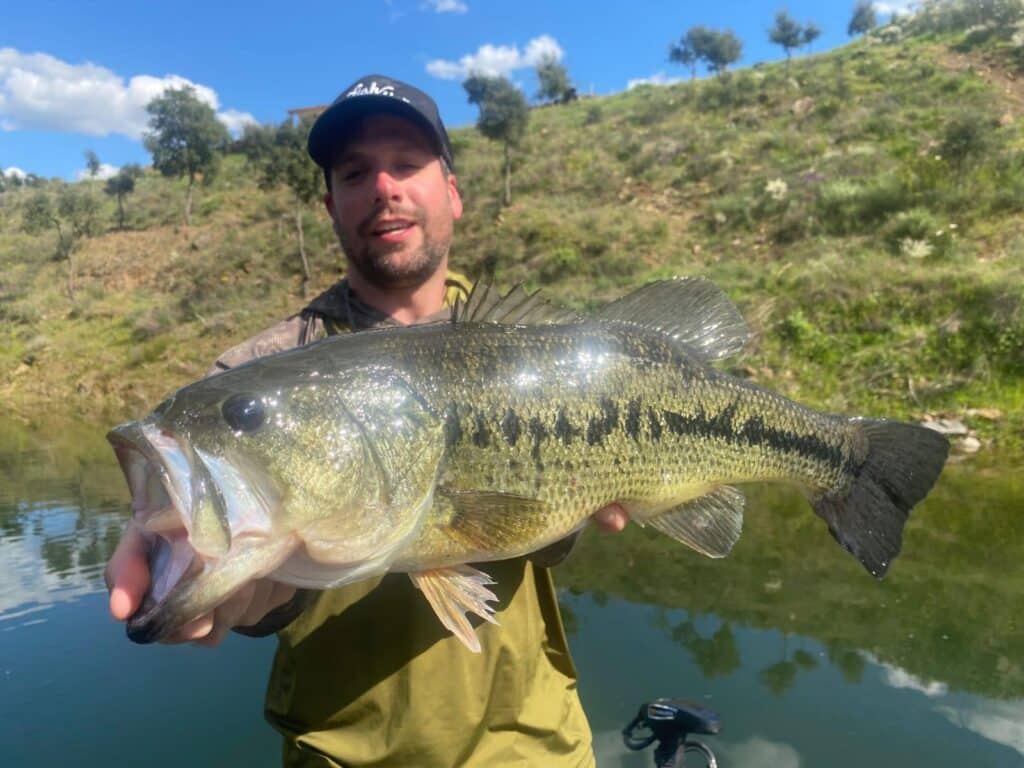
Salagou is above all renowned for its density of predators. The pike is well established here, with specimens regularly topping the metre. Zander are the other stars of the show: the drop-offs and ruffe bottoms give them perfect ambush spots. Perch are literally everywhere, with fine stripies over 40 centimetres, and black bass have firmly settled in the shallows and snaggy margins. As for coarse fish, roach, bream, carp and tench make up an abundant larder that explains the predators' fine growth. A few wels catfish have also been reported in recent years, although the population is nothing like that of the big rivers.
For pike, we favour big shad-type soft lures of 12 to 20 cm, swimbaits such as the Megabass Vatalion 115F and spinnerbaits over the weedy flats in spring and autumn. Zander are deadly on vertical jigging over the holes in winter, and on a straight retrieve with soft lures along the drop-offs at dawn and dusk: our favourite zander soft lures work wonders here. For perch, the drop shot and small crankbaits along the rocky points are devastatingly effective, especially in summer when the fish are smashing bait on the surface. Finally, black bass respond well to topwater lures early in the morning from May to September, and to Texas rigs in the submerged trees.
Watching the wildlife and plants is also a valuable guide to finding fish. The grey herons, great crested grebes and cormorants along the banks often give away shoals of baitfish: where the birds are fishing, the predators are never far away. The few weed beds and the submerged tamarisks along the margins, especially when the level rises in spring, make prime cover for pike and black bass. Also look out for water inflows after rain: they concentrate the silver fish, and therefore the predators.
How to get to the lake
The lake is easy to reach by car from the A75 (Clermont-l'Hérault exit), then via the D156, which serves the main access points. Several free car parks are dotted around the lake: the Clermont-l'Hérault outdoor centre to the south-east, the Vailhés beach to the north, Octon to the west and the hamlet of Celles. Good news for boat anglers: boats without petrol engines, float tubes and kayaks are allowed (petrol engines are banned and electric motors are tolerated under certain conditions, so check with the Hérault fishing federation). Boats can be launched from the Vailhés base and near Clermont-l'Hérault. The float tube is king here: it lets you reach drop-offs out of range from the bank with total stealth. By public transport, take a bus from Montpellier or Béziers to Clermont-l'Hérault, then cover the last few kilometres by bike or taxi.
Map of the lake
Weather and fishing conditions
The area's Mediterranean climate offers more than 300 days of sunshine a year, but that is a double-edged sword for the lure angler. The water easily reaches 24-26°C in high summer, pushing the predators deep or making them active only at dawn and dusk. In spring (water between 12 and 18°C) and autumn, conditions are ideal: the fish move up onto the flats and margins, and every technique works. In winter, the water drops to around 7-10°C, and that is prime time for vertical jigging for zander over the holes. Beware of the tramontane: this north-westerly wind can blow hard and make float tubing dangerous, but a moderate breeze that ripples the surface is, on the contrary, a great ally for targeting pike with crankbaits or spinnerbaits on wind-blown banks. As everywhere, stable or slightly falling pressure remains the window to aim for.
What to do at Lake Salagou?
Lure fishing is obviously our number one activity here, and the playground is huge: 28 kilometres of shoreline, dozens of points, coves and shallows to explore. But the site also lends itself to plenty of other activities: lifeguarded swimming in summer at the Vailhés and Clermont-l'Hérault beaches, paddleboarding, kayaking, windsurfing (the spot is known for its wind), and a superb network of mountain bike trails across the ruffe hills. It is therefore a perfect destination for combining fishing sessions with a family holiday.
When it comes to swims, several areas deserve your attention. From the bank, the peninsula of the Notre-Dame-des-Clans chapel and the rocky points around Octon give direct access to productive drop-offs for zander and perch. The area around the hamlet of Celles, with its submerged structures, is a renowned pike spot. By boat or float tube, work the holes near the dam in winter and the shallow bays on the Liausson side in spring for black bass, and follow the perch feeding frenzies in open water in summer. A fish finder saves precious time when locating baitfish shoals and breaks in the bottom.
Hiking and scouting swims around the lake
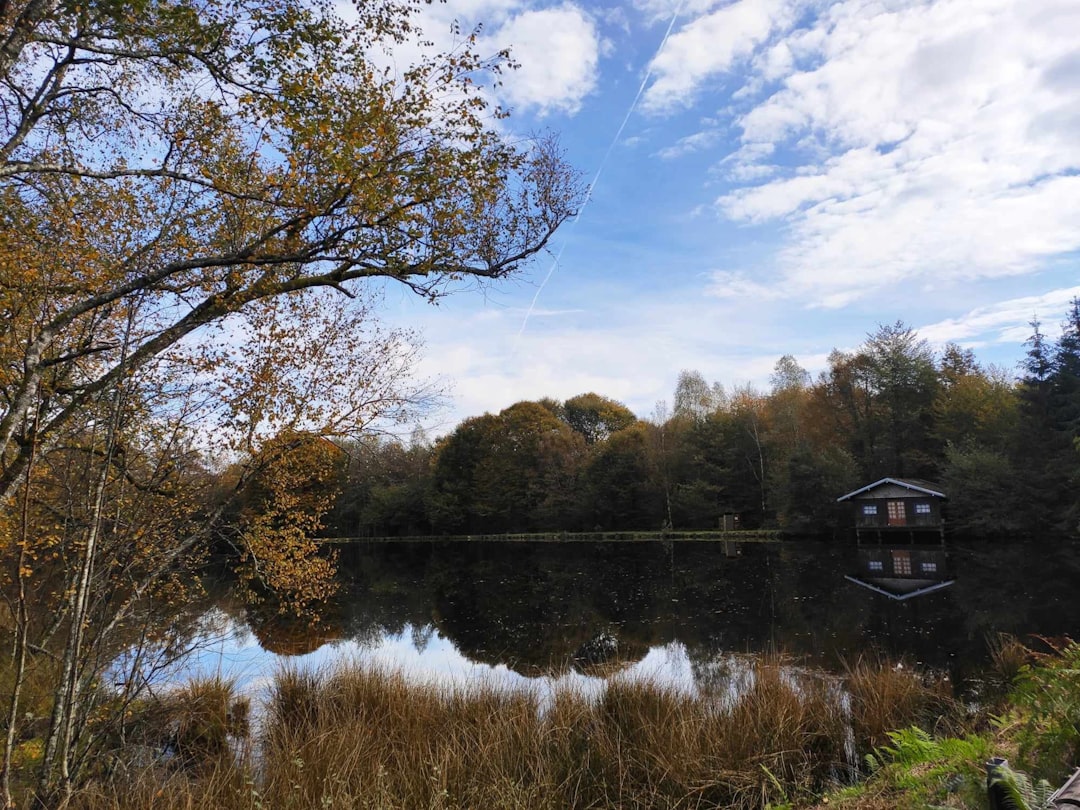
Walking around the lake is the best way to scout your future swims, especially at low water when structures that are usually submerged come into view. The full lake circuit (about 28 km, 7 to 8 hours, moderate) is for the most motivated, but it gives you a complete read of the water. More accessible, the Mont Liausson loop from Octon (about 8 km, 3 hours, moderate with a good climb) offers an exceptional panorama: from the summit you can clearly make out the shallows, the drop-offs and the changes in water colour, a real open-air bathymetric chart. Finally, the walk from Vailhés to the hamlet of Celles (5 km return, 1h30, easy) follows the north shore and lets you spot the submerged trees and rocky points we will come back to with rod in hand. Remember to take photos and mark your GPS waypoints!
Where to stay and eat?
To make the most of the morning and evening bites, nothing beats staying by the water, and the Lake Salagou campsite is the ideal option for anglers. Several sites are set right next to the banks, including Camping Le Salagou at Clermont-l'Hérault and campsites on the Octon and Liausson side: perfect for being on your swim before first light. Note, however, that night fishing for carp is only allowed on specific stretches, so check with the local AAPPMA. For more comfort, you will find gîtes and B&Bs in the villages of Octon, Liausson and Salasc. As for food, the restaurants in Octon and the outdoor centre serve friendly regional cooking, and the Clermont-l'Hérault market (Wednesday morning) is perfect for stocking up on local produce between sessions.
FAQ – your questions about Lake Salagou
Is catch and release practised on the lake?
Catch and release is not compulsory across the whole lake, but it is widely practised by local lure anglers, especially for black bass and big pike. We strongly encourage you to release your catches to preserve this fine predator population, using a rubber-mesh landing net and keeping time out of the water to a minimum.
Can you fish for pike all year round at Lake Salagou?
No, pike are subject to a specific closed season in second-category waters, usually from late January to late April, to protect spawning. Read our article on fishing season openings for the exact dates, and check the Hérault prefectural order every year before you go fishing.
Is fly fishing possible on the lake?
Yes, streamer fishing with an intermediate or sinking line works very well here, especially for perch and pike along the margins and over the shallow flats. The float tube is the ideal craft for this, as it lets you cover the feeding areas with total stealth, particularly at first light in summer.
Is a fish finder useful on this water?
Absolutely, it is even a major asset given the depth of the lake, which exceeds 40 metres near the dam. A fish finder lets you locate drop-offs, baitfish shoals and zander hugging the bottom, which is essential for vertical jigging in winter. A portable model fits easily on a float tube or kayak.
Do you need a fishing licence to fish at Lake Salagou?
Yes, a valid fishing licence is compulsory on this second-category water. You can buy an annual, weekly or daily licence from the Hérault fishing federation or online at cartedepeche.fr, attached to the local Clermont-l'Hérault AAPPMA.
What are the lake's fishing records?
Salagou has a reputation for regularly producing pike over the metre, with reported catches beyond 1.10 metres, as well as zander over 80 centimetres and perch over 45 centimetres. Carp anglers also land some very big fish there, with some carp topping 20 kilos, proof of how rich the lake is in food.