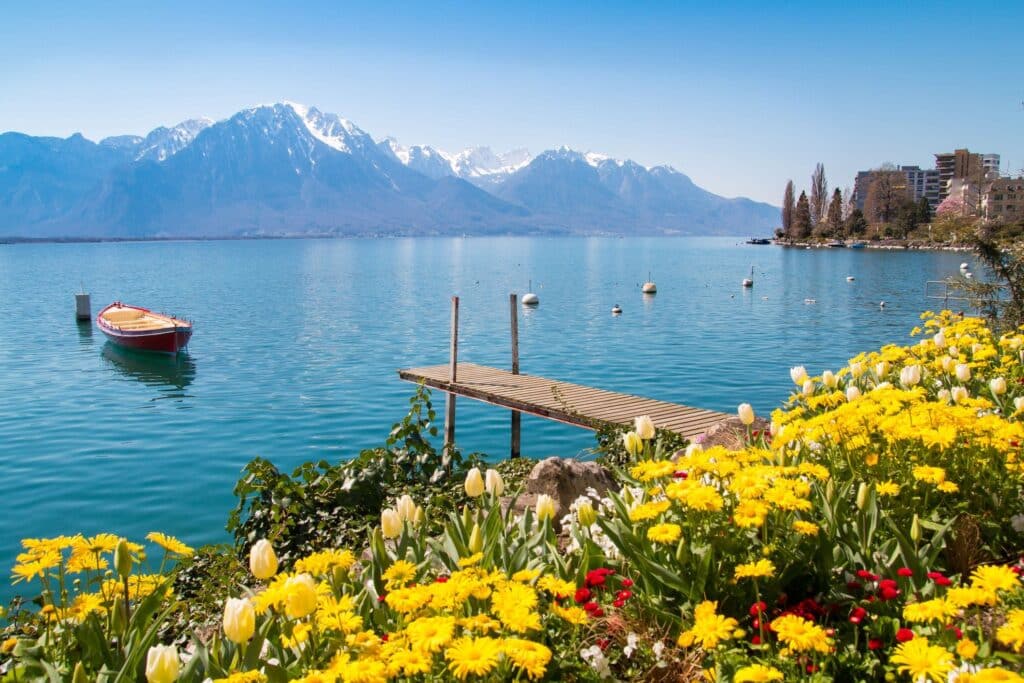
Perched at nearly 950 metres above sea level on the high plateaus of Lozère, Lake Naussac is one of those lakes that every lure angler dreams of. With its cool water, its wild margins and its impressive predator population, this reservoir just a stone’s throw from Langogne has built a solid reputation among pike and zander hunters. We have spent many sessions there, rod in hand, and we can tell you: this lake is well worth the trip.
In this article, we share everything you need to know to prepare your fishing trip: the history of the dam, the species present, the lure techniques that work, access, weather, accommodation (including the Lake Naussac campsite, ideal for anglers) and our best spots found over our outings. Follow the guide!
History and features of Lake Naussac
Lake Naussac is an artificial lake created by the construction of a dam between 1976 and 1983, whose primary purpose is to support the low-water flow of the Allier and the Loire in summer. The original village of Naussac was submerged when the lake was filled, then rebuilt higher up. In figures, the lake is impressive: around 1,050 hectares in area, a volume of nearly 190 million cubic metres, an altitude of 945 metres and depths exceeding 40 metres near the dam. It is fed by the Donozau and by a diversion of the Chapeauroux. For us lure anglers, these features are a blessing: vast areas to explore by boat, pronounced drop-offs, shallow plateaus and deep holes offer a variety of swims that is rare in France. The significant drawdown, linked to the dam’s role as a water reserve, regularly reshapes the margins and means you have to re-read the lake every season, which makes each session unique.
Which fish can you catch at Lake Naussac?
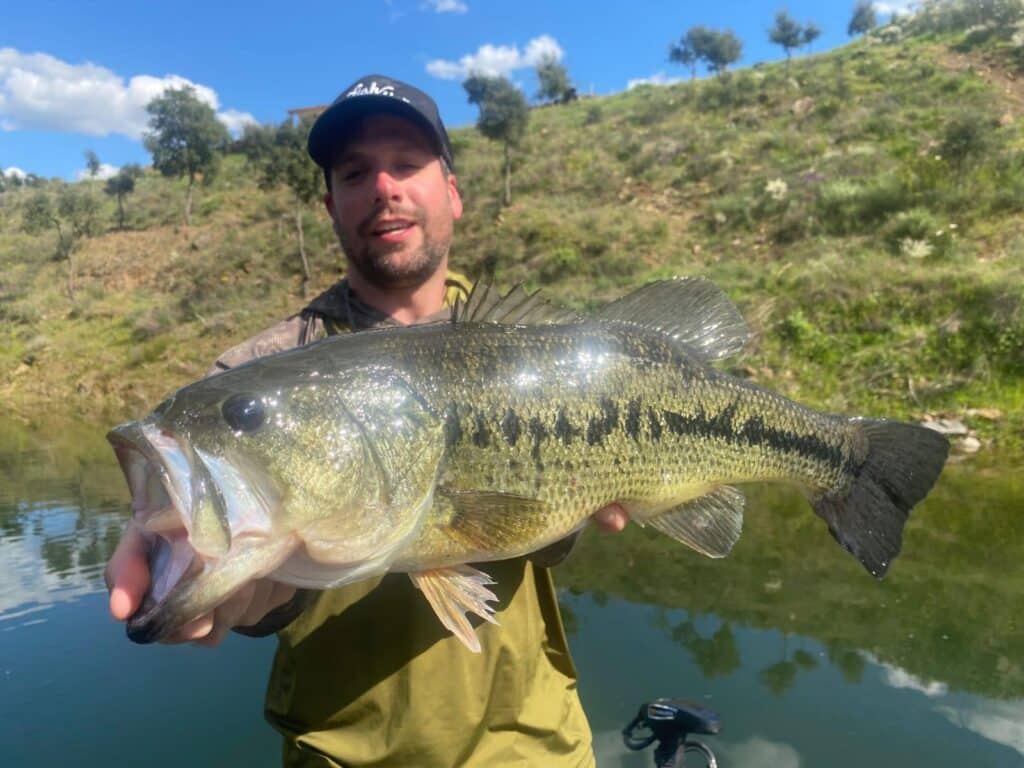
Pike are undoubtedly the stars of the show. Lake Naussac is renowned for producing specimens over a metre every year, and we have crossed swords with some very fine fish ourselves on the weedy plateaus. Zander are also well established, in good numbers on the drop-offs and deep areas, as are perch, which are abundant and sometimes of a very good size. There are also brown and rainbow trout from the tributaries, as well as plenty of forage: roach, bleak, gudgeon and bream that feed this whole predator population. No black bass here, however, as the altitude and cool water do not suit them — if you are targeting black bass and other predators, you will need to aim for lakes further south or concentrate on the local species, which is frankly no hardship.
On the technique side, here is what works for us. For pike, big 15 to 25 cm soft lures on a steady retrieve over plateaus between 2 and 6 metres work wonders in spring and autumn, as do spinnerbaits along the flooded margins and suspending jerkbaits early in the season. In summer, when the fish go deeper, deep-diving crankbaits and vertical jigging with shads take over. For zander, vertical jigging on the 8 to 15 metre drop-offs is deadly in autumn and winter, while the drop-shot saves many a difficult session: on that point, we recommend rigging a good fluorocarbon to leave nothing to chance, and dipping into our selection of finesse lures for zander. Perch respond very well to small crankbaits, micro soft lures on the drop-shot and blade baits over baitfish shoals located with the sonar. Also remember to check the fishing season opening dates before planning your visit, as pike fishing is closed for part of the year.
Birdlife is an excellent indicator on this lake: great crested grebes, herons and above all gulls and terns diving on prey give away the presence of bleak shoals, and therefore of active perch and pike. As for vegetation, the weed beds that grow on the shallows in summer, the flooded timber of old hedgerows and the margins of broom submerged at high water are all pike swims to work methodically with an unweighted soft lure or a spinnerbait.
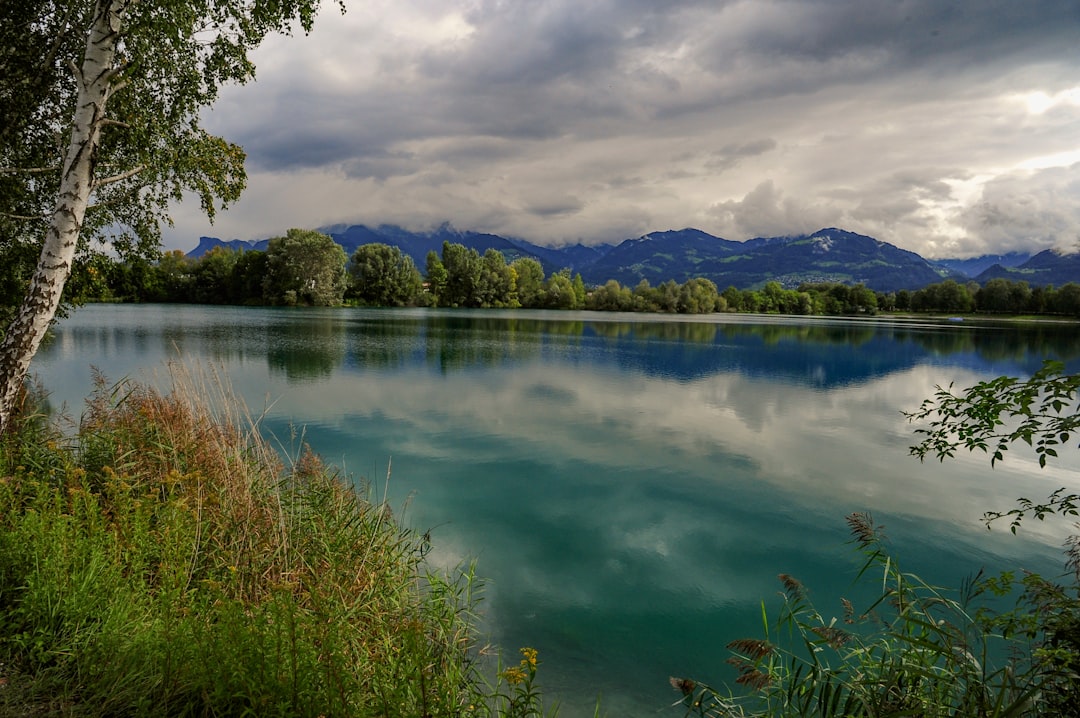
How to get to the lake
The lake is right next to Langogne, in Lozère, around 1h15 from Le Puy-en-Velay and 1h45 from Mende via the N88. From Langogne, several roads run around the lake and serve free car parks: the leisure centre on the Langogne side, the Mas d’Armand sector, the dam area and the outskirts of the village of Naussac. Boats are mainly launched from the slipway at the water-sports centre, accessible with a trailer. Float tubes and kayaks are allowed and particularly well suited to working margins that cannot be reached on foot — just remember your buoyancy aid, as the wind can pick up quickly on this high-altitude lake. For those coming by train, Langogne station (Cévenol line) is less than 3 km from the lake, which makes a bank-fishing session quite feasible without a car.
Map of the lake
Weather and fishing conditions
At 945 metres, the climate is alpine: cold winters with frequent frosts, pleasant summers but cool nights. The water stays cold for much of the year, around 4 to 6°C in winter, 10 to 14°C in spring, 18 to 22°C in high summer, cooling quickly from September. For lure fishing, our best sessions have come with a moderate westerly wind and overcast skies: the wind ruffling the surface pushes the baitfish onto the windward margins and triggers pike activity. High pressure and bright summer sunshine mean fishing early in the morning, late in the evening, or going deep for the fish with vertical jigging. Beware of the violent gusts that are frequent on the plateau: always check the weather before heading out by float tube or boat.
What to do at Lake Naussac?
Lure fishing remains the top activity in our eyes, from the bank as well as afloat, and the lake lends itself to it all year round (respecting the predator close seasons). But the site is also a real family leisure centre: lifeguarded swimming in summer on the water-sports centre beach, paddleboarding, kayaking, sailing, windsurfing and even a sailing school in season. Mountain bikers and cyclists enjoy the lap of the lake, a smooth route of around twenty kilometres with superb views over the Margeride. Plenty to keep the whole family busy while you chase pike.
For anglers, several sectors deserve special attention. From the bank, the rocky points of the Mas d’Armand sector and the margins near the dam give access to steep drop-offs, perfect for zander on heavy steady retrieves or the drop-shot. The shallow bays on the Langogne side and the weedy bays in the north of the lake are first-rate pike areas in spring. From a boat or float tube, concentrate on the old river beds and the submerged hedges and low walls visible on the sonar: they are predator magnets, especially when the level drops at the end of summer.
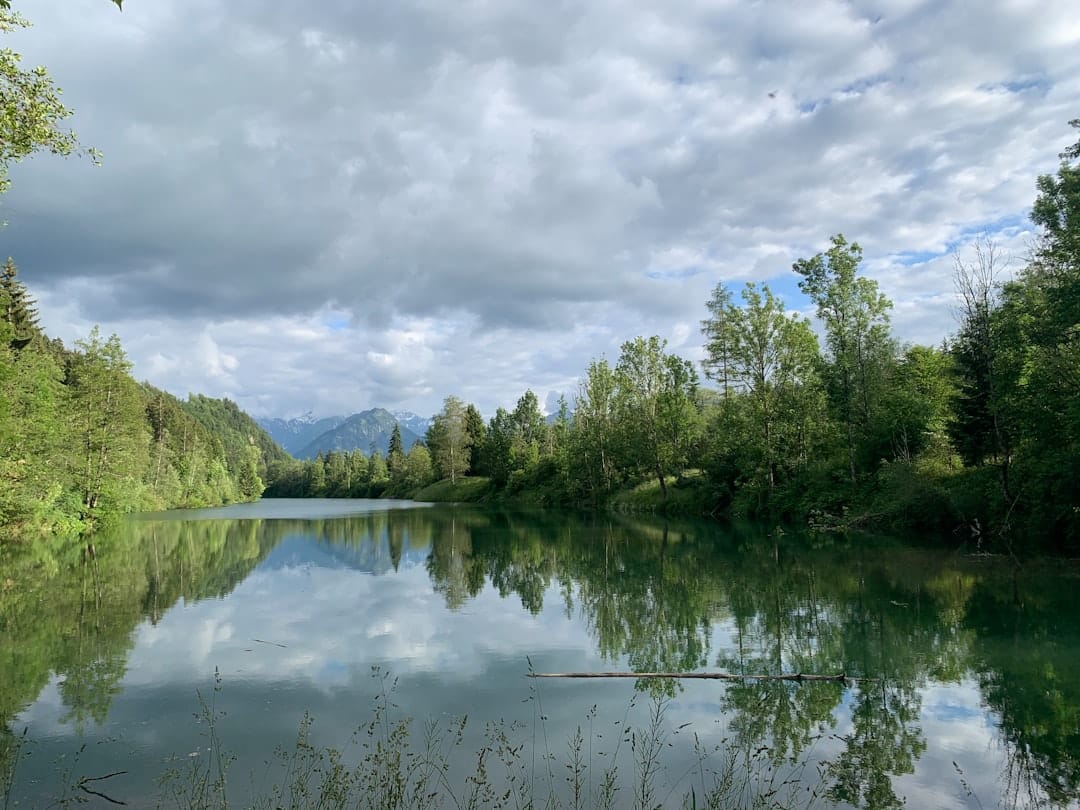
Hiking and scouting swims around the lake
Walking around the lake is, in our view, the best way to prepare for future sessions, especially at low water when the structures are revealed. The full circuit of the lake (around 21 km, 5 to 6 hours, moderate difficulty) lets you build a mental map of every point, bay and inflow: take photos of the exposed areas, as they will become your spots when the level rises again. For a shorter outing, the Mas d’Armand peninsula loop (around 6 km, 1h30, easy) follows excellent zander swims and offers several bank-fishing access points. Finally, the path between the Langogne water-sports centre and the dam (8 km there and back, 2 hours, easy) crosses the most productive bays in the southern sector: take a light rod and a few soft lures, as the perch along the margins need no persuading.
Where to stay and eat?
For anglers, the Lake Naussac campsite is the ideal option: located right on the water’s edge, it lets you reach the first swims on foot in a few minutes and make the most of the morning sessions without a long drive. Mobile homes, tent pitches and motorhome facilities are available in season. There are also many rural gîtes around Langogne and in the villages of the Margeride, perfect for an off-season fishing trip with friends. For food, Langogne has several good restaurants where you can taste Lozère specialities (aligot, local charcuterie, local trout), and the Saturday morning market in the covered hall is a must for stocking up on local produce between sessions. Note that night fishing for predators is not allowed on the lake: make the most of it to recover, the pike will be waiting for you at dawn.
FAQ – your questions about Lake Naussac
How do you reach the best fishing spots?
The roads around the lake serve several free car parks: the Langogne water-sports centre, Mas d’Armand, the dam sector and the village of Naussac. From the bank, focus on the rocky points and drop-offs near the dam for zander, and the weedy bays in the north for pike; a boat nonetheless remains the best way to make full use of this large lake.
Can you use a boat or a float tube?
Yes, boating is allowed and a slipway is available at the water-sports centre on the Langogne side. Float tubes and kayaks are perfectly suited to working the margins, but stay alert: the wind picks up quickly at this altitude and wearing a buoyancy aid is essential.
Can you fish for pike all year round at Lake Naussac?
No, pike are subject to a specific close season, usually from late January to late April, to protect spawning. Check the exact dates and the Lozère fishing federation’s regulations every year before planning your trip, and make sure you have a valid fishing permit.
Which technique works best for zander in lakes?
Vertical jigging with soft lures on the 8 to 15 metre drop-offs is the most effective technique here, especially in autumn and winter when the zander group together in deep water. When activity is low, the drop-shot with a small finesse shad rigged on discreet fluorocarbon often makes the difference with finicky fish.
Which lures should you use for pike?
Big 15 to 25 cm soft lures fished on a steady retrieve over the plateaus, spinnerbaits along submerged structure and suspending jerkbaits in cold water are our sure bets on this lake. In summer, don’t hesitate to go deep with deep-diving crankbaits or big shads fished vertically to reach the pike holding on the drop-offs.
Which lure colours work best here?
As the lake’s water is generally clear to slightly coloured, natural colours imitating roach, perch and bleak give the best results in bright conditions. In overcast weather, after rain or in deep water, switch to more contrasting colours such as fire tiger, chartreuse or white to stay visible to predators.