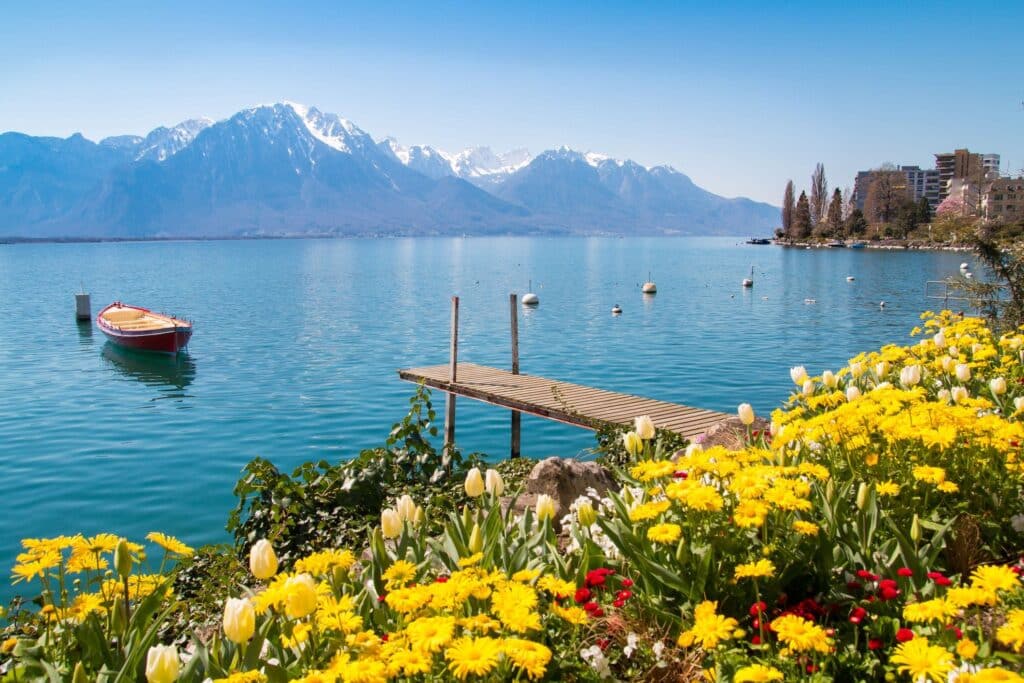
Nestled in the heart of Charente, on the border with Charente-Maritime and not far from the first Bordeaux vineyards, Lake Guizengeard intrigues everyone who discovers it. Its turquoise water, inherited from a former kaolin mine, has earned it the nickname of ‘blue lake’ and draws walkers, photographers… and curious anglers every year. Because behind the postcard lies an unusual water, surrounded by pine woods and sandy banks, that deserves a closer look with rod in hand.
In this article, we take you to discover this unique site from the angle we love most: lure fishing. The history of the site, the species found in the area, techniques to favour, access, weather, spots to look for and good places to stay: here is our complete guide to planning your session around the Guizengeard lakes.
History and features of Lake Guizengeard
Unlike most of the waters we feature on Rodmaps, Lake Guizengeard is neither a natural lake nor a dam reservoir: it is made up of former kaolin quarries, the white clay mined in southern Charente from the 19th century until the late 1990s. Once extraction ended, the pits filled with rain and groundwater, giving rise to several lakes with spectacular blue-green hues, caused by clay particles in suspension and the acidity of the water. People often speak of the Guizengeard lakes in the plural, as the site has several basins, extended by the neighbouring lakes of Touvérac. The lakes, at around 80 metres above sea level, each cover a few hectares, with depths that can exceed ten metres in the old extraction pits. Note that the site is classified as a Sensitive Natural Area (Espace Naturel Sensible), and swimming and certain activities are regulated. Before any session, be sure to check with the Charente angling federation and the local AAPPMA on the exact fishing status of the basins, as the acidic water of some pits limits fish life and not all the waters in the area are open to fishing.
Which fish can you catch at Lake Guizengeard?
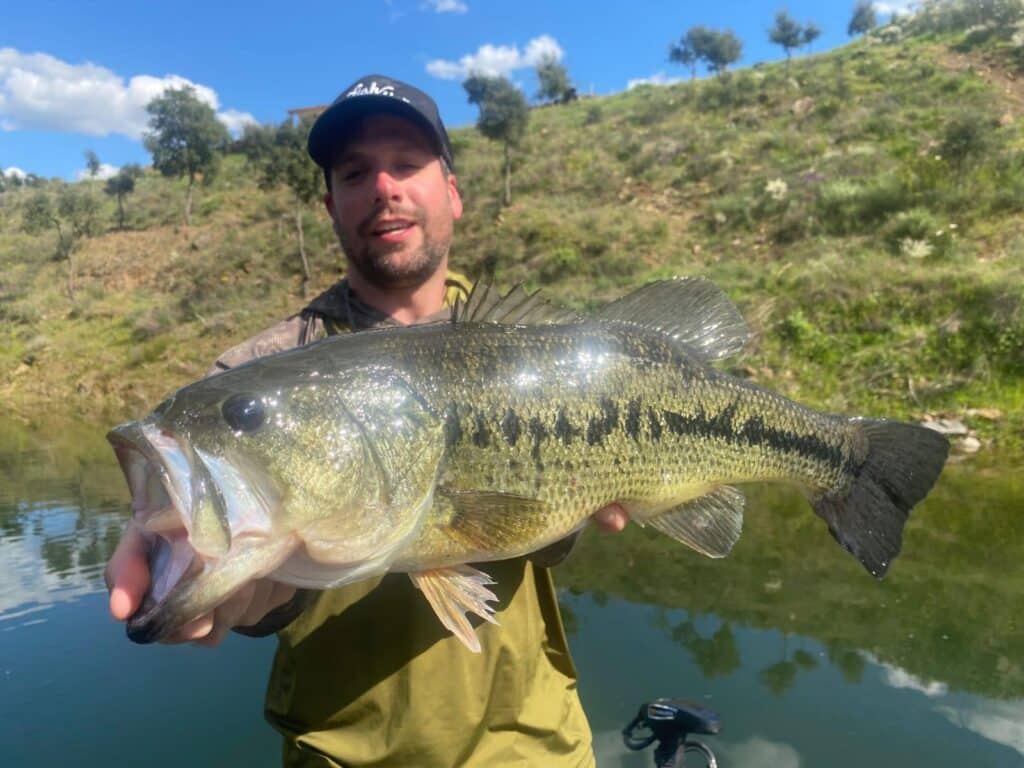
Let’s be honest: the most acidic basins of the old quarries hold few fish, which partly explains the purity of their water. On the other hand, southern Charente is full of lakes and outlying ponds that are far richer in fish, where you will find the region’s classic predators: the pike, king of the weed beds, the perch, ever-present in Charente waters, the zander in the deeper areas and the black bass, which particularly thrives in the warm, snag-filled ponds of the area. As for coarse and bottom-dwelling species, roach, tench, carp and bream complete the picture and form the predators’ larder.
For pike, we favour 12 to 15 cm shad-type soft lures rigged Texas-style along vegetated margins, and the spinnerbait when the weed thickens in summer. Perch respond very well to the drop shot and to small crankbaits cast onto the sandy drop-offs typical of these former extraction sites. For zander, vertical jigging with soft lures over the deep pits remains our favourite approach in autumn and winter. As for the black bass, it offers the best sport from May to September: a Carolina rig with a creature bait dragged along the sandy slopes, or a topwater lure at daybreak, often makes the difference.
The environment is also a valuable clue for the observant angler. The pine woods and heather heathland surrounding the Guizengeard lakes are home to herons, great crested grebes and cormorants: their presence on a basin is a sure sign of forage fish. As for vegetation, look for patches of water lilies, fallen trees in the water and rush-lined margins: these are the priority spots to search with lures, where pike and perch lie in ambush.
How to get to the lake
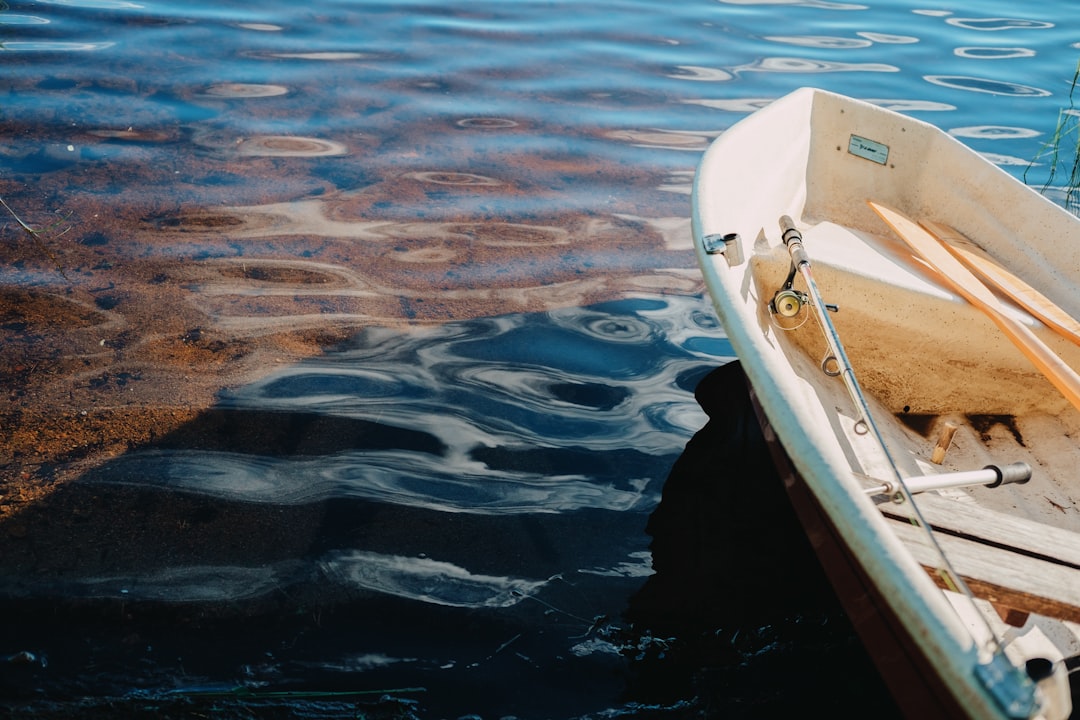
The site is in the commune of Guizengeard, in southern Charente, about 45 minutes from Angoulême and 1 hour 15 from Bordeaux via the N10 (exit Baignes-Sainte-Radegonde or Chevanceaux depending on your direction). Car parks are available near the access paths, on both the Guizengeard and Touvérac sides. Then allow a few hundred metres on foot through the pine woods to reach the banks, so travel light: a rod, a lure box and a rucksack are all you need. Launching motorised boats is not provided for on this protected natural site; for rowing boats or float tubes, check the regulations in force, and if necessary fall back on the fishing ponds in the area that allow them. No public transport serves the site directly: a car is essential.
Map of the lake
Weather and fishing conditions
Southern Charente enjoys a mild oceanic climate, with hot summers and gentle winters. The water in the area’s lakes rarely drops below 6-8 °C in winter and easily climbs to 22-25 °C in midsummer, which strongly influences predator activity. In spring and autumn, the fish hunt along the margins and the whole water column can be fished with lures. In summer, focus on the first hours of daylight and dusk, with topwater lures and fast retrieves. For ideal conditions, we look for a light westerly breeze rippling the surface and stable or gently falling atmospheric pressure: these are often the windows when the strikes come thick and fast. An overcast sky after several days of fine weather is also an excellent signal to get out the pike gear.
What to do at Lake Guizengeard?
Lure fishing in the area is of course our number one activity, but the site has plenty of other assets. Let’s be clear: swimming is banned in the blue lakes, despite their tempting colour, because of the acidity of the water and the unstable banks. On the other hand, the site lends itself wonderfully to hiking, photography and mountain biking, with waymarked trails winding between the turquoise basins and the pine forest. For paddleboarding and kayaking, head to the neighbouring leisure centres of southern Charente, which are better equipped and authorised.
For the angler, every walk around the Guizengeard lakes is a scouting opportunity. From the raised banks, the exceptional clarity of the water lets you read the bottom like an open book: sandy slopes, abrupt drop-offs left by the extraction, shallow plateaus. Make a mental note (or use your mapping app) of these structures, because they are exactly the same profiles you will find in the fishable ponds nearby. A margin that drops quickly from 1 to 4 metres is a winter zander spot; a 1.5-metre plateau fringed with vegetation is a pike highway in spring.
Hiking and scouting swims around the lake
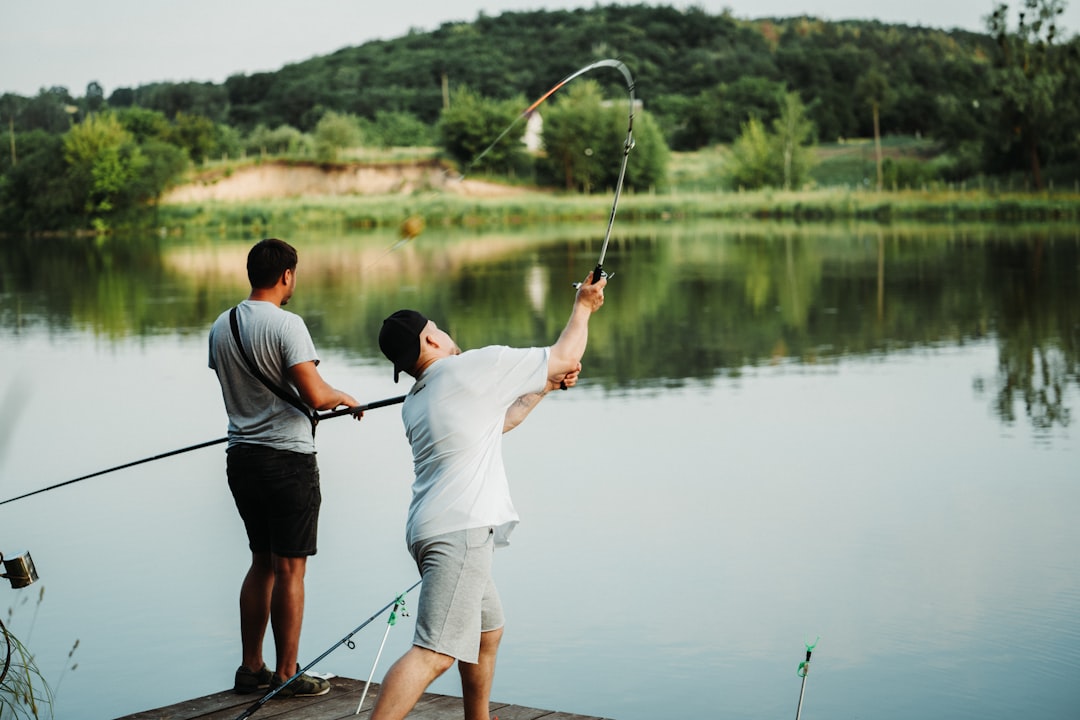
Three routes strike us as must-dos for anyone wanting to combine walking with reading the water. The Guizengeard blue lakes loop (about 4 km, 1 hour 15, easy) goes around the main basins and offers several bird’s-eye viewpoints: ideal for observing the drop-offs and understanding the topography of a former quarry. The Guizengeard-Touvérac circuit (8 to 9 km, 2 hours 30, easy to moderate) links the two former quarry sites through the pine woods and runs along several forest ponds, perfect for spotting submerged trees and marginal weed beds. Finally, for the most motivated, a big loop of a dozen kilometres (3 hours 30, moderate) explores the surrounding heathland and passes close to small private and club waters. Our tip: take polarised glasses even when hiking, as they turn every viewpoint into a scouting session, and a light telescopic rod weighs nothing in your bag.
Where to stay and eat?
There are several options for exploring the area. The campsites around Baignes-Sainte-Radegonde, Brossac and Montguyon happily welcome anglers, some of them set right on the edge of ponds where fishing is possible, handy for a morning session before breakfast. Ask locally about night carp fishing, which is permitted on some federation stretches in southern Charente. As for gîtes, the hamlets around Guizengeard and Touvérac offer quiet rentals, often with a garden for drying the float tube and preparing your gear. For food, head to Baignes, Brossac or Chevanceaux, where you will find country restaurants and generous Charente dishes; the weekly markets in Baignes and Barbezieux are perfect for stocking up on local produce between sessions by the water.
FAQ – your questions about Lake Guizengeard
What is the best season to fish at Lake Guizengeard?
Spring and autumn are the most productive periods in the area’s waters, with predators active along the margins and the whole day worth fishing. In summer, concentrate your efforts on the first hours of daylight and dusk, while winter is better suited to slow, deep fishing for zander and perch.
Can you use a boat or a float tube?
The former kaolin basins lie within a Sensitive Natural Area where launching boats is in principle banned or strictly controlled. To fish from a float tube or boat, turn to the federation ponds and lakes of southern Charente that allow them, after checking the rules with the local AAPPMA.
Can you fish for trout there?
Trout are not a characteristic species of the Guizengeard lakes or the neighbouring ponds, which are better suited to stillwater predators such as pike, perch and black bass. To target trout on lures in the region, choose category 1 waters or stocked fishery ponds, respecting the official opening dates.
Which technique works best for zander in lakes?
Vertical jigging with soft lures is deadly over the deep pits, especially from autumn to late winter when zander gather on the drop-offs. From the bank, a slow straight retrieve with a 10 cm shad weighted between 7 and 14 grams, worked just above the bottom, remains the safe bet on this type of water.
How do you fish for perch with soft lures?
The drop shot with a small 5 to 7 cm finesse lure is the go-to technique for tempting wary perch in clear water, concentrating on drop-offs and submerged structures. You can also alternate with a light jighead worked in a sawtooth pattern, or a small crankbait when the perch are actively hunting along the margins.
Is a fish finder useful on this water?
On the former quarry basins, the clarity of the water already lets you read much of the topography with the naked eye, especially with polarised glasses. A portable fish finder is nonetheless invaluable on the fishable ponds in the area for locating pits, drop-offs and bait balls, saving you a great deal of time in your search for predators.