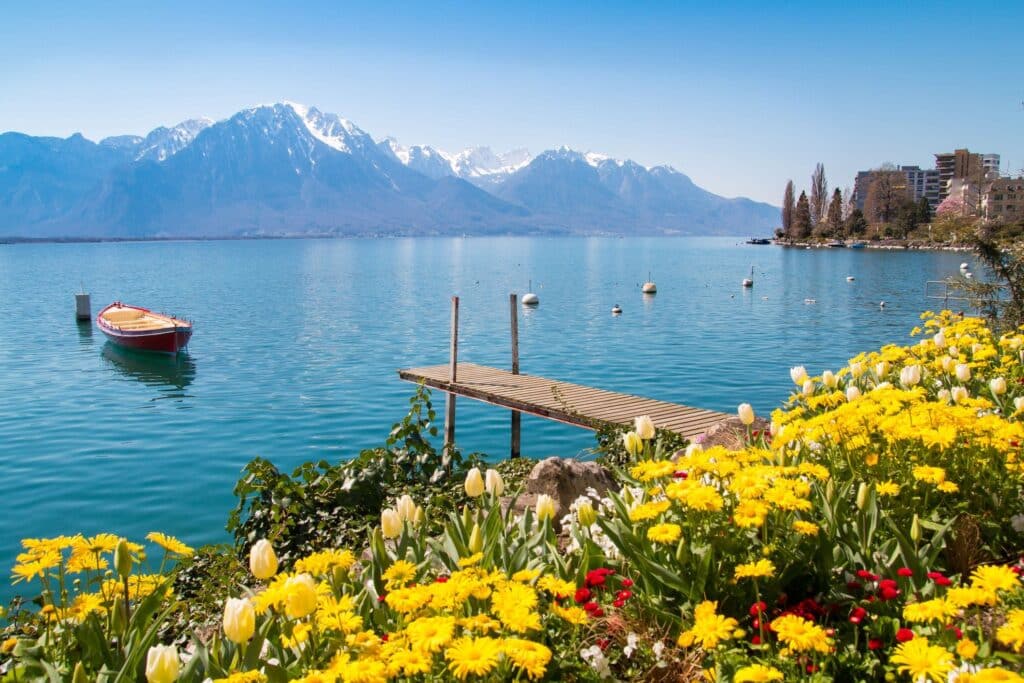
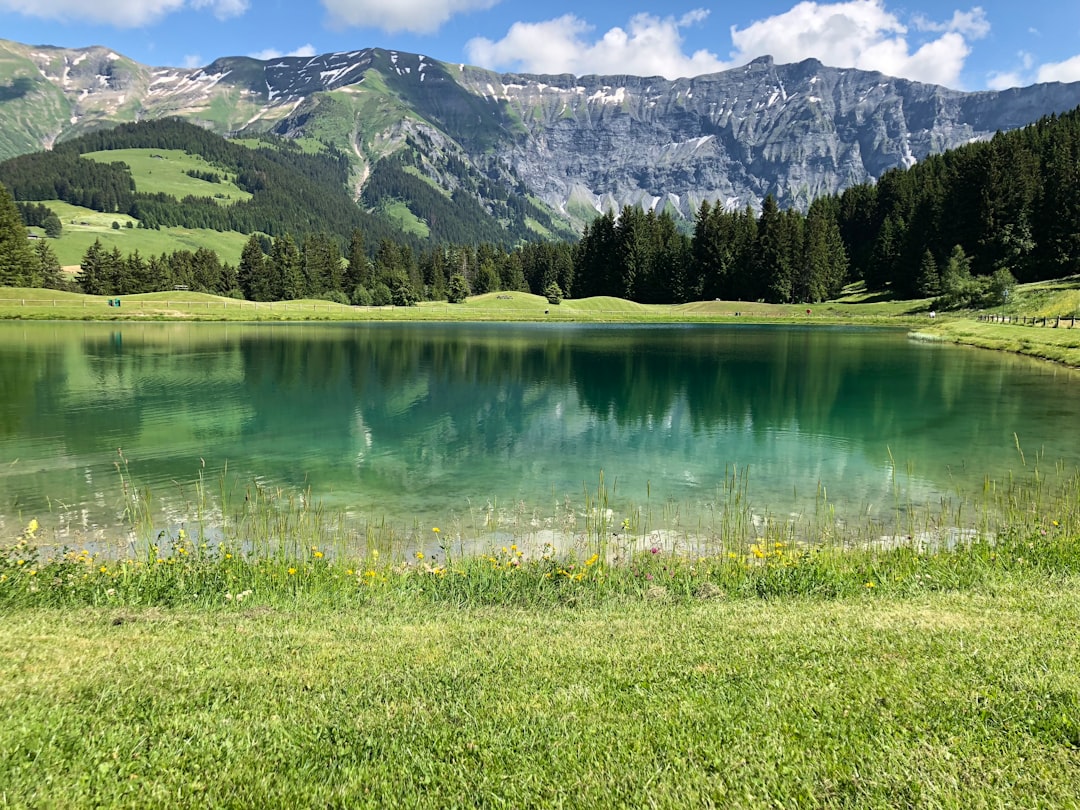
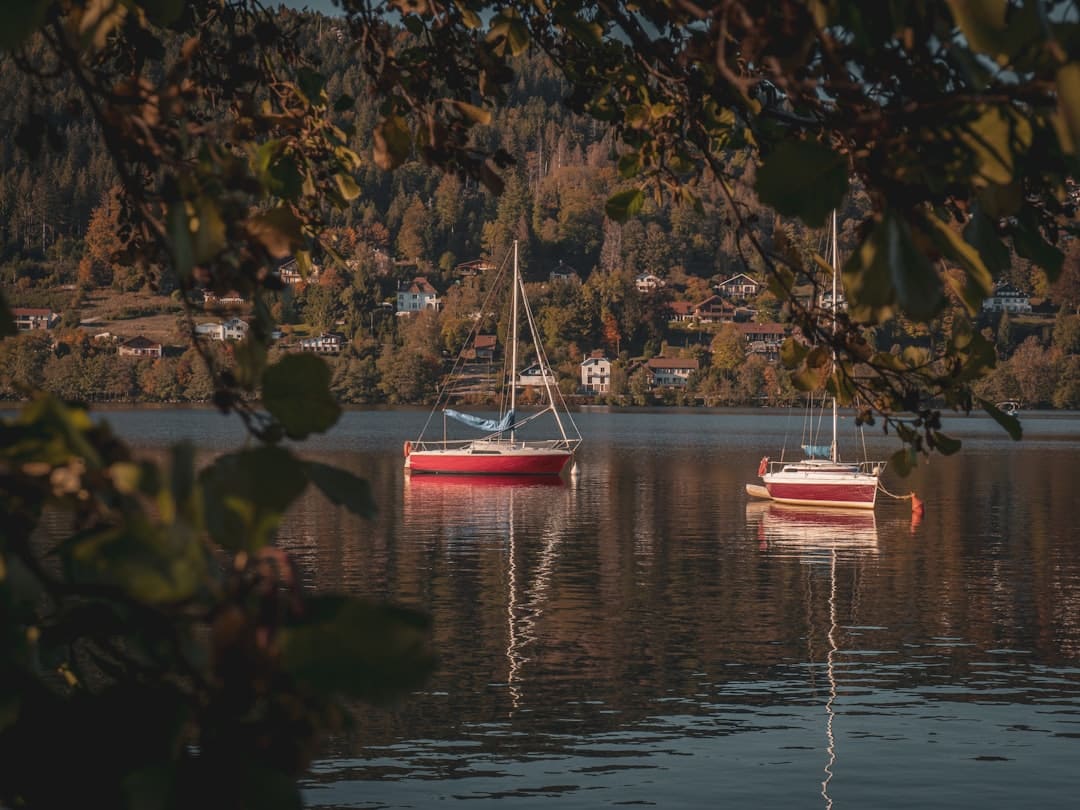
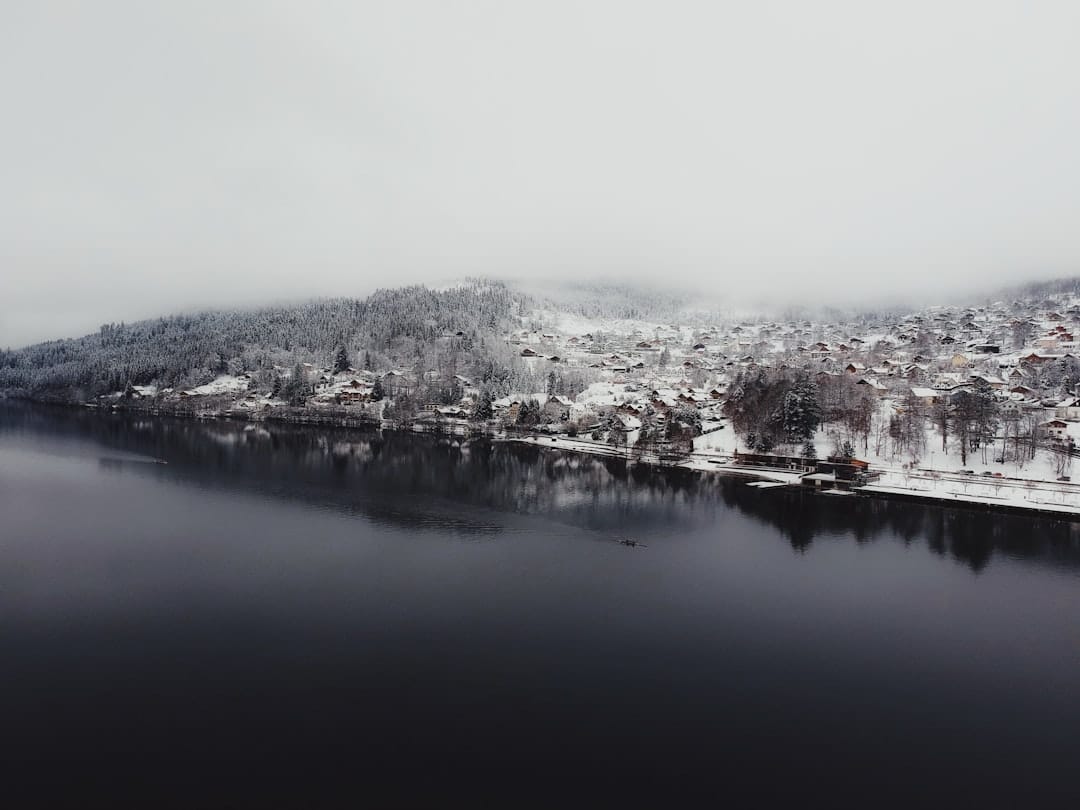
Nestled in the heart of the Vosges mountains, Lake Gérardmer is the largest natural lake in the Grand Est region. Of glacial origin, this Vosges gem nicknamed “the Pearl of the Vosges” lies at the foot of the town of the same name, surrounded by fir forests and granite slopes that plunge straight into deep, oxygen-rich water. For us lure anglers, this picture-postcard setting above all hides an exceptional playground for chasing pike, perch and lake brown trout.
In this article, we share everything you need to know to make your session on this lake a success: its history and technical features, the species present and the lure techniques that work, access, weather, the best swims to spot as you walk around Lake Gérardmer, and even where to stay so you can fish both morning and evening sessions. Follow the guide!
History and features of Lake Gérardmer
Unlike many French lakes, Lake Gérardmer is not a reservoir: it is a natural lake of glacial origin, formed around 10,000 years ago when the Vologne glacier retreated, carving out the valley and leaving a moraine that acts as a natural dam. Covering 115.5 hectares, 2.2 km long and about 750 metres wide, it is the largest natural lake in the Vosges and Lorraine. Perched at 660 metres, it has a maximum depth of around 38 metres and a volume of close to 19.5 million cubic metres. This considerable depth, combined with banks of varying slopes (gentle on the town side, steep on the forest side), creates a remarkable variety of swims for lure fishing: marked drop-offs, flats, marginal weed beds and deep areas where predators retreat in both summer and winter. The lake is fed by several mountain streams and drains into the Jamagne, which ensures cool, well-oxygenated water all year round, ideal for salmonids and percids alike.
Which fish can you catch at Lake Gérardmer?
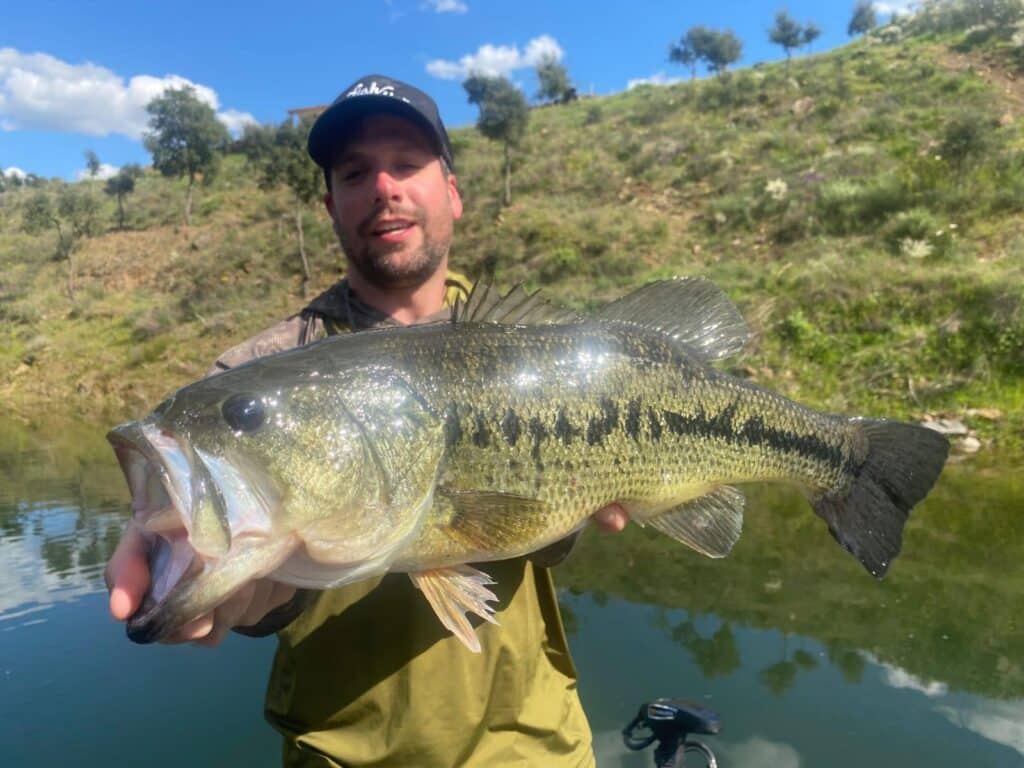
The fish population is rich and typical of large mountain lakes. Pike are the top predator here, with very fine specimens regularly topping the metre, lying in ambush along the weed beds and drop-offs. Perch are everywhere and put on spectacular feeding displays in summer, with tight shoals herding baitfish to the surface. Zander are also present, more discreet, sticking to the deep areas and hard bottoms. As for salmonids, the lake holds trout, notably fine lake brown trout cruising in open water, as well as char. Coarse fish (roach, rudd, bream, tench) make up an abundant larder that explains the predators' fine growth, and a few carp frequent the shallowest areas.
For pike, we favour big soft lures of the shad type, 12 to 20 cm, on a straight retrieve along the drop-offs in spring and autumn, as well as the chatterbait which excels at combing weed bed edges in slightly coloured water. In summer, when the pike drop down onto the deep drop-offs, a slowly fished swimbait and vertical jigging make the difference. For perch, drop-shot and small crankbaits are deadly around structures (pontoons, submerged trees, riprap), while summer feeding frenzies are best worked with a small jerkbait or a blade bait. Zander are mostly caught by vertical jigging or with a soft lure scraped along the bottom between 8 and 20 metres, early in the morning or late in the day. As for lake brown trout, light trolling or casting with wobbling spoons and slim hard lures gives good results in spring: check out our selection of the best trout lure to get properly kitted out before you come.
Observing the nature around the lake is also an excellent way to locate fish. Grey herons and great crested grebes fishing actively give away shoals of silver fish, and therefore predators nearby. As for vegetation, the reed belts and pondweed beds along the north and west margins are obvious pike swims in spring, while the water lilies in calm areas shelter perch and jack pike. Fir trees that have fallen into the water along the forested banks are prime spots to work methodically with an unweighted or lightly weighted soft lure.
How to get to the lake
Access is very simple: the lake lies right next to the town of Gérardmer, reached via the D417 from Épinal (about 40 minutes) or from Colmar via the Col de la Schlucht (about 50 minutes). Several free and pay car parks line the east shore on the town side, notably near the beach and the boulevard de la Jamagne; for morning sessions, the Ramberchamp car park to the south-west is our favourite, quieter and close to good margins. Boats can be launched from the dedicated slipway, but note: petrol engines are banned on the lake and only electric motors are allowed, which makes it a perfect spot for a boat fitted with a bow-mount electric motor or for a float tube. Float tubes and kayaks are easy to launch from several points on the west shore. For those coming without a car, regional bus lines serve Gérardmer from Remiremont station, and the lake is then a few minutes' walk from the town centre.
Map of the lake
Weather and fishing conditions
The mountain climate of the Hautes-Vosges sets the rhythm for fishing. Winter is harsh, with water temperatures dropping below 5°C and a lake that can partly freeze: the predators then gather in the deep holes. In spring, the water gradually warms from 8 to 15°C, and this is the best period for pike along the margins and lake brown trout in open water. In summer, the surface water reaches 20-22°C, pushing pike and zander towards the thermocline, between 6 and 12 metres: vertical jigging and deep-diving lures become essential. Autumn is our favourite season here: the fish move back up onto the flats to feed up before winter. As for conditions, a light westerly wind rippling the surface and stable or gently falling pressure are the best signals to get the lures out; beware of the blazing sunshine after a cold front, a classic in the mountains, which often pins the fish to the bottom.
What to do at Lake Gérardmer?
Lure fishing is obviously still our number one activity, and the variety of techniques on offer (straight retrieves from the bank, vertical jigging from a boat, drop-shot from a float tube, light trolling for trout) means you can spend whole days here without getting bored. But the site is also a complete family destination: lifeguarded swimming in summer at Ramberchamp beach, pedalo, paddleboard, kayak and boat hire, a water sports centre, and superb mountain bike routes in the surrounding forests. It is the ideal place to combine a family holiday with fishing sessions at dawn, while everyone else is still asleep.
When it comes to swims, several areas deserve your attention. From the bank, the wilder, wooded west shore offers margins cluttered with submerged trees that are perfect for pike and perch on soft lures. The Jamagne outflow and the stream inflows concentrate baitfish, and therefore predators, especially in spring. By boat or float tube, use your sonar to find the drop-offs in the southern half, where the bottom plunges quickly to 20-30 metres: that is where zander and big pike hold in summer. The pontoons and structures on the east shore, on the town side, are classic perch spots but terribly effective early in the morning.
Hiking and scouting swims around the lake
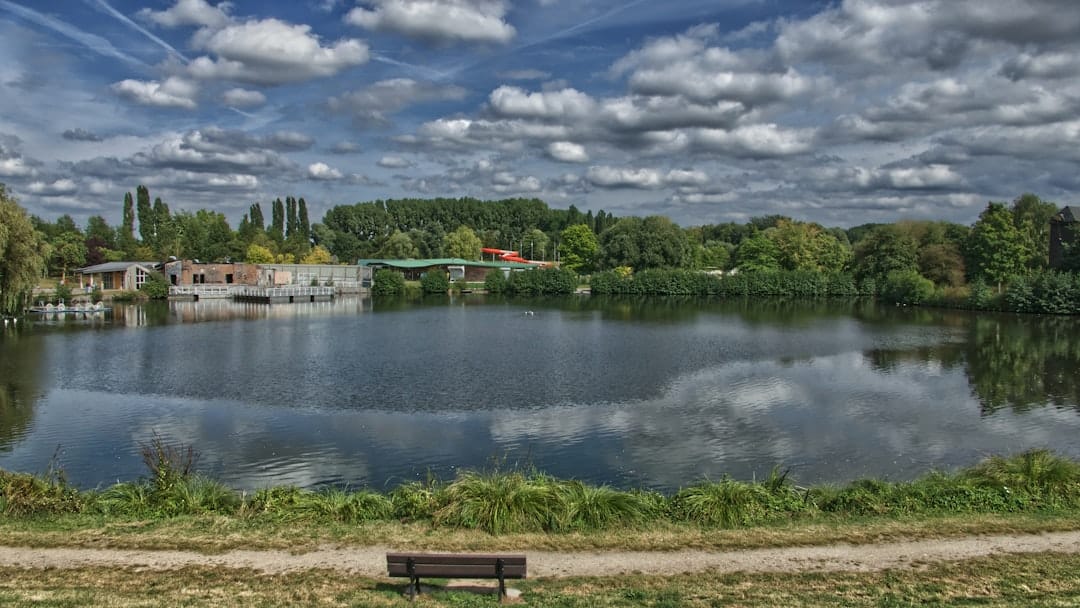
The Lake Gérardmer circuit is an unmissable loop of around 6.5 km, flat and accessible to all in 1h30 at a gentle pace: for us, it is above all an ideal scouting session, polarised glasses on, for locating weed beds, submerged trees, gravel beaches and the start of drop-offs visible from the bank. Do it preferably in the low morning light, when perch feeding frenzies give away the active areas. For a higher vantage point, the climb to the Merelle observatory (about 4 km return, 1h30, moderate ascent) offers an exceptional bird's-eye view that reveals the changes in depth and the position of the flats: a real natural bathymetric chart. Finally, the sportiest will tackle the lakes circuit linking Gérardmer to Longemer and Retournemer (about 15 km, 4 to 5 hours, moderate), perfect for scouting the swims of three Vosges lakes in a single day and planning your next trips.
Where to stay and eat?
To sleep as close to the water as possible, the Ramberchamp campsite is unbeatable: right on the south-west shore, it puts you on the water in five minutes for the morning bite, and several pitches are practically at the water's edge. The town also offers plenty of gîtes, chalets and hotels for all budgets, from traditional Vosges wooden rentals to establishments with a spa to recover after a day in the float tube. As for food, the farm inns on the heights serve the famous repas marcaire (tofailles, smoked pork collar, Munster cheese, blueberry tart), perfect for refuelling, and the lakeside restaurants let you eat with a view of your spots. Don't miss the Gérardmer market, on Thursday and Saturday mornings, to stock up on local produce between sessions: farmhouse Munster, fir honey and Vosges charcuterie will fill the angler's cool box nicely.
FAQ – your questions about Lake Gérardmer
Which lures should you use for pike?
Big shad-type soft lures (12 to 20 cm) on a straight retrieve along the drop-offs and the chatterbait for combing weed bed edges are our sure bets here. In summer, when the pike drop down into the deep areas, switch to a slowly fished swimbait or vertical jigging above the thermocline, and don't forget a powerful casting rod to keep big fish under control.
Is the lake suitable for a family fishing trip?
Absolutely, it is even one of the best family destinations in the Vosges: a lifeguarded beach, pedalo and paddleboard hire, a flat trail around the lake and all the shops close at hand. The accessible banks and plentiful perch make it easy to introduce children to light lure fishing, the drop-shot or small spoons from the pontoons.
What are the best spots on Lake Gérardmer?
The wooded west shore, with its submerged trees and snaggy margins, is excellent for pike and perch from the bank or from a float tube. By boat, focus on the drop-offs in the southern half that plunge to great depths, as well as on the stream inflows and the Jamagne outflow, which concentrate baitfish in spring.
Which technique works best for zander in lakes?
Vertical jigging with soft lures is the go-to technique for zander in deep lakes: a 10 to 12 cm shad or finesse lure worked slowly just off the bottom, between 8 and 20 metres, following the drop-offs on your sonar. A straight retrieve scraped along the bottom with marked pauses also works very well early in the morning and late in the day, when zander move up onto the flats to hunt.
Are there zander in Lake Gérardmer?
Yes, zander are present, even though they are more discreet than pike or perch. They mainly frequent the deep areas and hard bottoms of the southern half of the lake: a sonar and a vertical approach or a soft lure scraped along the bottom greatly increase your chances of finding them.
Can you fish for trout there?
Yes, the lake holds trout, including fine lake brown trout cruising in open water, which are particularly active in spring. Light trolling with an electric motor, wobbling spoons and slim hard lures are the most effective approaches; remember to check the opening dates and the salmonid regulations in force with the local AAPPMA before your visit.