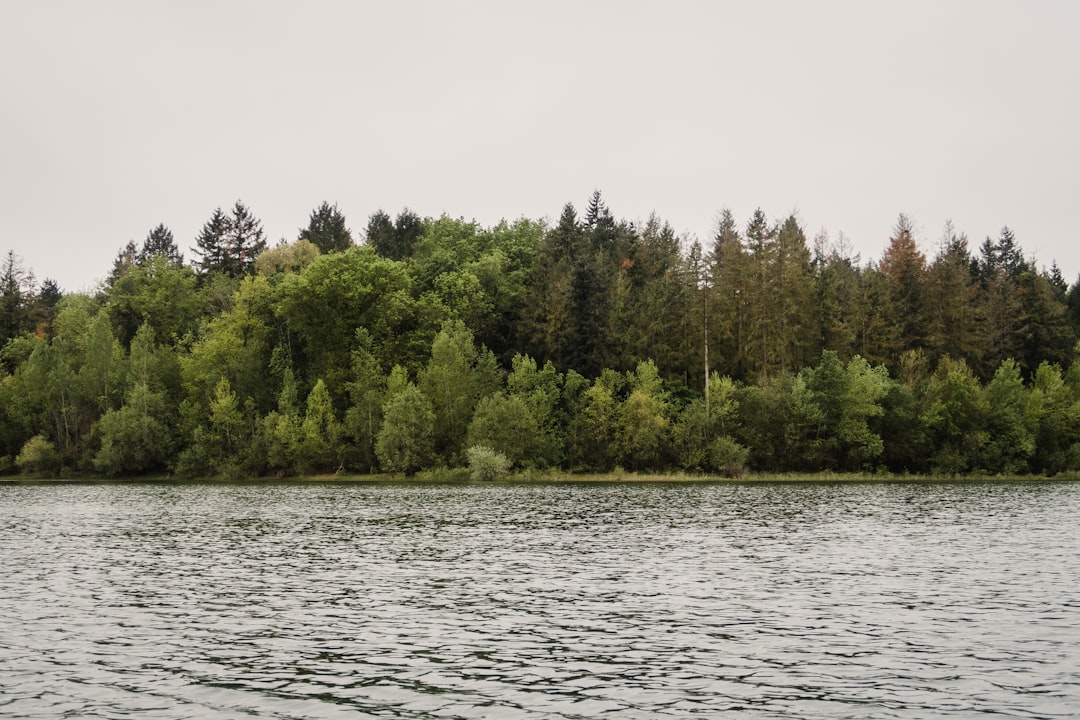
Nestled in the heart of the Beaujolais Vert, an hour from Lyon, Lake Sapins is one of those waters we are particularly fond of at Rodmaps. Located in the commune of Cublize, in the Rhône department, this 40-hectare man-made lake is surrounded by wooded hills that give it an exceptional setting. But beyond the postcard views, it is above all a lure-fishing destination well worth the detour, with a fine population of predators.
In this article, we share everything you need to know to plan your session: the history and features of the lake, the species present and the techniques we use to tempt them on lures, access, the weather, not forgetting the Lake Sapins campsite for those who want to extend their stay. Let's go!
History and features of Lake Sapins
Lake Sapins is a man-made body of water created at the end of the 1970s by building a dam on the Reins, a river in the upper Beaujolais. Originally intended to boost tourism around Cublize and Amplepuis, it quickly established itself as the main leisure centre in the Rhône department. In figures, the lake covers around 40 hectares at an altitude of about 460 metres, with a maximum depth of roughly ten metres near the dam. This layout, alternating shallow areas at the tail of the lake with deeper holes towards the dam, is ideal for predators: weed beds, drop-offs and flats offer a variety of spots throughout the season. Note that the lake is also home to the largest natural swimming area in Europe, set up in a separate basin, which leaves a large part of the banks free for anglers like us.
Which fish can you catch at Lake Sapins?
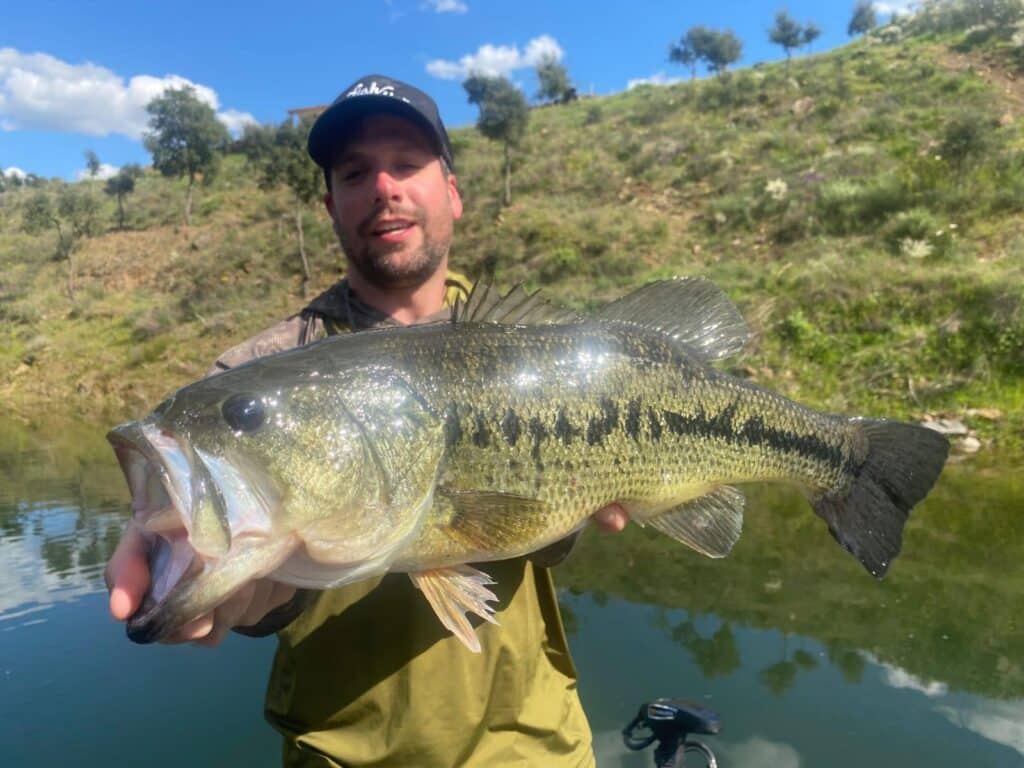
The fish population of Lake Sapins has plenty to delight lure anglers. Pike is the king predator here, with fish regularly exceeding a metre lurking in the weed beds of the shallow areas. Perch are abundant, often hunting in whole shoals along the drop-offs, and a few zander frequent the deep holes near the dam. You will also come across fine chub along the margins, as well as carp, tench, roach and bream, which provide an abundant larder for the predators. Black bass and catfish, on the other hand, are not among the lake's signature species.
When it comes to techniques, we adapt our approach to each species. For pike, 12 to 15 cm Texas-rigged soft lures slip beautifully through the weed beds in spring and summer, while spinnerbaits and big crankbaits make the difference in autumn when the fish move out onto the drop-offs. For perch, nothing beats a finesse approach with a drop shot along the drop-offs, or a small spintail cast long with a light spinning rod when the surface bursts into feeding frenzies. Zander, for their part, are best targeted vertically or with a slow retrieve over the deep areas near the dam, especially early in the morning and late in the day. And for summer sessions, a noisy topwater lure cast from a float tube right alongside the weed beds can trigger spectacular pike strikes.
Watching the wildlife and plant life is invaluable for finding spots. Grey herons and great crested grebes fishing actively give away the presence of shoals of silver fish, and therefore of predators nearby. The reed beds and water lilies at the tail of the lake are classic pike hideouts, while the submerged weed beds visible in clear water mark out the perch's hunting grounds. When swallows skim the water, it often signals insect activity that brings baitfish up: that is when we reach for our topwater lures without hesitation.
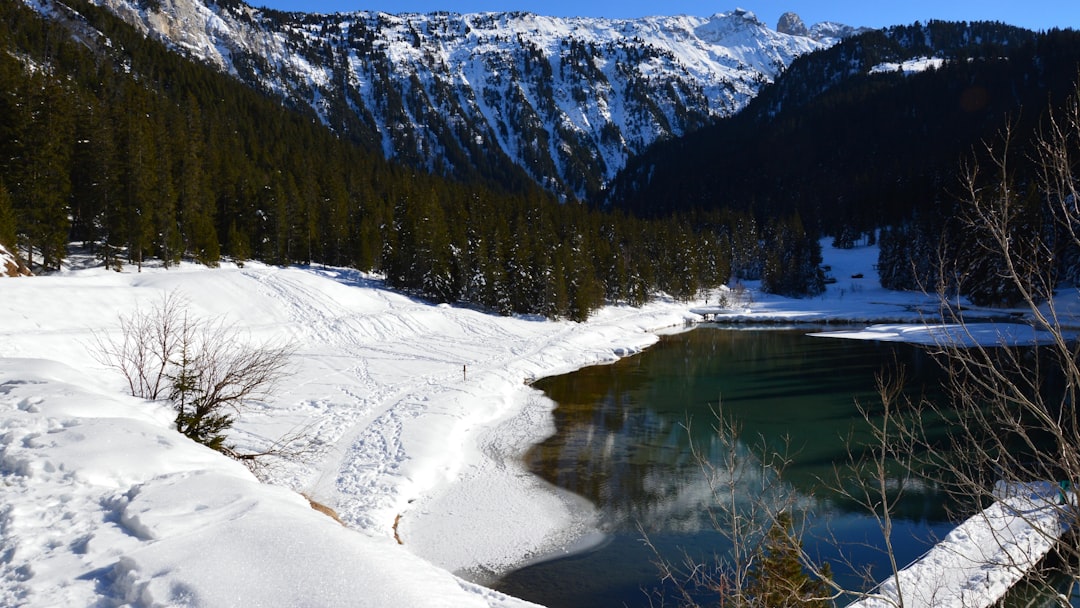
How to get to the lake
Access by car is very easy: from Lyon, allow about an hour via the A89 (Tarare exit), then the D10 towards Cublize. From Roanne, around thirty minutes is enough. Several free car parks surround the lake, notably by the leisure centre and near the dam, so you can launch a float tube or a light boat without carrying your gear for miles. Petrol engines are banned, but electric motors are generally tolerated: check with the local AAPPMA before your session. By public transport, coach lines serve Cublize and Amplepuis from Roanne and Tarare, and Amplepuis SNCF station is about ten minutes' drive from the lake.
Map of the lake
Weather and fishing conditions
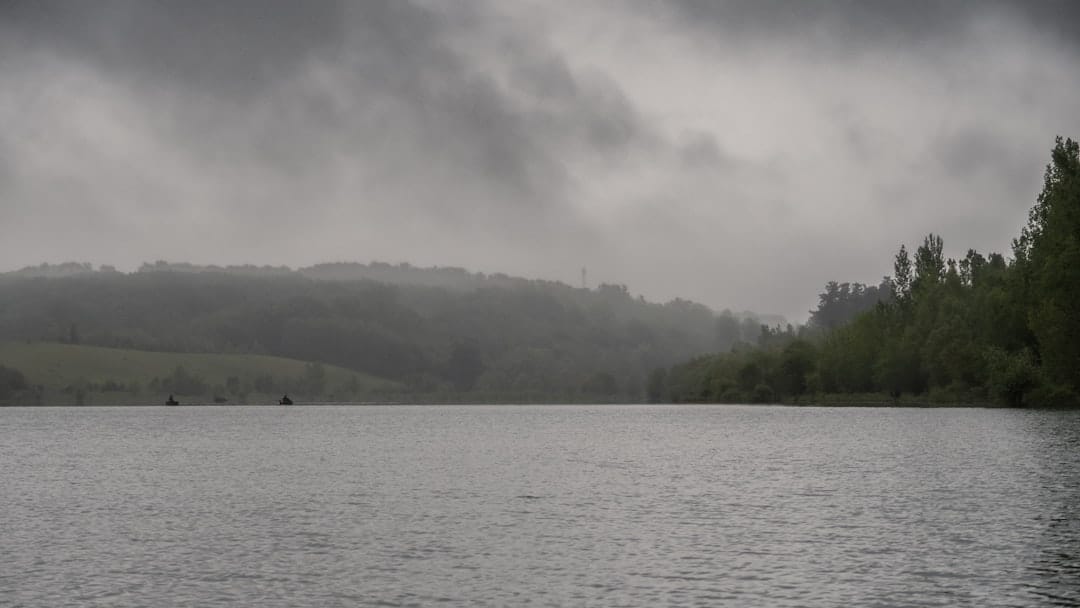
Checking the Lake Sapins weather before you set off is a habit we strongly recommend. The climate of the upper Beaujolais is semi-continental with a mountain influence: cold winters when the water drops below 6 °C, mild springs when it quickly climbs back to 14-16 °C, summers when the surface layer can exceed 23 °C, and cool autumns that revive predator activity. For lure fishing, our favourite conditions here are overcast skies with a light breeze rippling the surface: pike leave the weed beds and perch hunt in open water. Stable or slightly falling atmospheric pressure often means good activity, while a gust of mistral or blazing sunshine in midsummer pushes us to fish early in the morning, late in the evening or deep. Here is the live forecast to plan your outing:
What to do at Lake Sapins?
Lure fishing is of course our number one activity on this lake, possible all year round as long as the predator closed seasons are respected. But the site is also a genuine family leisure centre: a lifeguarded natural swimming area in summer, paddleboard and kayak hire, a treetop adventure course, a beach, picnic areas and mountain-bike trails in the surrounding hills. It is the perfect place to combine an early-morning fishing session with a family day out, as the lake is big enough for the leisure areas and fishing areas to coexist without any problem.
For anglers, several spots are worth scouting. From the bank, the tail of the lake and its weed beds are a must for pike on soft lures, while the area around the dam gives access to the deep zones for zander and big perch. In a float tube or boat, we like to work along the wooded bank opposite the leisure centre: the submerged trees and shade there create formidable natural hideouts. The points and small coves, where the wind pushes the baitfish, are also areas to search systematically with a spinnerbait or crankbait.
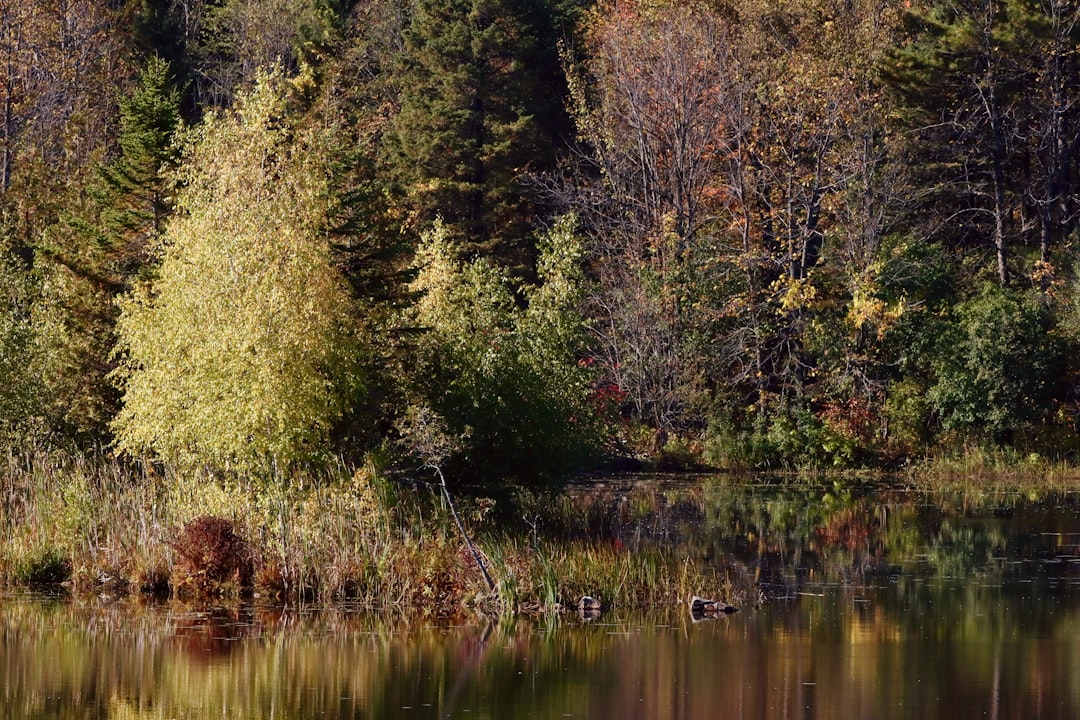
Hiking and scouting swims around the lake
Good news: a footpath goes all the way round the lake. This loop of about 4.5 km, flat and accessible to everyone in 1 hour to 1 hour 15 minutes on foot, is for us the best scouting tool there is: walking it when the water is clear, you will pick out the weed beds, visible drop-offs, inflows and sunken trees. For the more active, the Reins trail (about 9 km, 2 hours 30, moderate difficulty) follows the valley upstream of the lake and lets you scout the tail of the lake, often the most productive area in spring. Finally, the Beaujolais Vert ridge loop (12 km, 3 hours 30, steady climbing) offers elevated viewpoints over the whole lake: in calm weather you can clearly make out the flats and the deep holes, golden information for planning your future float-tube drifts.
Where to stay and eat?
To stay on site, the Lake Sapins campsite, located right on the water's edge in Cublize, is the ideal option: pitches for tents and campervans, mobile homes and chalets, all just a few minutes' walk from the first spots. It is perfect for being on the water at dawn, when predators are at their most active (note that night fishing is only allowed on any dedicated carp stretches, so check with the AAPPMA). The surrounding area also has plenty of gîtes and B&Bs in Cublize, Ronno and Amplepuis. For food, you will find snack bars and lakeside restaurants in season, as well as good traditional restaurants in the nearby villages. The Amplepuis market, on Thursday mornings, is a chance to stock up on Beaujolais Vert produce between two sessions.
FAQ – your questions about Lake Sapins
What are the best spots on Lake Sapins?
The weed beds at the tail of the lake are the most reliable pike spots, especially in spring and summer with Texas-rigged soft lures. The deeper water around the dam is the place to go for zander and big perch, particularly in autumn and winter, fishing vertically or with a drop-shot.
Are there zander in Lake Sapins?
Yes, zander are present in the lake, even if they are less abundant than pike and perch. We mainly look for them over the deep areas near the dam, early in the morning or late in the day, with soft lures worked slowly near the bottom.
Do you need a fishing licence to fish at Lake Sapins?
Yes, a valid fishing licence is compulsory to fish this lake, which is managed by the local AAPPMA and comes under the Rhône fishing federation. You can buy one online at cartedepeche.fr or from the stockists around Cublize and Amplepuis.
Are there any regulated fishing areas?
Yes, some areas are closed to fishing, notably around the natural swimming area and the zones reserved for water sports during the high season. Also make sure you respect the specific closed seasons for pike and zander, as well as the minimum legal sizes in force in the Rhône department.
Is fly fishing possible on the lake?
Absolutely: streamer fishing works very well here, especially for pike along the weed beds and, with smaller patterns, for perch chasing baitfish. The open banks on the beach side and the wind-exposed points give you enough room behind you to fly cast comfortably.
Can you use a boat or a float tube?
Float tubes and light boats without petrol engines are generally allowed on the lake, opening up spots that cannot be reached from the bank, such as the wooded shore and the submerged trees. Still, check the current regulations with the local AAPPMA, as seasonal restrictions may apply during the busy summer period.