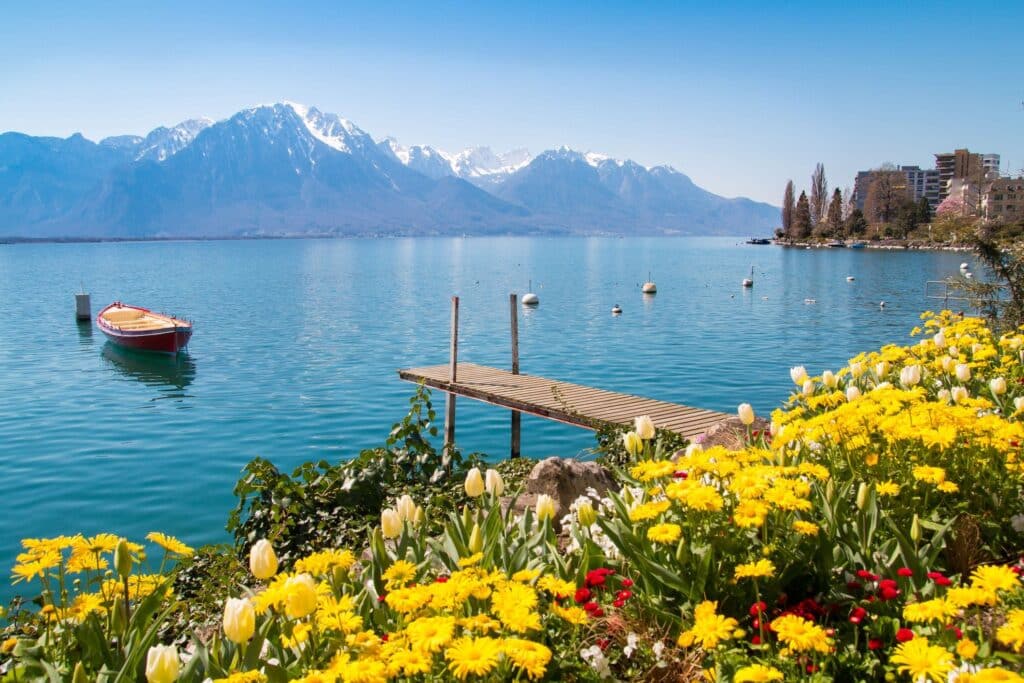
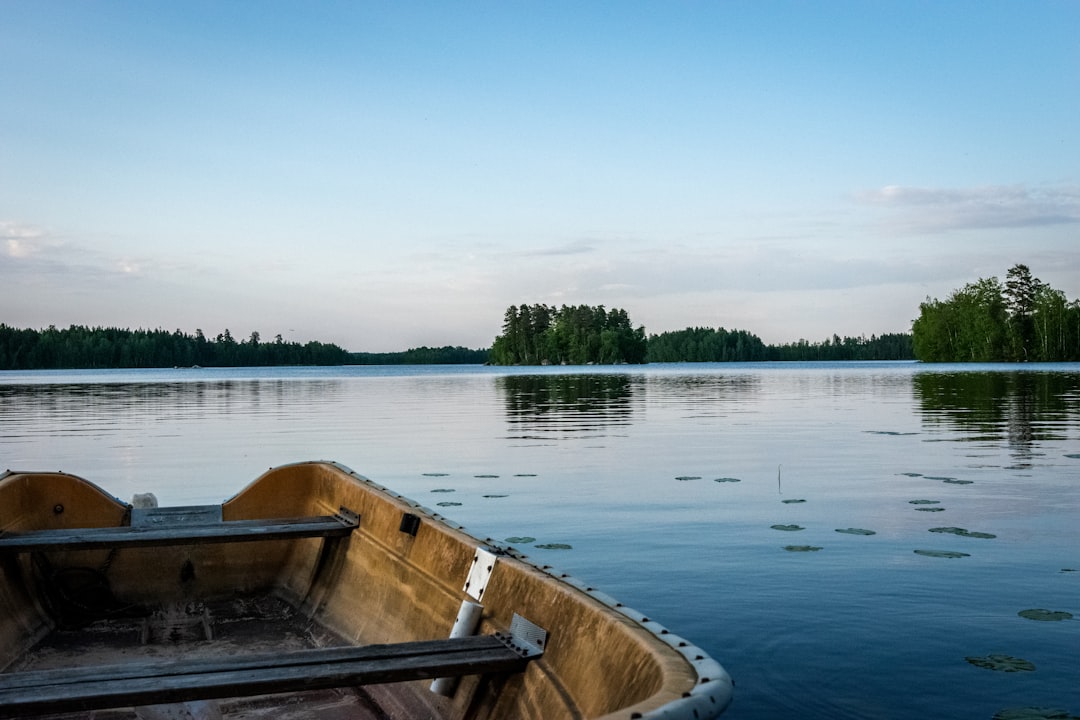
Nestled at the head of the Thur valley, at the foot of the Grand Ventron and the Markstein, Lake Kruth (officially Lake Kruth-Wildenstein) is one of the most beautiful bodies of water in the Alsatian Vosges. Surrounded by fir forests and overlooked by the ruins of Wildenstein castle, this upland reservoir in the Haut-Rhin offers a wild setting that every lure angler dreams of: clear water, snaggy margins, deep holes and a fine population of predators.
We have had the chance to take our rods there several times, from the bank and from a float tube, and here we share everything you need to know before opening your lure boxes: the history of the dam, the species present, techniques that work, access, weather, swims to look out for and good addresses for extending your stay. Follow the guide, the fish are waiting!
History and features of Lake Kruth
Unlike its glacial neighbours such as Lac Blanc or Lac des Corbeaux, Lake Kruth is an artificial lake. It was created between 1959 and 1963 by building a rockfill dam on the Thur, mainly to cap the river's floods and maintain its flow in dry periods, for the benefit of the valley's industries. The result is a lake of about 81 hectares, sitting at nearly 550 metres above sea level and holding some 12 million cubic metres of water. The depth reaches around thirty metres near the dam, making it one of the deepest lakes in the area. For us lure anglers, this layout is fascinating: shallow areas at the head of the lake where the Thur flows in, margins that drop off quickly along the wooded slopes, and genuine deep holes towards the dam. The water is cold and clear for most of the year, typical of a mountain lake, which strongly influences predator behaviour and our choice of retrieves.
Which fish can you catch at Lake Kruth?
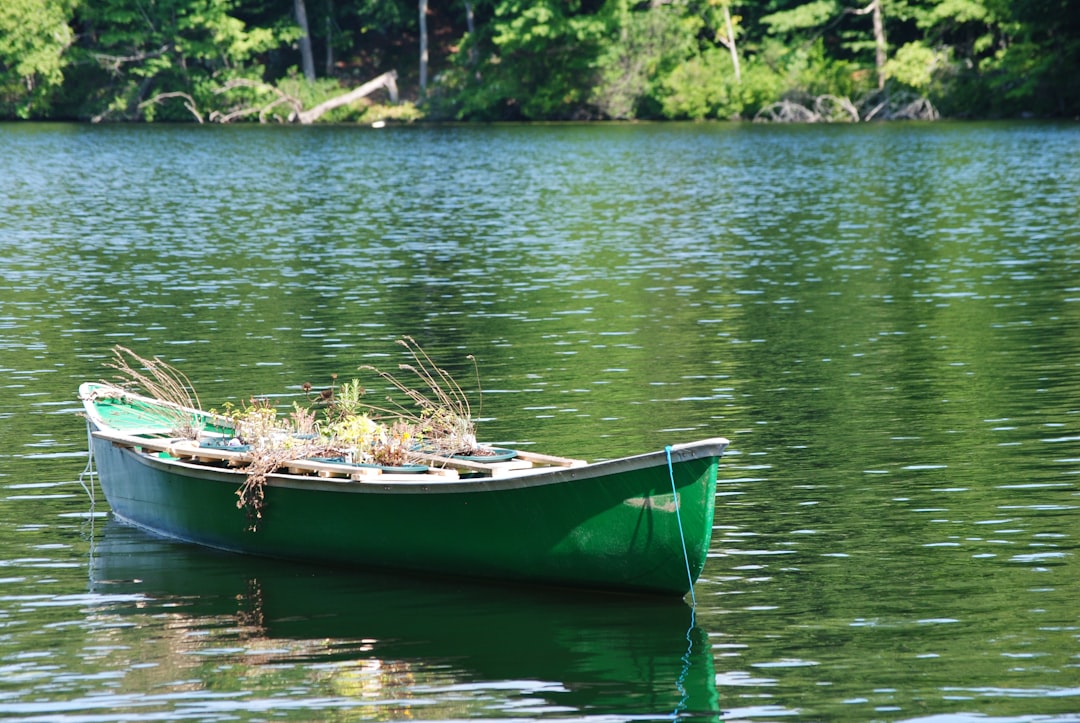
The fish stock is typical of a large Vosges reservoir. Pike are the undisputed stars: they find perfect ambush points in the margins cluttered with dead wood and in the weed beds at the head of the lake, and some specimens comfortably exceed a metre. Perch are very common, often in tight shoals chasing fry on the surface from late summer onwards. Zander are also present, more discreet, holding on the drop-offs and deep areas near the dam. As for salmonids, trout (stocked brown and rainbow trout, plus a few fine lake trout) frequent the cold waters of the lake, especially near the Thur inflow. Among bottom-dwellers and coarse fish, there are roach, rudd, bream, tench and carp, which make up the predators' larder. No black bass or catfish have been recorded here: the water is too cold for the former, and the latter has not colonised the valley.
In terms of technique, here is what works for us on site. For pike, 12 to 20 cm soft lures on a slow steady retrieve along the drop-offs work wonders in spring and autumn, as do spinnerbaits and the chatterbait in the weedy areas at the head of the lake; don't hesitate to boost your soft plastics with a predator attractant in this clear water where fish have time to inspect the lure. If you are new to this species, our guide on how to fish for pike will give you all the basics. For perch, the drop-shot along the drop-offs and submerged trees is deadly: reread our perch fishing techniques before your session, and take care over your leader with a good fluorocarbon, essential in such clear water. Look for zander by vertical jigging or with soft lures scraped over the holes by the dam, ideally with a fish finder to locate the fish holding on the bottom. Finally, for trout, small crankbaits and wobbling spoons cast at the head of the lake early in the morning can produce some nice surprises: our selection of best trout lure will help you put your box together.
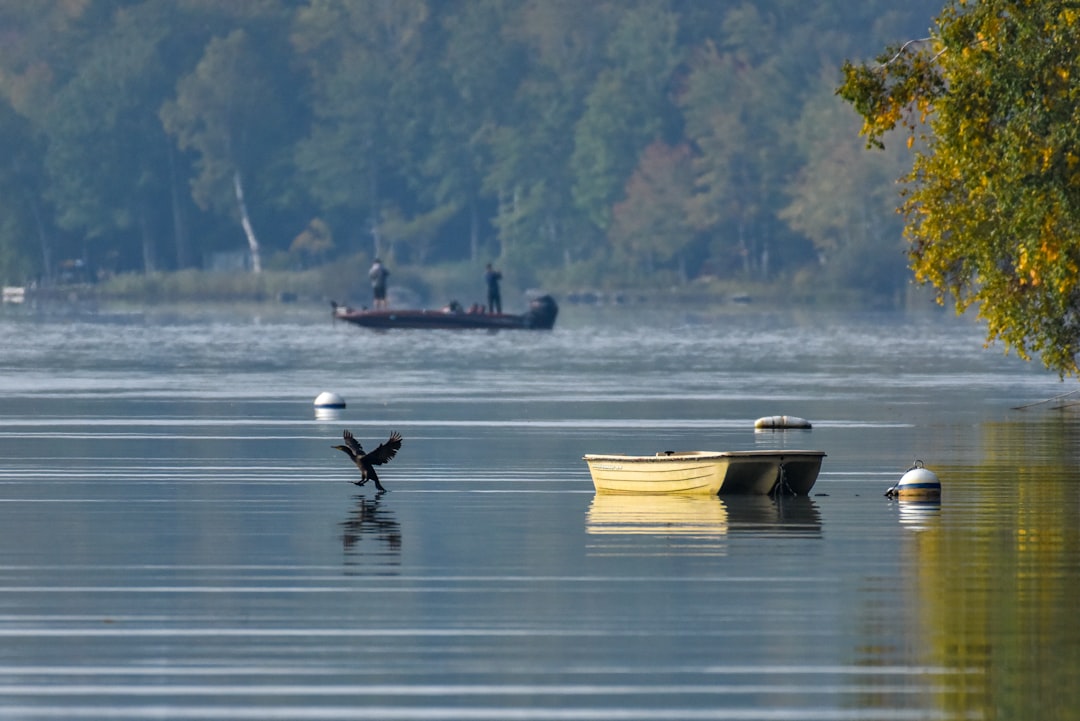
Look up too: grey herons, great cormorants and red kites frequent the shores, and their activity often gives away the presence of baitfish shoals. As for vegetation, the weed beds in the upstream area, the sparse reed beds and above all the many trees fallen into the water along the wooded banks are all indicators of pike and perch swims. A shaded margin with dead wood dropping onto a drop-off is the very definition of a spot to explore first here.
How to get to the lake
The lake lies in the commune of Kruth, in the Haut-Rhin, about 25 minutes from Thann and an hour from Mulhouse. By car, head up the Thur valley on the N66 and then the D13bis to the village of Kruth, before following signs for the lake and Wildenstein castle. Several free car parks are spread around the lake, notably near the leisure centre and by the dam, which lets you spread your sessions across different sectors without walking miles with all your gear. A road runs almost all the way round the lake: handy for quickly spotting interesting margins. Petrol-powered boating is prohibited, but fishing from a boat, kayak or float tube is possible in accordance with current local regulations (check with the valley's AAPPMA before launching). The float tube is in fact our preferred option here for combing the snaggy margins that are inaccessible from the bank; consider a suitable rod such as those in our selection of casting rods for pike, perfect for fishing seated just above the water. By public transport, the Mulhouse–Kruth railway line serves the village, with the lake then about 30 minutes' walk from the station.
Map of the lake
Weather and fishing conditions
The climate is mountainous: cold, snowy winters (the lake can partially freeze), cool, wet springs and pleasant summers without extremes. The water stays cold for a long time: expect 6 to 8 °C at the end of winter, 12 to 15 °C in spring, 18 to 21 °C in midsummer and rapid cooling from September. For lure fishing, this means slow retrieves for much of the year: scraped soft lures, vertical jigging and the drop-shot dominate from October to May, while summer opens the window for faster fishing with crankbaits, spinnerbaits and topwater lures early in the morning. The best conditions on this clear-water lake? Overcast skies, a light wind rippling the surface and breaking up the light, and stable or gently falling atmospheric pressure. Big blue skies after a cold front are the toughest days: drop down in lure size and fish the deep layers. Finally, watch out for the fluctuating water level: the reservoir level varies with releases and the season, which shifts the margin swims from one session to the next.
What to do at Lake Kruth?
Lure fishing is obviously our number one activity here, and the site lends itself to it perfectly: an accessible lakeside circuit, many types of swim and the possibility of fishing from a small craft. But Lake Kruth is also a real summer leisure centre: lifeguarded swimming in July and August, pedalo and paddleboard hire, a treetop adventure course in the nearby forest, and mountain bike trails criss-crossing the massif. For us, it is the perfect spot for combining a family holiday with fishing sessions: while some enjoy the beach, we head off in the float tube to work the quieter margins on the opposite side.
As for swims, here is what we look for first. From the bank: the head of the lake and the Thur inflow (shallow area, weed beds, trout and pike holding), the rocky points jutting into the water on the forest bank, and the submerged trees visible in clear water. By boat or float tube: the drop-offs running parallel to the banks (often between 3 and 7 metres), the holes near the dam for zander, and the flats bordering the old drowned valley. A pass with the fish finder at the start of the session lets you locate baitfish shoals and save precious time, especially when the changing water level has reshuffled the cards.
Hiking and scouting swims around the lake
Hiking here is also a way of fishing smarter: from above, the clear water reveals drop-offs, drowned timber and weed beds that are invisible from the bank. Three loops are worth the detour. The first, a must, is the lake circuit: about 5.5 km, 1h30 on foot, very easy, ideal for mentally mapping all the margins and noting the trees fallen into the water (take polarised glasses, they make all the difference). The second climbs to the ruins of Wildenstein castle: allow 3 km return and 1 to 1h30, moderate difficulty with a good climb; the bird's-eye view of the lake is the best observation post there is for spotting the flats and the dark areas that betray depth. Finally, for strong walkers, the loop to the Bockloch waterfall and the ridges (8 to 10 km, 3 to 4 hours, moderate to demanding) gives you a view over the whole valley and lets you observe the head of the lake and the Thur inflow, a key sector for trout and pike early in the season. Our advice: walk round the lake the day before your session, taking photos of swims, and build your fishing plan accordingly.
Where to stay and eat?
To sleep as close to the water as possible, Camping du Schlossberg in Kruth is our usual base: shaded pitches, chalets and mobile homes, a few minutes from the lake, perfect for being at your swim at first light (note that night fishing is not permitted here; check the AAPPMA regulations for the exact hours). The area is also full of gîtes and fermes-auberges typical of the High Vosges, in Kruth, Wildenstein or Oderen, ideal for a group of anglers. For food, the mountain fermes-auberges (towards the Treh or the Markstein) serve the famous repas marcaire — tourte, smoked pork collar, roïgabrageldi and farmhouse Munster — enough to recharge after a day of casting. In the village and the valley, several restaurants and winstubs serve hearty Alsatian cuisine, and the weekly markets of the Thur valley (notably in Saint-Amarin and Thann) let you stock up on local produce. Our ritual: morning session, tarte flambée at lunchtime, scouting swims in the afternoon and back on the water for the evening session.
FAQ – your questions about Lake Kruth
Can you fish for trout there?
Yes, the lake holds stocked brown and rainbow trout, as well as a few lake trout that thrive in the reservoir's cold water. The best sectors are the head of the lake and the Thur inflow, to be fished with small crankbaits, wobbling spoons and finesse soft lures early in the morning in spring and early summer. Check the salmonid season opening dates before your session.
Which technique works best for zander in lakes?
On a large, deep lake like this one, vertical jigging with soft lures over the holes and drop-offs is the most effective technique, ideally guided by a fish finder to locate fish holding on the bottom. From the bank or without electronics, a 10 to 12 cm soft lure scraped slowly down the drop-offs, or a drop-shot rig worked persistently on the breaks in slope, also give very good results, especially in low light.
Do you need a fishing licence to fish at Lake Kruth?
Yes, a valid fishing licence is compulsory, as the lake is managed by the local AAPPMA of the Thur valley, affiliated to the Haut-Rhin Fishing Federation. You can buy one online at cartedepeche.fr or from stockists in the valley, and we recommend that you consult the lake's specific rules (bag limits, minimum sizes, reserve areas, boating conditions) before fishing.
Are there zander in Lake Kruth?
Yes, zander are present in the reservoir, although they are less abundant than pike and perch and keep a lower profile in this cold, clear water. Look for them in the deep areas near the dam, on marked drop-offs and on the flats of the old drowned valley, preferably in low light: dawn, dusk or heavily overcast days.
Which lure colours work best here?
As the water is generally clear on this mountain lake, natural colours dominate: roach, perch and bleak imitations, as well as translucent and pearly shades for perch and trout. Still keep a few flashy lures (fire tiger, chartreuse, white) for days of strong wind, after heavy rain or when the changing water level slightly clouds the margins.
How deep is the lake and where are the holes?
The maximum depth reaches about 30 to 35 metres right next to the dam, while the head of the lake, where the Thur flows in, is much shallower. The main holes are therefore in the downstream third of the reservoir, along the old bed of the drowned river: these are the areas to target with vertical jigging for zander and for big pike holding deep in summer and winter. Note that the level varies with releases from the dam, which changes margin depths from one session to the next.