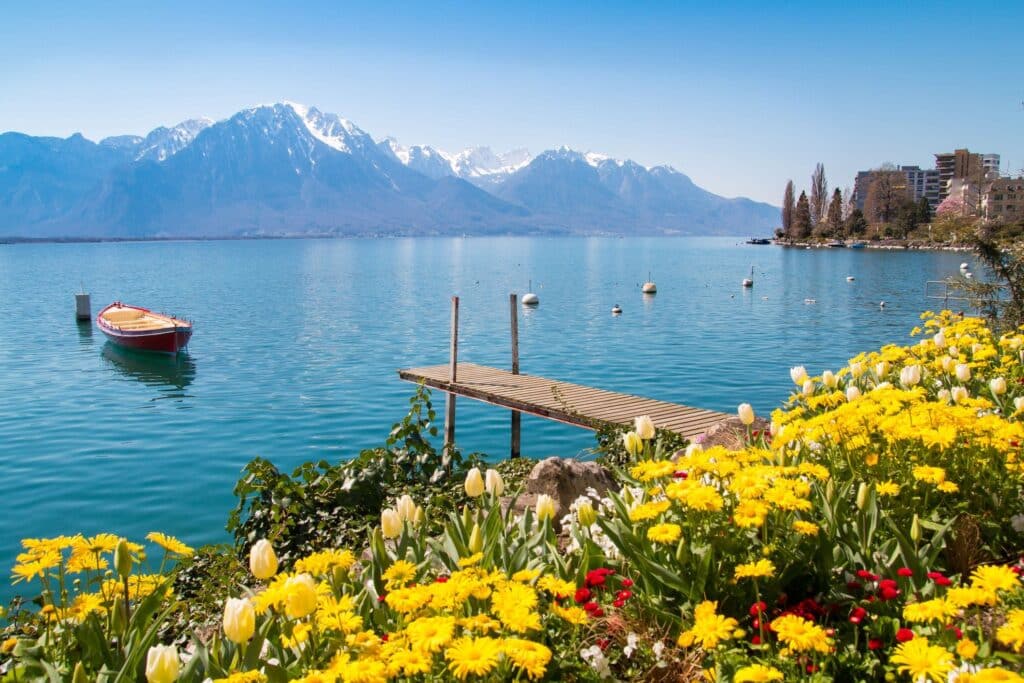
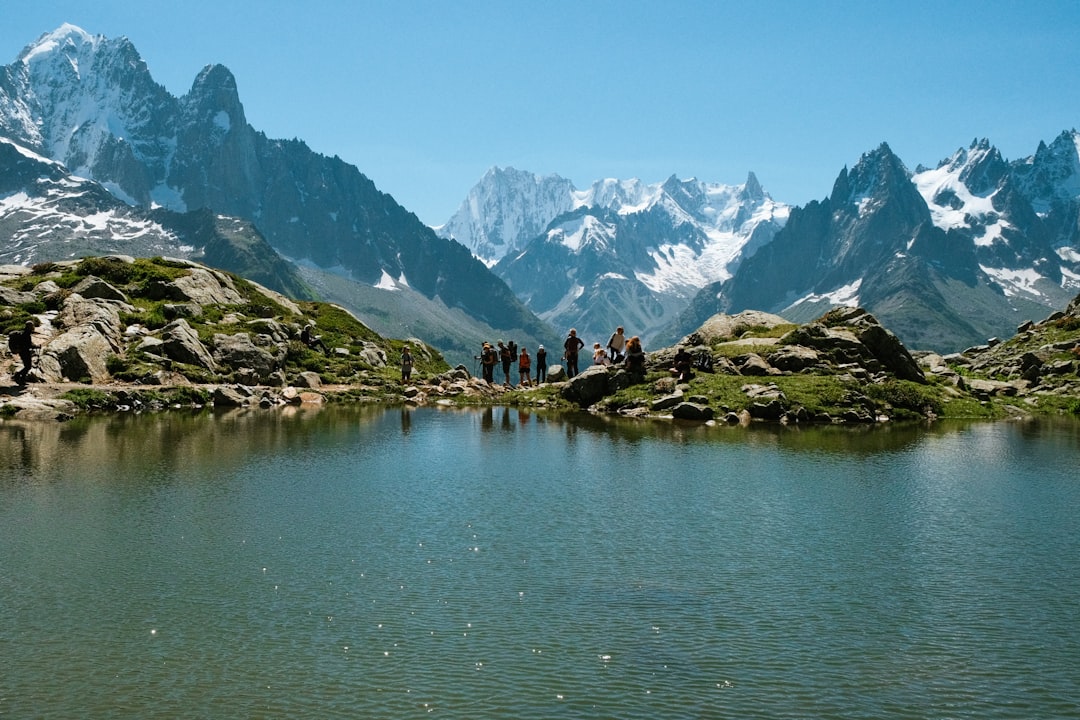
Nestled in the heart of the Vosges mountains, on the border between Meurthe-et-Moselle and the Vosges, Lake Pierre-Percée is often nicknamed the “little Canada of Lorraine”. With its indented shores, its conifer forests plunging into deep water and its wild coves, this lake of over 300 hectares is quite simply the largest in Lorraine. And for us lure anglers, it is above all an exceptional playground for chasing pike, perch and zander in breathtaking scenery.
In this article, we take you to discover a destination we are particularly fond of. The history of the dam, the species present, suitable lure fishing techniques, access, key swims, weather, accommodation: we share everything you need to know to prepare your session on Lake Pierre-Percée and maximise your chances of hooking fish.
History and features of Lake Pierre-Percée
Unlike the natural glacial lakes of the Vosges, Lake Pierre-Percée is an artificial lake created by the construction of the Vieux-Pré dam on the River Plaine, filled in 1985. Its primary purpose is hydraulic: it serves as a water reserve to support the flow of the Moselle, notably for cooling the Cattenom nuclear power station, in conjunction with the Celles-sur-Plaine compensation basin downstream. In figures, the lake covers around 304 hectares, at an altitude of about 390 metres, with a volume of around 62 million cubic metres. Its depth can exceed 70 metres at the dam, giving it almost “Norwegian” characteristics: clear water, steep holes, pronounced drop-offs and a well-established thermocline in summer. For us lure anglers, this means fish behaviour closely tied to changes in water level (the drawdown can be significant depending on water releases), and reading the underwater relief is essential before casting a single lure. A fish finder is a real plus here, but reading the banks already lets you guess the submerged topography.

Which fish can you catch at Lake Pierre-Percée?
The predator stock is this lake’s great asset. Pike are well represented, with fine specimens making the most of the wooded margins and the submerged trees left in place when the lake was filled. Perch are everywhere, often hunting on the plateaus and rocky points, with handsome stripies regularly topping 35 cm. Zander are also present, more discreet, hugging the drop-offs and the deep areas. As for coarse fish, roach, rudd, bream and tench make up an abundant larder that explains the predators’ fine growth. Trout can also be encountered, particularly near cool-water inflows. Black bass, on the other hand, are not an established species in this cool, mid-mountain lake.
For pike, we favour big soft lures on a slow steady retrieve along the drop-offs in spring and autumn, as well as spinnerbaits and chatterbaits to comb the snaggy margins. In summer, when the thermocline sets in, a swimbait fished in mid-water above the deep holes makes the difference. Before planning your session, remember to check the fishing season opening dates so you don’t fish for pike during the close season. For perch, the drop-shot is deadly on the rocky drop-offs: a Sawamura One Up Shad in 3 inches, rigged finesse-style, works wonders on the educated fish of this clear-water lake. Zander, for their part, are caught vertical jigging or on soft lures scraped along the bottom, at dawn and dusk, over areas of 8 to 15 metres. Clear water means we always fish with a fluorocarbon leader: a good fluorocarbon of 0.30 to 0.40 mm for perch and zander, and a sturdier leader for pike.
Keep an eye on the birdlife too: great crested grebes, grey herons and cormorants frequent the lake and often give away the presence of shoals of small fry, and therefore of predators lying in ambush nearby. The vegetation is just as telling: weed beds in the shallow bays, flooded timber and fallen trees along the margins are all pike swims, while steep banks of rocky scree indicate drop-offs holding perch and zander. A fringe of reeds at the head of the lake in spring? That is a spot to work first with an unweighted soft lure.
How to get to the lake
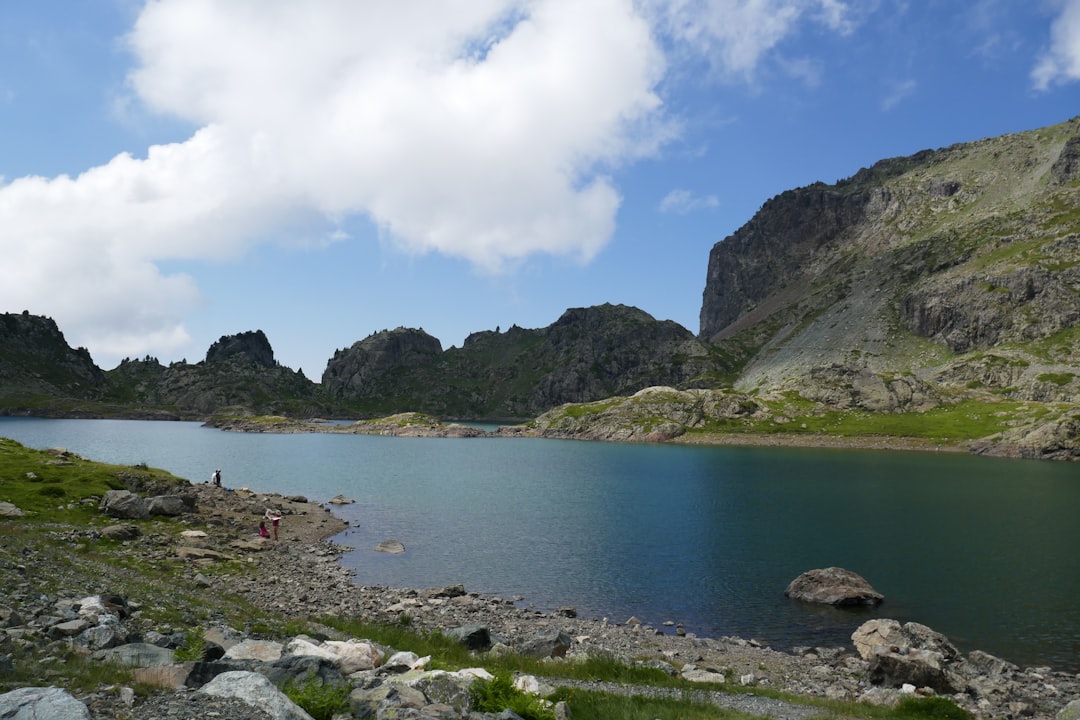
The lake lies in the commune of Pierre-Percée, in Meurthe-et-Moselle, around 1 hour from Nancy and 1h15 from Strasbourg. By car, you reach it via Badonviller then the D182, or from Raon-l’Étape and Celles-sur-Plaine on the Vosges side. Several free car parks serve the shores: the main car park at the Plage de la Roche leisure centre (Celles-sur-Plaine side), the Vieux-Pré dam car park and several more discreet areas along the forest roads, perfect for reaching the more remote swims. A slipway lets you launch a boat: note that petrol engines are banned and only electric motors are allowed, which makes this lake a paradise for float tubes and fishing kayaks. Public transport is almost non-existent in this rural area: a car is essential, ideally with the float tube on the roof.
Map of the lake
Weather and fishing conditions
The climate here is semi-continental and mountainous: cold winters with water dropping below 5°C, cool springs and moderate summers when the surface water reaches 20 to 23°C. This slowly warming water shifts predator activity slightly compared with lowland lakes: the best period runs from May to the end of October, with a peak in pike activity in September-October when the baitfish group together. For lure fishing, we look for days with a moderate wind that ripples the surface and breaks up the light on this very clear water: that is when spinnerbaits and jerkbaits reach their full potential. Stable or slightly falling atmospheric pressure and a hazy sky make for ideal conditions. In bright sunshine and flat water, switch to finesse: drop-shot, ned rig and slow presentations over the deep areas often save the session.
What to do at Lake Pierre-Percée?
Lure fishing is obviously our number one activity here, from the bank, from a float tube or from an electric-powered boat. But the site is also a complete leisure centre: lifeguarded swimming in summer at the Plage de la Roche, hire of paddleboards, canoes and pedalos, a tree-top adventure course, and superb mountain-bike routes through the surrounding forests. It is an ideal destination for combining a family holiday with a few early-morning fishing sessions, before the water sports get into full swing. Outside the summer season, the lake regains its calm and anglers have the shores almost to themselves.
As for swims, several areas are worth a visit: the shallow heads of the lake and their flooded timber for pike on soft lures or spinnerbaits, the rocky points that drop off quickly for drop-shot perch, and the dam area with its great depths for vertical jigging for zander. From the bank, the forest shores reached by footpaths offer many spots, but it is from a boat that the lake reveals its full potential: the many coves inaccessible on foot often hold the least pressured fish. From a float tube, follow the margins at casting distance and methodically comb every submerged tree.
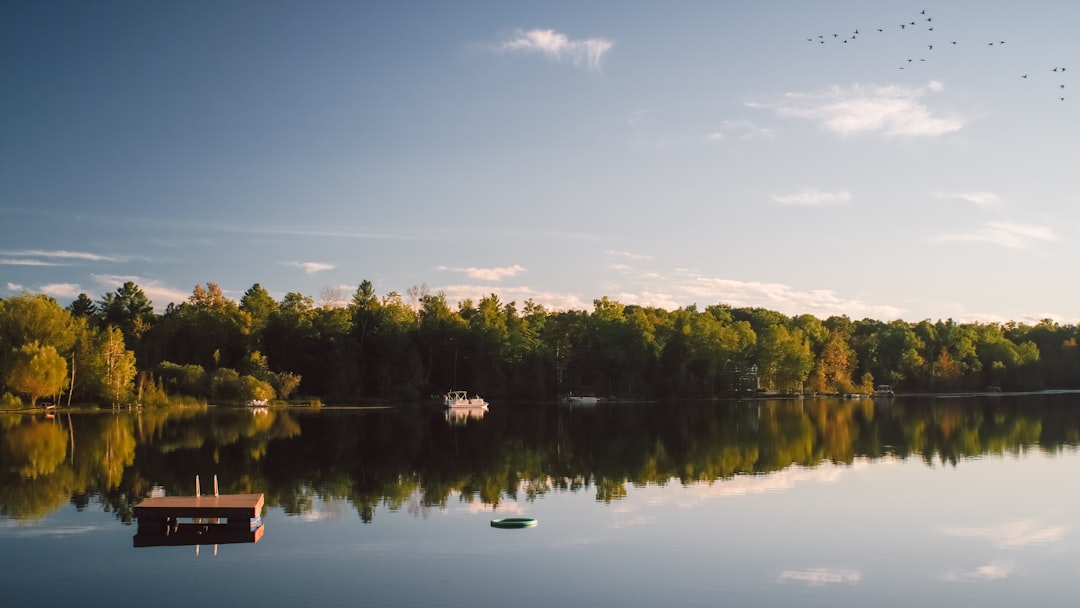
Hiking and scouting swims around the lake
The full circuit of the lake is a superb trail of around 17 km (5 to 6 hours’ walking, moderate difficulty with some climbs): for us it is the best school for scouting, as it lets you observe every cove, every fallen tree and every rocky point, especially at low water when the relief of the margins is visible. For a shorter outing, the peninsula loop starting from the dam car park (around 5 km, 1h30, easy) follows promising drop-offs for zander and perch. Finally, the path leading to the famous pierced rock that gave the village its name offers an elevated viewpoint over the lake: with polarised glasses, you can spot the plateaus, drop-offs and submerged weed beds. Our advice: do these walks with a light rod in your bag and mark the swims on a mapping app so you can come back to them by float tube.
Where to stay and eat?
To stay as close to the water as possible, the Camping des Lacs in Celles-sur-Plaine is the ideal base: pitches, chalets and quick access to the banks for dawn sessions, the most productive time for zander. Unusual accommodation (treehouses, lodges) and many rural gîtes are available in Pierre-Percée, Badonviller and the surrounding villages, often with a garage to store your gear and float tube. For food, you will find restaurants and inns in Celles-sur-Plaine and Badonviller serving hearty Lorraine cooking, perfect after a day of casting lures. The markets in Raon-l’Étape and Baccarat let you stock up on local produce: farmhouse Munster, Vosges charcuterie and bilberry tarts, enough to fill the boat’s cool box.
FAQ – your questions about Lake Pierre-Percée
Do you need a fishing permit to fish at Lake Pierre-Percée?
Yes, a valid fishing permit is compulsory on this water, which is managed by the angling associations of Meurthe-et-Moselle. Check with the local AAPPMA or on cartedepeche.fr before your visit, and look into any rules specific to the lake (reserve areas, catch limits, legal sizes).
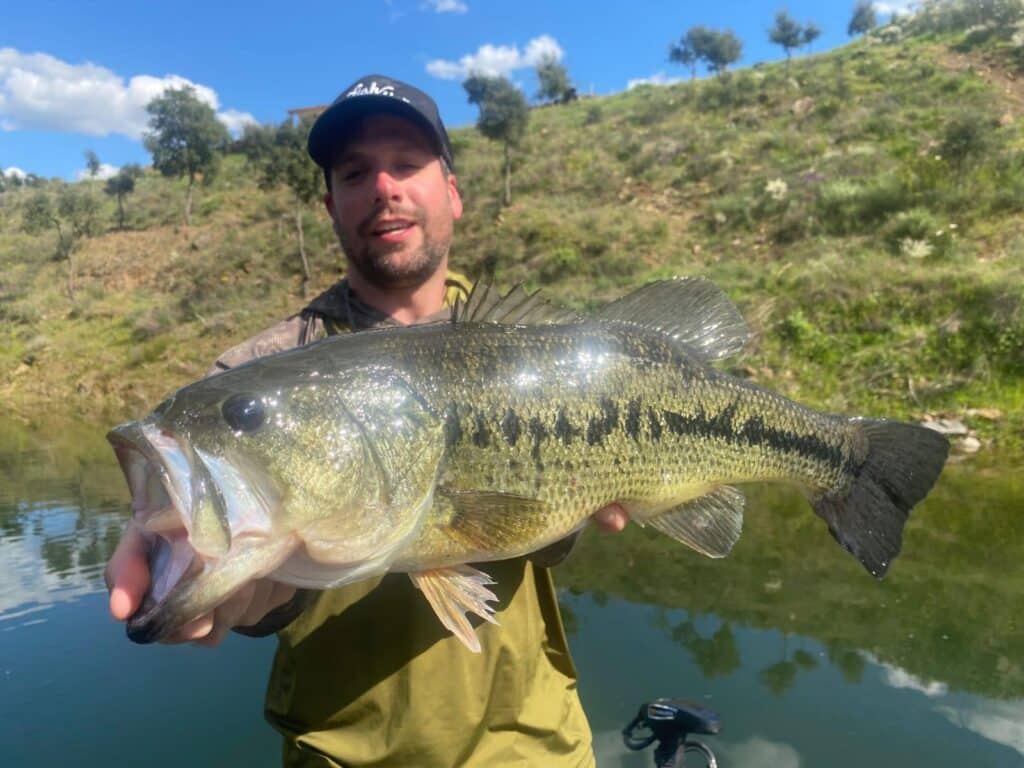
Are black bass present in this water?
No, black bass are not an established species here: the cool waters of this mid-mountain lake do not suit them. On the other hand, fans of finesse fishing will have a great time with the very numerous perch, which respond perfectly to bass techniques such as the drop-shot, the ned rig or small crankbaits.
Is swimming allowed at Lake Pierre-Percée?
Yes, swimming is allowed and lifeguarded in the summer season at the leisure centre’s developed beach. Anglers are better off avoiding this very busy area in July and August and heading for the wild coves instead, or fishing early in the morning before the swimmers arrive.
Is bank fishing productive on this lake?
Yes, many swims are accessible on foot thanks to the path that goes around the lake, notably the rocky points and wooded margins. That said, a craft (float tube, kayak or boat with an electric motor) greatly increases the possibilities by giving access to isolated coves and offshore structure, which is often less pressured.
How do you reach the best fishing spots?
Park at the dam or leisure centre car parks, then take the lake circuit path to reach the points, the heads of the lake and the areas of flooded timber. For the deep holes and drop-offs holding zander, launching a boat fitted with an electric motor or a float tube from the slipway is the best option, ideally with a fish finder.
Which lure colours work best here?
As the water is generally clear, natural colours dominate: ayu, perch, ghost shad and wakasagi are our sure bets for perch and zander. Under overcast skies, in a strong wind or in coloured water after rain, don’t hesitate to switch to white, chartreuse or fire tiger for pike, which react well to more visible signals in these conditions.