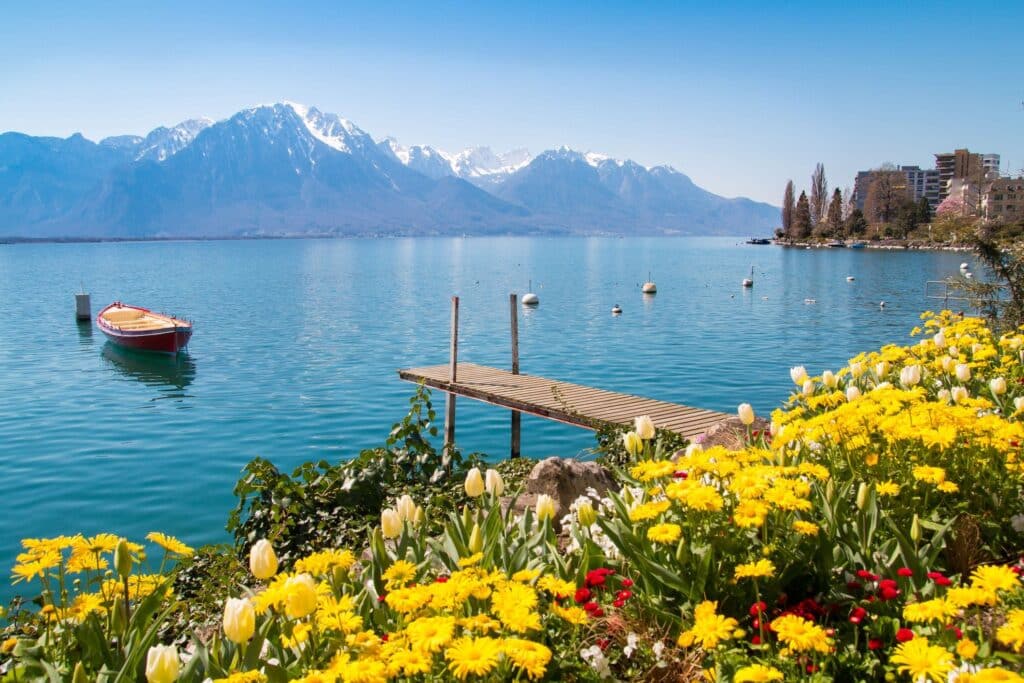
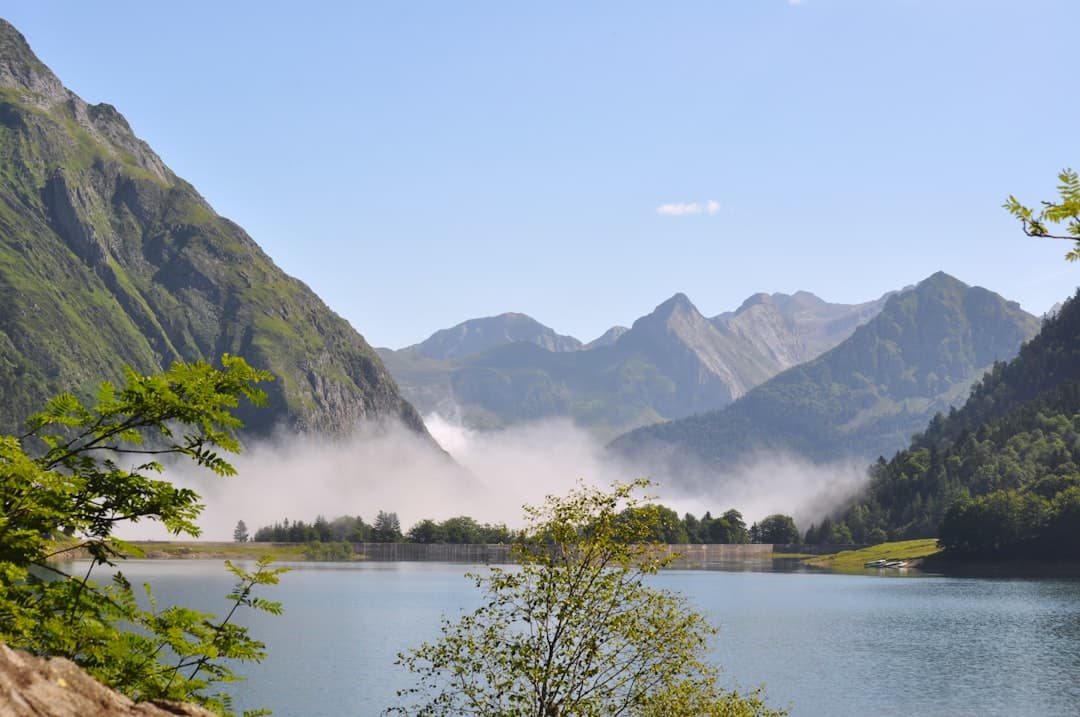
Nestled between the Var and the Alpes-Maritimes, just a few kilometres from Cannes and Grasse, Lake Saint-Cassien is one of the most legendary lakes in the south of France for lure fishing. World-famous among carp anglers, it is also – and this is what interests us at Rodmaps – an exceptional playground for chasing black bass, pike, perch and zander in breathtaking Provençal scenery.
We have walked its banks, sounded its deep holes and cast our lures into its weed beds many times. In this article, we share everything you need to know before coming to fish here: the lake’s history, the species present, the techniques that work, access, weather, swims to scout and good tips for where to stay and eat on site. Get your rods ready, we are taking you there!
History and features of Lake Saint-Cassien
Contrary to what its natural beauty might suggest, Lake Saint-Cassien is an artificial lake. It was created in 1966 following the construction of a dam on the Biançon, a tributary of the Siagne, with a dual purpose: generating electricity and providing a water reserve for irrigation and supplying the Côte d’Azur. Its creation also followed the Malpasset dam disaster in 1959, which deeply affected the region and influenced the design of the structure.
In figures, the lake covers around 430 hectares and holds about 60 million cubic metres, at an altitude of around 150 metres. Its maximum depth reaches about 45 to 48 metres at the dam, but it is above all its shape that interests us as lure anglers: three large arms (Fondurane, Biançon and the dam arm), gentle slopes alternating with sharp drop-offs, plateaus, flooded timber and vast weed beds. A varied profile that offers swims for every technique and every season. Note that the Fondurane arm is classified as a biological reserve: boating and fishing are regulated there, so find out before venturing in.
Which fish can you catch at Lake Saint-Cassien?
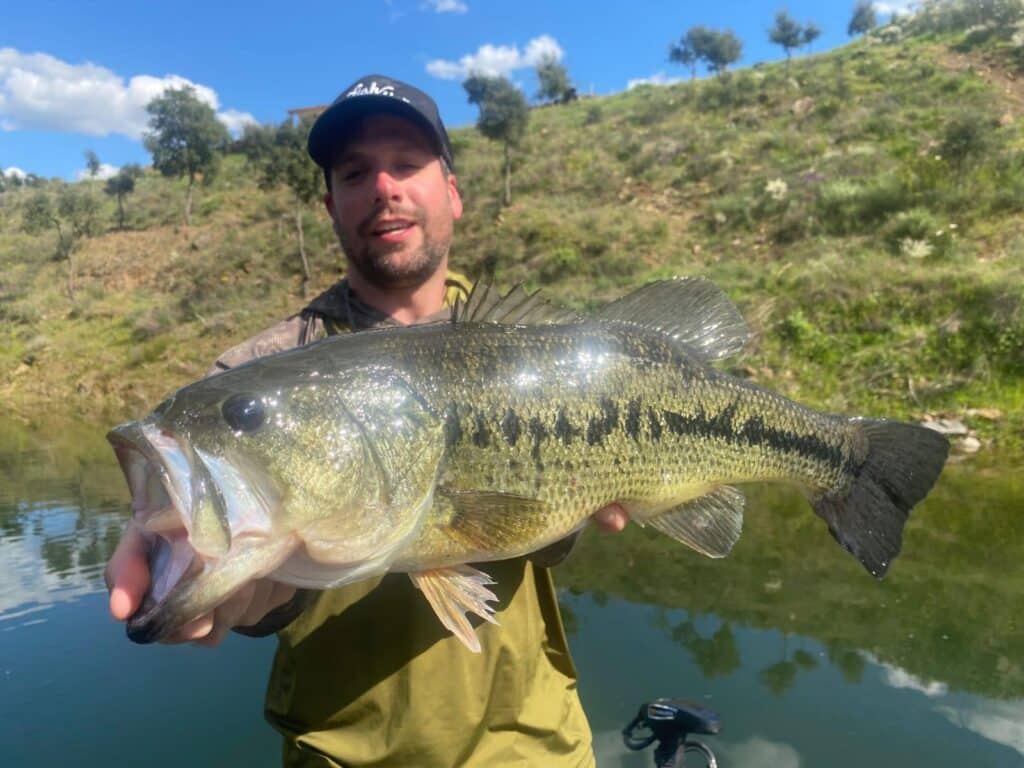
While Lake Saint-Cassien built its international reputation on its record carp, it is also one of the finest destinations predators in south-east France. Black bass are king here: the population is dense, with genuine trophy fish regularly topping 50 centimetres. Pike are well established, with metre-plus specimens caught every year in the weed beds and along the drop-offs. Perch are abundant, often hunting along the margins or schooling on the plateaus, and zander frequent the deeper areas and the flooded timber. Catfish have also made an appearance, and some now reach very impressive sizes. Among coarse and bottom-dwelling fish, you will find roach, bream, rudd, tench, carp of course, and eels: an XXL larder that explains the impressive growth of the local predators.
On the technique side, here is what works for us on this lake. For black bass, from spring to autumn, we alternate between topwater lures early in the morning (popper, stickbait), Texas rigs in the flooded timber and finesse fishing with soft lure (drop-shot, ned rig) when the fish are finicky, especially in summer under fishing pressure. For pike, big 15 to 20 cm soft shads, swimbaits such as the Vatalion 115F from a float tube, spinnerbaits in the weed beds and big crankbaits along the drop-offs make the difference; if you are a beginner, our guide how to fish for pike will give you the basics. Perch are caught all year round on the drop-shot, micro soft lures and small crankbaits along the rocky margins. For zander, vertical jigging with soft lures over 8 to 20 metre holes is deadly in autumn and winter, as are slow retrieves scraped along the bottom.
Keep an eye on the wildlife and plants: the lake is home to rich birdlife, particularly in the Fondurane reserve (herons, grebes, cormorants and many migratory birds). Cormorants and fish-eating birds diving on prey often give away the presence of baitfish shoals, and therefore active predators. As for vegetation, the beds of pondweed and water milfoil, the water lilies in calm bays and the flooded trees are all indicators of swims: that is where black bass and pike lie in ambush.
How to get to the lake
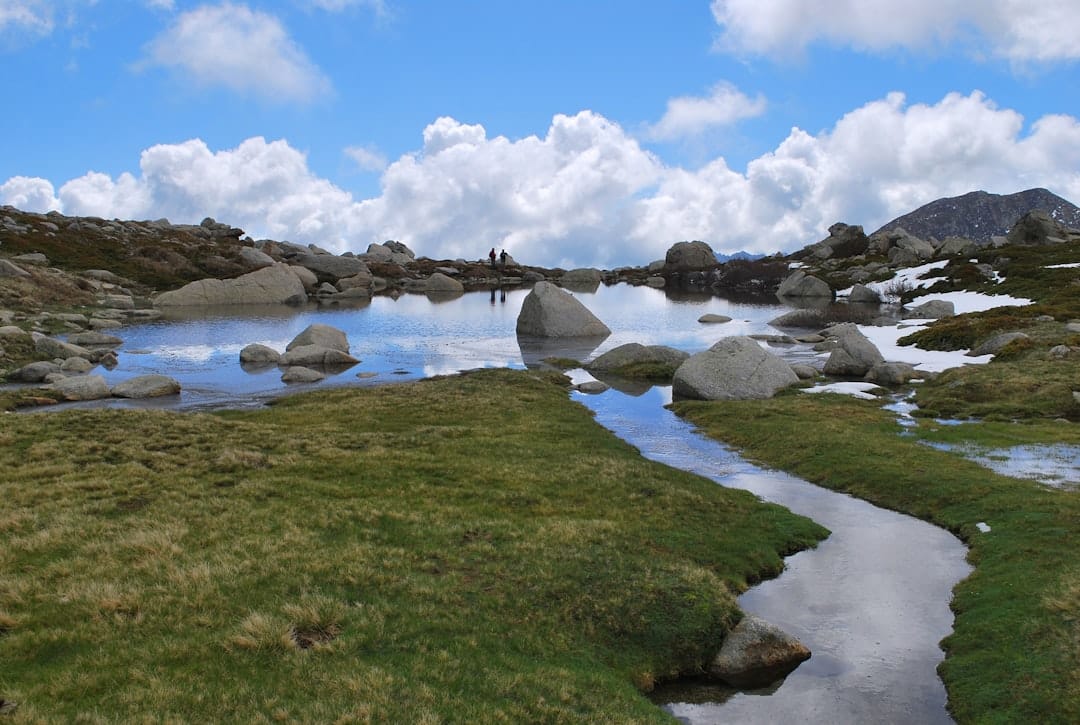
Access by car is very simple: the lake is right next to the A8 motorway (exit 39 “Les Adrets-de-l’Estérel”), around 30 minutes from Cannes and 45 minutes from Nice. The D37 road runs alongside the lake and serves several free car parks, notably at the Pré-Claou bridge, the hub for anglers. For launching, note that petrol engines are banned and only electric motors are allowed. That is excellent news for us: a light boat, a kayak and above all a float tube are the ideal craft here, and several areas allow easy launching around Pré-Claou and the water-sports centres. If you fish from a float tube, bring a casting rod suited to pike for big lures. By public transport, it is more complicated: a few regional bus routes serve Montauroux and Les Adrets, but a car remains by far the best option with all your gear.
Map of the lake
Weather and fishing conditions
The Mediterranean climate of Lake Saint-Cassien is a major asset: plenty of sunshine, mild winters and a very long fishing season. The water rarely drops below 8-10°C in midwinter, climbs to 14-18°C in spring (a magical period for pre-spawn black bass and post-spawn pike), exceeds 24-26°C in summer and cools gently in autumn, triggering superb feeding frenzies. In summer, focus on the morning and evening sessions, or even deep vertical fishing. For lure fishing, our best sessions come with a moderate wind rippling the surface and oxygenating the margins, under stable or slightly falling atmospheric pressure ahead of a weather front. Beware of the mistral and easterly gusts, which can make float tubing a challenge: always check the weather before setting off.
What to do at Lake Saint-Cassien?
Lure fishing remains our number one activity, of course: between black bass in the flooded timber, pike in the weed beds and vertical jigging for zander, you can spend whole days here without getting bored. But the site is also very family-friendly: several lifeguarded beaches allow swimming in summer, and the water-sports centres hire out pedalos, paddleboards, kayaks and electric boats. Mountain bikers and trail runners will find fine paths in the nearby Estérel massif. A good plan for a family trip: while some go swimming, we work the margins from a paddleboard or float tube.
For swims, here is what we look for first: from the bank, rocky points and accessible drop-offs along the D37, bays with water lilies for black bass on the popper and areas of flooded trees visible at low water. From a boat or float tube, concentrate on the 3 to 6 metre plateaus bordering the deep holes, the heads of the bays in the Biançon arm and the drop-offs near the dam for zander. A fish finder is a real plus for locating baitfish shoals and submerged structure.
Hiking and scouting swims around the lake
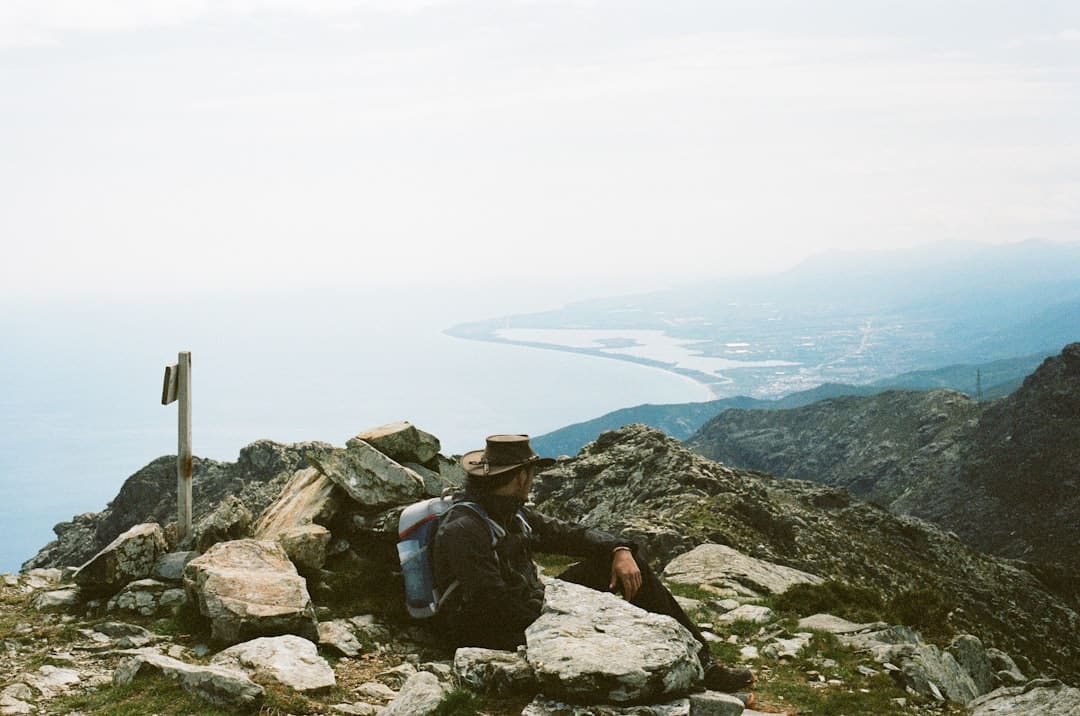
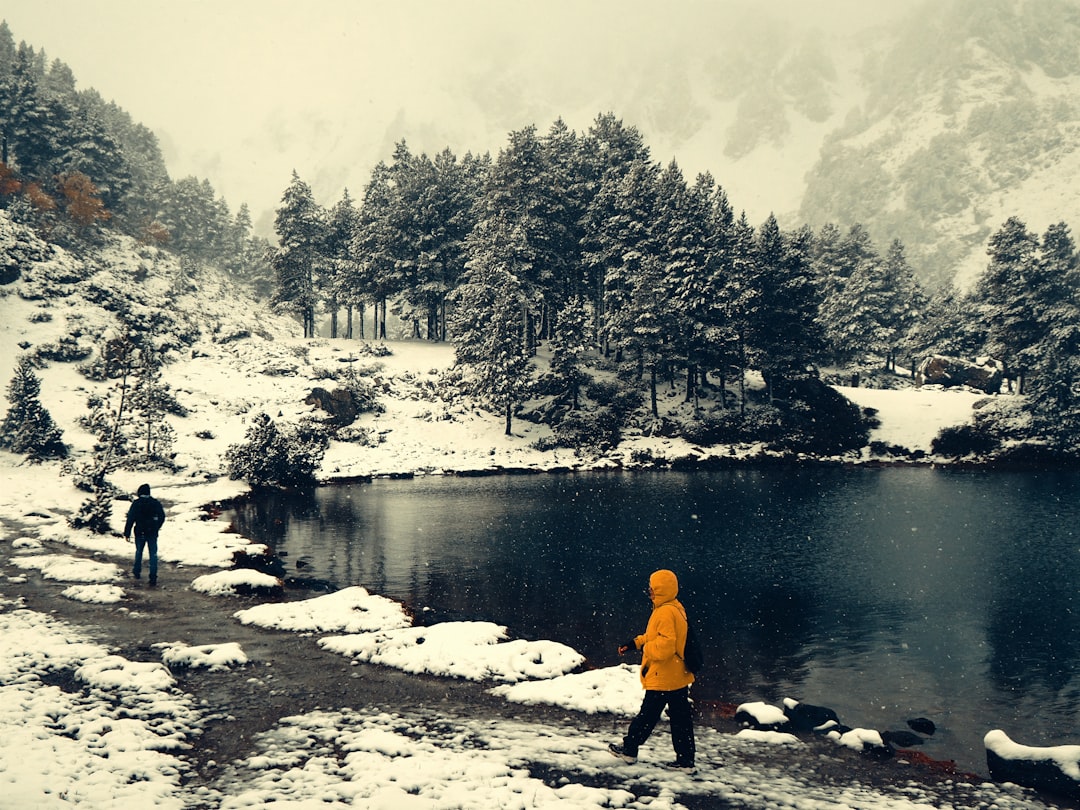
Walking around the lake is the best way to scout swims before a session. The Fondurane reserve path (around 4 km there and back, 1h30, easy) offers superb viewpoints over the shallow areas and weed beds at the head of the lake: ideal for locating black bass spawning grounds and perch feeding activity, even though fishing is restricted within the reserve itself. The bankside loop from Pré-Claou (around 7 to 8 km, 2h30, easy to moderate) follows many bays and rocky points: take polarised glasses, this is the moment to note the flooded trees and visible drop-offs. Finally, for the more energetic, the paths in the Estérel massif south of the lake (10 to 15 km loops, 3 to 5 hours, moderate to difficult) offer elevated panoramas over the whole lake: perfect for reading the general topography, spotting shallows by their colour and planning your float-tube drifts.
Where to stay and eat?
To stay as close to the water as possible, several campsites are located in Montauroux and right around the lake: handy for back-to-back evening and morning sessions, and some sectors allow night fishing for carp (check with the Var fishing federation for authorised stretches). Gîtes and B&Bs are available in the hilltop villages of Montauroux, Callian and Tanneron, ten minutes from the banks. For food, the lakeside open-air cafés and restaurants, particularly around Pré-Claou, serve simple, satisfying Provençal cooking after a session. Don’t miss the Provençal markets in Montauroux and Fayence to stock up on local produce: tapenade, goat’s cheeses and local fruit will go perfectly with your angler’s picnics.
FAQ – your questions about Lake Saint-Cassien
Are black bass present in this water?
Yes, and it is even one of the best black bass destinations in France. The population is dense, with many fish over 45 to 50 centimetres holding in the flooded timber, weed beds and shallow bays. Be sure, however, to follow the local regulations: catch and release and protection periods apply to this species, so check the Var federation’s orders before your session.
How deep is the lake and where are the holes?
The maximum depth is around 45 to 48 metres near the dam, but most of the lake ranges between 5 and 20 metres. The most pronounced deep holes are in the dam arm and in the middle of the lake, while the heads of the lake (Fondurane and Biançon) are much shallower. For vertical jigging for zander, concentrate on the drop-offs between 8 and 20 metres in autumn and winter.
Which lures should you use for pike?
Big 15 to 20 centimetre soft shads fished on a steady retrieve are very effective along the drop-offs, as are spinnerbaits in the weed beds and swimbaits such as the Vatalion 115F for educated fish. In summer, topwater lures early in the morning can trigger spectacular strikes along the margins. Always remember to use a heavy fluorocarbon or titanium leader to avoid bite-offs.
How do you fish for perch with soft lures?
The drop-shot with a small 5 to 7 centimetre finesse soft lure is deadly along the rocky margins and on the plateaus, especially when the perch are schooling. When they are feeding, a small shad on a fast steady retrieve or a micro crankbait works very well. Look for shoals of fry at the surface and fish-eating birds: the perch are never far away.
Can you fish for pike all year round at Lake Saint-Cassien?
No, pike have a specific close season on second-category waters, usually from late January to late April, to protect their spawning. As the lake is classified as second category, other predators such as perch can still be fished, but restrictions apply to pike, zander and black bass depending on the period. Read our article on the opening dates for predator fishing and the Var prefectural order before planning your trip.
Is a fish finder useful on this water?
Yes, clearly, especially given the size of the lake and the depth of some areas. A fish finder, even a compact float-tube model, will let you locate the drop-offs, flooded timber, baitfish shoals and zander hugging the bottom. It is a decisive asset for vertical jigging in autumn and winter, when the fish move down into the deep holes.