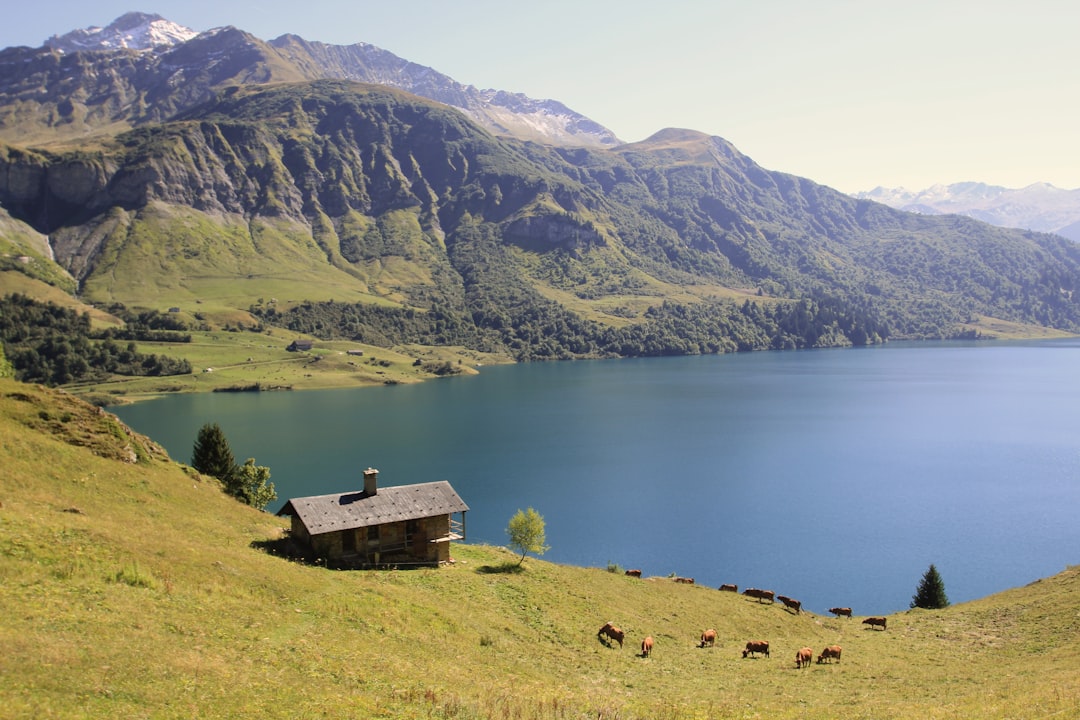
Perched at over 1,500 metres above sea level in the heart of the Beaufortain, in Savoie, Lake Roselend is one of those destinations that every lure angler in search of wild salmonids dreams of. With its turquoise water, steep banks and breathtaking alpine setting, this high-altitude lake offers an exceptional playground for chasing brown trout, Arctic char and lake trout with an ultralight spinning rod.
In this article, we share everything you need to know to prepare your session: the history of the dam, the species present and the techniques that work, access, weather, the swims to scout on foot and even where to stay on site. Get your lure boxes ready, we are taking you to the Beaufortain!
History and features of Lake Roselend
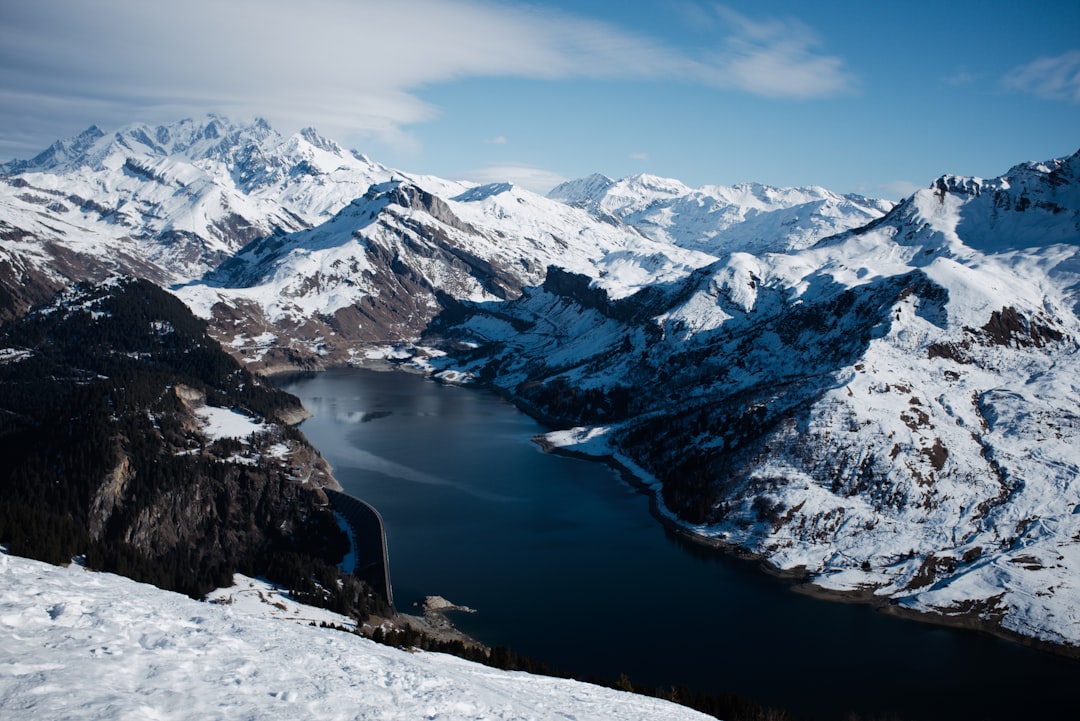
Lake Roselend is an artificial lake created by the construction of the Roselend dam, an EDF buttressed arch dam built between 1955 and 1962. Its filling submerged the old hamlet of Roselend and its chapel, which has since been rebuilt higher up. The dam’s purpose is hydroelectric: it supplies the La Bâthie power station in the Tarentaise valley, one of the most powerful in France.
In figures, the lake covers around 320 hectares at an altitude of 1,557 metres, holding about 187 million cubic metres of water. It is nearly 70 metres deep at the foot of the dam, with a significant drawdown linked to hydroelectric operations: the level is generally at its lowest in spring and at its highest at the end of summer. For us lure anglers, this drawdown is a crucial factor, as it constantly changes where the fish are and how easy the swims are to read. A productive bank in June may end up high and dry or under ten metres of water a few weeks later!
Which fish can you catch at Lake Roselend?
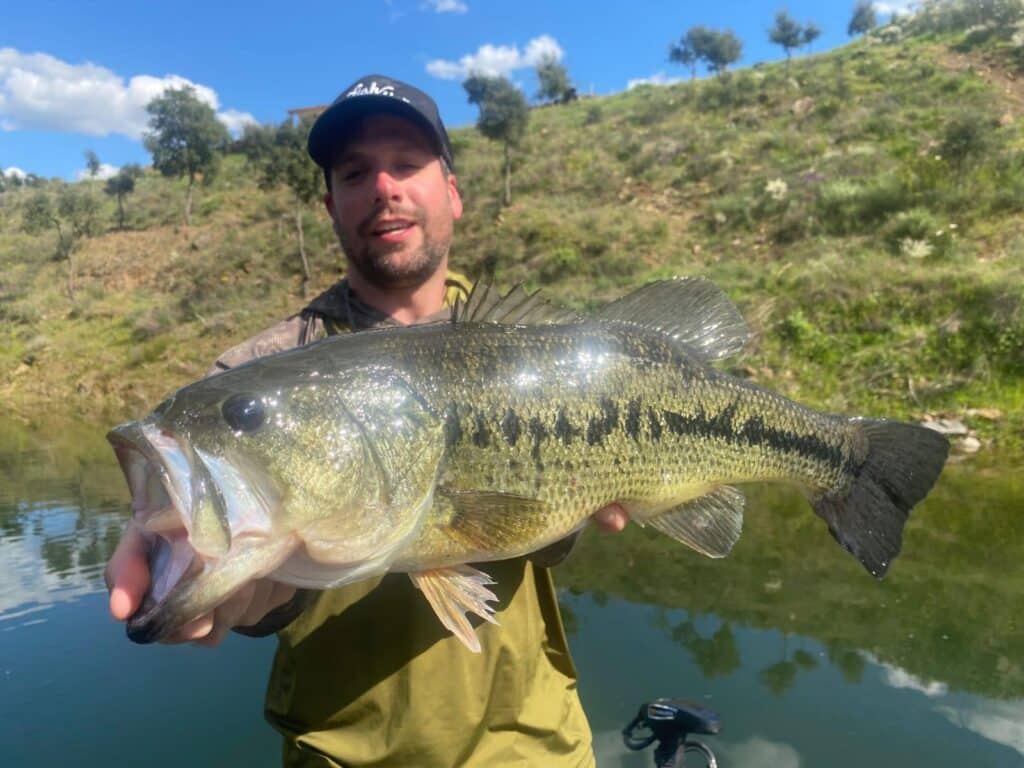
Let’s be clear from the start: there are no pike, zander or black bass here. This cold, high-altitude lake is the realm of salmonids, and that is precisely what has made its reputation. You will find fine brown trout, stocked rainbow trout, Arctic char and above all the emblematic fish of the place: the lake trout (Canadian char), capable of reaching very respectable sizes in the depths of the lake. A few minnows and other small baitfish complete the picture and form the food base for these predators.
For brown and rainbow trout, we favour lure fishing along the margins early in the morning: small spoons, 5 to 7 cm minnow-type hard lures and micro crankbaits work wonders along the drop-offs and at cold-water inflows. If you are unsure what to put in your box, take a look at our selection of the best trout lure so you head out well equipped. Arctic char and lake trout are fished deeper: vertical jigging with weighted soft lures, heavy spoons fished in a sawtooth pattern and drop-shot on the steep drop-offs between 10 and 30 metres are the most consistent approaches, especially in summer when the fish go deeper to find cooler water. A light spinning outfit with an ultralight trout reel spooled with thin braid will do the job perfectly from the bank, while a more powerful rod will be useful for vertical jigging.
Watch the sky and the banks too: gatherings of fish-eating birds and fish feeding at the surface often give away the presence of minnow shoals. As for vegetation, the areas where alpine streams flow into the lake, lined with grassy banks and rhododendrons, bring in food that concentrates the trout. These natural clues are worth any fish finder when you are fishing from the bank on this lake.
How to get to the lake
Access is by car from Beaufort-sur-Doron via the D925, which winds its way up to the dam via the Col de Méraillet (road generally open from late May to November depending on snow cover). Several free car parks dot the shore: at the dam, at the Col de Méraillet and near the Roselend chapel, so you can tackle different sectors without walking for hours. Note: motorised boating is banned, and the use of float tubes or boats is subject to local regulations because of the drawdown and the sometimes violent thermal winds; check with the Beaufort AAPPMA before planning a session afloat. If you intend to fish from a float tube elsewhere in the region, consider a suitable set-up such as those in our comparison of cannes casting. There is no direct public transport: a car is essential.
Map of the lake
Weather and fishing conditions
At over 1,500 metres, the climate is alpine: long, snowy winters and short summers with cool nights even in the middle of August. The water stays cold all year round, ranging from 4 to 8°C at the June opening and peaking at around 14-16°C at the surface in high summer. This is a godsend for salmonids, which stay active along the margins for much longer than in lowland lakes. For lure fishing, we look for overcast skies, a light breeze rippling the surface and stable pressure: these are the best windows for tempting a wary brown trout. Beware of mountain thunderstorms, frequent in the afternoon in summer, and of the thermal wind that often picks up in late morning. Fish early: this is where it all happens.
What to do at Lake Roselend?
Lure fishing is obviously our number one activity on this lake, but the site lends itself to plenty of other pleasures to round off a day by the water. Swimming is not recommended (icy water and drawdown), but paddleboarding and kayaking are possible in fine, calm weather, and the roads of the Cormet de Roselend attract cyclists and mountain bikers from all over the world. The Tour de France passes through regularly, which says it all about the beauty of the scenery!
For anglers, the key swims to spot from the bank are rocky points that drop off quickly, drop-offs visible when the level is low in spring, the mouths of the mountain streams (at the far end of the lake on the Cormet side) and the rock banks near the dam where lake trout prowl. From a boat or kayak, working the drop-offs vertically gives access to deep fish that are out of reach from the bank.
Hiking and scouting swims around the lake
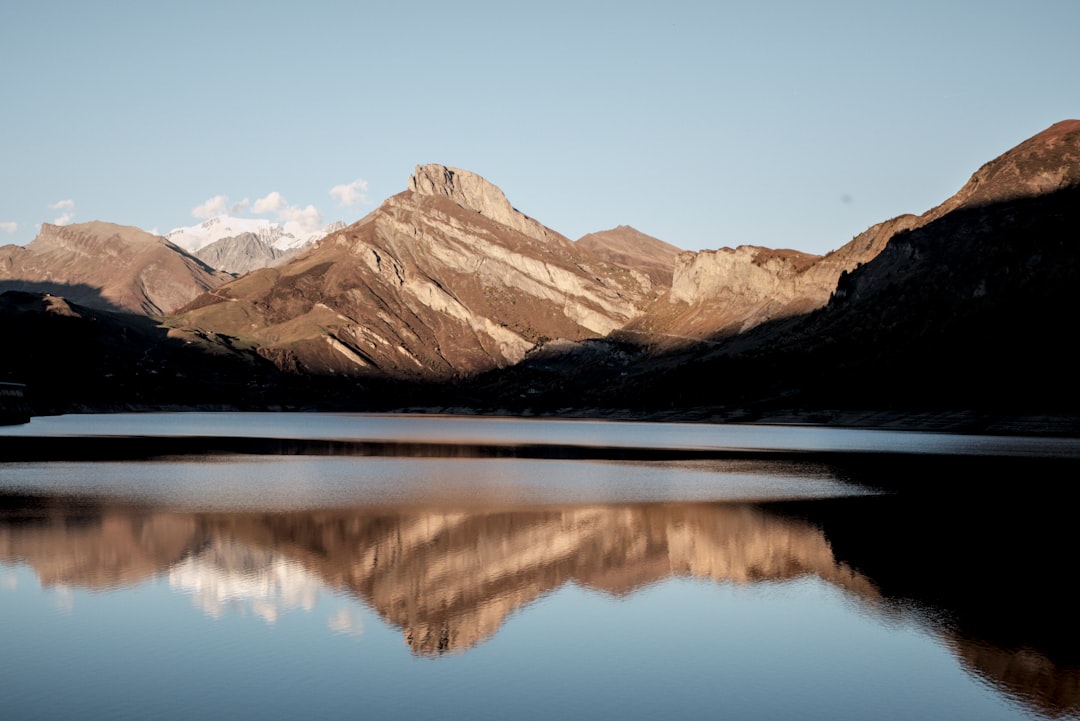
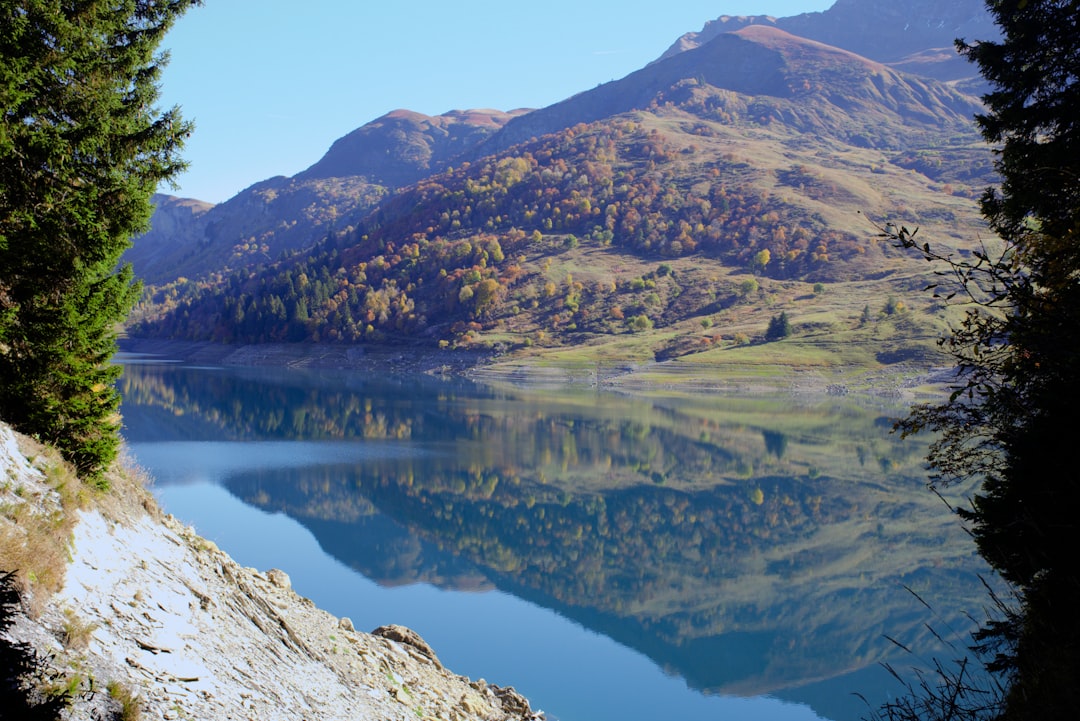
Walking around the lake is also fishing with your eyes. The partial circuit along the path from the Col de Méraillet to the Roselend chapel (around 5 km there and back, 1h30, easy) follows the shore and lets you identify the points and the fishable margins. More ambitious, the loop towards the Col du Pré (around 8 km, 3 hours, intermediate) gives a bird’s-eye view of the whole lake: in clear water, you can make out the drop-offs, the shallows and the shaded areas where the trout hold perfectly. Finally, the climb towards the Pierra Menta via the Cormet (a full, demanding day) lets you spot the stream inflows at the far end of the lake, golden swims at the opening. Take polarised binoculars: it is our best scouting tip on a mountain lake.
Where to stay and eat?
Bivouacking is tolerated under certain conditions around the lake, but be aware that night fishing is not allowed on first-category waters, so plan your sessions from sunrise to sunset. For more conventional comfort, the Beaufort municipal campsite and several gîtes and B&Bs in the Beaufortain (Arêches-Beaufort in particular) make excellent base camps 20-30 minutes’ drive away. For food, the Plan de la Lai refuge and the inns at the Col de Méraillet serve Savoyard specialities with a view of the water, and the Beaufort market will let you head home with the famous alpine Beaufort cheese. Just the thing to recover after a day of casting spoons!
FAQ – your questions about Lake Roselend
How deep is the lake and where are the holes?
Lake Roselend reaches nearly 70 metres deep at the foot of the dam, where the main deep holes are. The steepest drop-offs are along the rocky banks on the dam side and off the points, favourite areas for vertical jigging for lake trout. Bear in mind, however, the significant drawdown that changes the depths over the season.
Can you fish for pike all year round at Lake Roselend?
No, and for good reason: pike are not present in this high-altitude lake classified as first category and dedicated to salmonids. Fishing is open from June (depending on when the road is cleared of snow) to around the end of September, in line with first-category dates. To fish for pike, you will have to head down to the Savoie lowland lakes such as Lac du Bourget or Lac d’Aiguebelette.
What are the lake's fishing records?
There is no official record register, but the lake is renowned for lake trout regularly exceeding 70 cm, with local anglers reporting specimens of over a metre. Very fine brown trout of more than 50 cm are also caught every season, usually by fishing deep with soft lures or heavy spoons.
What is the best season to fish at Lake Roselend?
The weeks after the road opens, in June, are the most productive: the water is cold, the level is low and the salmonids hunt actively along the margins. In high summer, focus on the first hours of the day and deep vertical fishing, as the fish go deeper to find cooler water. September brings a fine upturn in activity before the close season.
Where can you find baitfish in the lake?
Minnows and other small fish gather at the mouths of the streams feeding the lake, as well as over stony shallows warmed by the sun. Look out for surface feeding and fish-eating birds: where the baitfish are, trout and char are never far away, and that is exactly where you need to present your lures.
Is the lake suitable for a family fishing trip?
Absolutely, it is even one of the most beautiful family spots in the Alps: the car parks are close to the banks, the paths are accessible and the setting is exceptional for a picnic between casts. Bring warm clothing even in summer, keep an eye on children near the steep banks and remember that every angler must hold a valid fishing permit with the appropriate first-category stamp.