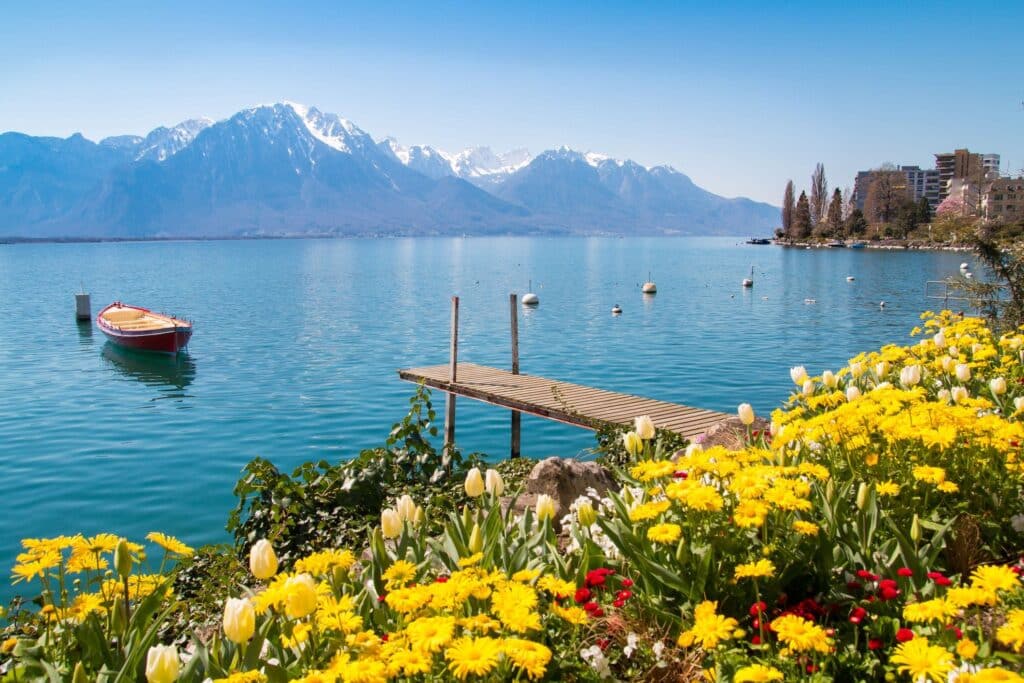
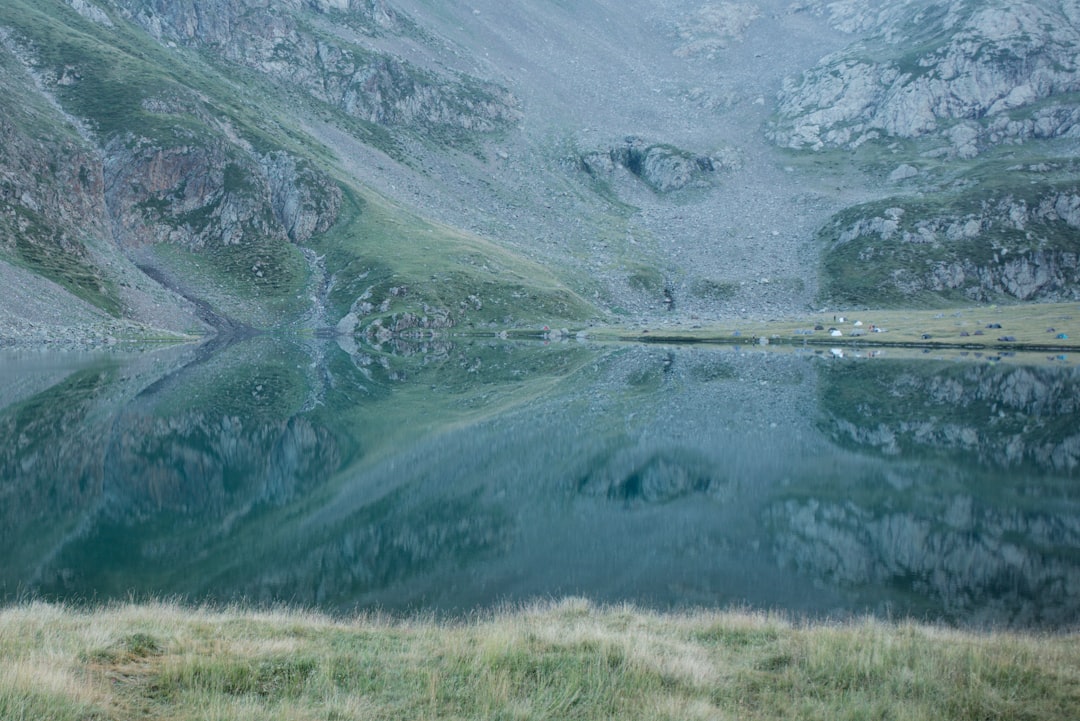
Set at over 1,100 metres above sea level at the foot of the Col d’Aspin, in the commune of Campan in the Hautes-Pyrénées, Lake Payolle is one of those mountain lakes that set lure anglers’ hearts racing in search of salmonids. Nicknamed “little Canada” for its fir-tree landscapes and vast meadows, the site offers an exceptional setting for chasing trout on lures, just a stone’s throw from the Campan valley and Bagnères-de-Bigorre.
In this article, we share everything you need to know before heading up there: the lake’s history, the species present and the lure fishing techniques that work, access, weather, the best swims to scout and even where to stay to make the session last. Get your light rods and boxes of small lures ready: we are taking you up into the mountains.
History and features of Lake Payolle
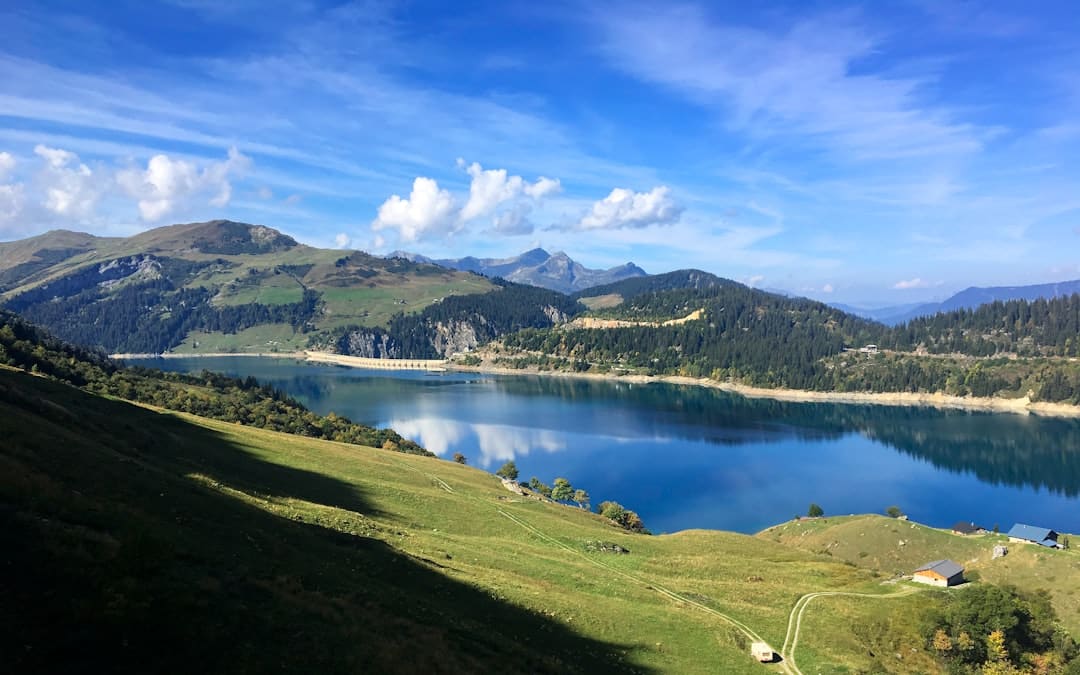
Unlike the natural glacial lakes found higher up in the massif, Lake Payolle is an artificial lake, created in the 1970s as part of the tourist development of the Payolle plateau. Fed by the cool waters flowing down from the Arbizon and the surrounding massif, it covers around 10 hectares at an altitude of 1,139 metres, with modest depths, generally between 2 and 5 metres. It has a dual purpose: to provide an outdoor leisure area in summer, and to serve as a first-category fishing water that is particularly popular with trout anglers. For us lure anglers, these features are a godsend: a shallow lake, cold, well-oxygenated water all year round, and banks that are accessible along almost the entire shoreline. No need for a state-of-the-art fish finder to understand the topography: you read the water by eye, which also makes it an excellent place to learn.
Which fish can you catch at Lake Payolle?
Here, forget zander, black bass or catfish: this is first-category water, the realm of salmonids. The lake is regularly stocked with rainbow trout, some of which exceed 50 centimetres, and is also home to fine, warier brown trout that have come down from the feeder streams. You will also come across a few minnows and gudgeon, which make up the trout’s natural forage, valuable information when choosing the size and colour of our lures. A few perch may occasionally be present, but they remain incidental on this lake.
In terms of technique, lure fishing for trout is a real treat here. Small sinking hard lures of 5 to 7 cm, worked on a steady retrieve broken up with twitches, do serious damage in spring and early in the season. Spoons of 3 to 5 grams, cast long and retrieved slowly in a sawtooth pattern, excel when the trout are cruising further out. In summer, when the surface water warms up, we switch to 2 to 3 inch soft lures rigged on light jigheads, or even on a micro jig to scrape the deeper areas in the middle of the lake. Casting a streamer on a light rod also works very well at dawn. For line, a thin braid with a long fluorocarbon leader is our favourite set-up: if you are still undecided, our comparison braid or nylon will help you decide. The key swims: the cold-water inflows, the shaded margins on the forest side and the spillway area.
Birdlife is also an ally for the observant angler. Grey herons standing along the margins give away the areas where baitfish gather, and trout rising to feed at the surface, frequent in the morning, are easy to spot on the plateau’s flat water. The bankside vegetation, made up of short weed and a few patches of rushes, marks the margins where brown trout come to hunt at dusk: all swims to work first with a small unweighted soft lure or a surface hard lure.
How to get to the lake
Access by car is very simple: from Bagnères-de-Bigorre, allow around 25 minutes via the D935 then the D918 towards the Col d’Aspin, via Sainte-Marie-de-Campan. From Arreau, on the Vallée d’Aure side, the Col d’Aspin brings you straight onto the plateau in about twenty minutes (note that the pass may be closed in winter). Several free car parks surround the site, including one right next to the banks, so you can fish on the move without carrying your gear for miles. Motorised boating is banned, but a float tube is an excellent way to work the middle of the lake away from the swimming areas in season; check the exact conditions with the local AAPPMA. No public transport serves the lake directly: a car is essential.
Map of the lake
Weather and fishing conditions
At 1,139 metres, the climate is typically alpine: cold, snowy winters, cool summers and frequent afternoon thunderstorms in July and August. The water stays cold for much of the year, around 6 to 10°C in spring and rarely above 16-18°C in high summer, which keeps the trout active even in the middle of the day. For lure fishing, our favourite conditions are overcast days with a light breeze rippling the surface: the trout become less wary and the takes on hard lures are positive. The pressure drops before a storm often trigger a short-lived feeding frenzy that you absolutely must make the most of. Checking the Lake Payolle weather before heading up is essential, as much for safety (mountain storms arrive quickly) as for planning your session: here is the live forecast.
What to do at Lake Payolle?
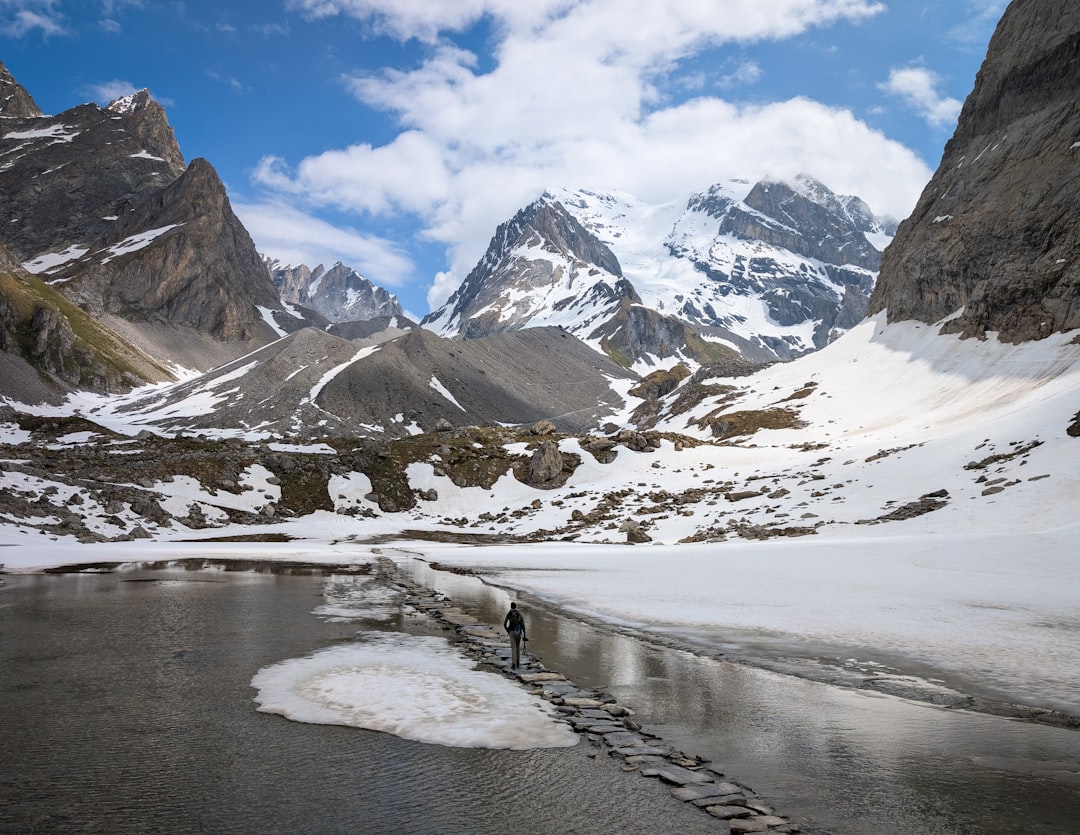
Lure fishing is obviously still our number one activity here, and a full lap of the lake, rod in hand, is a session in its own right. But the site was designed for the outdoors: lifeguarded swimming in summer, paddleboard and kayak hire, a tree-top adventure course in the nearby fir forest, mountain-bike trails towards the Col d’Aspin and vast meadows for family picnics. In winter, the plateau becomes a Nordic skiing area with cross-country skiing and snowshoeing. It is therefore an ideal destination for combining an early-morning fishing session with a family day out, as the trout are in any case more active at dawn than in the middle of the afternoon, when swimmers take over the south banks.
For swims, make the most of a walk around the lake or a paddleboard outing to spot the structure: the inflows on the mountain side create cool seams where trout hold in summer, the spillway area concentrates the baitfish, and the margins along the forest offer shade and depth. From a float tube, work the drop-offs in the middle, invisible from the bank but very real on this artificial lake, combing the water column with a spoon or a small soft lure fished sink-and-draw.
Hiking and scouting swims around the lake
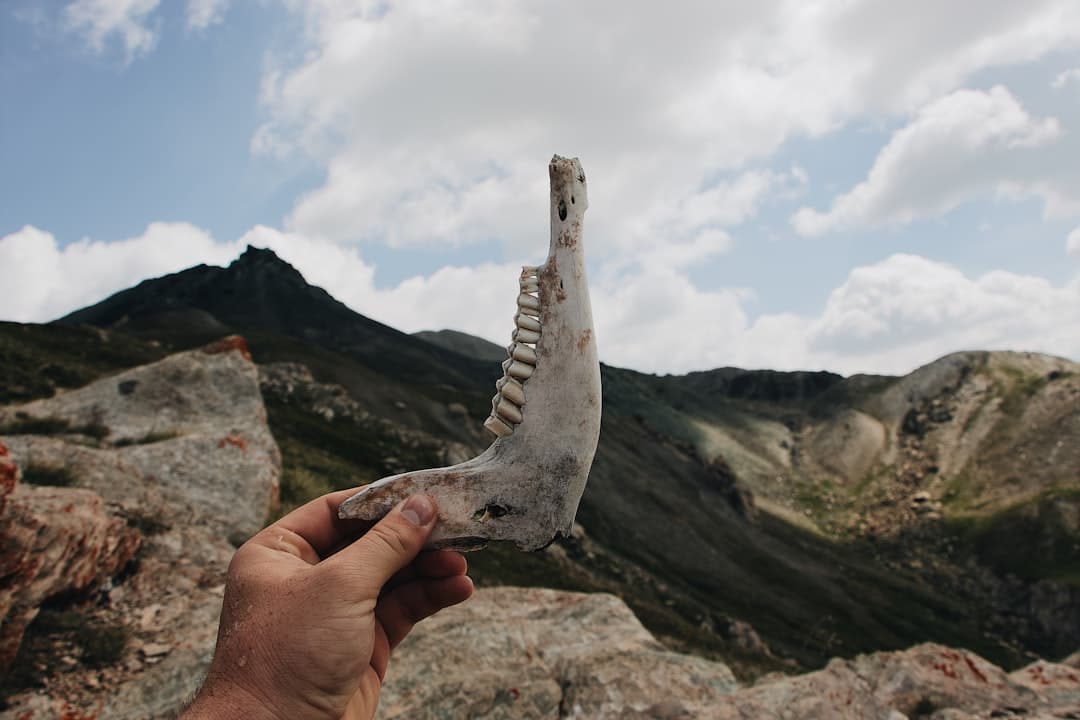
Several loops let you combine business with pleasure. The lap of the lake (around 2 km, 45 minutes, easy) is the basics: do it rod in hand with polarised glasses on to build a mental map of the weed beds, the inflows and the areas where the bottom drops away. The loop from the Payolle plateau to the Campan barns (6 to 7 km, 2 hours, easy) follows the feeder streams: an excellent way to work out where the brown trout come down from and to spot the stream mouths to fish first after a rise in water. Finally, the climb towards the Col d’Aspin (around 10 km there and back, 3 hours, moderate) gives a bird’s-eye view of the whole lake: from up high, the changes in the water’s colour reveal the deep areas and the shallows better than any map. We always take a few photos from the top to prepare for the following sessions.
Where to stay and eat?
To stay as close as possible to the trout, the Payolle campsite, a few minutes’ walk from the banks, is our preferred option: you are on the water before sunrise, when the feeding activity is most intense. Gîtes and B&Bs are available in the Campan valley and in Sainte-Marie-de-Campan, perfect for a group fishing weekend. For food, the plateau’s inns serve garbure, duck breast and mountain cheeses, ideal for warming up after an early-morning session by the cold water. Don’t miss the market in Bagnères-de-Bigorre to stock up on local produce, and note that since night fishing is not practised here (first-category rules), evenings are spent around a good table rather than by the water.
FAQ – your questions about Lake Payolle
Do you need a fishing permit to fish at Lake Payolle?
Yes, a valid fishing permit is compulsory on this water, which is classified as first category. You can buy one online at cartedepeche.fr or from local outlets in the Campan valley, and we advise you to check the opening dates and any specific rules with the Hautes-Pyrénées fishing federation.
Is the lake a good spot for carp fishing?
No, this is not a carp destination: it is a first-category mountain lake, dedicated to salmonids and regularly stocked with trout. Carp anglers will find what they are looking for further down the valley, on the second-category waters around Tarbes and the Adour.
Is night fishing allowed on the lake?
No, night fishing is not allowed here, as on almost all first-category waters in France. Fishing is permitted from half an hour before sunrise to half an hour after sunset, which is just as well: the first hours of the day are by far the most productive for trout on lures.
Are black bass present in this water?
No, black bass are absent from this high-altitude lake, whose cold waters do not suit them at all. Lure fishing here is nonetheless exciting: rainbow and brown trout respond very well to small hard lures, spoons and finesse soft lures.
Can you fish for pike all year round at Lake Payolle?
Pike are not present in this first-category lake, which holds only salmonids. If you want to chase this predator in the region, check out our article on the 2026 pike season opening and our techniques for pike fishing on the second-category waters of the Hautes-Pyrénées.
What are the best spots on Lake Payolle?
The cold-water inflows on the mountain side, the spillway area and the shaded margins along the fir forest account for most of the trout activity. Focus on dawn with a small hard lure or a spoon, and don’t hesitate to walk the full lap of the lake, fishing on the move, to locate the day’s feeding fish.