Nestled in the heart of the Monts d’Ambazac, around twenty kilometres north of Limoges, Lake Saint-Pardoux is one of the most beautiful stretches of water in the Haute-Vienne. With its 330 hectares ringed by forests and wild coves, this Limousin reservoir has over the years become an essential destination for us lure anglers, in search of pike, zander and perch in an unspoilt setting.
In this article, we take you to discover this lake from the angle we are passionate about: lure fishing. The lake’s history, the species present, the techniques to favour, the swims to look out for, access, weather, accommodation and camping at Lake Saint-Pardoux: here is our complete guide to preparing your next session on the Limousin shores.
History and features of Lake Saint-Pardoux
Lake Saint-Pardoux is an artificial lake created in the mid-1970s by building a dam on the Couzeau, a small tributary of the Couze. Filled in 1976, it was intended from the outset for tourism and leisure, which today makes it one of the department’s green lungs. The lake covers around 330 hectares, at an altitude of about 370 metres, with a maximum depth of around 18 metres near the dam. Its heavily indented banks, full of coves, rocky points and flooded timber, offer an exceptional playground for lure fishing. Worth noting: the lake was completely drained in 2018-2019 for restoration work, then restocked, which has kick-started a very interesting fish population with fast-growing fish.
Which fish can you catch at Lake Saint-Pardoux?
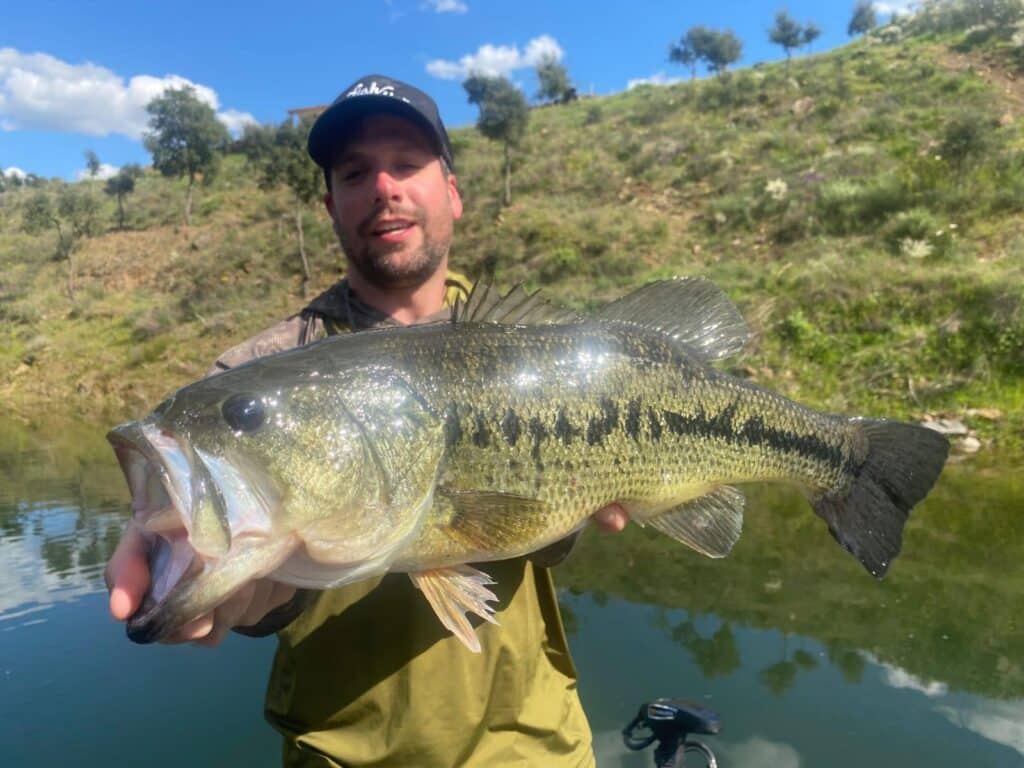
The predator stock is the great strength of this lake. Pike are well represented, with fish regularly topping a metre, lurking in the flooded timber and along the drop-offs. Zander have also been present in good numbers since the restocking, particularly over the deep areas near the dam and on the plateaus at 6-10 metres. Perch are literally everywhere, with spectacular feeding frenzies in summer and fine specimens along the rock banks. As for coarse fish, roach, bream and carp make up an abundant larder that explains the predators’ fine growth. A few tench and bottom-feeding carp complete the picture.
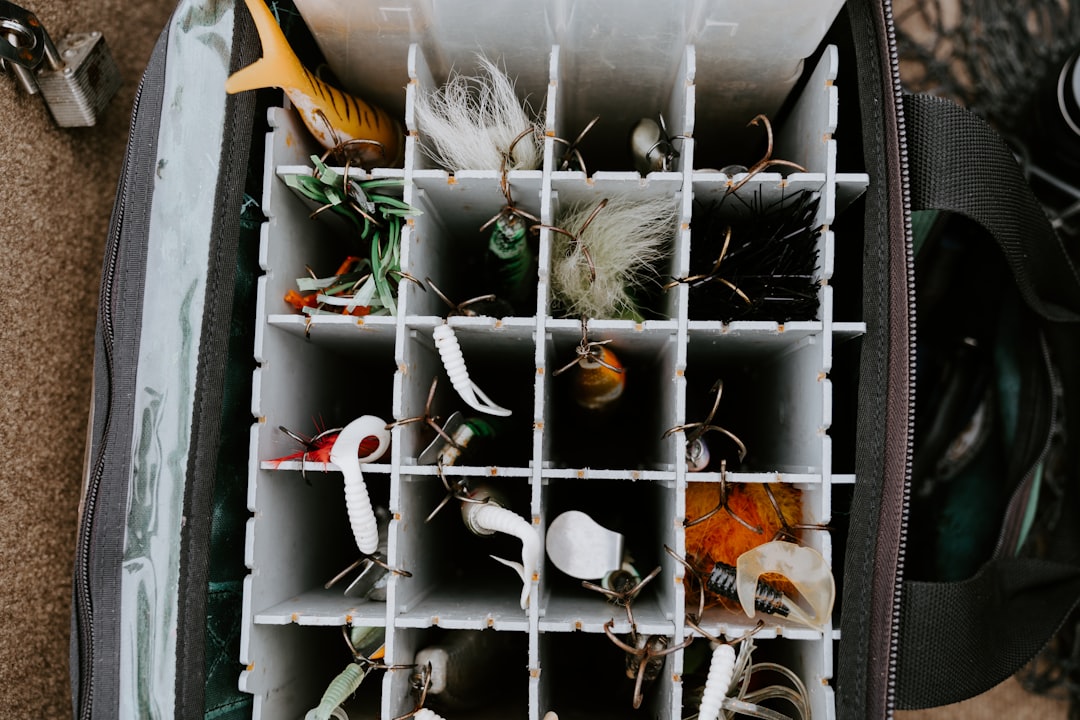
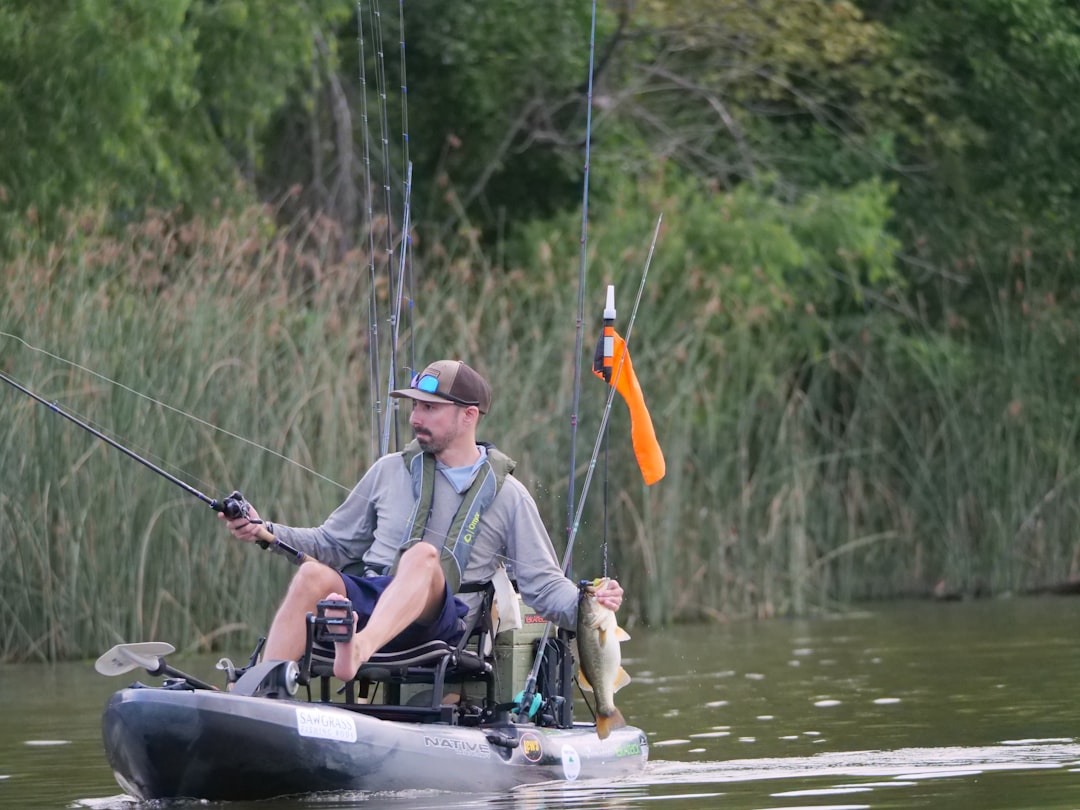
For pike, we favour big pike lures such as swimbaits and spinnerbaits along the wooded margins in spring and autumn, as well as crankbaits on the plateaus in summer when the fish move away from the bank. Zander are caught vertical jigging over the deep holes and with slow retrieves on soft lures rigged on 10 to 20 gram jigheads; low-light periods are king, and we advise you to check the predator fishing season opening dates before planning your session. Perch respond perfectly to the drop-shot along the pontoons and rock banks, as well as to small crankbaits fished fast to cover water. From a float tube, reaching flooded timber that is out of range from the bank often makes the difference.
On the wildlife side, the lake is home to grey herons, great crested grebes and cormorants: watch the latter, as they often give away the presence of baitfish shoals, and therefore predators nearby. The vegetation is just as telling: the marginal weed beds shelter holding perch and pike, while the submerged trees in the wild bays are prime spots to work with a Texas-rigged soft lure to avoid snags.
How to get to the lake
Access by car is very simple: from Limoges, allow 25 minutes via the A20 (exit 25 or 26), towards Razès or Compreignac. Three main developed sites ring the lake: Santrop (west bank), Fréaudour (south bank) and Chabannes (east bank), each with free car parks close to the water. For boat fishing, several slipways are available; note that petrol engines are banned and only electric motors are allowed, which makes the lake particularly well suited to float tubes and kayaks. If you fish from a float tube, a short, powerful casting rod for pike will be your best ally among the flooded timber. By public transport, the nearest station is La Jonchère-Saint-Maurice, but a car is strongly recommended to reach the various swims.
Map of the lake
Weather and fishing conditions
The Limousin climate, oceanic with a mountain influence, shapes the fishing here. The water stays cool until May (10-14°C), rises to 20-24°C in high summer, then gradually drops again in autumn, a blessed period for pike. In spring, target the shallow bays that warm up quickly; in summer, fish early in the morning or late in the evening, or get your lures down onto the deep drop-offs. For lure fishing, we love days with a moderate westerly wind and overcast skies: the chop oxygenates the exposed margins and triggers activity from perch and pike. Stable or slightly falling atmospheric pressure remains the best indicator of a good session, while sudden cold snaps often pin the zander to the bottom.
What to do at Lake Saint-Pardoux?
Lure fishing is obviously our number one activity here, and the lake lends itself wonderfully to it: from the bank, from a float tube or from an electric-powered boat, the possibilities are immense. But the site is also a real family leisure centre: lifeguarded swimming in summer on the beaches of Santrop, Fréaudour and Chabannes, hire of paddleboards, kayaks and pedalos, mountain-bike trails and waymarked footpaths, not to mention tree-top adventure courses and golf nearby. Plenty to keep the whole family busy while we comb the coves in search of a good pike.
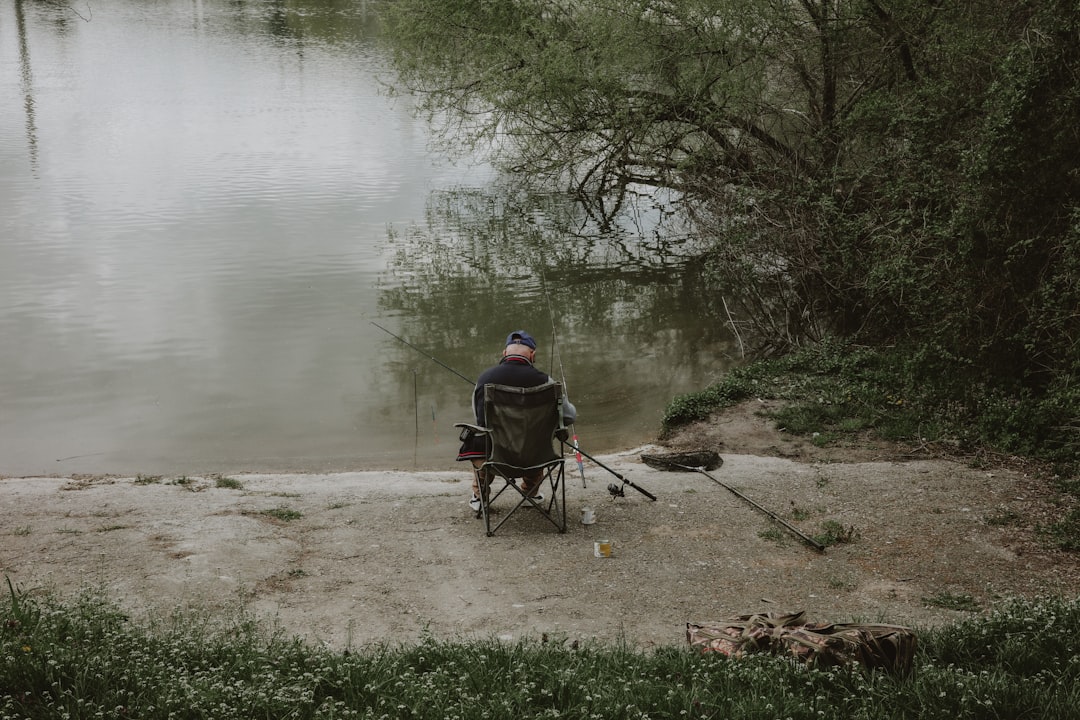
For swims, look out from the bank for rocky points that drop off quickly, stream inflows at the heads of the lake, and dead trees visible along the margins: all holding areas for predators. From a boat or float tube, the fish finder will reveal the drop-offs at 5-8 metres, the old stream beds and the submerged plateaus, favourite spots for zander during the day and for pike between seasons.
Hiking and scouting swims around the lake
The full circuit of the lake, around 23 waymarked kilometres, takes 5 to 6 hours on foot (or 2 hours by mountain bike): in our view, it is the best way to build a mental map of the margins, the wild bays and the flooded timber you cannot see from the beaches. For a shorter outing, the Santrop loop (around 6 km, 1h30, easy) follows the west bank and lets you spot several very productive rocky points. Finally, the Fréaudour path (4 km, 1 hour, very easy) serves the south bank and its wind-sheltered coves, perfect for a drop-shot perch session. Angler’s tip: do this scouting during low water, when the submerged structures break the surface, and note the GPS coordinates of promising spots.
Where to stay and eat?
To stay as close to the water as possible, the Santrop campsite at Lake Saint-Pardoux is ideal: shady pitches, chalets and mobile homes a few metres from the banks, perfect for back-to-back morning sessions without wasting time. The Fréaudour site also offers group accommodation and chalets. For carp anglers, night fishing is allowed on specific stretches; check with the Haute-Vienne fishing federation. For gîtes, the villages of Razès, Compreignac and Saint-Pardoux offer a wide choice of rural rentals. For food, you will find snack bars and seasonal restaurants on the beaches, as well as good traditional restaurants in Razès and Bessines-sur-Gartempe. Don’t miss the local markets in Bessines and Nantiat to stock up on Limousin produce before your day by the water.
FAQ – your questions about Lake Saint-Pardoux
Is a fish finder useful on this water?
Yes, a fish finder is a real asset on this 330-hectare lake with its very uneven bottom. It will help you locate the drop-offs, old stream beds and flooded timber where zander and pike hold, especially in summer and winter when the fish move away from the margins.
Is night fishing allowed on the lake?
Night fishing is only allowed for carp, on specific stretches defined by the Haute-Vienne fishing federation. Lure fishing for predators remains limited to legal hours, that is from half an hour before sunrise to half an hour after sunset.
Is bank fishing productive on this lake?
Absolutely, the heavily indented banks offer many swims accessible on foot: rocky points, heads of the lake, weed beds and submerged trees. Spring and autumn are the best periods from the bank, when pike and perch hunt along the margins; in summer, focus on the first hours of the day.
Is catch and release practised on the lake?
Catch and release is not compulsory across the whole lake, but it is widely practised by local lure anglers, especially since the restocking that followed the 2018-2019 draining. We strongly encourage you to release your catches, particularly pike and zander, to preserve this fish stock as it rebuilds.
What are the best spots on Lake Saint-Pardoux?
The deep areas near the dam are excellent for vertical jigging for zander, while the wooded bays and the heads of the lake around Santrop and Chabannes hold concentrations of pike. The rock banks and pontoons of the leisure centres, outside the summer season, are deadly for drop-shot perch.
Which lures should you use for pike?
For pike, rely on spinnerbaits and 12 to 20 cm soft shads along the flooded timber, as well as crankbaits and jerkbaits over the plateaus and drop-offs. In autumn, big swimbaits retrieved slowly along the margins often pick out the lake’s best fish.