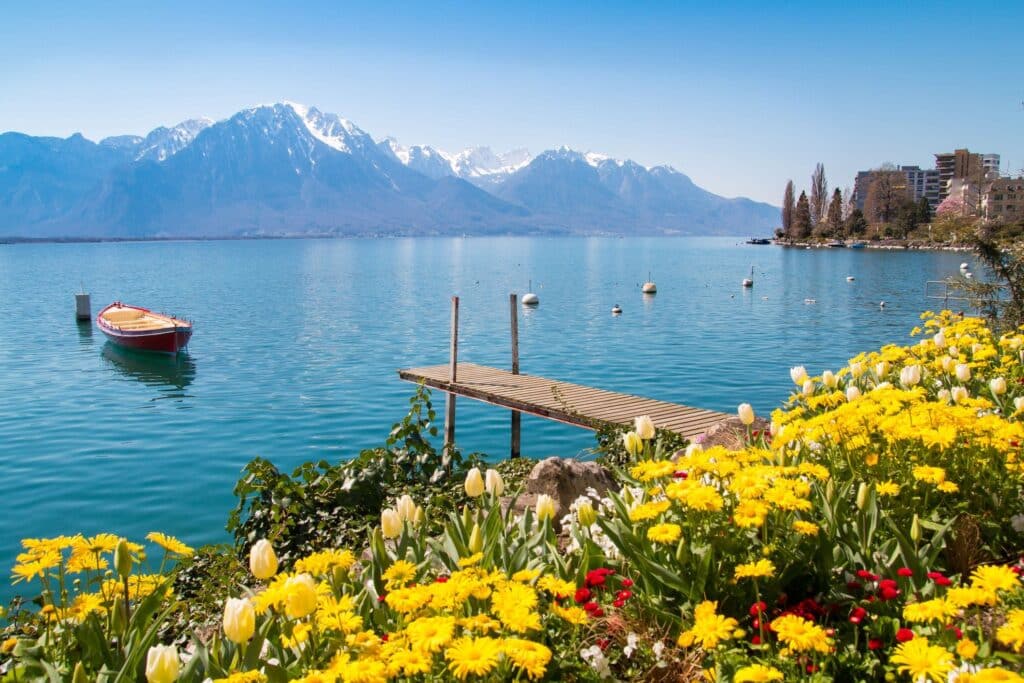
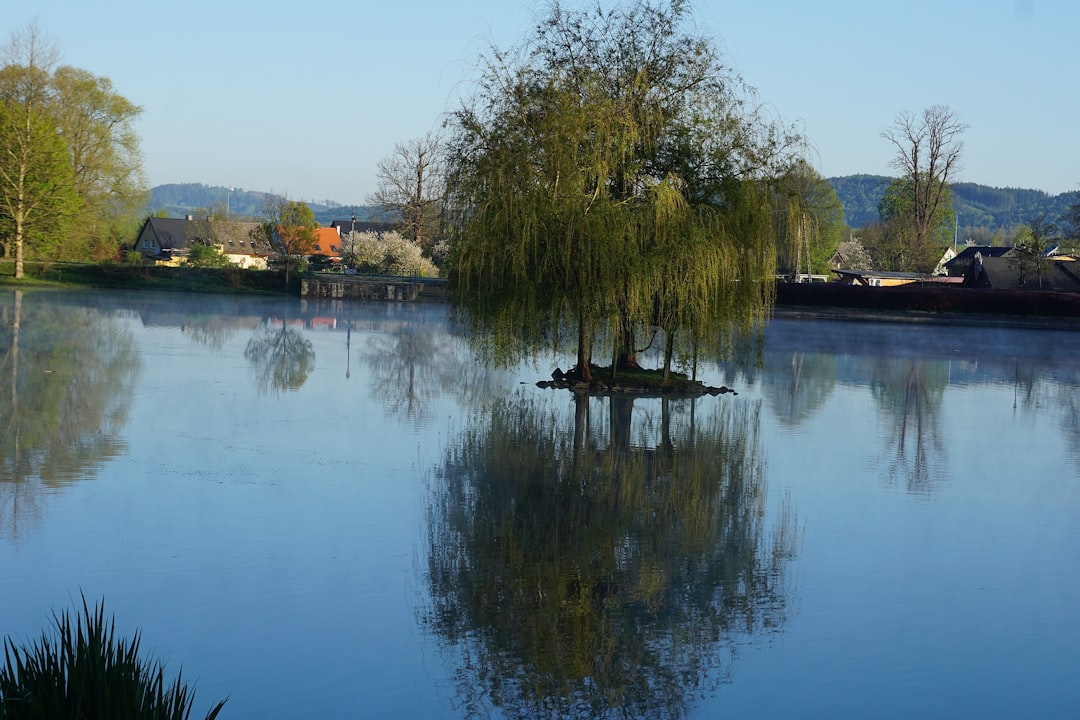
Perched more than 1,000 metres above sea level on the Ardèche plateau, Lake Devesset is one of those mountain lakes that get lure anglers' hearts racing. Located on the borders of the Ardèche verte and the Haute-Loire, a few kilometres from Saint-Agrève, this artificial lake of around fifty hectares offers an exceptional setting and a predator population that is well worth the trip. Pike, perch and trout live side by side in cool, clear water, typical of high-altitude lakes.
In this article, we share everything you need to know to make your session on this lake a success: its history, the species present and the lure techniques that work, access, the best spots, not forgetting the weather, accommodation and our answers to your most frequently asked questions. Get your rods ready, we're taking you up onto the plateau!
History and features of Lake Devesset
Lake Devesset is not a natural lake: it is an artificial body of water created in the 1970s by building a dam on the Nant stream, a tributary of the Eyrieux. Its original purpose was twofold: to provide a water reserve for the area and to develop a leisure centre on this rural plateau of the Haut-Vivarais. Today it has become an unmissable tourist and angling site in the Ardèche verte. In figures, the lake covers around 50 hectares at an altitude of about 1,075 metres, making it one of the highest developed lakes in the department. Its average depth remains moderate, around 4 to 5 metres, with holes reaching 8 to 9 metres towards the dam. This configuration is ideal for lure fishing: the shallow margins warm up quickly in spring and concentrate hunting predators, while the deep sectors act as a refuge in summer and winter. The water is generally clear, thanks to its high-altitude forest and farmland catchment, which often calls for stealthy approaches and natural retrieves.
Which fish can you catch at Lake Devesset?
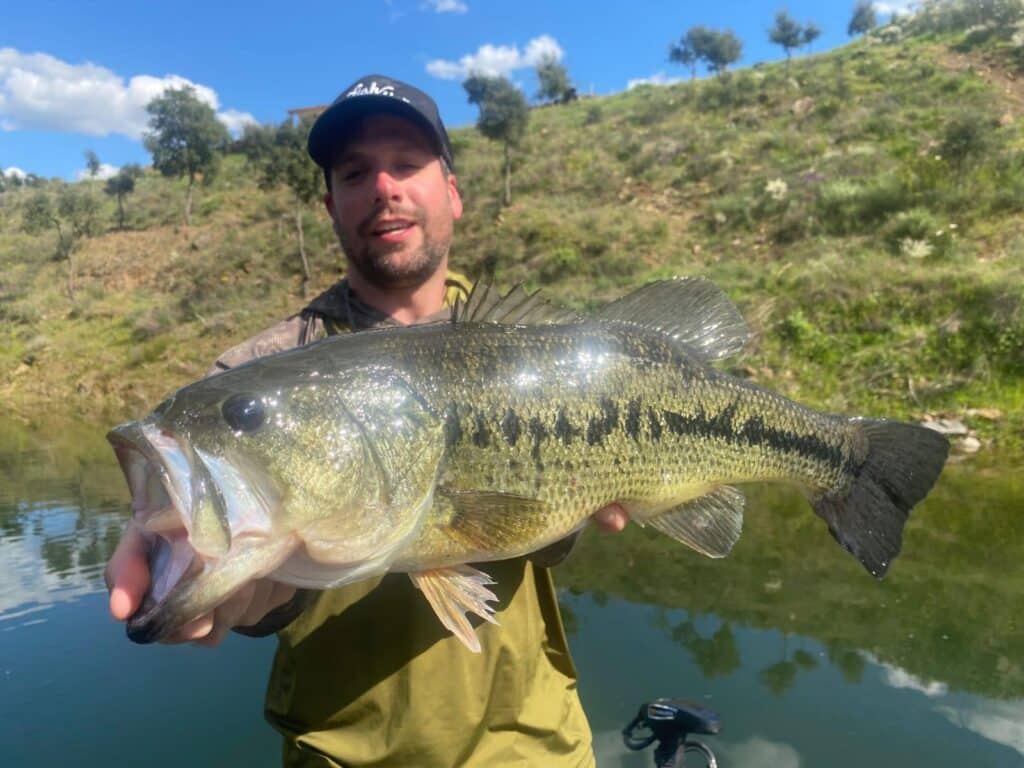
This lake is home to a fine diversity of fish, of particular interest to predator enthusiasts. The pike is the local star: the population is well established and fish of over a metre are caught every season. The perch is everywhere, with pretty striped fish hunting in shoals along the margins and drop-offs. You will also find trout (stocked rainbows and a few browns), typical of this high-altitude lake with its cool water. As for coarse and bottom-dwelling species, roach, rudd, tench and carp complete the picture and make up the predators' larder. No established zander or catfish here: the cold water of the plateau hardly suits them, which is all the better for the pike-perch balance.
For pike, we recommend 12 to 20 cm shad-style soft lures rigged Texas or on a light jighead over the weed beds, as well as the spinnerbait, a safe bet for getting started in pike fishing in weedy areas. In spring and autumn, the margins and points are the key spots; in summer, fish deeper with a slow straight retrieve or vertically near the dam. For perch, drop-shot and small 5 to 8 cm soft lures work wonders on the drop-offs, while crankbaits and small metal jigs trigger the active shoals in open water. The trout respond well to small spoons, minnow-type hard lures and even streamers for fly anglers. Remember to check the predator fishing season opening dates before planning your session, as the lake is classified as 2nd category but subject to specific regulations.
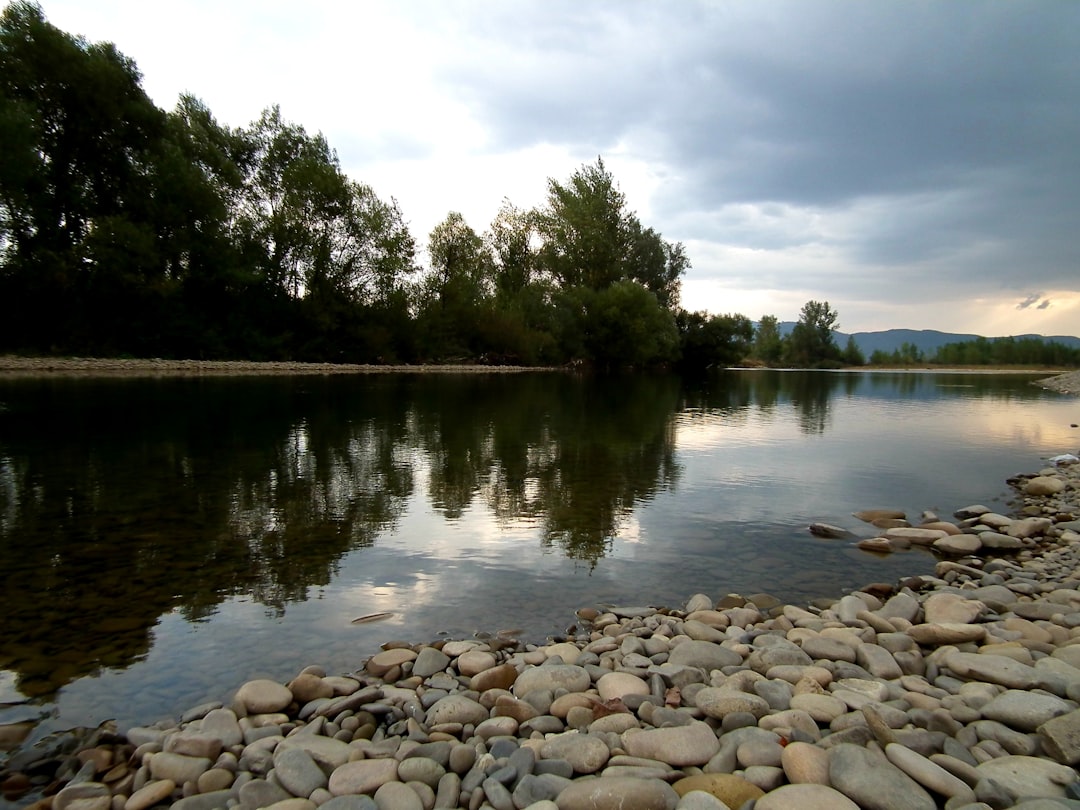
The birdlife is an excellent indicator here: grey herons and great crested grebes give away shoals of fry along the margins, and where there is forage, the predators are never far away. Also watch the aquatic vegetation: the rush beds and submerged weed beds on the north-east bank are real pike magnets, while the water-lily areas shelter perch and baitfish. Dead trees fallen into the water and drowned timber are spots never to be overlooked when searching.
How to get to the lake
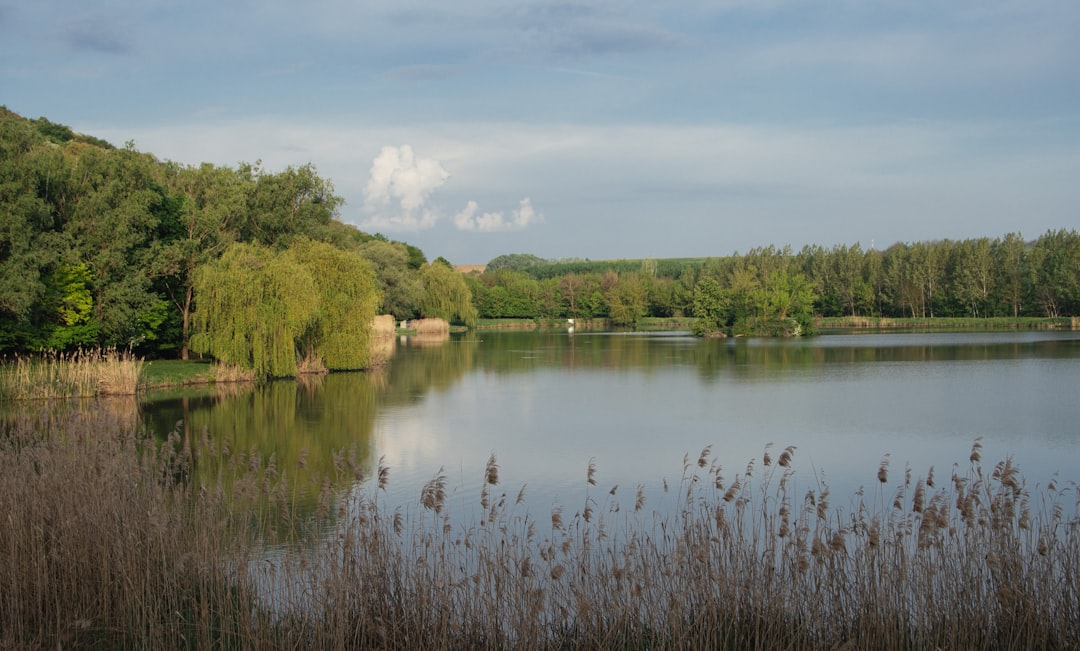
Access by car is simple: the lake is in the commune of Devesset, in Ardèche, about 7 km from Saint-Agrève via the D9, 1h15 from Valence and 1h30 from Saint-Étienne. A large free car park serves the leisure centre on the beach side, and other more discreet parking spots give access to the wild banks — perfect for a quiet early-morning launch. Petrol-engined boats are banned, but the float tube, kayaks and rowing boats or electric-powered boats are welcome under the current regulations: a godsend for working the offshore weed beds out of reach from the bank. There is a slipway near the water sports centre. Public transport on the plateau is limited: a car is clearly the best option for carrying your gear and arriving in time for the first bite of the morning.
Map of the lake
Weather and fishing conditions
At more than 1,000 metres, the climate is mountainous: harsh winters with frequent frost (the lake can partly freeze), late springs and pleasantly cool summers. The water temperature ranges from 4-6°C in winter to 10-14°C in spring and 18-22°C in high summer, dropping quickly from September. For lure fishing, the best windows are from May to June and then from September to October, when the predators hunt actively along the margins. Watch out for the wind: the plateau is exposed and the famous burle can make float tube fishing lively — on the other hand, a moderate wind creating a light chop is excellent for giving pike confidence in clear water. Favour stable or slightly falling air pressure, overcast skies and the first hours of daylight. In bright sunshine and limpid water, refine your retrieves, scale down your lure size and don't hesitate to cast further with a reel well loaded with fine braid so as not to spook the fish.
What to do at Lake Devesset?
Lure fishing is obviously our number one activity here, and the site lends itself to it perfectly: varied banks, quiet boating allowed and a motivating predator population. But Lake Devesset is also a real family leisure centre: supervised swimming in summer on the designated beach, paddleboard, kayak and pedalo hire at the water sports centre, sailing and fine mountain bike trails through the plateau's conifer forests. It is the ideal place to combine a family holiday with a few fishing sessions at first light, while everyone else is still asleep.
From the bank, look for the rocky points, the rush beds and the inflows, which concentrate the baitfish. The deeper area near the dam is a prime winter and summer spot for pike, fished vertically or with a big shad on a slow straight retrieve. By boat or float tube, follow the offshore weed beds with a spinnerbait or a lightly weighted soft lure, and focus on the drop-offs where the perch hold in shoals: a portable fish finder will save you valuable time in locating these structures.
Hiking and scouting swims around the lake
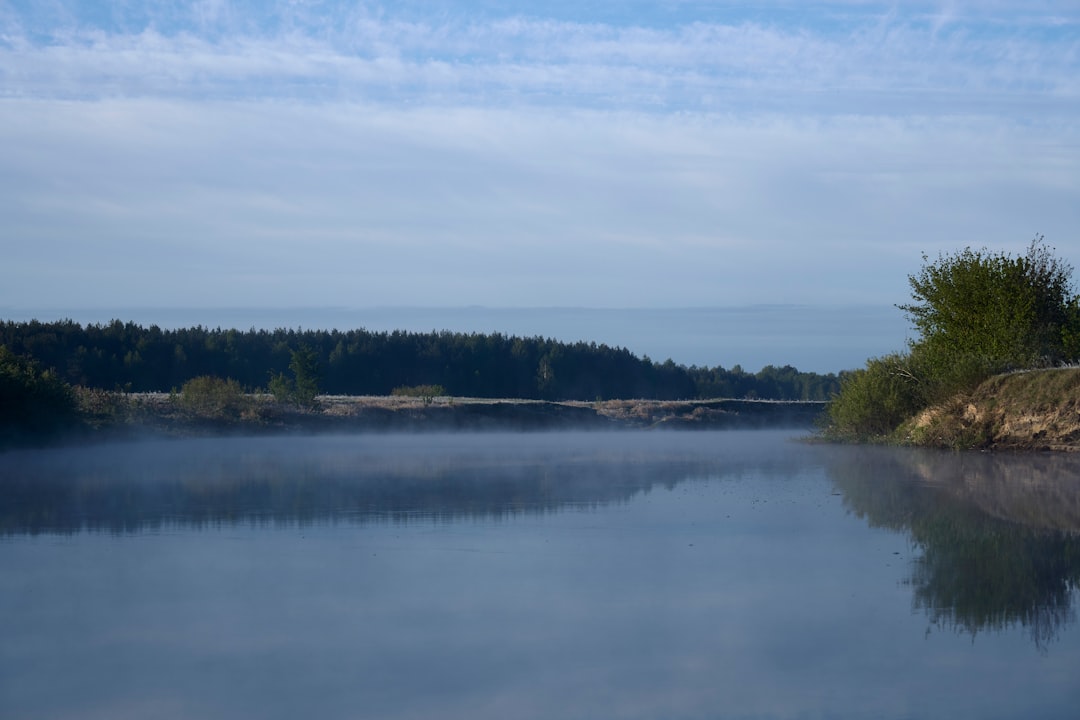
There is nothing like a walk around the lake to prepare your future sessions. The lake circuit is the must-do loop: about 5 km, 1h15 of walking, easy level, accessible to all. It is the perfect opportunity to spot the weed beds, drowned timber, points and shallows visible in clear water — note down your observations, they are worth their weight in gold. For the sportier, the Devesset – Saint-Jean chapel loop (about 9 km, 2h30, intermediate level) offers fine elevated views over the lake: from these natural viewpoints you can clearly make out the drop-offs and changes in depth, ideal for building a mental map of the spots. Finally, the path linking the lake to the village of Devesset (6 km there and back, 1h45, easy) runs alongside wild, less-fished stretches of bank, where pike lying along the margins are often less wary. Take your polarised glasses on these walks: they turn every hike into a real scouting session.
Where to stay and eat?
To stay as close to the banks as possible, the campsite right on the edge of the lake is the angler's ideal option: pitches, chalets and mobile homes a few metres from the water, perfect for being ready to go at dawn — but note that night fishing is not allowed on this lake; check the legal fishing hours with the local AAPPMA. The plateau is also full of rural gîtes and B&Bs in Devesset, Saint-Agrève and the surrounding hamlets, often run by hosts who know the area and its good spots well. For food, you will find country restaurants and inns in Saint-Agrève serving hearty local cooking (Ardèche charcuterie, plateau cheeses, bilberries in season), as well as a snack bar at the leisure centre in summer. Don't miss the Saint-Agrève market on Monday mornings to stock up on local produce between sessions.
FAQ – your questions about Lake Devesset
What are the best spots on Lake Devesset?
The weed beds and rush beds on the north and east banks are the best pike spots, especially in spring and autumn. The deep area near the dam concentrates the fish in summer and winter, while the drop-offs and rocky points are ideal for tracking down shoals of perch on the drop-shot or with small soft lures.
Is night fishing allowed on the lake?
No, night fishing is not allowed on this lake: fishing is permitted from half an hour before sunrise to half an hour after sunset, as laid down by the 2nd category regulations. We advise you to check the orders in force with the local AAPPMA or the Ardèche fishing federation before your visit, as the regulations may change.
How do you fish for perch with soft lures?
On this lake, drop-shot with 5 to 8 cm finesse soft lures is deadly on the drop-offs and drowned timber, worked slowly on the spot. When the fish are active, a small 6 cm shad on a 3 to 7 g jighead, fished with a straight retrieve or a sink-and-draw action along the margins, lets you quickly find the shoals of perch, often accompanied by a few opportunistic pike.
Are there any regulated fishing areas?
Yes, some areas are prohibited or restricted, notably the swimming area and the water sports centre in summer, as well as the immediate surroundings of the dam. The lake is classified as a 2nd category fishery and a valid fishing licence is compulsory: check the AAPPMA notice board on site for the exact boundaries and legal catch sizes.
Can you use a boat or a float tube?
Yes, float tubes, kayaks and rowing or electric-powered boats are allowed under the current regulations, petrol engines being banned. It is a real plus for working the offshore weed beds and the deep holes out of reach from the bank; a slipway is available near the water sports centre, and a life jacket is strongly recommended on this high-altitude lake with its cool water.
How do you reach the best fishing spots?
The path around the lake, about 5 km long, lets you reach all the bank spots on foot, including the least-fished wild banks. Park at the leisure centre car park or in the secondary parking areas, then walk a few minutes to the points and weed beds you have scouted beforehand; by float tube or boat, you can go straight to the drop-offs and offshore structures to maximise your chances.