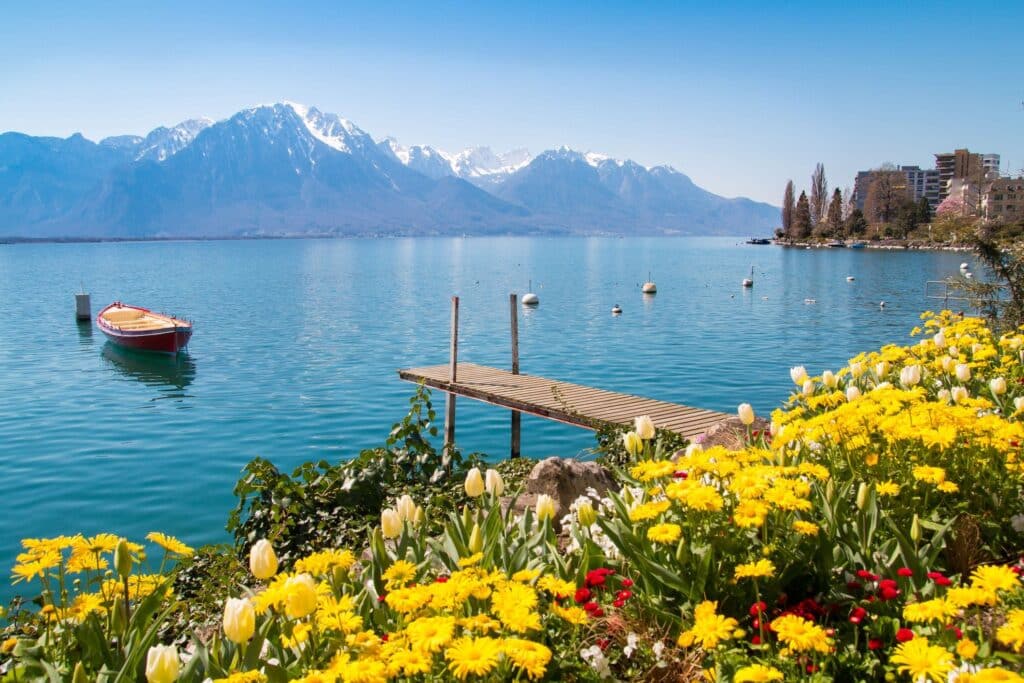
Nestled at more than 1,900 metres above sea level in the Hautes-Alpes, in the commune of Villard-Saint-Pancrace a few kilometres from Briançon, Lake Orceyrette is one of those Alpine gems that get lure anglers' hearts racing. Surrounded by larches and overlooked by the peaks of the Briançonnais, this mountain lake offers an exceptional setting for chasing salmonids with a rod, in crystal-clear water that forgives no sloppiness.
In this article, we take you to discover this high-altitude spot: its history, its fish, the lure fishing techniques that work there, access, weather, the spots to look out for and even where to stay so you can fish session after session at first light. Get your ultralight rods ready, we're heading up into the mountains!
History and features of Lake Orceyrette
Lake Orceyrette is a natural mountain lake whose level was raised by a small dam to regulate water for irrigating the farmland in the valley. Perched at around 1,927 metres in the heart of the Orceyrette valley, it covers almost 5 hectares in a setting of centuries-old larches. Its depth remains moderate, with holes reaching several metres in the centre, while the margins slope gently, which is excellent news for bank fishing. Fed by meltwater and the valley's mountain streams, the lake keeps cold, perfectly clear water all season: an ideal environment for salmonids, but one that demands finesse and stealth from the lure angler. Note that this lake, managed by the local AAPPMA, is classified as a first category fishery: the open season is therefore strictly regulated.
Which fish can you catch at Lake Orceyrette?
No pike or zander here: the altitude and the cold water make Lake Orceyrette a territory dedicated to salmonids. The trout is the undisputed queen of the place, with a fine population of wild brown trout from the valley's mountain streams, supplemented by rainbows and catchable-sized trout stocked by the AAPPMA at the start of the season. A few brook trout may also cross your path, particularly in the deepest areas. As for bottom fish, there are mainly minnows, which make up a large part of the big trout's diet: a valuable clue when choosing your lures. If you are after classic predators such as pike or perch, you will have to head back down the valley to the Durance or lower-altitude lakes — and if that is your goal, check out our guide to the predator fishing season opening to prepare your trips.
For trout on lures, we favour three approaches here. In spring, just after the thaw, the fish patrol the margins: a small 5 cm sinking hard lure or a minnow jerkbait imitating the minnow, worked with short twitches, does wonders along the drop-offs. In summer, when the sun beats down, the trout retreat to the central hole and near the inflows of fresh water: that is the time for 2 to 3 inch finesse soft lures on a light jighead, or even a micro drop-shot to comb the deep areas slowly. Late in the season, size 1 and 2 inline spinners and small blade baits trigger aggression in brown trout before spawning. A dash of attractant on your soft lures can make the difference with educated late-season fish. In all cases, fish fine: 0.14 to 0.18 mm fluorocarbon, a stealthy approach and long casts so as not to spook the fish in this limpid water.
The Orceyrette valley is home to birdlife typical of the Southern Alps: white-throated dippers on the streams, spotted nutcrackers in the larches and sometimes a golden eagle prowling above the ridges. Watch the dipper: its presence signals inflows of oxygenated water, prime spots for active trout. As for vegetation, the sparse weed beds along the margins and the areas where larches overhang the water create patches of shade under which the brown trout lie in ambush: all spots to work methodically with a lure.
How to get to the lake
Access is from Briançon via Villard-Saint-Pancrace, then along the forest road up the Orceyrette valley. Be careful: this mountain track is narrow, partly tarmacked and subject to access restrictions in the summer high season (alternating traffic or shuttles on some days; ask at the town hall or the Briançon tourist office). A car park is provided near the lake, a few minutes' walk from the bank: perfect for carrying a float tube or a rigged rod. Petrol-engined boats are banned on this lake; float tubes are tolerated under current regulations, but check with the Briançon AAPPMA before inflating. In winter and early spring the road is usually snowbound and closed: access is then on snowshoes or touring skis, but fishing is closed in first category waters at that time anyway. There is no public transport to the lake: a car (or a bike for the brave, with 600 metres of climbing) is essential.
Map of the lake
Weather and fishing conditions
At almost 2,000 metres, the climate is typically Alpine: long, snowy winters and short summers with frequent afternoon thunderstorms. The water stays cold all year: barely 6 to 8°C at the opening in March (when the lake has thawed), 12 to 16°C in midsummer, before dropping quickly from September. For lure fishing, the best windows are early in the morning and in the evening during the summer, when the light fades and the trout move up to hunt along the margins. A light breeze rippling the surface is your ally: it masks your approach and makes the fish less wary in this translucent water. Days of stable or slightly falling air pressure, just before a storm, often trigger spectacular feeding frenzies — but head back down before the storm breaks, the mountains are no joke. Finally, beware of sunburn and temperature swings: here you can go from 5°C at dawn to 25°C at midday.
What to do at Lake Orceyrette?
Lure fishing is obviously our number one activity here: a full session working around the lake takes two to three hours, UL rod in hand, switching between spoons, micro jerkbaits and soft lures depending on the spot. But the site also appeals to families: refreshing (very refreshing!) swimming in summer, paddleboard or inflatable kayak trips on the calm morning water, picnics under the larches and mountain biking on the valley's forest tracks. This summer popularity has a downside for us anglers: in the middle of August, it is best to fish at dawn before the swimmers arrive, or to aim for the evenings once calm has returned.
From the bank, several spots deserve particular attention: the dam area, where the water is deepest and the big trout hold during the day; the stream inflows, real oxygen-rich larders; the shaded margins under the larches, ideal in the heat of the day; and the rocky points that plunge into the central hole. From a float tube, comb the drop-off between the littoral zone and the hole while casting towards the bank: that is often where feeding fish hold. No need to bring a big fish finder here: reading the clear water by eye and watching for rises is more than enough.
Hiking and scouting swims around the lake
The valley offers several routes that are perfect for combining walking with scouting the water. First, the lap of the lake: an easy loop of about 1.5 km in 30 to 45 minutes, accessible to everyone, which lets you observe every margin, spot the drop-offs visible in the clear water and note the rising spots for the evening session. For the sportier, the climb to the Croix de la Salcette (about 3 hours there and back, steady climb, intermediate level) offers an exceptional bird's-eye view of the lake: from up high you can clearly make out the central hole, the shallows and the weed beds — a real visual scan of the lake, free and eco-friendly. Finally, the walk along the Orceyrette stream below the lake (1 to 2 hours, easy) lets you target wild brown trout in the pools and current seams with micro lures, a demanding and fascinating roving style of fishing. Remember to take a telescopic or multi-section rod in your rucksack: it would be a shame to find the perfect spot without being able to fish it.
Where to stay and eat?
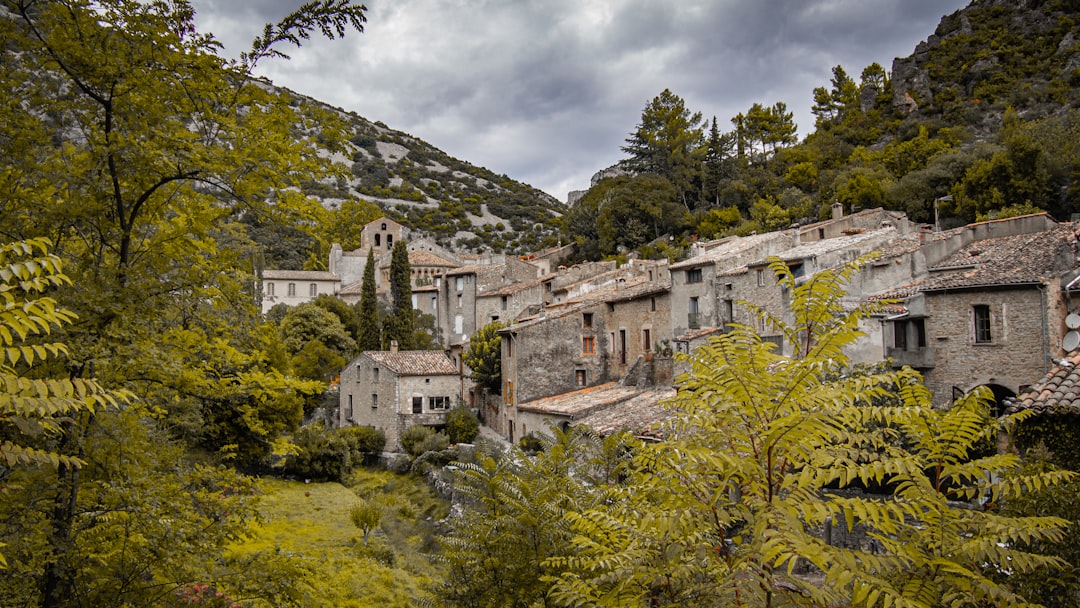
Bivouacking is generally tolerated around the lake under the usual mountain rules (tent pitched at sunset, taken down at sunrise), a golden opportunity to be at the water's edge at dawn — but note that there is no night fishing in first category waters, so the session ends half an hour after sunset. For more comfort, Villard-Saint-Pancrace and Briançon offer gîtes, B&Bs and well-equipped campsites, 20 to 30 minutes' drive from the lake. Several accommodation providers in the Briançonnais happily welcome anglers, with early departures and a room for gear. For food, the restaurants in Briançon's old town (the Vauban citadel) serve up local specialities: tourtons, ravioles and mountain pasture cheeses. Briançon market, on Wednesday and Sunday mornings, is perfect for filling the cool box before heading up the valley. Our advice: stock up on supplies in town, as there are no shops at the lake.
FAQ – your questions about Lake Orceyrette
Is bank fishing productive on this lake?
Yes, bank fishing is very productive on this lake, as its modest size means you can reach the central hole with a long cast from most banks. Focus on the dam area, the stream inflows and the shaded margins, fishing fine with a stealthy approach in this very clear water.
Are black bass present in this water?
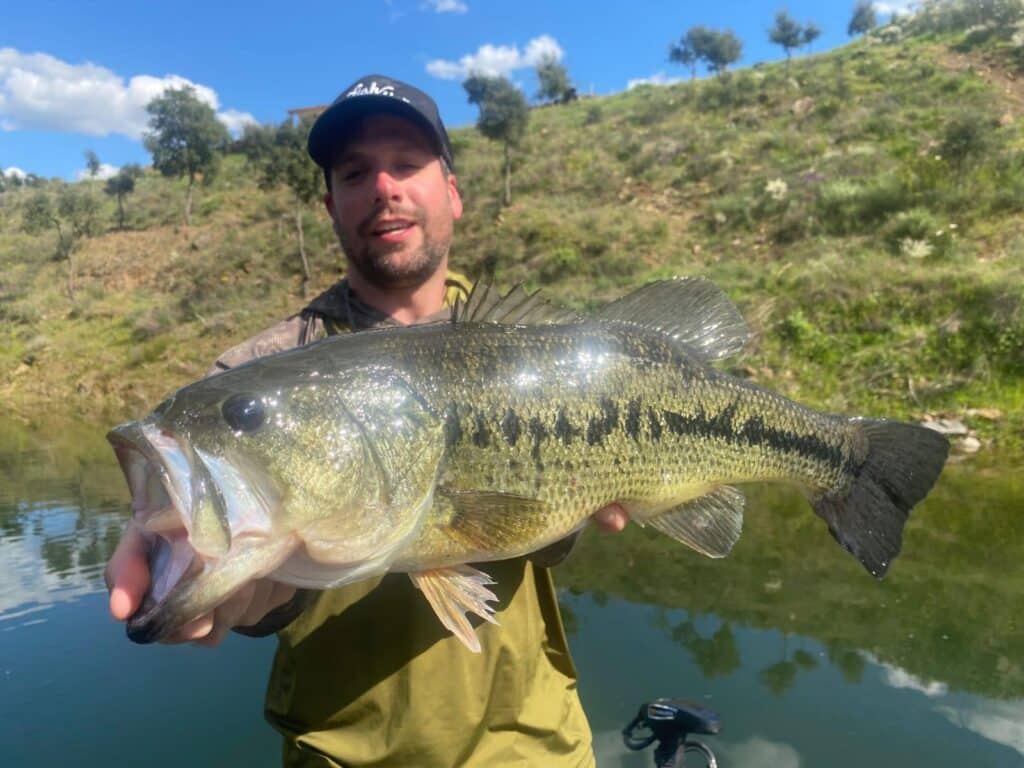
No, black bass are completely absent from Lake Orceyrette: the altitude of almost 2,000 metres and the cold water make their survival impossible. It is a first category lake dedicated to salmonids, mainly brown and rainbow trout plus a few brook trout. For bass, you will have to head down to lower-altitude lakes with a milder climate.
Can you fish this lake in winter?
No, winter fishing is prohibited here: the lake is classified as a first category fishery, with a closed season running from roughly mid-September to mid-March. In any case, the lake is usually frozen and the access road snowbound during this period. Check the exact opening dates with the Hautes-Alpes fishing federation before planning your trip.
Is the lake a good spot for carp fishing?
No, it is not a carp destination: cold high-altitude water does not suit this species, which is absent from the lake. The cyprinids present are essentially limited to minnows, which serve as forage for the trout. If you are after carp, head instead for the lakes of the Durance valley, at lower altitude.
How do you fish for perch with soft lures?
Perch are not present in this high-altitude lake, but the finesse soft lure technique works remarkably well here for trout. Use 2 to 3 inch shads or finesse baits on a 2 to 5 gram jighead, worked with a slow straight retrieve or a sink-and-draw action along the drop-offs, or even a micro drop-shot to work the central hole thoroughly when the fish are hugging the bottom in summer.
What is the best season to fish Lake Orceyrette?
The best period runs from late May to late June, after the snowmelt: the water warms slightly, the trout are active along the margins and visitor numbers remain low. Early autumn, in September before the close season, is also excellent, with aggressive pre-spawn brown trout that respond very well to spinners and small jerkbaits. In high summer, concentrate your efforts at dawn and in the evening to avoid the heat of the day and the crowds of swimmers.