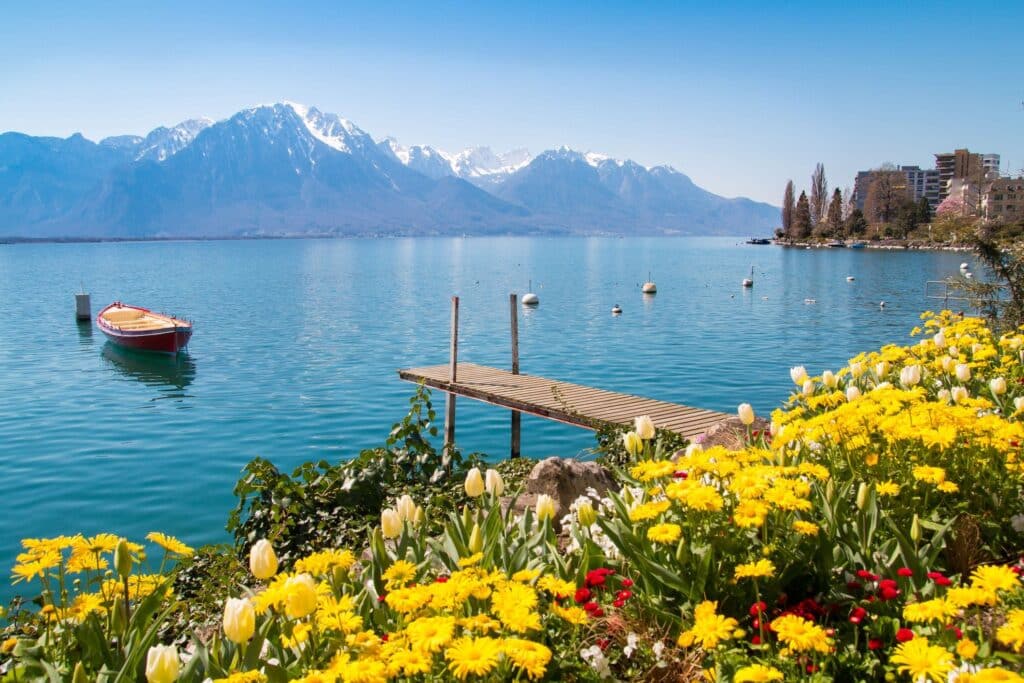
Nestled in the heart of the Alpes-de-Haute-Provence, a stone's throw from Saint-André-les-Alpes and the Verdon Gorge, Lake Castillon is one of those high-altitude lakes that every lure angler dreams of. With its turquoise water fed by the Verdon, its dizzying depths and its rocky plateaus, this reservoir offers an exceptional playground for chasing predators in breathtaking surroundings.
We have had the chance to cast our lures there several times, and we will tell you straight away: between the trout, the perch and the pike, there is plenty to make your reel sing. In this article, we share everything you need to know to prepare your session: the history of the lake, the species present, the techniques that work, access, weather, spots to look out for and good places to stay nearby. Follow the guide!
History and features of Lake Castillon
Lake Castillon is an artificial lake created by the construction of the Castillon dam on the Verdon, commissioned in 1948 after a titanic building project begun in the 1920s and interrupted by the war. Its primary purpose is hydroelectric power generation and regulating the flow of the Verdon, but it quickly became a major tourist and angling destination in the region. In figures, the lake covers around 500 hectares, perched at almost 880 metres above sea level, with a maximum depth of around 95 metres at the dam and a volume of around 150 million cubic metres. For us lure anglers, these features are crucial: the combination of deep areas, plateaus, rocky points and the shallow end fed by the Verdon creates a mosaic of spots where every predator finds its habitat. Watch out for drawdown, though: like any reservoir, the level can vary by several metres depending on the season and water releases, which reshuffles the cards on every trip and means you constantly have to reread the water.
Which fish can you catch at Lake Castillon?
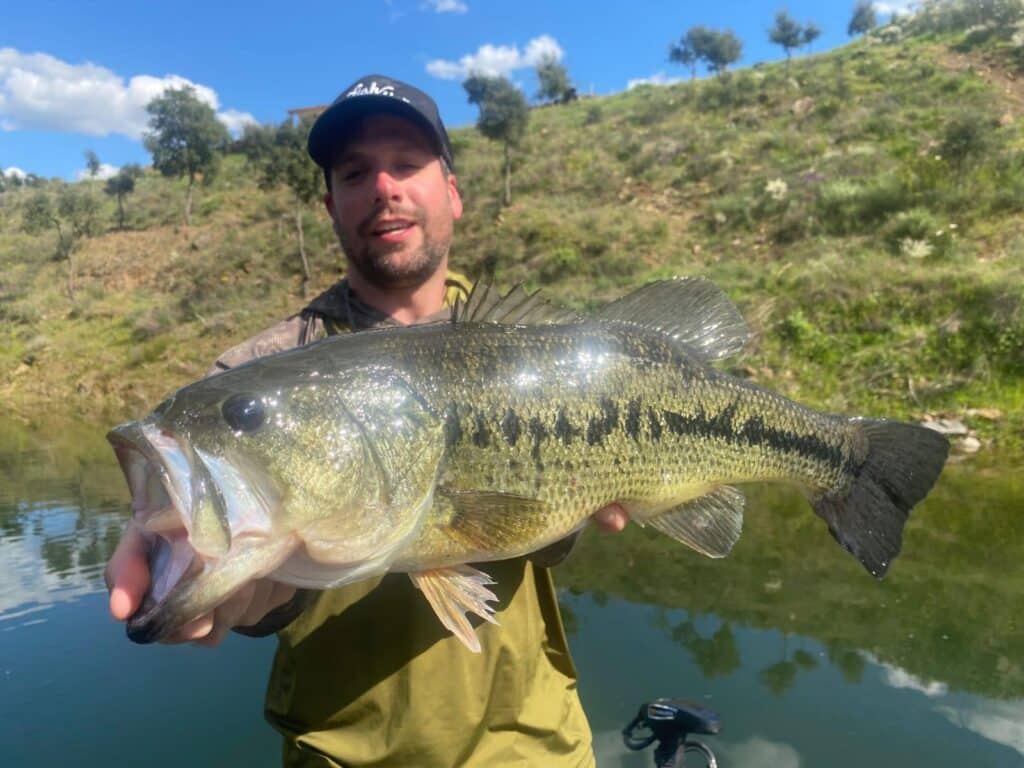
The fish stock is rich and varied, at the crossroads between cold Alpine waters and classic predator populations. The pike is well established, with some very fine specimens that make the most of the abundant baitfish. The perch is probably the most prolific species: feeding frenzies are frequent in summer and the shoals can be impressive. You will also find trout (brown and rainbow), a legacy of the Verdon's cool water, as well as a few zander, more discreet but very much present in the deep areas. As for coarse and bottom-dwelling species, roach, bleak, chub, carp and tench complete the picture and make up the predators' larder.
For pike, we favour big 15 to 20 cm shad-style soft lures on the drop-offs and points, as well as crankbaits and classic pike techniques for fast searching along the banks in spring and autumn. A dedicated pike casting rod is a real plus for working these bulky lures all day without tiring. Perch take beautifully on drop shot and small soft lures over the rocky scree, or on small crankbaits when the feeding frenzies erupt on the surface. For trout, minnow-type hard lures and spoons cast at the shallow end, where the Verdon brings in its cool water, give excellent results in spring. Zander are sought vertically or with a slow straight retrieve over 8 to 15 metre bottoms, mainly early in the morning or late in the day. And don't forget to respect the fishing opening dates by species before planning your session.
On the nature side, the lake hosts fine birdlife: great crested grebes, grey herons and cormorants are all valuable indicators. When cormorants fish in a group over an area, it means the baitfish are concentrated there, and the predators are never far away. The bankside vegetation is fairly sparse (pines, broom, bare rock), but the few weed beds and the trees submerged by the drawdown are prime spots to work methodically with a soft lure or a spinnerbait.
How to get to the lake
Access is mainly via the Route Napoléon (N85) then the D955 from Castellane, or via the D955 from Saint-André-les-Alpes to the north. Allow around 1h30 from Digne-les-Bains and just over 2 hours from Nice. Several free car parks line the shores, notably at Saint-Julien-du-Verdon, at the Saint-André-les-Alpes leisure centre and near the dam. For launching boats, slipways are available at Saint-Julien and Saint-André: rowing boats and electric-powered boats are allowed (petrol engines are regulated, check with the local AAPPMA). A float tube is a deadly option here for working margins that cannot be reached on foot, as we had already found on Lake Salagou. For those without a car, the Chemins de fer de Provence station (the famous Train des Pignes) serves Saint-André-les-Alpes, a few minutes' walk from the north shore.
Map of the lake
Weather and fishing conditions
The climate is Mediterranean mountain: hot, sunny summers and cold winters with frequent frost on the shores. The water stays cool for much of the year: expect 8 to 10°C in spring, 18 to 22°C at the surface in high summer (with a marked thermocline), and rapid cooling from October. For lure fishing, the best windows are in spring and autumn, when the predators move up onto the margins. Beware of the thermal wind that often picks up in the early afternoon: it can make boating lively, but a wind-battered bank concentrates the baitfish and triggers pike and perch activity. Stable or slightly falling air pressure, a hazy sky and a light breeze are in our view the winning combination on this very clear water, where a good low-visibility fluorocarbon leader often makes the difference.
What to do at Lake Castillon?
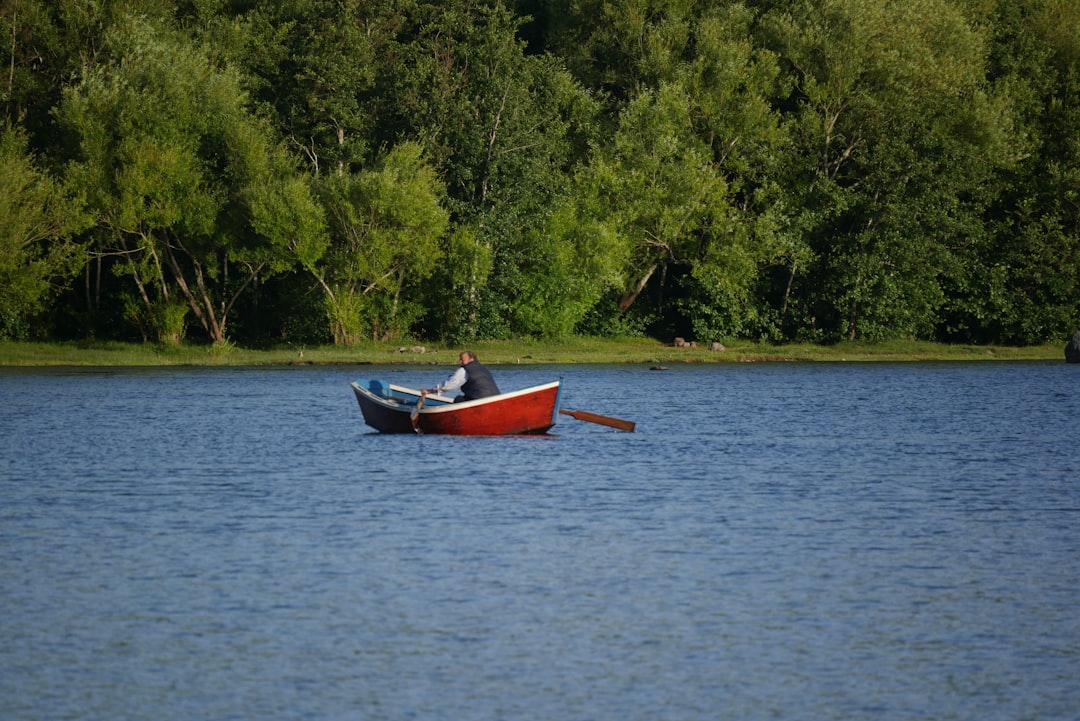
Lure fishing obviously remains our number one activity here, whether from the bank, a boat or a float tube. But the site is also a complete family destination: supervised swimming in summer on the beaches of Saint-Julien-du-Verdon and Saint-André-les-Alpes, paddleboarding, kayaking, pedalos, sailing and even paragliding from the surrounding peaks. Mountain bikers will find superb trails around the lake and up towards the ridges. Plenty to keep the family busy while we comb the margins with soft lures at first light.
As for spots, several areas deserve your attention. From the bank, the rocky points around Saint-Julien-du-Verdon give direct access to the drop-offs: perfect for drop shot and soft lures on a straight retrieve. The shallow end, on the Saint-André side, is a shallower area where pike come to hunt in spring and autumn. By boat or float tube, work the submerged trees revealed by the drawdown, the 5 to 10 metre plateaus at the edge of the deep holes and the steep drop-offs near the dam for vertical jigging for zander. A fish finder is a genuine game changer on this lake with its pronounced underwater relief.
Hiking and scouting swims around the lake
Walking around the lake is the best way to scout spots before a session, especially at low water when the structures are visible. The Lake Castillon circuit via Saint-Julien-du-Verdon offers a loop of about 8 km (2h30, easy) with superb bird's-eye views over the drop-offs and points: take polarised glasses and note the scree areas. The climb to the Vérimande chapel from Saint-André (about 5 km there and back, 1h30, easy) overlooks the shallow end and lets you locate the weed beds and the Verdon inflows, pike spots par excellence. Finally, for the sportier, the Pic de Chamatte loop (12 km, 4h30, difficult) offers a complete panorama over the whole lake: ideal for photographing the shallows and preparing a boat or float tube drift the next day.
Where to stay and eat?
To stay as close to the water as possible, several campsites line the lake, notably at Saint-André-les-Alpes and Saint-Julien-du-Verdon: handy for being on the bank at dawn, when the predators are most active (night fishing is only allowed on certain carp stretches; check with the Alpes-de-Haute-Provence fishing federation). Gîtes and B&Bs are available in the surrounding villages, as well as a few hotels in Castellane and Saint-André. For food, the restaurants in Saint-André-les-Alpes serve generous local cooking, perfect after a day of casting lures, and the weekly market (on Wednesdays in Saint-André) is a chance to stock up on local produce: goat's cheese, lavender honey and mountain charcuterie for a bite to eat by the water.
FAQ – your questions about Lake Castillon
Can you use a boat or a float tube?
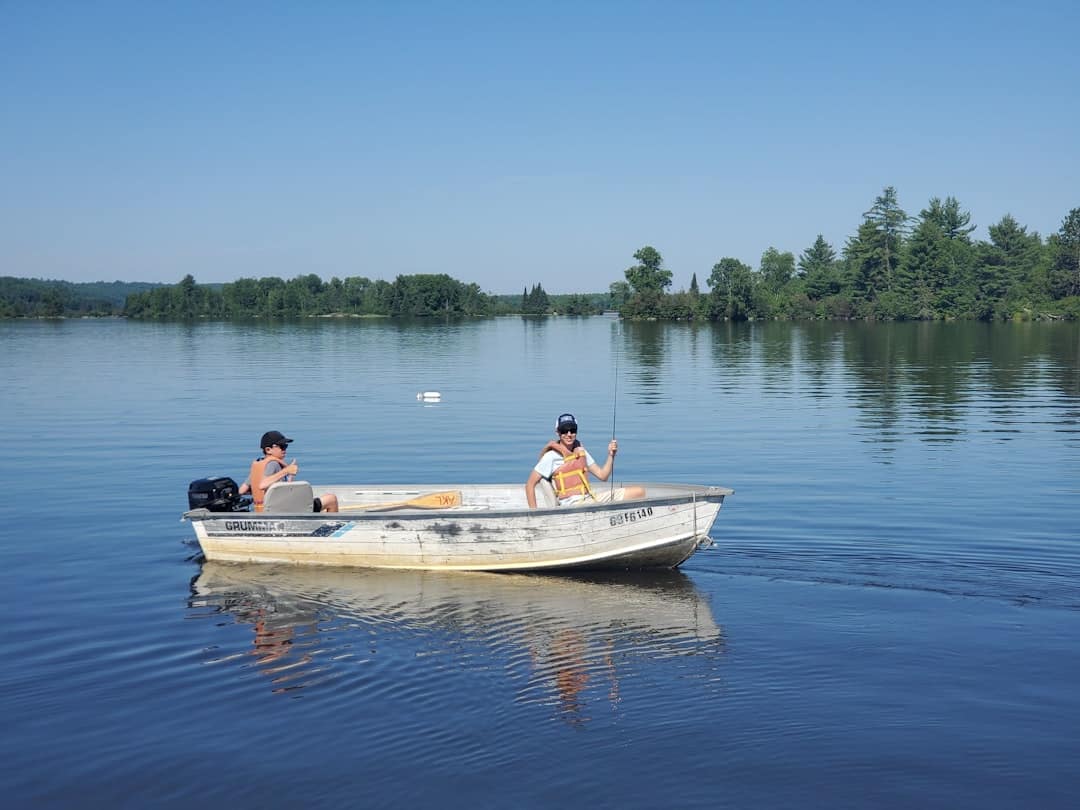
Yes, boating is allowed on Lake Castillon, with slipways at Saint-Julien-du-Verdon and Saint-André-les-Alpes, electric motors being preferred. A float tube is an excellent option for discreetly working the margins, submerged trees and rocky points that cannot be reached on foot, provided you wear a buoyancy aid and keep an eye on the thermal wind that often picks up in the afternoon.
Are there zander in Lake Castillon?
Yes, zander are present, even if they are less abundant than perch or pike. They mainly hold in the deep 8 to 15 metre areas and on the steep drop-offs near the dam, and are fished effectively vertically or with a slow straight retrieve on soft lures, especially early in the morning and late in the day.
How do you fish for perch with soft lures?
Perch are the queen species of the lake and respond very well to small 5 to 8 cm soft lures rigged drop shot or on a light jighead, along the rocky scree and drop-offs. In summer, look out for surface feeding and cast beyond the shoal before bringing the lure back with a jerky straight retrieve: the bites are often immediate.
Is catch and release practised on the lake?
Catch and release is not compulsory across the whole lake, but it is widely practised by lure anglers, particularly to preserve the fine pike and big perch. We encourage you to release your catches carefully, using a landing net with rubber mesh and pliers to unhook the fish quickly.
Is the lake a good spot for carp fishing?
Yes, carp are well established, with some fine specimens, particularly at the shallow end and in the shallower areas on the Saint-André-les-Alpes side. Some sectors are designated night fishing stretches: check with the Alpes-de-Haute-Provence fishing federation to find out the authorised areas and the regulations in force.
Which lures should you use for pike?
In this clear water, 15 to 20 cm shad-style soft lures in natural colours (roach, perch, bleak) are our safe bets on the drop-offs and rocky points. In spring and autumn, crankbaits, jerkbaits and spinnerbaits cast along the margins and submerged trees make the difference, always combined with a strong leader to cope with pike teeth.