
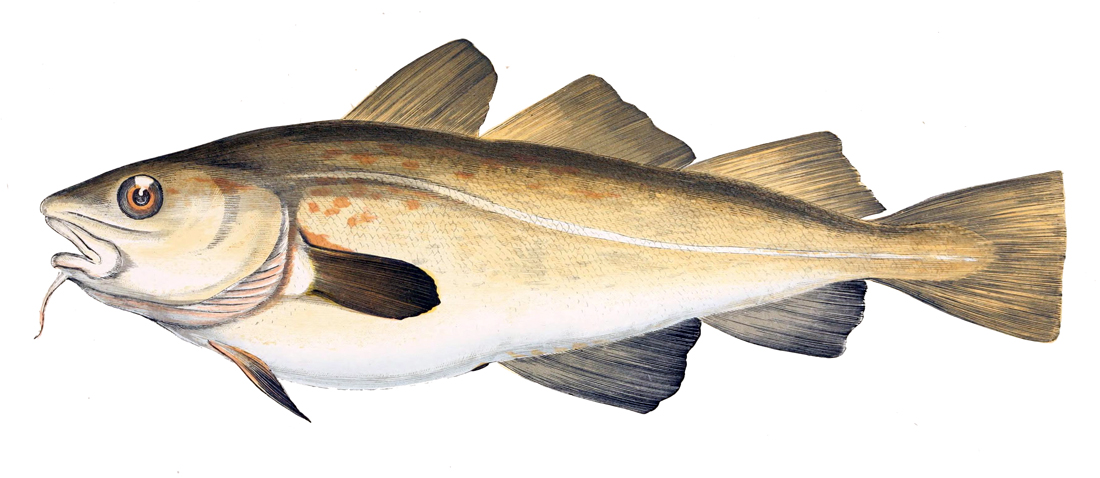
A big, heavy body split by a pale lateral line, a chin adorned with a single, distinctive barbel: the cod is one of the most iconic fish of the cold seas of the North Atlantic. This gadid (Gadus morhua), which French speakers also call morue , has fed European tables for centuries and is the stuff of dreams for boat anglers in the Channel, the North Sea and Norway. A stubborn confusion still needs clearing up, though, because cabillaud and morue actually refer to one and the same fish.
In this species profile, we run through everything you need to know about this fish: its morphology, its habitat, its diet, its breeding cycle, the particularly strict regulations that govern it today and, of course, our favourite techniques and rigs for tracking it down offshore. Everything you need to understand the fish better before setting out to find it.
Our article in brief
- The cod (Gadus morhua) and morue are one and the same fish: cabillaud is the French name for the fresh fish, morue for the same fish salted or dried.
- This large North Atlantic gadid commonly measures 50 to 100 cm and can exceed 1.50 m and weigh several dozen kilos.
- A bottom-dwelling predator, it is caught from boats by vertical jigging (jig, madai, inchiku), on paternoster rigs and with natural bait.
- Its stocks are fragile: recreational fishing is subject to quotas, minimum sizes and catch-and-release periods depending on the area.
- As a species under a recovery plan, it calls for responsible fishing and systematic checks of the regulations in force.
Cod morphology and identification
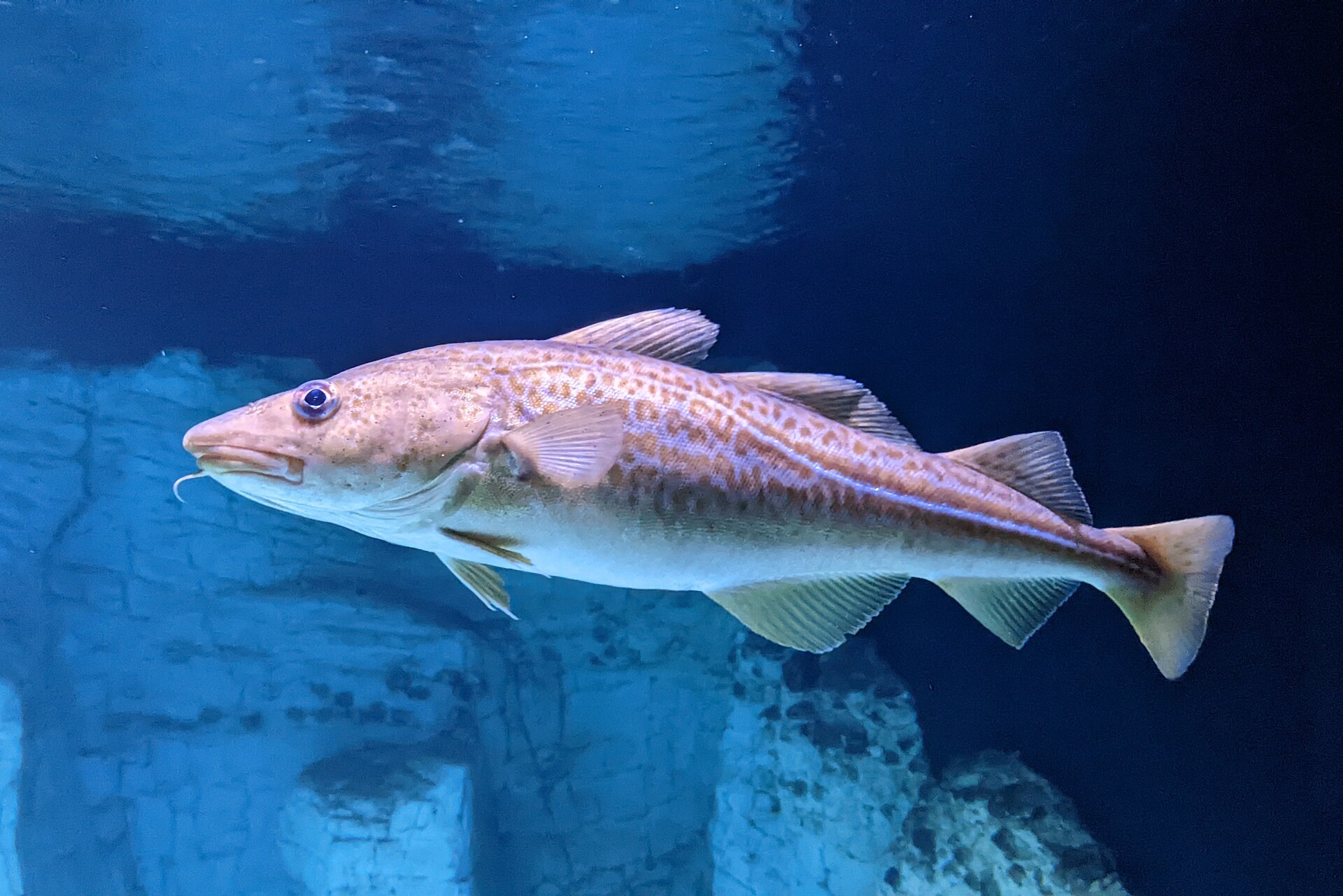
Cod have a stocky, powerful body built for life close to the seabed. Their colouring is highly variable: pale grey over sandy ground, but often tinged with brown, olive green or reddish hues mottled with dark spots in weedy areas. A pale lateral line runs along the flank, while three dorsal fins and two anal fins give away the gadid family.
A recognisable barbel and mouth
Its most distinctive feature is the barbel under the chin, a sensory organ that helps the fish detect prey on the bottom. The mouth is wide and suited to an opportunistic diet. It is this barbel, combined with the pale lateral line, that lets you tell cod apart from pollack or whiting without hesitation.
Cabillaud or morue: what is the difference?
It is the big question every French seafood lover asks: what is the difference between morue and cabillaud? The answer is simple: they are exactly the same species, Gadus morhua. In French, the name for cod is cabillaud when the fish is sold fresh, while morue is used once it has been salted and then dried for preservation (salt cod). In other words, morue is simply another name for cabillaud, and vice versa. This double naming, inherited from the great cod fisheries of Newfoundland, explains why the word morue is also used in everyday French for the live fish itself.
Size and lifespan
An adult cod commonly measures between 50 cm and 1 m and weighs a few kilos. Large specimens from the cold northern waters exceed 1.50 m and can reach several dozen kilos. Here are the species' key biometric figures:
| Features | Reference point |
|---|---|
| Medium size | 50 cm to 1 m |
| Maximum size | over 1.50 m |
| Average weight | 2 to 10 kg |
| Maximum weight | several dozen kg |
| Longevity | up to about 20 years |
| Sexual maturity | 2 to 6 years (around 60 cm) |
Where do cod live?
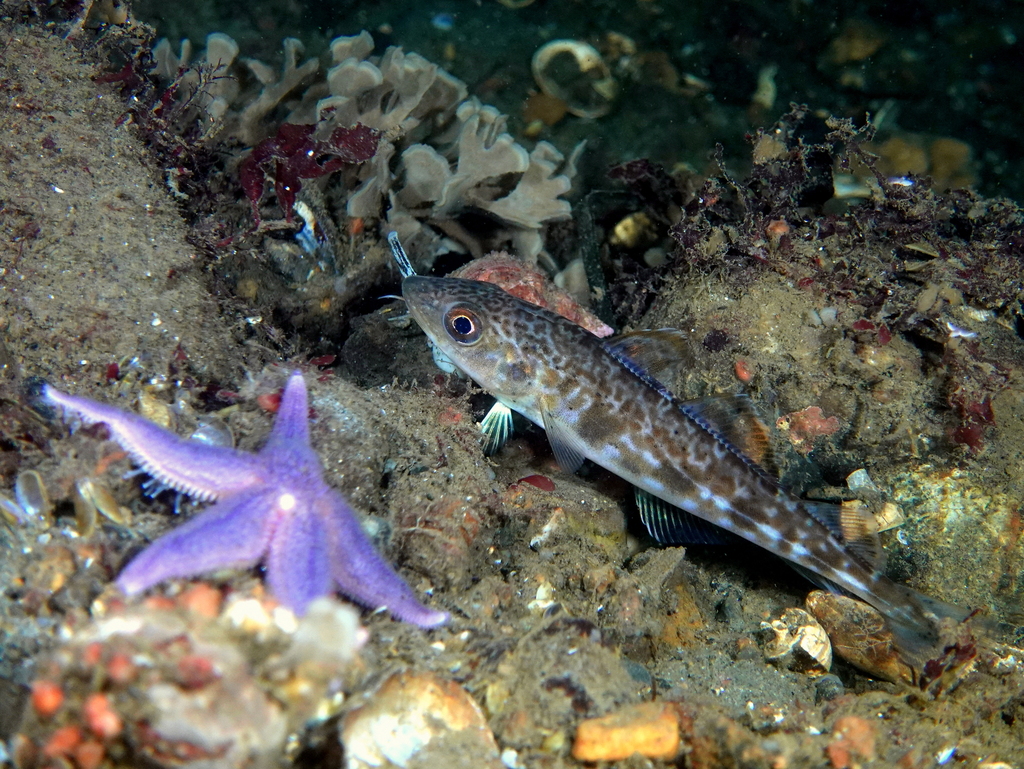
Cod are fish of cold and cold-temperate waters. They favour depths ranging from a few metres down to 200 to 300 metres, over varied ground: gravel, sand, rock and current-swept areas where food gathers. They are gregarious fish that form shoals and move with the seasons and water temperature, coming closer inshore during the cold season.
Their range covers the whole of the North Atlantic: from Newfoundland to the waters of Norway, Iceland and the Barents Sea, taking in the Baltic Sea. For French anglers, the key areas remain the North Sea and the the Channel, where the fish are caught from boats off the coasts of Normandy and Hauts-de-France, especially in winter.
What do cod eat?
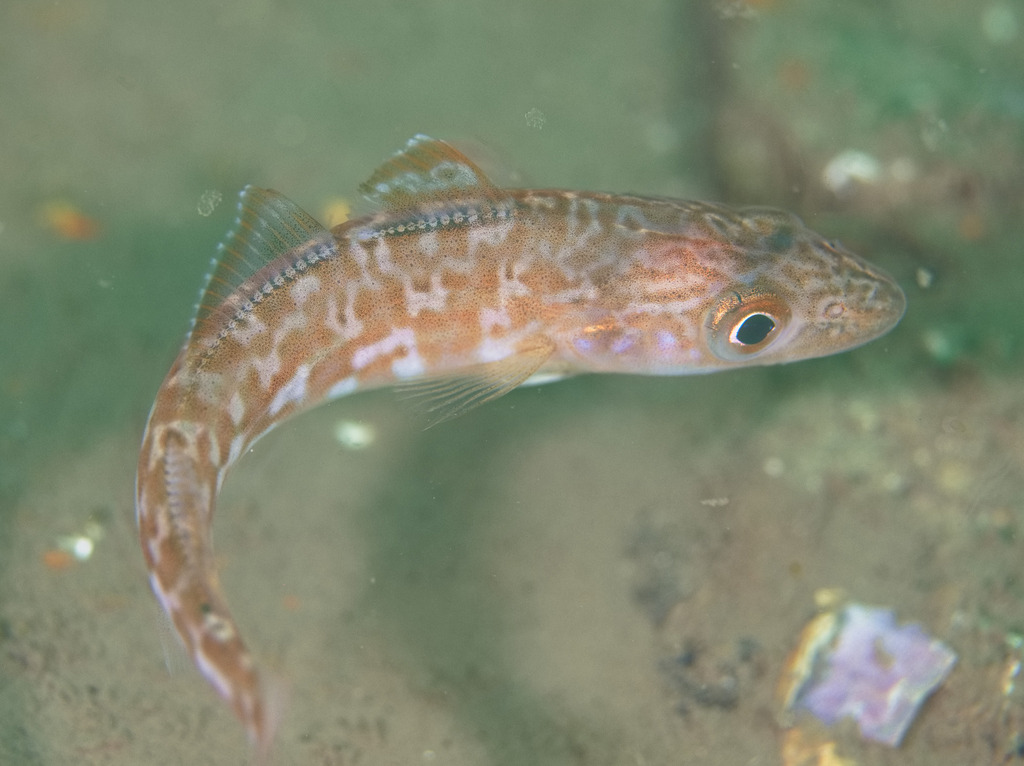
Cod are voracious, opportunistic predators that scour the bottom for a wide range of prey. Their diet changes with age: young fish feed mainly on invertebrates, while adults become distinctly piscivorous. Their menu mainly includes:
- Fish : sand eels, herring, sprats, pouting and small gadids, which make up the bulk of their adult diet.
- Crustaceans : crabs, shrimps and hermit crabs picked up from the bottom.
- Molluscs and worms : shellfish, cephalopods and marine worms readily round off their meals.
This gluttony explains their appeal to fisheries: cod will gulp down natural bait or a lure worked near the bottom without hesitation, and their lateral line lets them locate prey even in murky water or low light.
Cod life cycle and breeding
Cod spawn in winter and early spring, generally from February to April depending on the stock, in cold water of around 5 to 7 °C. Females, which are larger than males, are remarkably fertile and release several million pelagic eggs that drift in open water. This massive spawning offsets the very high mortality of eggs and larvae.
| Parameter | Data |
|---|---|
| Spawning period | February to April |
| Spawning temperature | 5 to 7 °C |
| Number of eggs | up to several million per large female |
| Egg type | pelagic (drifting in open water) |
| Sexual maturity | around 60 cm, between 2 and 6 years |
Regulations: a fish under close watch
This is the point on which we urge you to be especially careful. Once abundant, cod have seen several of their stocks collapse as a result of overfishing and warming waters. The species is now subject to recovery plans and strict restrictions. Recreational fishing is governed by EU regulations (an annual regulation setting TACs and quotas) and by French orders, which change every year.
Strict restrictions depending on the area
Depending on the area, recreational anglers may be subject to a minimum catch size, a daily quota per person and per boat, and closure windows during which only catch and release is allowed. The situation is particularly tense in the Baltic Sea, the Celtic Sea and the Eastern Channel / North Sea, where quotas have been sharply reduced — the total allowable catch in the Celtic Sea, for example, has been drastically cut for 2026.
We deliberately do not give fixed figures here: sizes, quotas and periods change from one year and one area to the next. Before every trip, you must check the regulations in force with the official sources (the EU regulation for the year, orders from the ministry responsible for the sea and the relevant Direction interrégionale de la mer). It is both a legal obligation and a common-sense gesture for a vulnerable species.
How to fish for cod from a boat
Cod fishing is above all a boat fishery, over the bottom areas the fish favour, mainly in the Channel and the North Sea during the cold season. Two main families of techniques dominate: vertical jigging with metal lures, and natural bait fishing on bottom rigs. Here is how we organise our approach depending on the current:
| Situation | Technique and lures | Advantage |
|---|---|---|
| Strong current | heavy jigs worked vertically (100 to 250 g), casting jig | holds the bottom, covers ground quickly |
| Weak to moderate current | shad-type soft lures on a jighead, madai, inchiku | subtle, slow action close to the bottom |
| Bait fishing | paternoster rig, marine worm, sand eel, strip of herring | deadly when the fish snub lures |
Vertical jigging, or jigging, involves letting the lure sink to the bottom and then giving it regular lifts and drops to trigger the strike. As cod feed close to the bottom, the whole challenge is to keep in contact with it despite the drift, by adjusting the weight of the jig. With bait, a paternoster rig baited with marine worm, sand eel or a strip of herring remains a safe bet in murky water. In terms of tackle, a powerful jigging rod, a sturdy reel, good braid and a leader made of fluorocarbon make a reliable set-up for these deep-water fisheries.
To see these techniques in action, here is a video dedicated to cod fishing and its different approaches:
Our selection of cod lures and rigs
The cod hunter's tackle box revolves around three categories: metal jigs for vertical jigging, soft lures on jigheads, and madai / inchiku rigs from Japanese vertical fishing — with a large soft lure such as the Fiiish Black Minnow also working wonders on big fish. To dig deeper into your choices, see our guides:
- The king of vertical techniques: everything about casting jig fishing
- Sea soft lures that also work for cod: best soft lures for sea fishing
- Our all-round selection: 10 essential sea fishing lures
- The line that makes the difference in deep water: which braid to choose and which fluorocarbon
Cod records and anecdotes
The IGFA-ratified world record for cod (all-tackle category, by weight) belongs to Michael Eisele, with a giant of 47.03 kg (103 lb 10 oz) caught on 28 April 2013 at Sørøya, Norway; the fish measured 160 cm with a girth of 99 cm. The cold waters of northern Norway remain the ultimate dream for lovers of very big cod. Another curiosity: the fish's colouring varies so much with its surroundings, from pale grey over sand to mottled red among the weed, that you might sometimes think you were looking at two different species.
Ecological role and conservation of cod
A major predator of cold seas, cod play a central role in North Atlantic ecosystems and, by keeping small fish and invertebrates in check, help balance the marine food chain. Their historical abundance shaped the economy of entire regions, from Newfoundland to the ports of Normandy.
It is precisely because the species has been overexploited that its conservation is now a major issue: several stocks have collapsed and are struggling to recover, despite drastic management measures. As responsible anglers, we have a part to play: scrupulously respecting quotas, sizes and closed periods, carefully releasing fish when taking them is not allowed, and favouring moderation. That is the price of cod continuing to populate our seas and thrill anglers.
Cod FAQ
What is the difference between cabillaud and morue?
Biologically, none: cabillaud and morue refer to the same species, Gadus morhua. In French, cabillaud is used for the fresh fish and morue for the same fish salted and dried. By tradition, the word morue is also used for the live fish.
How big can cod grow?
Cod commonly measure 50 cm to 1 m. Large specimens from the cold northern waters exceed 1.50 m and can weigh several dozen kilos. The IGFA world record by weight stands at 47.03 kg.
Where and when are cod caught?
In France, they are mainly caught from boats in the Channel and the North Sea, with the best season in autumn and winter, when the fish move closer inshore. They frequent gravel, sand and rocky bottoms, often in areas of current.
Which lures and rigs should you use for cod?
Metal jigs worked vertically, soft lures on jigheads and madai or inchiku rigs are very effective. With bait, a paternoster rig with marine worm, sand eel or a strip of herring remains a safe bet, especially in murky water.
Is cod fishing regulated?
Yes, and strictly so. Cod are subject to recovery plans: depending on the area, a minimum size, a daily quota and catch-and-release periods apply, or even closures. These rules change every year: always check the EU and French regulations in force.
When do cod spawn?
Spawning takes place in winter and early spring, generally from February to April, in cold water of 5 to 7 °C. Large females can release several million pelagic eggs that drift in open water before hatching.


